5052 Алюминиевый лист H32 для крыла грузовика


| сплав | 5052 |
| Характер | H32 |
| Толщина | 1.5–4,0 мм |
| Обработка поверхности | Рисование, Порошковое покрытие, Анодирование, Чистка |
| Стандарты | АСТМ Б209/Б209М, В 485, Спецификация клиента |
1. Управляющее резюме
5052 Алюминиевый лист H32 представляет собой неподдающийся термической обработке алюминиево-магниевый сплав, который обычно выбирают для крыльев грузовиков, поскольку он сочетает в себе средняя и высокая прочность, хорошая способность к холодной штамповке, отличная коррозионная стойкость, низкая плотность, и хорошая свариваемость.
5052 соответствует таким спецификациям, как ASTM B209 для листов и пластин из алюминия и алюминиевых сплавов..
Крылья грузовиков работают в сложных условиях. Они подвергаются дождь, дорожный спрей, грязь, соль, вибрация, воздействие обломков, и повторяющиеся изменения температуры.
В то же время, крыло должно сохранять свою изогнутую форму, не увеличивая ненужный вес автомобиля.. Эти требования делают выбор материала особенно важным..
The H32 темперамент обеспечивает полезный баланс между прочностью и формуемостью. По сравнению с более мягким материалом O-temper, H32 обеспечивает значительно более высокую прочность.; по сравнению с более жестким характером, сохраняет лучшую пластичность при изгибе и формовании.
Данные ASTM определяют диапазон прочности на разрыв для 5052-H32 примерно 31–38 тысяч фунтов на квадратный дюйм (214–262 МПа) и минимальный предел текучести 23 тысяч фунтов на квадратный дюйм (159 МПа), с требованиями к удлинению, варьирующимися в зависимости от толщины.
Плотностью около 2.68 г/см³, 5052 также обеспечивает значительное преимущество в весе по сравнению с обычными стальными материалами крыльев..
Его сочетание сила, устойчивость к коррозии, формуемость, и свариваемость делает его подходящим для грузовика, трейлер, и изготовление крыльев для коммерческого транспорта.
2. Что такое 5052 Алюминиевый лист H32 для крыла грузовика?
2.1 5052 Алюминиевый сплав
5052 это 5алюминиево-магниевый сплав серии ххх. В отличие от термообработанных сплавов 6ххх, он развивает свою прочность в первую очередь за счет легирования и холодной обработки, а не за счет дисперсионной термообработки..
Его состав обычно содержит примерно 2,2–2,8% магния и 0,15–0,35% хрома., с медью, ограниченной максимумом 0.10% в соответствии с общепринятыми пределами состава ASTM/Алюминиевой ассоциации.
Магний обеспечивает упрочнение твердого раствора., в то время как хром способствует структурной стабильности сплава.
Относительно низкое содержание меди также обеспечивает высокую устойчивость к атмосферной и морской коррозии..
2.2 Что означает H32?
Обозначение H32 описывает характер материала, дело не в составе сплава.
- ЧАС = деформационно-упрочненное состояние
- 3 = деформационно-упрочнённый и стабилизированный
- 2 = состояние на четверть твердое
В практическом плане, 5052-H32 подвергся контролируемой холодной обработке с последующей стабилизацией для достижения относительно стабильного сочетания прочности и пластичности..
ASTM B209 признает H32 среди деформационно-упрочненных сплавов для нетермообрабатываемых алюминиевых сплавов..
Это различие важно, поскольку 5052 и 5052-H32 не имеют идентичного механического поведения..
Сплав определяет основные химические и металлургические характеристики., а характер сильно влияет на силу, удлинение, и формируем производительность.
2.3 Что такое крыло грузовика?
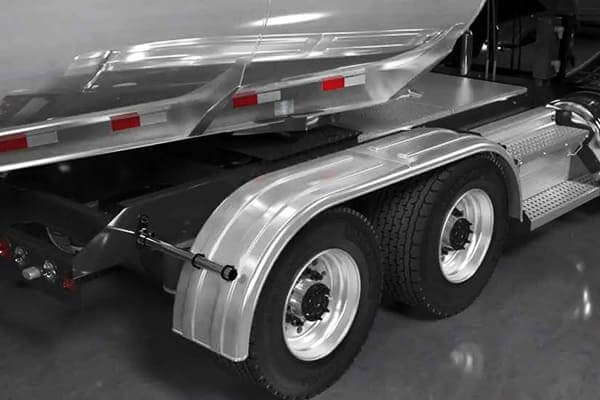
Крыло грузовика представляет собой профильную панель, которая окружает область колеса и помогает защитить автомобиль., другие участники дорожного движения, и окружающие компоненты из воды, грязь, камни, и дорожный мусор.
В зависимости от конструкции автомобиля, крылья могут быть:
- Плоский или изогнутый
- Цельный или многосекционный
- Пресс-формованный или рулонный
- Болтовой, прикован, или сварной
- Окрашенный, полированный, анодированный, или с порошковым покрытием
Потому что крыло является одновременно функциональным и видимым компонентом., материал должен сохранять свою форму, обеспечивая при этом приемлемую поверхность для последующей отделки..
2.4 Чем 5052-H32 отличается от обычного алюминиевого листа
Выбор 5052-H32 отражает два отдельных требования: в 5052 алюминиевый сплав обеспечивает базовую коррозионную стойкость и формуемость, в то время как отпуск H32 обеспечивает повышенную механическую прочность за счет контролируемого наклепа..
Для производства крыльев грузовиков, это означает, что лист может предложить:
Более высокая прочность → лучшее сохранение формы
сохраняя при этом:
Хорошая пластичность → Легкая гибка и формовка
Этот баланс является одной из основных причин, по которой 5052-H32 используется для формованных алюминиевых компонентов..
В справочниках по отраслевым материалам описывается 5052-H32 как обладающий хорошей обрабатываемостью., очень хорошая устойчивость к коррозии, и хорошая свариваемость.

3. Почему 5052 H32 подходит для крыльев грузовиков
5052-H32 обеспечивает практичное сочетание сила, малый вес, устойчивость к коррозии, формуемость, и свариваемость, что делает его хорошо подходящим для крыльев грузовиков и прицепов..
3.1 Легкий
Плотностью около 2.68 г/см³, 5052 алюминий значительно легче стали.
Это помогает уменьшить вес крыла и упрощает обращение с компонентами., установить, и поддерживать.
3.2 Хорошая сила
5052-H32 обеспечивает значительно более высокую прочность, чем технически чистый алюминий..
Типичные значения спецификации составляют около 214–262 МПа предел прочности на разрыв и минимальный предел текучести около 159 МПа, в зависимости от толщины и применимого стандарта.
Это обеспечивает хорошую устойчивость к деформации при сохранении относительно небольшого веса компонента..
3.3 Отличная коррозионная стойкость
Крылья грузовиков регулярно подвергаются воздействию дождь, дорожный спрей, грязь, влажность, и дорожная соль.
5052 обеспечивает превосходную стойкость к атмосферной и морской коррозии, что делает его подходящим для требовательных наружных условий.
Рисование, порошковое покрытие, или анодирование может обеспечить дополнительную защиту поверхности, когда это необходимо..
3.4 Хорошая формуемость
5052-H32 может быть обработан через изгиб, профилирование валков, и пресс-формовка, позволяя производителям производить изогнутые и фасонные профили крыльев.
Для особенно сложной или глубокой формовки, необходимо тщательно учитывать требуемый радиус изгиба и отпуск, чтобы свести к минимуму растрескивание и чрезмерную упругую отдачу..
3.5 Хорошая свариваемость
5052 можно сваривать с использованием обычных процессов обработки алюминия, таких как Сварка MIG и TIG.
Это делает его пригодным для готовых крыльев и узлов, требующих сварных соединений..
тем не мение, Сварка может локально повлиять на исходное нагартованное состояние H32., поэтому следует учитывать совместную конструкцию и тепловложение..
3.6 Хорошая производительность обработки поверхности
5052 обеспечивает подходящий субстрат для рисование, порошковое покрытие, анодирование, расчесывание, и полировка.
Это полезно для крыльев грузовиков, где важны как защита от коррозии, так и внешний вид..
3.7 Сбалансированная общая производительность
Основным преимуществом 5052-H32 является его сбалансированная производительность.:
Легкий + Сила + Устойчивость к коррозии + формуемость + Свариваемость
Эта комбинация делает его практичным материалом для крыльев грузовиков, которым необходимо выдерживать воздействие внешних факторов и регулярные механические нагрузки без увеличения веса автомобиля..
4. Механические свойства и выбор состояния
Механические характеристики 5052 алюминиевый лист сильно зависит от его темперамента.
В качестве нетермообрабатываемого сплава, 5052 развивает прочность в первую очередь за счет холодной обработки и стабилизации, а не за счет дисперсионного твердения.
Для крыльев грузовых автомобилей, H32 особенно полезен, поскольку обеспечивает баланс между силой, пластичность, и формируем производительность.
4.1 Типичные механические свойства 5052-H32
| Свойство | 5052-H32 Типичное значение / Требование |
|---|---|
| Предел прочности | 214–262 МПа |
| Предел текучести | ≥159 МПа |
| Удлинение | Обычно ≥8–12%, в зависимости от толщины |
| Плотность | ~2,68 г/см³ |
| Модуль упругости | ~70,3 ГПа |
| твердость | ~60 ГБ |
Ценности являются репрезентативными. Фактические механические требования зависят от толщины листа., стандарт продукта, и метод тестирования. Окончательная спецификация должна определяться применимым стандартом на материал и сертификатом заводских испытаний..
5. Типовые характеристики 5052 Алюминиевый лист H32 для крыла грузовика
Спецификация листа 5052-H32 должна определяться размер крыла, профиль, процесс формирования, монтажная конструкция, и требуемая жесткость.
Производители крыльев для грузовиков часто используют относительно тонкий алюминиевый лист, чтобы добиться экономии веса при сохранении достаточной жесткости панели..
5.1 Типичная таблица технических характеристик
| Параметр | Типичная спецификация |
|---|---|
| сплав | 5052 |
| Характер | H32 |
| Толщина | 1.5–4,0 мм |
| Ширина | 1,000–2000 мм |
| Длина | Индивидуальные |
| Поверхность | Мельничная отделка / Матовый / Индивидуальные |
| Форма | Лист / Обрезка по длине |
| Формирование | Гибка / Профилирование рулонов / Пресс-формовка |
| Приложение | Крылья для грузовиков / Крылья прицепа / Крылья для коммерческого транспорта |
| Стандарты | АСТМ Б209/Б209М / В 485 / Спецификация клиента |
Размеры выше представляют собой практические диапазоны поставок, не универсальные требования.
Окончательные размеры должны быть согласованы по чертежам заказчика и действующим стандартам..
6. Процесс производства 5052 Алюминиевый лист H32
Производство 5052-Алюминиевый лист H32 для крыльев грузовиков фокусируется на контроле состава сплава, катящийся, характер, размеры, и качество поверхности. Типичный процесс:
плавление & Литье → Гомогенизация → Горячая прокатка → Холодная прокатка → Контроль за отпуском H32 → Резка → Проверка → Упаковка
6.1 Плавка и литье
Алюминий плавится и легируется контролируемым количеством магний и хром встретиться с 5052 композиция.
Дегазация и фильтрация могут использоваться для улучшения чистоты расплава перед разливкой..
6.2 Горячая и холодная прокатка
Горячая прокатка уменьшает толщину отлитого материала до промежуточной толщины., в то время как холодная прокатка обеспечивает требуемую конечную толщину и помогает достичь желаемых механических свойств..
Управление процессом прокатки:
- Толщина
- Плоскостность
- Качество поверхности
- Сила
- Удлинение
6.3 H32 Контроль температуры
Контролируемая холодная обработка и стабилизация обеспечивают H32 темперамент, обеспечение практического баланса прочности и пластичности.
Постоянный контроль закалки важен для крыльев грузовиков, поскольку лист должен выдерживать изгиб, профилирование валков, и другие производственные процессы без чрезмерного растрескивания и деформации.
6.4 Резка и отделка
Готовый лист можно щель, обрезанный, или отрезать по длине согласно требованиям заказчика.
Точные размеры и чистые края помогают сократить вторичную обработку и отходы материала..
6.5 Проверка и упаковка
Перед отправкой, лист проверен на химический состав, механические свойства, толщина, плоскостность, размеры, и качество поверхности.
Защитная упаковка помогает предотвратить влага, царапины, загрязнение, и деформация во время транспортировки.
Общий, контролируемая прокатка и обработка отпуска гарантируют, что алюминиевый лист 5052-H32 обеспечивает сила, формуемость, стабильность размеров, и качество поверхности Требуется для производства крыльев грузовика.
7. Сварка и соединение 5052 H32 Лист крыла
5052-H32 обеспечивает хорошую свариваемость и может быть соединен обычными методами изготовления алюминия..
Способ соединения следует выбирать в зависимости от толщина крыла, совместный проект, объем производства, Требования к внешнему виду, и сервисные нагрузки.
7.1 Сварка MIG и TIG
МНЕ (Голн) подходит для эффективной производственной сварки, особенно для брекетов, швы, и более крупные крылья в сборе.
ТИГ (Gtaw) обеспечивает лучший контроль и полезен для более тонких листов или соединений, где важны внешний вид и точность.
7.2 Механическое соединение
Не каждое крыло нужно сваривать. Заклепки, болты, винты, и другие механические крепления можно использовать, когда конструкция требует легкой сборки, замена, или ограниченное тепловложение.
Механическое соединение может быть особенно полезно для крепления крыльев к кронштейнам или раме автомобиля..
7.3 Рекомендации по сварке материала H32
Поскольку H32 приобретает свою силу через деформационное упрочнение и стабилизация, сварка создает локализованную зону термического влияния, где первоначальные свойства отпуска могут измениться..
7.4 Формирование перед присоединением
Для многих агрегатов грузовых автомобилей с крыльями, предпочтительная последовательность:
Резка → Формовка → Сверление/обрезка → Сварка или крепление → Обработка поверхности.
Такой подход помогает поддерживать точность размеров и снижает ненужную деформацию во время изготовления..
8. Обработка и защита поверхности
Крылья грузовика подвергаются воздействию вода, дорожная соль, грязь, пыль, УФ-излучение, и изменения температуры.
Хотя 5052 обеспечивает превосходную внутреннюю коррозионную стойкость, обработка поверхности может еще больше улучшить внешний вид, долговечность, и устойчивость к воздействию окружающей среды.
8.1 Мельничная отделка
Фрезерованная отделка 5052-H32 может использоваться, когда внешний вид натурального алюминия приемлем или когда крыло будет подвергаться дополнительной отделке после изготовления..
Поверхность должна быть чистой и без значительных царапин., нефтяное загрязнение, и другие дефекты до нанесения покрытия или покраски.
8.2 Порошковое покрытие
Порошковая покраска широко используется, когда требуется прочная и декоративная цветная поверхность..
Типичный процесс:
Очистка → Предварительная обработка → Нанесение порошка → Отверждение
Преимущества включают в себя:
- Хороший внешний вид
- Широкий выбор цветов
- Хорошая атмосферостойкость
- Дополнительная защита поверхности
8.3 Рисование
Системы окраски могут быть выбраны в соответствии с индивидуальными цветами и конкретными экологическими требованиями..
Типичная система может включать в себя предварительная обработка или грунтовка с последующим верхним слоем.
Правильная подготовка поверхности необходима для хорошей адгезии покрытия и долговечности..
8.4 Анодирование
Анодирование образует контролируемый оксидный слой на поверхности алюминия.. Он может обеспечить:
- Повышенная долговечность поверхности
- Улучшенная защита от коррозии
- Декоративный внешний вид
Его чаще рассматривают для применений, где важен внешний вид..
8.5 Чистка и полировка
Матовый или полированный 5052 Алюминий может придать характерный металлический вид крыльям грузовиков премиум-класса или по индивидуальному заказу..
Эти виды отделки требуют хорошего качества основы, поскольку дефекты поверхности могут оставаться видимыми после отделки..
9. 5052 Алюминиевый лист H32 для различных применений крыльев грузовиков
Требуемая спецификация 5052-H32 варьируется в зависимости от тип транспортного средства, размеры крыла, метод формирования, ожидаемые нагрузки, и требования к внешнему виду.
9.1 Крылья для тяжелых грузовиков
Тяжелые грузовики работают в сложных дорожных условиях и могут потребовать относительно жестких конструкций крыльев..
5052-H32 можно использовать для:
- Колесные крылья
- Боковые крылья
- Панели задних крыльев
- Усиленные крылья в сборе
Для больших или сильно нагруженных конструкций, большая толщина листа, изогнутые профили, бусы, или структурное усиление может использоваться для увеличения жесткости.
9.2 Крылья для полуприцепов и тракторов
Крылья полуприцепов часто сочетают в себе функциональную защиту с сильным визуальным компонентом..
5052-H32 подходит для изогнутых панелей крыльев, поскольку обеспечивает хороший баланс формуемость, сила, устойчивость к коррозии, и потенциал качества поверхности.
Типичные требования включают в себя:
- Гладкие изогнутые профили
- Постоянные размеры
- Хорошее качество поверхности
- Малый вес
- Устойчивость к дорожным брызгам и мусору
9.3 Крылья прицепа
Крылья прицепа выигрывают от низкой плотности алюминия и устойчивости к коррозии., особенно когда прицепы работают на открытом воздухе в течение длительного времени.
5052-H32 может быть сформирован в:
- Закругленные колесные арки
- Крылья коробчатого типа
- Полноразмерные крылья
- Индивидуальные изогнутые профили
Окончательную толщину следует выбирать в соответствии с размером прицепа., монтажное устройство, и ожидаемые сервисные нагрузки.
9.4 Крылья для коммерческого транспорта
Грузовики для доставки, коммунальные автомобили, сервисные грузовики, и другие коммерческие автомобили могут использовать 5052-H32 для изготовления легких крыльев..
Сплав особенно полезен, когда производителям необходимо:
Низкий вес + Хорошая долговечность + Простое изготовление + Привлекательный внешний вид
9.5 Индивидуальные и декоративные крылья
Для индивидуальных грузовиков, крылья могут потребовать специальной формы, полированные поверхности, матовая отделка, или цветные покрытия.
5052-H32 может поддерживать различные процессы изготовления и отделки., позволяя производителям производить оба функциональные и декоративные компоненты крыльев.
10. 5052 H32 по сравнению с другими алюминиевыми сплавами для крыльев грузовиков
Выбор алюминиевого сплава для крыльев грузовика требует баланса сила, формуемость, устойчивость к коррозии, свариваемость, масса, и стоимость.
5052-H32 предлагает сбалансированное сочетание свойств., обеспечивая более высокую прочность, чем многие 1xxx- и сплавы серии 3xxx, сохраняя при этом хорошие характеристики формовки и сварки..
10.1 Сравнение сплавов
| Свойство | 5052-H32 | 3003-H14 | 5052-О | 6061-Т6 |
|---|---|---|---|---|
| Серия сплавов | 5ххх | 3ххх | 5ххх | 6ххх |
| Основной легирующий элемент | мг | Мн | мг | мг + И |
| Предел прочности, Типичный* | 214–262 МПа | ~145–185 МПа | ~170–215 МПа | ~290–320 МПа |
| Предел текучести, Типичный* | ≥159 МПа | ~115–145 МПа | ~70–100 МПа | ~240–275 МПа |
| формуемость | Хороший | Очень хороший | Отличный | Умеренный |
| Устойчивость к коррозии | Отличный | Хорошо–Отлично | Отличный | Хороший |
| Свариваемость | Очень хороший | Очень хороший | Очень хороший | Хороший |
| Масса | Низкий | Низкий | Низкий | Низкий |
| Глубокая формовка | Хороший | Очень хороший | Отличный | Ограниченный |
| Пригодность крыльев | Отличный | Хороший | Хороший | Хороший |
| Основное преимущество | Сила + формуемость + Устойчивость к коррозии | формуемость + Экономика | Максимальная пластичность | Высокая прочность |
Механические свойства изменяются в зависимости от толщины, стандарт продукта, и нрав. Показанные значения представляют собой репрезентативные диапазоны для сравнения, а не универсальные расчетные значения..
11. Заключение
5052-Алюминиевый лист H32 практичный материал для крыльев грузовиков, поскольку он сочетает в себе низкая плотность, хорошая механическая прочность, отличная коррозионная стойкость, хорошая формуемость, и надежная свариваемость.
Закалка H32 обеспечивает более высокую прочность и лучшее сохранение формы, чем более мягкая сталь 5052-O, сохраняя при этом достаточную пластичность для обычных операций гибки и формовки..
Его коррозионная стойкость также ценна для крыльев, подвергающихся воздействию дождь, дорожный спрей, грязь, влажность, и дорожная соль.
По сравнению с 3003-H14, 5052-H32 обычно обеспечивает более высокую прочность.. По сравнению с 6061-T6, он обеспечивает лучшую производительность формовки для многих применений изогнутых листов..
Поэтому, 5052-H32 представляет собой полезную золотую середину для крыльев грузовиков и прицепов, где снижение веса и производительность изготовления так же важны, как и механическая прочность.
Часто задаваемые вопросы
1. Почему 5052-H32 используется для крыльев грузовиков?
5052-H32 объединяет хорошая сила, легкая конструкция, отличная коррозионная стойкость, формуемость, и свариваемость, что делает его хорошо подходящим для компонентов транспортных средств, находящихся на открытом воздухе..
2. Какова типичная прочность 5052-H32??
Типичные диапазоны технических характеристик составляют приблизительно 214–262 МПа предел прочности на разрыв с минимальным пределом текучести около 159 МПа, хотя требования различаются в зависимости от толщины и применимого стандарта.
3. Легко ли формовать 5052-H32??
Да. Он имеет хорошие характеристики холодной штамповки и может использоваться для изгиб, профилирование валков, и пресс-формовка. Очень сложные формы могут потребовать более мягкого характера..
4. Устойчив к коррозии 5052-H32?
Да. 5052 обладает превосходной устойчивостью к атмосферной и морской коррозии, что делает его подходящим для крыльев, подвергающихся воздействию влаги, дорожный спрей, и соль.
5. Можно ли сваривать 5052-H32??
Да. Его можно сваривать с использованием обычных процессов обработки алюминия, таких как Я и Тиг. Проект сварки должен учитывать местные изменения исходного состояния H32..
6. Какая толщина 5052-H32 обычно используется для крыльев грузовиков??
Практический коммерческий диапазон составляет примерно 1.5–4,0 мм. Окончательная толщина зависит от размеров крыла., кривизна, монтажная конструкция, ожидаемые нагрузки, и требуемая жесткость.
7. Лучше ли 5052-H32, чем 3003-H14, для крыльев грузовых автомобилей??
Не повсеместно. 5052-H32 обычно обеспечивает более высокую прочность., в то время как 3003-H14 обеспечивает очень хорошую формуемость. 5052-H32 часто предпочтительнее, когда требуется большая жесткость и долговечность..
8. Можно ли 5052-H32 покрыть порошковой краской??
Да. 5052-H32 подходит для порошковое покрытие, рисование, анодирование, расчесывание, и полировка когда используется соответствующая подготовка поверхности.