
Ғафсии фолгаи алюминийи PTP: Дастури мукаммал оид ба бастабандии блистерҳои фармасевтӣ
In ensuring drug safety, устувор, and efficacy, packaging plays an indispensable role. Blister packaging is widely used globally due to its convenience, clear dosage presentation, and excellent product protection. As the key material in blister packaging that contacts the drug directly and forms the barrier seal, иҷрои Ptp (Press-Through Packaging) Фолгаи алюминий is critical. Among all its technical parameters, цафсӣ is the decisive factor affecting mechanical properties, barrier effectiveness, самаранокии истехсолот, and overall cost. This article provides an in-depth and systematic exploration of all aspects of PTP aluminum foil thickness, serving as a comprehensive selection and application guide for pharmaceutical companies and packaging engineers.
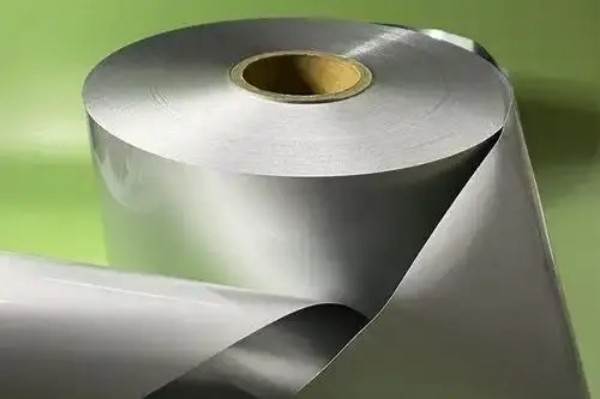
1. Фолгаи алюминийи PTP: Структура, Функсия, and Central Role
PTP aluminum foil is not simply a metal foil; он а high-performance multilayer composite material engineered to meet the stringent requirements of pharmaceutical packaging. он “Press-Through” functionality demands a material that is easy for consumers to puncture while maintaining absolute integrity during production, нақлиёт, ва нигоҳдорӣ.
1.1 The Precise Multilayer Structure
Each layer serves a specific function, collectively building a robust protective wall:
- Субстрат фолгаи алюминий (Қабати аслӣ): Typically made from aluminum alloys like 8011 ё 8021, it provides the fundamental mechanical strengthва inherent barrier properties, acting as the physical barrier against water vapor, оксиген, ва нур. Its thickness is the core focus of this article.
- Чуқури сурх: Applied to the inner side of the foil (facing the blister forming film), it creates a strong seal with PVC, PDDC, or PP blister films under heat and pressure, which is crucial for package integrity.
- Printing Layer and Protective Lacquer: The outer side is printed with branding and information, then coated with a transparent protective lacquer. This ensures graphics are abrasion-resistant and clear while protecting the ink from environmental interaction.
1.2 Функсияҳои асосӣ
This composite structure gives PTP aluminum foil three core functions:
- Хусусиятҳои монеаи олӣ: Effectively prevents the permeation of moisture and oxygen, the primary condition for maintaining a drug’s chemical stability.
- Reliable Physical Protection: Resists puncture and tearing, protecting the drug from physical damage.
- Excellent Applicability: Suitable for high-speed automatic filling and sealing production lines, and meets design needs like child-resistance and senior-friendliness.

2. Standard Thickness Analysis: The Performance Spectrum from 20μm to 30μm
The industry standard thickness range is between 20 ва 30 микрометр (мкм). Different thicknesses correspond to different performance grades and application scenarios, forming a clear technical spectrum.
Стол 1: Comprehensive Performance Comparison of Standard PTP Aluminum Foil Thickness
| Ғафсӣ | Қувваи механикӣ & Муқовимати пункет | Иҷрои монеа (WVTR Reference) | Сатҳи хароҷот | Сенарияҳои маъмулии татбиқ | Selection Notes |
|---|---|---|---|---|---|
| 20 мкм. | Асосӣ, meets fundamental requirements. | Basic Grade (тахминан. ≤0.5 g/m²·24h) | Паст | Common vitamins, mineral supplements, traditional Chinese medicine tablets insensitive to moisture/oxygen. | Economical Choice. Not suitable for high-speed machines, tablets with sharp edges, or drugs requiring high barriers. |
| 23 мкм. | Хуб, improved reliability. | Good Grade (тахминан. ≤0.3 g/m²·24h) | Миёна | Most conventional oral solid drugs (планшетҳо, капсулаҳо), Доруҳои OTC. | Best Value Choice. Optimal balance between protection and cost, widely used in the market. |
| 25 мкм. (Industry Gold Standard) | Аъло, industry benchmark. | Excellent Grade (тахминан. ≤0.1 g/m²·24h) | Якхела | High-speed production lines, export drugs, high-value prescription drugs, moisture-sensitive drugs. | Optimal Overall Performance. Provides the best production stability, бехатарӣ, ва мутобиқати васеъ. |
| 30 мкм. | Истисноӣ, top-tier protection. | Exceptional Grade (тахминан. ≤0.05 g/m²·24h) | Баланд | Потенсиали баланд, маводи мухаддири арзишманд (масалан., биологи, антибиотикҳои муайян), drugs requiring extended shelf-life, or for markets with extreme humidity/heat. | Premium Protection Choice. Often used in “Алу-alu” блистерҳо, offering the highest protection grade. |
In-depth Look at the “Стандарти саноатӣ” 25мкм:
The prevalence of 25μm is no coincidence. It achieves a critical technical balance: its strength is sufficient to withstand high-speed stamping at over 400 blisters/minute and the friction/compression of subsequent cartoning processes; its barrier properties (typically with Water Vapor Transmission Rate below 0.1 г/м²·24с) can meet the stability testing requirements (масалан., long-term 25°C/60%RH) stipulated by most regulatory bodies like ICH. Барои ширкатҳои фармасевтӣ, choosing 25μm represents the lowest-risk, most broadly compatible decision.
3. Beyond Thickness: The Synergistic Impact of Other Key Parameters
Thickness is key, but not the only factor. It must be considered in synergy with other parameters.
3.1 Таҳаммулпазирии ғафсӣ: Uniformity Determines Consistency
Tolerance is a key indicator of foil quality. ±5% is the common standard for high-end pharmaceutical packaging, while ±8% may only be acceptable for less demanding applications.
Стол 3: Impact of Thickness Tolerance on Production and Quality
| Стандарти таҳаммулпазирӣ | Якрангии ғафсӣ | Таъсир ба истехсолот | Risk to Final Package Quality |
|---|---|---|---|
| High Standard (±5%). | Аъло, minimal longitudinal/transverse variation. | Stable stamping, easy control of sealing parameters, smooth high-speed operation, low scrap rate. | Uniform and consistent seals, иҷрои устувори монеа, high appearance quality. |
| Loose Standard (±8% or wider). | Ярмарка, potential for local thickness variation. | Can cause fluctuating stamping pressure, leading to blister deformation or foil breakage; difficult to optimize heat-seal temperature, risking local over-sealing or weak seals. | May create weak seal points, leading to leakage; inconsistent barrier performance; printing patterns may show color variation. |
High-quality PTP foil employs precision rolling and online monitoring systems to ensure consistent thickness across the roll’s length and width.
3.2 Aluminum Alloy and Temper: The Foundation of Strength
- 8011-H18: The most mainstream choice. “H18” signifies a full-hard temper, offering high tensile and yield strength. This gives the blister rigidity, produces a clear “click” sound when pressed, and resists accidental rupture.
- 8021-О: Relatively softer, бо ташаккули аъло, used for complex blister shapes requiring high ductility. Its strength is generally lower than 8011-H18.
3.3 Иҷрои пӯшиш: The Soul of the Seal
The chemical composition, вазни пӯшиш, and uniformity of the heat-seal coating directly affect seal strength, муқовимати ҳарорат, and the sealing temperature window. Even with a perfect foil substrate, a poor coating will lead to seal failure.
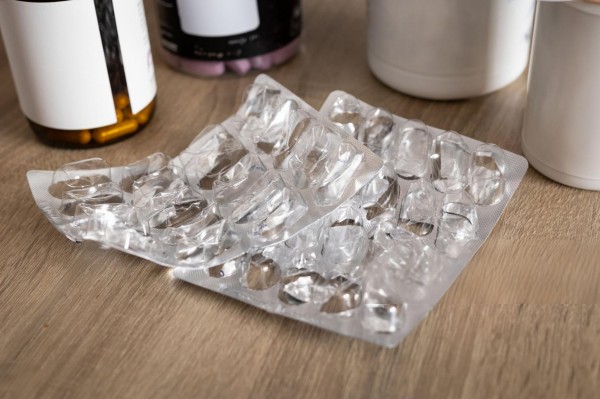
4. Scientific Selection: A Multi-Dimensional Decision Model
Selecting PTP foil thickness is a systematic engineering decision. The following model should be applied:
4.1 Risk Assessment Based on Drug Characteristics
- Physicochemical Sensitivity: The drug’s sensitivity to moisture and oxygen is the primary determinant. Data from stability tests (масалан., accelerated 40°C/75%RH) can be used to determine the required WVTR for the packaging, thus defining the minimum ғафсии фолга.
- Drug Form: Tablets with sharp, beveled edges demand higher foil puncture resistance, necessitating thicker or stronger foils.
- Муҳлати нигоҳдорӣ & Market: Requirements differ for a 2-year vs. a 5-year shelf life, and for products sold in Scandinavia versus Southeast Asia.
4.2 Packaging System Compatibility
- Blister Forming Film Type:
- PVC: Universal material, typically paired with 20-25μm foil.
- PVC/PVDC, PVC/PE/PVDC: The PVDC layer significantly enhances the barrier. Typically paired with 23-25μm foil for optimal overall cost-performance.
- Саҳ, Aclar® (PCTFE): Used for high-barrier needs, often paired with 25-30μm foil for the highest protection level.
Стол 4: Selection Guideline Matrix Based on Packaging System & Machine Speed
| Drug/Packaging Type | Low-Speed Machine (<200 блистерҳо/дақ) | Medium-Speed Machine (200-350 блистерҳо/дақ) | High-Speed Machine (>350 блистерҳо/дақ) |
|---|---|---|---|
| Standard Tablets / PVC Film. | 20-23 мкм | 23-25 мкм | 25 мкм. |
| Conventional Capsules / PVC-PVDC Film. | 23 мкм | 25 мкм. | 25 мкм. |
| Доруҳои гаронбаҳо / Alu-PVC Composite Film. | 25 мкм | 25-30 мкм | 30 мкм. |
| Drugs for Humid Climates / Alu-Alu Blister. | 25-30 мкм | 30 мкм. | 30 мкм. |
- Packaging Equipment Parameters:
- Machine Speed: Higher speeds demand higher foil устувории кашишӣ, пухтан, and thickness uniformity. For lines ≥400 strokes/min, 25μm or thicker is strongly recommended.
- Die Condition: Die sharpness and flatness affect stamping. New dies can accommodate thinner foil, while worn dies may require thicker foil for compensation.
4.3 Supply Chain and Cost Considerations
A Total Cost of Ownership (TCO) analysis should be conducted, ensuring all technical and regulatory requirements are met. Thicker foil has higher material costs but may offer better overall economics by reducing line downtime and product rejection rates.

5. Саволҳои зуд-зуд додашаванда (С&А)
Q1: We want to reduce packaging costs. Can we switch from our current 25μm foil to 20μm?
А: This requires very careful evaluation, not just a cost-based decision. You must consider:
- Drug Characteristics: Is your drug highly sensitive to moisture/oxygen? If yes, thinner foil may not provide sufficient barrier, affecting shelf life.
- Production Line: What is the speed of your blister machine? 20μm foil has lower mechanical strength and is more prone to breakage or poor sealing on high-speed lines, potentially increasing downtime and waste, thus raising total cost.
- Розигӣ: Any material change requires stability testing and packaging validation to ensure it meets regulatory filing standards. Pilot testing on a small batch and joint assessment with your foil and machine suppliers is recommended.
Q2: How do I initially select the right PTP foil thickness for a new drug?
А: It is advised to follow this decision path:
- Define Requirements: Аввал, determine the drug’s stability needs (accelerated/long-term testing conditions), мӯҳлати нигоҳдории мақсаднок, and the target market’s climate (especially humidity).
- Benchmark Competitors: Review the common packaging structure and foil thickness used for similar drugs on the market, especially the originator’s product. This is a valuable industry benchmark.
- System Matching: Based on the chosen blister film (масалан., PVC or PVC/PVDC) and machine speed, use the “Selection Guideline Matrix” above for a preliminary choice. For most oral solid dosage forms, starting tests with 25мкм is a lower-risk option.
- Test and Validate: Final confirmation must come from package integrity testing, stability studies, ва process validation on the production line.
Q3: For preventing damage during shipping, is the foil’s “сахтӣ” (хулщ, масалан., H18) ё “цафсӣ” more important?
А: Both are crucial, but they play different roles:
- Ғафсӣ: Primarily provides overall mechanical strength and puncture resistance. Thicker foil better withstands external compression and stress from sharp tablet edges.
- Hardness/Temper (масалан., H18): Primarily provides rigidity and stiffness. H18 temper foil keeps the blister rigid, resisting deformation under local pressure, thus preventing material fatigue failure from repeated bending.
Best practice is to combine both: For fragile drugs or those requiring long-distance shipping, истифода бурдан 25μm or thicker 8011-H18 foil is recommended to achieve excellent strength and rigidity simultaneously.
Q4: How can I quickly assess the quality of Фолгаи алюминийи PTP?
А: Beyond reviewing supplier qualifications and test reports, some quick checks include:
- Visual Inspection: The foil roll’s ends should be neat, free of burrs or stains. The foil surface should be smooth, тоза, without obvious bright/dark spots or transverse streaks.
- Hand Feel and Sound: Gently crumple a small piece. Good foil should feel somewhat stiff, produce a crisp sound when crumpled, and show uniform creases when released, not feeling “limp”.
- Сифати чоп: Check for clear, well-registered printing without smudging or missing print. The protective lacquer should be even.
- Preliminary Peel Test: You can roughly heat-seal it to a piece of PVC film and try peeling it to feel if the seal strength is uniform (this is a qualitative check; standard instrument testing is required for validation).
6. Global Trends and Future Outlook
- High-Performance Down-Gauging: Мустаҳкам кардан 20-23μm ultra-thin, high-performance foils with performance equal to or better than traditional 25μm foil, achieved through improved alloy formulation, технологияи пӯшиш, and processing. This aims for source reduction, сарфаи харочот, ва устуворӣ.
- Integration of High Barriers and Intelligence: Demand for 25-30мкм фольга for high-end drugs continues to grow. Integration with smart elements like QR codes or RFID for traceability will place new demands on print compatibility and structural integrity.
- Regulation-Driven Harmonization: Increasingly strict global pharmaceutical regulations are driving the harmonization and stricter requirements for PTP foil quality standards (масалан., extractables, моддаҳои шусташаванда, seal strength testing) and thickness tolerances.
Хулоса
Selecting PTP aluminum foil thickness is far from a simple number choice; он а precise technical decision integrating materials science, pharmaceutical technology, мошинсозӣ, and regulatory knowledge. 25мкм, as the time-tested industry standard, remains the most robust starting point and benchmark for most situations.
Барои ширкатҳои фармасевтӣ, the optimal path is:
- Start with Risk Assessment: Define protection needs based on drug characteristics.
- Conduct System Matching: Test and validate the foil together with the forming film and equipment as a complete system.
- Build a Partnership: Collaborate deeply with PTP foil suppliers possessing strong technical capabilities, strict quality systems, and rich industry experience for co-development and stability testing.
- Continuously Verify and Optimize: Monitor production data and optimize based on actual performance.
In the world of pharmaceutical packaging, details determine success or failure. A deep understanding and scientific application of the key detail that is PTP aluminum foil thickness is the solid cornerstone for building the last line of defense for drug safety.