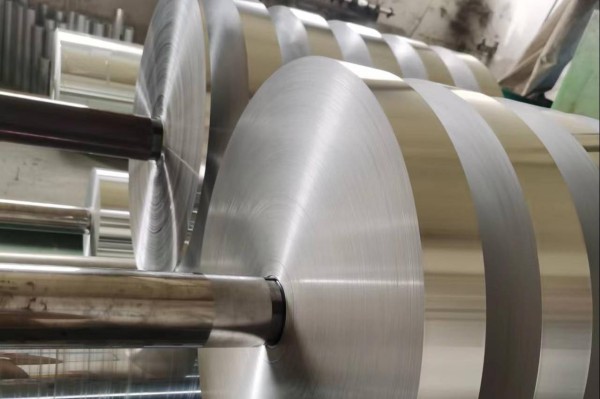


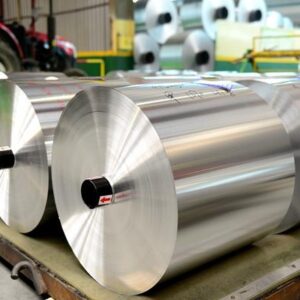

7-ไมครอน 8079 อลูมิเนียมฟอยล์ยืดหยุ่นได้: วัสดุบรรจุภัณฑ์ที่มีอุปสรรคสูงบางเฉียบ

7-ไมครอน 8079 อลูมิเนียมฟอยล์ยืดหยุ่นได้: วัสดุบรรจุภัณฑ์ที่มีอุปสรรคสูงบางเฉียบ
การแนะนำ
ด้วยความต้องการตลาดผู้บริโภคที่เพิ่มขึ้นอย่างต่อเนื่องสำหรับอายุการเก็บรักษาผลิตภัณฑ์และความต้องการเร่งด่วนสำหรับบรรจุภัณฑ์น้ำหนักเบาภายใต้ “คาร์บอนคู่” กลยุทธ์, อุตสาหกรรมบรรจุภัณฑ์สมัยใหม่กำลังอยู่ระหว่างการเปลี่ยนแปลงโครงสร้างจากบรรจุภัณฑ์แบบแข็งแบบเดิมมาเป็น วัสดุคอมโพสิตยืดหยุ่นประสิทธิภาพสูง.
ในคลื่นนี้, อลูมิเนียมฟอยล์, เป็น “มาตรฐานทองคำ” สำหรับชั้นกั้น, ได้เห็นเทคโนโลยีการทำให้ผอมบางกลายเป็นสิ่งที่สำคัญที่สุดสำหรับอุตสาหกรรม R&ง.
7-ไมครอน 8079 อลูมิเนียมฟอยล์ที่มีความยืดหยุ่น ยืนหยัดเป็นผลงานชิ้นเอกในระดับแนวหน้าของขอบเขตเทคโนโลยีนี้. ไม่เพียงแต่ทำลายขีดจำกัดทางกายภาพของการรีดแบบบางเฉียบเท่านั้น แต่ยังบรรลุความก้าวหน้าในการควบคุมโครงสร้างจุลภาคอีกด้วย. เมื่อเทียบกับอลูมิเนียมฟอยล์ขนาด 9 ไมครอนหรือ 12 ไมครอนทั่วไป, 7-ไมครอน 8079 ฟอยล์ช่วยลดไวยากรณ์ของพื้นที่หน่วยลงอย่างมากในขณะเดียวกันก็รับประกันประสิทธิภาพของสิ่งกีดขวางที่สมบูรณ์ (อัตราการส่งผ่านออกซิเจนเป็นศูนย์) ยังคงไม่ประนีประนอม.
บูรณาการเทคโนโลยีล้ำสมัยในด้านโลหะวิทยา, เครื่องจักรกลที่มีความแม่นยำ, และเคมีพื้นผิว, มีการใช้กันอย่างแพร่หลายในด้านที่มีข้อกำหนดด้านความปลอดภัยและอายุการเก็บรักษาที่สูงมาก, เช่น บรรจุภัณฑ์ยา, บรรจุภัณฑ์กาแฟและขนมระดับพรีเมี่ยม, และกระเป๋าแบตเตอรี่ลิเธียมพลังงานใหม่. เป็นวัสดุสำคัญในการตระหนักรู้ถึง “ไฟแช็ก, แข็งแรงขึ้น, เป็นมิตรกับสิ่งแวดล้อมมากขึ้น” กลยุทธ์บรรจุภัณฑ์.
7 ไมครอนคืออะไร 8079 อลูมิเนียมฟอยล์ยืดหยุ่นได้?
7-ไมครอน 8079 อลูมิเนียมฟอยล์ที่มีความยืดหยุ่นเป็นวัสดุโลหะฟังก์ชั่นบางเฉียบที่เตรียมจาก 8079 ระบบโลหะผสมอลูมิเนียม ผ่านกระบวนการรีดเย็นหลายรอบและกระบวนการบำบัดความร้อนที่แม่นยำ. ความหนาระบุของ “7 ไมครอน” (7 มม) มีเส้นผ่านศูนย์กลางเพียงประมาณหนึ่งในสิบของเส้นผมมนุษย์ (~0.007 มม). ข้อกำหนดด้านความหนาที่สูงมากนี้ทำให้เกิดความท้าทายอย่างมากต่อความบริสุทธิ์ของแท่งโลหะ, ความแม่นยำในการบดม้วน, และการควบคุมกระบวนการ.
แตกต่างจากอลูมิเนียมฟอยล์ในครัวเรือนทั่วไป (โดยทั่วไปแล้วจะเป็นซีรีส์ 1xxx หรือ 8011 โลหะผสม), ซึ่งเน้นไปที่ความแข็งและการใช้งานภาชนะที่มีความแข็ง, 8079 อัลลอยด์ได้รับการออกแบบมาโดยเฉพาะสำหรับ “มีความยืดหยุ่นสูง” และ “ความสามารถในการขึ้นรูปแบบลึก” โดยแนะนำอัตราส่วนเฉพาะของธาตุเหล็ก (เฟ) และซิลิคอน (และ) องค์ประกอบต่างๆ ลงในเมทริกซ์อะลูมิเนียม, โลหะผสมก่อให้เกิดสารประกอบระหว่างโลหะที่กระจายตัวอย่างประณีต (เช่น เฟสอัล-เฟ-ซี) ระหว่างการกลิ้ง. อนุภาคขนาดเล็กเหล่านี้ไม่เพียงแต่ช่วยเพิ่มการกระจายตัว แต่ยังขัดขวางการเลื่อนหลุดและการแพร่กระจายของรอยแตกขนาดเล็กได้อย่างมีประสิทธิภาพเมื่อฟอยล์ถูกเปลี่ยนรูป, จึงทำให้วัสดุมีความเหนียวและต้านทานการแตกหักได้ดีเยี่ยม.
คำจำกัดความหลักของวัสดุนี้อยู่ที่ความสมดุลในการใช้งานในสภาวะที่บางเฉียบ:
- ความยืดหยุ่นสูงสุด & ความสอดคล้อง: ความสามารถในการยึดติดอย่างใกล้ชิดกับพื้นผิวที่ไม่เรียบโดยไม่เกิดการแตกร้าวจากความเครียดระหว่างการพับหรือการดัดงอ.
- ความสามารถในการวาดลึกที่ยอดเยี่ยม: เป็นวัสดุปิดฝาในบรรจุภัณฑ์พุพองยา, สามารถยืดออกเหนือตุ่มพองได้โดยไม่ทำให้แตก.
- เคมีพื้นผิวที่ควบคุมได้: ผ่านการอบอ่อนแบบเฉพาะและการบำบัดโคโรนา, พลังงานพื้นผิวสามารถเกินได้ 38 ดายน์/ซม, ช่วยให้มั่นใจได้ถึงพันธะเคมีกายภาพที่แข็งแกร่งกับฟิล์มพลาสติก (เช่น., สัตว์เลี้ยง, วิชาพลศึกษา) หรือสารเคลือบ.
การวิเคราะห์องค์ประกอบทางเคมี
ความลับหลักที่อยู่เบื้องหลัง 8079 ความสามารถของโลหะผสมในการรักษาอัตราผลตอบแทนและประสิทธิภาพที่สูงที่ความหนาวิกฤต 7 ไมครอนนั้นอยู่ในอัตราส่วนและปฏิสัมพันธ์ที่แม่นยำของ เหล็ก (เฟ) และซิลิคอน (และ)ในองค์ประกอบทางเคมีของมัน.
| องค์ประกอบ | เนื้อหาทั่วไป (%) | การวิเคราะห์เชิงลึกเชิงฟังก์ชัน |
|---|---|---|
| อลูมิเนียม (อัล) | ส่วนที่เหลือ (98.0–99.0) | โลหะฐานให้น้ำหนักเบา, การนำความร้อน, และชั้นกั้นโลหะต่อเนื่อง. |
| เหล็ก (เฟ) | 0.70–1.30 น | องค์ประกอบเสริมความแข็งแกร่งและป้องกันรูเข็มที่สำคัญ. ในอะลูมิเนียมเมทริกซ์, Fe มีอยู่ส่วนใหญ่เป็นเฟส Al₃Fe หรือ α-AlFeSi. Fe ที่เหมาะสมช่วยปรับแต่งโครงสร้างการหล่ออย่างมีนัยสำคัญ, ลดผลึกเรียงเป็นแนว, และเพิ่มโซนคริสตัลที่เท่ากัน. ในระหว่างการรีดแบบบางเฉียบ, การตกตะกอนที่ดีเหล่านี้ช่วยปักหมุดขอบเขตของเกรนได้อย่างมีประสิทธิภาพ, ป้องกันการเริ่มต้นและการแพร่กระจายของรอยแตกขนาดเล็ก, จึงลดอัตรารูเข็มลงอย่างมาก. |
| ซิลิคอน (และ) | 0.05–0.30 | มักจะสร้างเฟสไบนารี่หรือไตรภาคด้วย Fe. การมีอยู่ของ Si จะเปลี่ยนลักษณะทางสัณฐานวิทยาของระยะ Fe จากเข็มหยาบไปเป็นรูปทรงกระดูกละเอียดหรือรูปร่างคล้ายตัวอักษรจีน, ลดผลกระทบจากความแตกแยกบนเมทริกซ์และปรับปรุงประสิทธิภาพการหมุนและการยืดตัวของผลิตภัณฑ์ขั้นสุดท้าย. |
| ทองแดง (ลูกบาศ์ก) | ≤0.05 | มีการควบคุมอย่างเข้มงวด. ในขณะที่ Cu เป็นองค์ประกอบเสริมความแข็งแกร่งของสารละลายแข็งที่มีประสิทธิภาพ, ช่วยลดความต้านทานการกัดกร่อนและความสามารถในการออกซิเดชั่นของฟอยล์ได้อย่างมาก และอาจก่อให้เกิดความเสี่ยงในการเคลื่อนย้ายโลหะหนักในบรรจุภัณฑ์ยา. |
| แมงกานีส (ล้าน) | ≤0.05 | ปริมาณการติดตามส่วนใหญ่จะใช้เพื่อบรรเทาผลกระทบที่เป็นอันตรายของ Fe, แต่มีเนื้อหาน้อยกว่าใน 8079 หลีกเลี่ยงการก่อตัวของสารประกอบหยาบที่ส่งผลต่อคุณภาพพื้นผิว. |
| ไทเทเนียม (ของ) | ≤0.05 | เครื่องกลั่นเมล็ดพืชทั่วไป. โดยการสร้างอนุภาค TiB₂ หรือ TiC, ช่วยป้องกันเศษหยาบระหว่างการรีดร้อน, รับประกันความสม่ำเสมอของโครงสร้างจุลภาคและผิวสำเร็จ. |
ข้อมูลเชิงลึกด้านอุตสาหกรรม: คุณลักษณะ Si สูงถึงต่ำของ 8079 โลหะผสมเป็นแหล่งต้นน้ำที่สำคัญที่แยกความแตกต่างจากมัน 8011 โลหะผสม. ผลการเสริมความแข็งแกร่งของเมล็ดละเอียดที่เกิดจากปริมาณ Fe ที่สูงขึ้นจะทำหน้าที่เป็น “โล่ที่มองไม่เห็น,” ป้องกันเสี้ยนและการแตกหักระหว่างการตัดและการพิมพ์ด้วยความเร็วสูงในภายหลัง.
ลักษณะสำคัญและความท้าทายทางเทคนิค
1. การควบคุมที่แม่นยำบางเฉียบ (ความแม่นยำระดับไมครอน)
การรีดอลูมิเนียมฟอยล์ไปที่ 7 ไมครอนไม่ได้เป็นเพียงการทำให้ผอมบางทางกายภาพเท่านั้น; เป็นการทดสอบขั้นสูงสุดของความสามารถในการควบคุมทางวิศวกรรม.
- ความเข้มงวดของความทนทานต่อความหนา:จะต้องควบคุมภายใน ±0.3–0.5 ไมโครเมตร. เนื่องจากฟอยล์มีความบางมาก, การเปลี่ยนแปลงรูปร่างม้วนเล็กน้อยหรือความผันผวนของแรงตึงอาจทำให้ความหนาไม่สม่ำเสมอ. การเปลี่ยนแปลงความหนาที่มากเกินไปทำให้เกิดการแตกหักในพื้นที่ทินเนอร์เนื่องจากความเครียดที่เข้มข้นระหว่างการเคลือบและการปิดผนึกด้วยความร้อนไม่ดีหรือ “การขุดอุโมงค์” ในพื้นที่หนาขึ้น.
- การควบคุมรูปร่าง: สำหรับคอยล์ความกว้างกว้างถึง 1600 มม, การเปลี่ยนแปลงความหนาด้านข้างต้องน้อยที่สุดโดยไม่มีขอบหยัก. โรงงานรีดฟอยล์ระดับไฮเอนด์สมัยใหม่วางใจ เอจีซี (การควบคุมมาตรวัดอัตโนมัติ) และ เอเอฟซี (การควบคุมความเรียบอัตโนมัติ) ระบบ, ใช้อุปกรณ์สกรูดาวน์ไฮดรอลิกระดับไมครอนและเทคโนโลยีระบายความร้อนแบบแบ่งส่วนเพื่อปรับเม็ดมะยมความร้อนแบบม้วนและเม็ดมะยมเชิงกลแบบเรียลไทม์, รับประกันฟอยล์แบนกระจก.
2. ศิลปะแห่งการปรับสมดุลสมบัติทางกล
อยู่ในอารมณ์โอ (สถานะอบอ่อนเต็มที่), 8079 ฟอยล์มีลักษณะทางกลที่เป็นเอกลักษณ์ ซึ่งเป็นส่วนผสมที่ลงตัวของ “ความนุ่มนวล” และ “ความแข็งแกร่ง”:
| ตัวบ่งชี้ประสิทธิภาพ | ค่าทั่วไป | ความหมายทางกายภาพ & มูลค่าทางวิศวกรรม |
|---|---|---|
| ความต้านแรงดึง | 80–120 เมกะปาสคาล | ช่วงความแข็งแกร่งนี้ช่วยให้ดึงฟอยล์ได้อย่างราบรื่นด้วยความเร็วสูง (บ่อยครั้ง 200-400 ม/ของฉัน) บนเครื่องบรรจุภัณฑ์—ไม่มีรอยยับเนื่องจากอ่อนเกินไปหรือแตกหักเนื่องจากเปราะเกินไป. |
| การยืดตัว | 10–18% | ตัวบ่งชี้เส้นชีวิตหลัก. การยืดตัวที่สูงหมายถึงความเหนียวที่ดีเยี่ยม. เมื่อทำกระเป๋าแบตเตอรี่ลิเธียมหรือตุ่มยาแบบดึงลึก, ฟอยล์จะต้องทนต่อการเสียรูปพลาสติกอย่างรุนแรง (การยืดตัวในท้องถิ่นอาจเกิน 50%). การยืดตัวที่สูงเท่านั้นจึงรับประกันว่าจะไม่เกิดรอยแตกร้าว. |
| มูลค่าการครอบแก้วของ Erichsen | >7.0 มม | ตัวบ่งชี้เฉพาะสำหรับประสิทธิภาพการวาดลึก. ค่าที่สูงกว่าบ่งชี้ถึงความสามารถในการขึ้นรูปที่ดีขึ้นภายใต้การยืดแนวแกนสองแกน, ทำให้เหมาะสำหรับบรรจุภัณฑ์สามมิติที่ซับซ้อน. |
3. เดอะ “ความแน่นอน” ประสิทธิภาพของสิ่งกีดขวาง
กลไกการกั้นของอลูมิเนียมฟอยล์เกิดจากความหนาแน่นของมัน, โครงสร้างผลึกโลหะต่อเนื่อง, แตกต่างโดยพื้นฐานจาก “เส้นทางคดเคี้ยว” กลไกของพลาสติกโพลีเมอร์. 7-ไมครอน 8079 ฟอยล์ให้:
- ออกซิเจนเป็นศูนย์ & การส่งผ่านความชื้น: อัตราการส่งผ่านไอน้ำ (วว) และอัตราการส่งออกซิเจน (โอทีอาร์) ในทางทฤษฎีแล้วเป็นศูนย์. ข้อได้เปรียบที่แท้จริงนี้ไม่มีใครเทียบได้กับฟิล์มอะลูมิเนียมที่เคลือบด้วยสุญญากาศใดๆ (วีเอ็มเพท) หรือการเคลือบที่มีอุปสรรคสูง (เช่น., Evoh), ทำให้เหมาะอย่างยิ่งสำหรับยาชาที่ไวต่อความชื้น/ออกซิเจน, วัคซีน, หรือน้ำมันมะกอกบริสุทธิ์.
- การปิดกั้นแสงเต็มสเปกตรัม: การปิดกั้นรังสี UV และแสงที่มองเห็นได้อย่างสมบูรณ์จะป้องกันการย่อยสลายสารจากโฟโตเคมีคอล (เช่น., การเลิกใช้ยา, ความหืนจากปฏิกิริยาออกซิเดชั่นของน้ำมัน).

คำอธิบายโดยละเอียดของขั้นตอนกระบวนการผลิตทั้งหมด
เฟส 1: ละลาย & การคัดเลือกนักแสดง (โลหะวิทยา) — การควบคุมแหล่งที่มาของความบริสุทธิ์
นี่เป็นขั้นตอนสำคัญในการพิจารณาว่าสามารถรีดฟอยล์ขนาด 7 ไมครอนไร้รูเข็มในภายหลังได้หรือไม่.
- การผสม & ละลาย: แท่งอะลูมิเนียมความบริสุทธิ์สูงและมาสเตอร์อัลลอยด์ได้รับการจัดสัดส่วนอย่างเคร่งครัดเพื่อให้แน่ใจว่าองค์ประกอบมีสิ่งเจือปนในระดับต่ำมาก (โดยเฉพาะธาตุที่มีจุดหลอมเหลวต่ำเช่น Na, แคลิฟอร์เนีย).
- การกลั่น & การไล่แก๊ส: ส่วนผสมของก๊าซไนโตรเจน-คลอรีนจะถูกเป่าผ่านการหลอม. ไฮโดรเจน (สาเหตุหลักของรูเข็ม) ถูกนำขึ้นสู่ผิวน้ำด้วยการลอยฟองและนำออก. ต้องควบคุมปริมาณไฮโดรเจนด้านล่าง 0.1 มล./100ก. อัล.
- การกรองเซรามิก (ซีเอฟเอฟ): ตัวกรองเซรามิกโฟมสองชั้นสกัดกั้นการรวมตัวของอลูมินาและตะกรันขนาดไมครอน ซึ่งเป็นแนวป้องกันสุดท้าย “รูเข็ม” ระหว่างการกลิ้ง.
- หล่อกลิ้ง / กลิ้งร้อน: อลูมิเนียมเหลวจะถูกเปลี่ยนเป็นแผ่นคอนกรีตแข็ง. สำหรับ 8079 โลหะผสม, โดยทั่วไปจะใช้กระบวนการหล่อและรีดแบบต่อเนื่อง, รีดอลูมิเนียมหลอมเหลวโดยตรงเป็นสต็อกหนา 6-8 มม. ซึ่งไม่เพียงแต่ประหยัดพลังงานเท่านั้น แต่ยังให้โครงสร้างที่ละเอียดอีกด้วย.
เฟส 2: ม้วนเย็น & การกลิ้งฟอยล์ (กลิ้ง) - เวทมนตร์แห่งการทำให้ผอมบาง
นี่คือกระบวนการทำให้ผอมบางทางกายภาพหลัก, มักจะต้องการ 5-7 ผ่าน.
- หยาบ & การกลิ้งระดับกลาง: ลดปริมาณสต็อกจากหลายมิลลิเมตรเหลือประมาณ 0.1 มม. ขั้นตอนนี้ควบคุมรูปร่างและความหยาบของพื้นผิวเป็นหลัก.
- การเสแสร้ง: นี่คือเทคโนโลยีหลักที่เป็นเอกสิทธิ์ในการผลิตฟอยล์ขนาด 7 ไมครอน. ฟอยล์ 0.014 มม. สองชิ้นวางซ้อนกันแบบหันหน้าเข้าหากัน (โดยมีการพ่นน้ำมันแยกระหว่างกัน) สำหรับการกลิ้งผ่านครั้งสุดท้าย. ช่วยให้มั่นใจได้ถึงความปลอดภัยในการม้วน (หลีกเลี่ยงการบดม้วน) ในขณะเดียวกันก็ได้ความบางเป็นพิเศษ. จากนั้นจึงแยกฟอยล์สองชั้นออกโดยใช้ก เครื่องแยก ใช้ประโยชน์จากความแตกต่างด้านความตึงเครียด.
เฟส 3: การอบชุบด้วยความร้อน (การหลอม) — การปรับโฉมประสิทธิภาพ
ฟอยล์รีดเย็นมีโครงตาข่ายภายในที่บิดเบี้ยวอย่างรุนแรง, มีความแข็งสูงมาก (อารมณ์ H), และความเปราะบาง, ทำให้ใช้บรรจุภัณฑ์ไม่ได้.
- การหลอมละลายด้วยอุณหภูมิต่ำ: จัดขึ้นที่อุณหภูมิ 200-250°C, เพื่อระเหยน้ำมันกลิ้งที่ตกค้างเป็นหลัก (น้ำมันก๊าด) และป้องกันการเกิดฟองอากาศในระหว่างการเคลือบครั้งต่อไป.
- การหลอมการตกผลึกซ้ำที่อุณหภูมิสูง: จัดขึ้นที่อุณหภูมิ 300-450°C เป็นเวลานาน, ช่วยให้เมล็ดที่บิดเบี้ยวสามารถงอกใหม่และเติบโตได้, กลายร่างเป็นโอเทมเปอร์ที่นุ่มนวล. อัตราการให้ความร้อนและเวลาในการแช่ของเส้นโค้งการหลอมจะกำหนดโดยตรงถึงการยืดตัวขั้นสุดท้ายและความสามารถในการเปียกของพื้นผิว (ค่าดายน์)—ที่ “กล่องดำ” ของการควบคุมกระบวนการ.
เฟส 4: การตกแต่งพื้นผิว — การทำงาน
อลูมิเนียมฟอยล์เปลือยไม่สามารถใช้งานได้โดยตรงและต้องผ่านการปรับเปลี่ยนพื้นผิว.
- การรักษาโคโรนา: การใช้ความถี่สูง, การปล่อยไฟฟ้าแรงสูงเพื่อโจมตีพื้นผิวฟอยล์, ขจัดสิ่งปนเปื้อนอินทรีย์และเพิ่มค่าสีย้อมพื้นผิว, เพิ่มกลุ่มที่ใช้งานเพื่อช่วยให้กาวเปียก.
- การเคลือบผิว: การใช้สารเคลือบต่างๆ ตามการใช้งานขั้นสุดท้าย. ตัวอย่างเช่น, การใช้น้ำยาเคลือบเงา OP สำหรับบรรจุภัณฑ์ยา; การใช้ไพรเมอร์กาวสำหรับวัสดุคอมโพสิตขึ้นรูปเย็น; การใช้แล็คเกอร์ปิดผนึกความร้อน (เช่น., แลคเกอร์ VC หรือตัวแทน AC) สำหรับบรรจุภัณฑ์อาหาร.
ประสิทธิภาพการทำงาน & สถานการณ์การใช้งานในทางปฏิบัติ
1. บรรจุภัณฑ์พุพอง PTP ทางเภสัชกรรม
นี่คือสนามรบหลักสำหรับ 7 ไมครอน 8079 ฟอยล์และสนามที่มีความต้องการคุณภาพสูงสุด.
- วิธีแก้ปัญหาจุดปวด: ยา (โดยเฉพาะยาสังเคราะห์ทางเคมี) มีความไวต่อความชื้นและแสงอย่างมาก. 8079 กระดาษฟอยล์, ทำหน้าที่เป็นฟอยล์ปิดฝา, จะต้องบรรลุการปิดผนึกความร้อนที่มีความแข็งแรงสูงด้วยพีวีซี (โพลีไวนิลคลอไรด์) หรือพีวีดีซี (โพลิไวนิลิดีนคลอไรด์) แผ่นแข็ง.
- ตัวชี้วัดที่สำคัญ: การนับรูเข็ม & เรื่องต่างประเทศ. ฟอยล์เกรดเภสัชกรรมต้องใช้จำนวนรูเข็มที่ต่ำมากต่อตารางเมตร (โดยทั่วไปมาตรฐาน GMP ต้องการน้อยกว่า 3/m², บางครั้งรูเข็มเป็นศูนย์), เนื่องจากรูเล็กๆ อาจทำให้ตุ่มพองทั้งหมดเน่าเสียเนื่องจากความชื้นได้. นอกจากนี้, พื้นผิวฟอยล์จะต้องปราศจากสิ่งแปลกปลอมที่อาจส่งผลต่อความปลอดภัยของยา.
2. อาหารพรีเมี่ยม & บรรจุภัณฑ์กาแฟ
- แบบฟอร์มใบสมัคร: โดยทั่วไปจะใช้เป็นชั้นกั้นตรงกลางในโครงสร้าง เช่น PET/AL/PE หรือ NY/AL/CPP.
- การนำเสนอคุณค่า:การออกแบบที่บางเฉียบเพียง 7 ไมครอนทำให้ถุงบรรจุภัณฑ์รู้สึกนุ่มขึ้น, และรอยยับมีโอกาสน้อย “แตกร้าว” สำหรับเมล็ดกาแฟหรือถั่วชนิดพิเศษ, 8079 ฟอยล์จะล็อคสารอะโรมาติกที่ระเหยได้อย่างมีประสิทธิภาพ (การเก็บรักษากลิ่น) และป้องกันการเกิดออกซิเดชันของน้ำมัน, รับรองว่า “ความสดชื่นจากการจิบครั้งแรก” เมื่อเปิด.
3. กระเป๋าแบตเตอรี่ลิเธียมไอออน
นี่คืออุปสรรคด้านเทคโนโลยีขั้นสูงและแอปพลิเคชั่นที่มีมูลค่าเพิ่มสูง.
- ข้อกำหนดพิเศษ: อิเล็กโทรไลต์ภายในแบตเตอรี่ (เช่น., LiPF₆) มีฤทธิ์กัดกร่อนสูง. 8079 ฟอยล์ต้องผ่านการบำบัดทู่ที่ทนต่อการกัดกร่อนเป็นพิเศษ (สารเคลือบผิว) เพื่อป้องกันการกัดกร่อนของชั้นอลูมิเนียมด้วยไฟฟ้าเคมี, ซึ่งอาจนำไปสู่การรั่วซึมได้, บวม, หรือแม้กระทั่งความเสี่ยงจากการระเบิด.
- น้ำหนักเบา & ความหนาแน่นของพลังงาน: รถยนต์พลังงานใหม่มีความกระหายอย่างมากในการลดน้ำหนัก. เมื่อเทียบกับฟอยล์ขนาด 9 ไมครอนแบบดั้งเดิม, 7-ไมครอนฟอยล์สามารถลดน้ำหนักของแบตเตอรี่ได้หลายสิบกรัมต่อกิโลวัตต์ชั่วโมง (กิโลวัตต์ชั่วโมง), เพิ่มความหนาแน่นพลังงานของแบตเตอรี่ทางอ้อม (Wh/กก).
การเปรียบเทียบโลหะผสม: ทำไมต้องเลือก 8079 เกิน 8011?
เมื่อเลือกเกรดอลูมิเนียมฟอยล์, ลูกค้าปลายทางมักจะต้องเผชิญกับทางเลือกระหว่าง 8079 และ 8011. นี่คือการเปรียบเทียบเชิงลึกหลายมิติ:
| มิติ | 8011 ล้อแม็ก | 8079 ล้อแม็ก | การตีความข้อได้เปรียบ |
|---|---|---|---|
| องค์ประกอบหลัก | เฟ: 0.6-0.9, และ: 0.5-0.8 | เฟ: 0.7-1.3, และ: 0.05-0.3 | อัตราส่วน Fe/Si ที่สูงขึ้นและองค์ประกอบเฟสจำเพาะของ 8079 ให้ความเป็นพลาสติกที่ดีขึ้นในระหว่างการเปลี่ยนรูปกลิ้ง. |
| การยืดตัว | เฉลี่ย (2-5%) | ยอดเยี่ยม (10-18%) | 8011 จะเปราะมากและมีแนวโน้มที่จะแตกหักได้ที่ความหนา 7 ไมครอน, ในขณะที่ 8079 สามารถทนต่อการเสียรูปขนาดใหญ่และการพับขอบได้ลึก. |
| อัตรารูเข็ม | สูงกว่า | ต่ำมาก | 8079 โลหะผสมมีการควบคุมความบริสุทธิ์และประสิทธิภาพการรีดที่ดีขึ้น, เหมาะสำหรับการผลิตฟอยล์บางพิเศษคุณภาพสูงที่มีพื้นผิว. |
| ความหนาที่ใช้บังคับ | โดยปกติ > 0.01มม (10มม) | การผลิตที่มั่นคง < 0.008มม (8μm และต่ำกว่า) | 8079 เป็นตัวเลือกกระแสหลักอย่างแท้จริงในสนามแบบบางเฉียบ (<9มม). |
| การใช้งานทั่วไป | ฝาขวด, ฟอยล์ที่ใช้ในครัวเรือน, กล่องอาหารกลางวัน | บรรจุภัณฑ์ยา, กระเป๋าแบตเตอรี่, อาหารพรีเมี่ยม | การเลือกขึ้นอยู่กับมูลค่าของผลิตภัณฑ์ขั้นสุดท้ายและข้อกำหนดด้านความปลอดภัย. |
ผลประโยชน์ทางเศรษฐกิจ & ความยั่งยืน
- ประหยัดต้นทุนโดยตรง: การลดความหนาจาก 9μm เป็น 7μm หมายถึงการลดการใช้อะลูมิเนียมโดยตรงต่อหน่วยพื้นที่โดยประมาณ 22%. สำหรับกิจการบรรจุภัณฑ์และการพิมพ์ที่มีผลผลิตต่อปี 10,000 ตัน, สิ่งนี้แปลเป็นการประหยัดได้มากในการจัดหาวัตถุดิบ, ช่วยเพิ่มกำไรสุทธิโดยตรง.
- ลดรอยเท้าคาร์บอน: การผลิตอะลูมิเนียมเป็นการผลิตที่ใช้พลังงานมาก. การลดการใช้อะลูมิเนียมเทียบเท่ากับการลดการปล่อยก๊าซคาร์บอนจากกระบวนการอะลูมิเนียมอิเล็กโทรไลต์ขั้นต้นน้ำโดยตรง. นอกจากนี้, บรรจุภัณฑ์ที่เบากว่าช่วยลดการใช้เชื้อเพลิงและการปล่อยก๊าซCO₂ในระหว่างการขนส่งได้อย่างมาก (ทะเล, อากาศ, ที่ดิน).
- เศรษฐกิจหมุนเวียนแบบวงปิด: หลังการใช้งาน, หากสามารถแยกชั้นพลาสติกออกได้อย่างมีประสิทธิภาพ (เช่น., โดยวิธีไพโรไลซิสหรือตัวทำละลาย), อัตราการคืนสภาพของโลหะของอลูมิเนียมฟอยล์เข้าใกล้ 100%. นอกจากนี้, พลังงานที่ใช้ในการหลอมอลูมิเนียมรีไซเคิลเท่านั้น 5% ของที่จำเป็นสำหรับการผลิตอะลูมิเนียมขั้นต้น, มอบมูลค่าเศรษฐกิจหมุนเวียนมหาศาล.
ตารางข้อมูลจำเพาะทางเทคนิค
| รายการ | ข้อมูลจำเพาะโดยละเอียด |
|---|---|
| การกำหนดโลหะผสม | 8079 |
| อารมณ์โกรธ | อ (อารมณ์อ่อน, สำหรับการเคลือบ/ขึ้นรูป), H22/H24 (ครึ่งยาก, สำหรับฉลากพิเศษ) |
| ช่วงความหนา | 0.0065 มม – 0.0075 มม (กระแสหลัก7μm, ปรับแต่งเป็น6.5μmตามความต้องการของลูกค้า) |
| ช่วงความกว้าง | 100 มม – 1600 มม (รองรับการตัดอย่างแม่นยำสำหรับทุกความกว้าง) |
| เส้นผ่านศูนย์กลางภายในแกน | 76 มม (3 นิ้ว) / 152 มม (6 นิ้ว) |
| แรงตึงผิว | ≥ 38 ดายน์/ซม (หลังการรักษาโคโรนา, มั่นใจได้ถึงความแข็งแรงในการเคลือบ) |
| โครงสร้างทั่วไป | ฟอยล์ + น้ำมันป้องกัน / ฟอยล์ + โอพี แลคเกอร์ / ฟอยล์ + VC แล็กเกอร์กันความร้อน / ฟอยล์ + การเคลือบแบบลอกง่าย |

บทสรุป
7-ไมครอน 8079 อลูมิเนียมฟอยล์ที่มีความยืดหยุ่นเป็นมากกว่าผลิตภัณฑ์ห่อผิวโลหะ; เป็นผลิตภัณฑ์ที่เกิดจากการบรรจบกันของวัสดุศาสตร์, การผลิตที่แม่นยำ, และเคมีพื้นผิว. ขับเคลื่อนร่วมกันด้วยความปลอดภัยของยา, ความมั่นคงด้านอาหาร, และการปฏิวัติพลังงานใหม่, วัสดุกั้นสูงบางเฉียบนี้จะยังคงพัฒนาไปสู่ความเป็นอยู่ “ทินเนอร์, แข็งแรงขึ้น, และเป็นมิตรกับสิ่งแวดล้อมมากขึ้น,” กลายเป็นโล่ที่มองไม่เห็นเพื่อปกป้องคุณภาพชีวิตสมัยใหม่. สำหรับสถานประกอบการบรรจุภัณฑ์, การเรียนรู้เทคโนโลยีการประมวลผลและการประยุกต์ใช้งานขนาด 7 ไมครอน 8079 ฟอยล์ไม่เพียงแต่ช่วยเพิ่มความสามารถในการแข่งขันของผลิตภัณฑ์เท่านั้น แต่ยังเป็นก้าวสำคัญสู่ห่วงโซ่คุณค่าการผลิตระดับสูงอีกด้วย.
คำถามที่พบบ่อย
ถาม: เท่านั้น 7 ไมครอน, ไม่ใช่ฟอยล์ที่เปราะบางมาก? มีความแข็งแรงเพียงพอสำหรับบรรจุภัณฑ์รายวันหรือไม่?
ก:นี่เป็นความเข้าใจผิดที่พบบ่อย. ในขณะที่แผ่นเดียวขนาด 7 ไมครอน 8079 ฟอยล์ให้สัมผัสที่นุ่มนวลเป็นพิเศษ, ไม่เคยใช้เพียงอย่างเดียวในการใช้งานบรรจุภัณฑ์ในทางปฏิบัติ. โดยทั่วไปแล้วจะเคลือบระหว่าง PET (โพลีเอสเตอร์) หรือเท่านั้น (ไนลอน) และพละ (โพลีเอทิลีน), ขึ้นรูป “แซนด์วิช” ลามิเนตที่มีโครงสร้าง. ในโครงสร้างประกอบนี้, อลูมิเนียมฟอยล์มีหน้าที่หลักในการทำหน้าที่กั้น, ในขณะที่ PET/PA ภายนอกให้ความต้านทานการเจาะและแรงดึง, และ PE ด้านในให้การปิดผนึกความร้อน. ดังนั้น, ถุงบรรจุภัณฑ์คอมโพสิตสำเร็จรูปมีความแข็งแรงสูงมาก, สามารถตอบสนองความต้องการด้านการขนส่งและการใช้งานได้อย่างเต็มที่.
ถาม: ทำไมถึงเป็น 8079 โลหะผสมเป็นที่นิยมมากกว่า 8011 ในช่องฟอยล์บางเฉียบ (<10มม)?
ก:ความแตกต่างหลักอยู่ที่ การยืดตัว และ อัตรารูเข็ม. อัตราส่วน Fe/Si ของ 8011 โลหะผสมได้รับการออกแบบให้มีความสมดุลระหว่างความแข็งแรงและความสามารถในการขึ้นรูปบางส่วน, แต่เมื่อความหนาลดลงด้านล่าง 10 ไมครอน, การยืดตัวของ 8011 ลดลงอย่างรวดเร็ว, ทำให้มันเปราะมาก. มันแตกหักง่ายระหว่างการรีดและแตกที่ขอบระหว่างการใช้งาน. ในทางตรงกันข้าม, 8079 อัลลอยด์ปรับโครงสร้างจุลภาคให้เหมาะสมโดยการปรับธาตุ (โดยเฉพาะปริมาณ Fe ที่สูงขึ้น), ทำให้สามารถรักษาการยืดตัวได้สูง 10-18% แม้จะบางสุดขีดก็ตาม 7 ไมครอน. เหมือนผอมมาก “ฟอยล์ดีบุก,” มีความทนทานต่อการพับและยืดตัวสูง, และการนับรูเข็มนั้นควบคุมได้ง่ายกว่ามาก.
ถาม: กระป๋องขนาด 7 ไมครอน 8079 อลูมิเนียมฟอยล์ปิดผนึกด้วยความร้อนโดยตรงเหมือนถุงพลาสติก?
ก: ไม่, มันไม่สามารถ. อลูมิเนียมโลหะเองขาดเทอร์โมพลาสติกและไม่สามารถละลายและยึดเกาะเหมือนพลาสติกเมื่อถูกความร้อน. เพื่อให้สามารถปิดผนึกอลูมิเนียมฟอยล์ด้วยความร้อน, ต้องใช้วิธีใดวิธีหนึ่งจากสองวิธี:
- การทาแล็กเกอร์กันความร้อน: เคลือบพื้นผิวฟอยล์ด้วยพอลิเมอร์ปิดผนึกด้วยความร้อน เช่น โคพอลิเมอร์เอทิลีน-อะคริลิก แอซิด (อีเอเอ) หรือกาวร้อนละลายที่คล้ายกัน (ที่รู้จักกันทั่วไปในชื่อ VC lacquer), ซึ่งละลายและเกาะติดเมื่อได้รับความร้อน.
- โครงสร้างการเคลือบสามชั้น: การเคลือบอลูมิเนียมฟอยล์ด้วย PE (โพลีเอทิลีน) ฟิล์ม, ใช้ชั้น PE เพื่อละลายและปิดผนึกเมื่อได้รับความร้อน. ปัจจุบันนี้เป็นวิธีปฏิบัติทั่วไปสำหรับถุงอาหารและบรรจุภัณฑ์ยา.
ถาม: เป็นถุงบรรจุภัณฑ์คอมโพสิตที่มีอลูมิเนียมฟอยล์ง่ายต่อการรีไซเคิล?
ก: อลูมิเนียมบริสุทธิ์คือ 100% รีไซเคิลได้โดยมีการใช้พลังงานต่ำมาก. อย่างไรก็ตาม, สำหรับอลูมิเนียมฟอยล์หนา 7 ไมครอน เคลือบพลาสติกแล้ว (พีอีที/พีอี), การรีไซเคิลทำให้เกิดปัญหาบางประการเนื่องจากต้องแยกอลูมิเนียมและพลาสติกออก. ตอนนี้, วิธีการรักษากระแสหลักคือ ไพโรไลซิส (การเผาพลาสติกเพื่อนำพลังงานความร้อนกลับมาใช้ใหม่) หรือการแยกด้วยตัวทำละลายเคมีเฉพาะ. ด้วยกฎระเบียบด้านสิ่งแวดล้อมที่เข้มงวด, อุตสาหกรรมกำลังพัฒนาทางเลือกที่ง่ายกว่าในการรีไซเคิลวัสดุเดี่ยวที่มีอุปสรรคสูง. อย่างไรก็ตาม, สำหรับข้อกำหนดอุปสรรคที่แน่นอน, อลูมิเนียมฟอยล์ยังคงเป็นตัวเลือกแรก, และการมีน้ำหนักเบา (เช่น., แทนที่9μmด้วย7μm) เองก็เป็นวิธีที่มีประสิทธิภาพในการลดผลกระทบต่อสิ่งแวดล้อม.
ถาม: อุตสาหกรรมที่มีมูลค่าสูงใดใช้ 7 ไมครอนเป็นหลัก 8079 อลูมิเนียมฟอยล์?
ก: เนื่องจากมีราคาสูงและประสิทธิภาพที่เหนือกว่า, โดยกระจุกตัวอยู่ในอุตสาหกรรมที่มีมูลค่าเพิ่มสูงและมีข้อกำหนดด้านอุปสรรคที่สูงมาก:
- อุตสาหกรรมยา: โดยเฉพาะบรรจุภัณฑ์พุพอง PTP เพื่อส่งออกยา, ซึ่งต้องการความชื้นและความต้านทานต่อออกซิเจนสูงมาก.
- อุตสาหกรรมพลังงานใหม่: ฟิล์มอลูมิเนียม-พลาสติก (ซอฟแพ็ค) สำหรับแบตเตอรี่พลังงานหรือแบตเตอรี่ 3C, กำหนดให้ฟอยล์มีความบางและทนทานต่อการกัดกร่อน.
- อาหารพรีเมี่ยม: บรรจุภัณฑ์สูญญากาศสำหรับมื้ออาหารของสายการบิน, เมล็ดกาแฟชนิดพิเศษ, และผลิตภัณฑ์เนื้อสัตว์คุณภาพสูง, ต้องใช้อายุการเก็บรักษานานมาก.