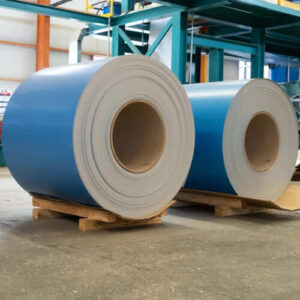
8079 O อลูมิเนียมฟอยล์ขึ้นรูปเย็น

| ชื่อ | 8079 O อลูมิเนียมฟอยล์ขึ้นรูปเย็น |
| ความหนา | 0.01-0.2มม |
| ความกว้าง | 200มม. – 1800มม,ปรับแต่ง |
| พื้นผิว | สว่าง, ขัดเงา, เส้นผม, แปรง, ระเบิดทราย, ตาหมากรุก, นูน, การแกะสลัก, เคลือบ, เป็นต้น. |
| เทคนิค | รีดเย็น ( ซีซี )、การหลอม ( อ )、หล่อ |
8079 O อลูมิเนียมฟอยล์ขึ้นรูปเย็น: การใช้งานในอุตสาหกรรม, คุณสมบัติ, และข้อมูลเชิงลึกของซัพพลายเออร์
อลูมิเนียมฟอยล์ใน 8000 ซีรีส์มีบทบาทสำคัญในบรรจุภัณฑ์สมัยใหม่, อิเล็กทรอนิกส์, และงานอุตสาหกรรม. ในหมู่เหล่านี้, 8079 โลหะผสมโดดเด่นด้วยความสามารถในการขึ้นรูปที่ยอดเยี่ยม, คุณสมบัติอุปสรรค, และเหมาะสมกับกระบวนการขึ้นรูปเย็นที่ต้องการการขึ้นรูปที่ละเอียดอ่อนโดยไม่ทำให้ฟอยล์เสียหาย.
เมื่ออารมณ์เป็น O (อบอ่อน) และผลิตภัณฑ์ได้รับการออกแบบสำหรับการขึ้นรูปเย็น, ผู้ผลิตได้รับวัสดุที่สามารถขึ้นรูปเป็นวัสดุที่ซับซ้อนได้, รูปร่างที่มีความแม่นยำสูงในขณะที่ยังคงรักษาประสิทธิภาพของสิ่งกีดขวางที่มีประสิทธิภาพและน้ำหนักเบา.
บทความนี้จะเจาะลึกถึงสิ่งสำคัญของ 8079 O อลูมิเนียมฟอยล์ขึ้นรูปเย็น, สำรวจเคมีของมัน, คุณสมบัติทางกลและอุปสรรค, การใช้งานทั่วไป, ข้อควรพิจารณาในการผลิต, และมุมมองของซัพพลายเออร์, โดยเน้นการปฏิบัติจริงเกี่ยวกับความน่าเชื่อถือ, คุณภาพ, และคุณค่า.
เรายังแนะนำ ECO Alum, ซัพพลายเออร์มุ่งมั่นที่จะส่งมอบคุณภาพสูง 8079 O อลูมิเนียมฟอยล์ขึ้นรูปเย็นตามขนาด, โดยเน้นไปที่ประสิทธิภาพ, การตรวจสอบย้อนกลับ, และความพึงพอใจของลูกค้า.
คืออะไร 8079 O อลูมิเนียมฟอยล์ขึ้นรูปเย็น?
8079 อลูมิเนียมฟอยล์ขึ้นรูปเย็นหมายถึงอลูมิเนียมฟอยล์ที่ผลิตจากโลหะผสม 8079, โดยมีอุณหภูมิ O แสดงว่าโลหะอยู่ในสถานะอบอ่อน.
คำว่า "การขึ้นรูปเย็น" ในบริบทนี้อธิบายถึงวิธีการผลิตที่ฟอยล์เกิดขึ้นที่อุณหภูมิแวดล้อม มักจะใช้ร่วมกับการรีด, การสร้าง, และขั้นตอนการตกแต่งขั้นสุดท้ายโดยไม่ต้องใช้ความร้อนเพื่อให้ได้รูปทรงสุดท้าย.
ผลที่ได้คือมีความนุ่ม, ฟอยล์ที่ขึ้นรูปได้สูงซึ่งสามารถขึ้นรูปเป็นโปรไฟล์ที่ซับซ้อนได้, ฝาบรรจุภัณฑ์, แมวน้ำ, หรือโครงสร้างกั้นในขณะที่ยังคงรักษาข้อดีของฟอยล์ไว้: ความหนาแน่นต่ำ, กั้นความชื้นและก๊าซได้ดีเยี่ยม, และพื้นผิวเรียบเหมาะสำหรับการประมวลผลขั้นที่สอง, การพิมพ์, และการเคลือบ.
8079 เป็นส่วนหนึ่งของ 8000-ซีรีย์อลูมิเนียม ตระกูล, ซึ่งเป็นโลหะผสมอลูมิเนียมแมงกานีสและอลูมิเนียมแมกนีเซียมที่ออกแบบมาเพื่อให้สามารถขึ้นรูปได้สูงและทนต่อการกัดกร่อนได้ดี.
อารมณ์ O หมายถึงสถานะการอบอ่อนอย่างสมบูรณ์, หมายความว่าฟอยล์มีความเหนียวสูงสุดและมีความแข็งแรงของผลผลิตต่ำที่สุดในบรรดาอุณหภูมิ.
ในแง่การปฏิบัติ, 8079 O ฟอยล์สามารถขึ้นรูปเป็นคุณสมบัติที่ละเอียดอ่อนได้, ขอบคมชัด, และโปรไฟล์ที่ซับซ้อนโดยลดความเสี่ยงของการแตกร้าวหรืองานแข็งตัวระหว่างการขึ้นรูป.
การผสมผสานคุณสมบัตินี้ทำให้ 8079 O อลูมิเนียมฟอยล์ขึ้นรูปเย็น เหมาะสำหรับบรรจุภัณฑ์เฉพาะทาง, การใช้งานด้านเภสัชกรรมและเครื่องสำอาง, และตลาดเฉพาะอื่นๆ ที่การขึ้นรูปที่แม่นยำและประสิทธิภาพของแผงกั้นที่แข็งแกร่งมีความสำคัญ.
ประเด็นสำคัญ:
– 8079 O หมายถึงการอบอ่อน, โลหะผสมฟอยล์ที่ขึ้นรูปได้สูง.
– การขึ้นรูปเย็นหมายถึงการขึ้นรูปฟอยล์ที่อุณหภูมิห้องเพื่อให้ได้รูปทรงที่ซับซ้อนโดยไม่ต้องทำให้ชิ้นงานแข็งตัวมากนัก.
– โลหะผสมถูกเลือกเพื่อความสมดุลของการขึ้นรูป, ประสิทธิภาพของสิ่งกีดขวาง, และเข้ากันได้กับการพิมพ์และการเคลือบ.

ทำไม 8079 O อลูมิเนียมฟอยล์ขึ้นรูปเย็นมีความเกี่ยวข้องกับบรรจุภัณฑ์สมัยใหม่
ในบรรจุภัณฑ์, ฟอยล์จะต้องแสดงในหลายมิติ: ความสมบูรณ์ทางกลระหว่างการขึ้นรูปและการปิดผนึก, การป้องกันสิ่งกีดขวางจากความชื้นและก๊าซ, เข้ากันได้กับการพิมพ์และการเคลือบ, and consistency in thickness and surface finish.
เดอะ 8079 อลูมิเนียมฟอยล์ อารมณ์เข้ากันได้ดีกับกระบวนการที่ต้องขึ้นรูปอย่างระมัดระวัง, เช่น การเกิดฝา, ลายนูน, and three-dimensional wrapping features, โดยไม่สูญเสียประสิทธิภาพของอุปสรรคหรือความสมบูรณ์ของการปิดผนึก. นอกจากนี้:
- แบบฟอร์ม: อุณหภูมิ O ให้การยืดตัวสูงและความแข็งแรงของผลผลิตต่ำ, ทำให้ฟอยล์สามารถขึ้นรูปเป็นรูปทรงที่ซับซ้อนได้โดยมีความเสี่ยงต่อการแตกร้าวหรือฉีกขาดระหว่างการขึ้นรูปน้อยลง.
- คุณสมบัติของสิ่งกีดขวาง: อลูมิเนียมฟอยล์เป็นอุปสรรคหนาแน่นต่อความชื้น, ออกซิเจน, กลิ่น, และแสง. แม้ว่าฟอยล์บางๆ จะไม่ใช่สิ่งกีดขวางที่สมบูรณ์เช่นเดียวกับลามิเนตหลายชั้น, ชั้นอะลูมิเนียมออกไซด์ให้การปกป้องที่ดีเยี่ยม, และประสิทธิภาพการทำงานที่สม่ำเสมอและเชื่อถือได้ตลอดช่วงอุณหภูมิที่หลากหลาย.
- ความสามารถในการพิมพ์และการเคลือบ: สามารถเตรียมพื้นผิวฟอยล์สำหรับการพิมพ์คุณภาพสูงหรือเคลือบเพื่อเพิ่มชั้นกั้นได้. การตกแต่งพื้นผิวของ 8079 โดยทั่วไปแล้วฟอยล์ O จะเรียบ, ช่วยให้สามารถพิมพ์ได้อย่างแม่นยำ, พื้นผิว, หรือการยึดเกาะของสารเคลือบ.
- ความเข้ากันได้กับกระบวนการดาวน์สตรีม: ความนุ่มนวล, สถานะอบอ่อนช่วยลดโอกาสที่งานจะแข็งตัวก่อนวัยอันควร, ทำให้ง่ายต่อการขึ้นรูป, พับ, ผนึก, และตัดโดยไม่เกิดข้อบกพร่อง.
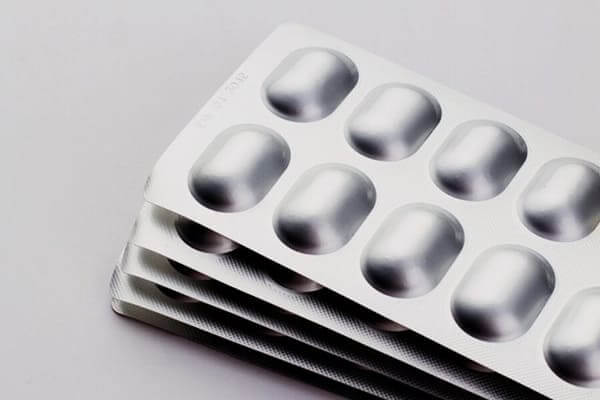
คุณสมบัติเหล่านี้ทำให้ 8079 อลูมิเนียมฟอยล์ขึ้นรูปเย็นเป็นทางเลือกที่เป็นประโยชน์สำหรับการใช้งานบรรจุภัณฑ์เฉพาะทาง, ส่วนประกอบตุ่มยา, และบรรจุภัณฑ์สินค้าอุปโภคบริโภคเฉพาะทางที่ต้องการความแม่นยำและความน่าเชื่อถือ.
คุณสมบัติที่สำคัญของ 8079 o อลูมิเนียมฟอยล์
Understanding the properties of 8079 O อลูมิเนียมฟอยล์ช่วยให้ผู้ซื้อและวิศวกรประเมินความเหมาะสมสำหรับการใช้งานของตน.
รายการต่อไปนี้สรุปลักษณะสำคัญที่มักเกี่ยวข้องกับโลหะผสมและอารมณ์นี้, พร้อมกับความคาดหวังด้านประสิทธิภาพโดยทั่วไปในสถานการณ์การใช้งานทั่วไป.
โลหะผสมและอารมณ์
ล้อแม็ก: 8079 (ระบบ Al-Mn-Mg ที่มีธาตุติดตามเพื่อสร้างสมดุลระหว่างความสามารถในการขึ้นรูปและประสิทธิภาพของอุปสรรค)
อารมณ์โกรธ: อ (อบอ่อน, อ่อนนุ่ม)
สภาพการขึ้นรูป: กระบวนการช่วยขึ้นรูปเย็น (การขึ้นรูปที่อุณหภูมิห้องพร้อมการควบคุมการตกแต่ง)
คุณสมบัติทางกล (ช่วงทั่วไป)
แรงดึง: ต่ำถึงปานกลาง (อารมณ์ O รีด)
ความแข็งแรงของผลผลิต: ต่ำมาก (สอดคล้องกับสถานะการอบอ่อน)
การยืดตัวเมื่อขาด: สูง (สะท้อนความเหนียวในอารมณ์ O)
แบบฟอร์ม: เหมาะอย่างยิ่งสำหรับการสร้างรูปทรงสามมิติที่ซับซ้อนด้วยการควบคุมกระบวนการอย่างระมัดระวัง
ความต้านทานการเจาะ: เพียงพอสำหรับการใช้งานบรรจุภัณฑ์สำหรับผู้บริโภคจำนวนมาก; ฟอยล์ที่หนากว่าแต่ยังคงขึ้นอยู่กับเกจและโครงสร้างรองรับ
คุณสมบัติทางความร้อนและอุปสรรค
การนำความร้อน: Characteristic of aluminum; เหมาะสำหรับการปิดผนึกด้วยความร้อนและการถ่ายเทความร้อนที่ใช้ในบริบทของบรรจุภัณฑ์บางอย่าง
ประสิทธิภาพของสิ่งกีดขวาง: ป้องกันความชื้นได้ดีเยี่ยม, ออกซิเจน, and aromas for practical packaging needs; ปรับปรุงด้วยลามิเนตหรือการเคลือบที่เหมาะสมหากใช้ภายในโครงสร้างหลายชั้น
การปิดผนึกด้วยความร้อน: เข้ากันได้กับเทคโนโลยีการปิดผนึกทั่วไปในบรรจุภัณฑ์; การรักษาพื้นผิวและการเคลือบผิวสามารถเพิ่มประสิทธิภาพความสมบูรณ์ของซีลได้
ลักษณะพื้นผิว
การตกแต่งพื้นผิว: Typically smooth and consistent, with potential for surface treatments (เช่น., ทู่ออกไซด์, เคลือบป้องกัน) depending on customer needs
Printability and coating compatibility: เหมาะสำหรับขั้นตอนการพิมพ์และการสะสม; การเตรียมพื้นผิวช่วยเพิ่มการยึดเกาะของหมึกและสารเคลือบ
ความต้านทานการกัดกร่อน
ประสิทธิภาพการกัดกร่อน: เพียงพอสำหรับสภาพแวดล้อมบรรจุภัณฑ์ทั่วไป; ความต้านทานการกัดกร่อนได้รับอิทธิพลจากองค์ประกอบโลหะผสมและการเคลือบป้องกันหรือลามิเนตที่ใช้
ความเสถียรของมิติ
ความทนทานต่อความหนา: ความคลาดเคลื่อนที่เข้มงวดสามารถทำได้ด้วยการควบคุมการกลิ้งและการตรวจสอบ
ความเสถียรของมิติ: เหมาะสำหรับซีลและปิด; การจัดการอย่างระมัดระวังจะช่วยลดความเสี่ยงของการยับหรือการเสียรูปของขอบ
กระบวนการผลิต: 8079 O อลูมิเนียมฟอยล์ขึ้นรูปเย็น
1) ส่วนผสมและการหล่อโลหะผสม
– กระบวนการเริ่มต้นด้วยการเลือกแท่งอะลูมิเนียมคุณภาพสูงพร้อมส่วนประกอบที่ออกแบบมาเพื่อ 8079 ตระกูล.
– สิ่งเจือปนจะลดลงโดยผ่านการกลั่นและการหล่อ, การวางรากฐานสำหรับพฤติกรรมทางกลที่คาดการณ์ได้และความต้านทานการกัดกร่อน.
2) การทำให้เป็นเนื้อเดียวกันและการรีดล่วงหน้า
– แผ่นคอนกรีตหล่อได้รับการบำบัดด้วยความร้อนที่ทำให้เป็นเนื้อเดียวกันเพื่อลดการกระจายตัวขององค์ประกอบอัลลอยด์.
– จากนั้นจึงเตรียมแผ่นพื้นสำหรับการรีด, พร้อมการทำความสะอาดพื้นผิวและกำจัดตะกรันตามความจำเป็น.
3) Cold rolling to foil gauge
– แผ่นคอนกรีตจะผ่านหลายรอบในโรงรีดเพื่อให้ได้ระดับเป้าหมาย (ความหนา). กระบวนการนี้ใช้การหลอมและการทำความเย็นระดับกลางเพื่อควบคุมความเหนียว.
– สำหรับงานขึ้นรูปเย็น, วัสดุจะถูกเก็บไว้ภายใต้อุณหภูมิที่รองรับการขึ้นรูปที่สำคัญโดยไม่แตกร้าว.
4) การหลอมและการแบ่งเบาบรรเทา (o อารมณ์)
– หลังจากกลิ้งแล้ว, โลหะผสมถูกอบอ่อนเพื่อขจัดการแข็งตัวของงานและคืนความเหนียว, บรรลุอารมณ์ O.
– บรรยากาศอบอ้าว, อุณหภูมิ, และระยะเวลาได้รับการควบคุมอย่างเข้มงวดเพื่อให้แน่ใจว่ามีความนุ่มนวลและขึ้นรูปได้สม่ำเสมอ.
5) การตกแต่งพื้นผิวและการตรวจสอบ
– Surfaces may undergo cleaning, ทู่ออกไซด์, หรือเคลือบป้องกันขึ้นอยู่กับความต้องการของลูกค้า.
– การตกแต่งพื้นผิว, ความสม่ำเสมอของความหนา, และตรวจสอบคุณภาพของขอบ, ด้วยวิธีการไม่ทำลายที่ใช้ในการตรวจจับข้อบกพร่อง.
6) การตัด, คดเคี้ยว, และบรรจุภัณฑ์
– ฟอยล์จะถูกกรีดตามความกว้างที่ลูกค้ากำหนดและพันเข้ากับแกน. มีการใช้บรรจุภัณฑ์ป้องกันและแผงกั้นความชื้นสำหรับการขนส่งและการเก็บรักษา.
– การบรรจุในขั้นสุดท้ายช่วยให้มั่นใจได้ว่าฟอยล์จะไปถึงบริเวณที่ใช้งานโดยปราศจากรอยขีดข่วน, รูเข็ม, or traps for contaminants.
7) Quality control and testing
– การทดสอบแรงดึง, การทดสอบการยืดตัว, oxygen/moisture barrier testing (ในกรณีที่เกี่ยวข้อง), and pinhole inspection are typical QA tests.
– Supplier QA uses process controls, statistical process control (สพีซี), and standard operating procedures (SOP) เพื่อให้แน่ใจว่าสามารถทำซ้ำได้.
Physical and Functional Performance: แบบฟอร์ม, การปิดผนึก, และอุปสรรค
8079 คุณค่าของอลูมิเนียมฟอยล์ O ในการใช้งานขึ้นรูปเย็นเกิดจากการที่คุณสมบัติทางกายภาพและเชิงหน้าที่สอดคล้องกับความต้องการในการผลิตและบรรจุภัณฑ์.
การขึ้นรูปและรูปทรงเรขาคณิต
ความนุ่มนวลของอารมณ์ O ช่วยให้สามารถวาดภาพได้ลึก, ลายนูน, และรูปทรงที่ซับซ้อนโดยไม่แตกร้าว.
การออกแบบอุปกรณ์ติดตั้ง, เครื่องมือทัคเกอร์, และความเร็วการขึ้นรูปจะต้องได้รับการปรับปรุงให้เหมาะสมเพื่อลดการฉีกขาดของขอบและการย่น.
การปิดผนึกและการยึดเกาะ
สำหรับงานบรรจุภัณฑ์ที่ต้องอาศัยการซีลด้วยความร้อน, การตกแต่งพื้นผิวและการเคลือบใดๆ จะส่งผลต่อความแข็งแรงและความสม่ำเสมอของซีล.
ในโครงสร้างลามิเนตหรือหลายชั้น, การยึดเกาะกับชั้นโพลีเมอร์หรือสารเคลือบถือเป็นข้อพิจารณาที่สำคัญ.
ประสิทธิภาพของสิ่งกีดขวาง
อลูมิเนียมฟอยล์เป็นเกราะป้องกันความชื้นที่มีประสิทธิภาพ, ก๊าซ, และกลิ่นหอม. ความหนาและการผสมลามิเนตจะกำหนดคุณสมบัติการกั้นขั้นสุดท้ายของโครงสร้างบรรจุภัณฑ์.
สำหรับบรรจุภัณฑ์ยาหรืออาหาร, การรักษาสิ่งกีดขวางเฉื่อยถือเป็นสิ่งสำคัญในการรักษาคุณภาพผลิตภัณฑ์และอายุการเก็บรักษา.
ความสมบูรณ์ทางกลระหว่างการจัดการ
ความเหนียวของฟอยล์ช่วยรองรับขั้นตอนการขึ้นรูป แต่ต้องใช้ความระมัดระวังเพื่อหลีกเลี่ยงการเกิดรอยยับ, รูเข็ม, หรือขอบชำรุด.
ความต้านทานต่อการเจาะขึ้นอยู่กับความหนาและการแปรรูป; โดยทั่วไปความหนาที่สูงกว่าจะให้ความต้านทานที่ดีกว่า, แต่การปรับกระบวนการให้เหมาะสมยังคงเป็นสิ่งจำเป็นสำหรับฟอยล์บาง ๆ.
Thermal behavior and heat transfer
ค่าการนำความร้อนสูงของอลูมิเนียมรองรับการถ่ายเทความร้อนในกระบวนการซีลความร้อน, การดำเนินการทำความเย็น, or other thermal steps in packaging lines.
Dimensional stability and consistency
ความคลาดเคลื่อนของมิติในด้านความหนาและความกว้างมีความสำคัญอย่างยิ่งต่อการขึ้นรูปและการซีลที่เชื่อถือได้.
ความสม่ำเสมอของโครงสร้างจุลภาคตลอดขดลวดช่วยลดความเสี่ยงของความแปรปรวนเฉพาะที่ ซึ่งอาจส่งผลต่อความสามารถในการพิมพ์หรือการยึดเกาะของสารเคลือบ.
มาตรฐาน, การรับรอง, และการประกันคุณภาพ
For contractors and end users, ทำงานกับ 8079 O อลูมิเนียมฟอยล์ขึ้นรูปเย็นต้องการความมั่นใจในคุณภาพและตรวจสอบย้อนกลับได้.
ซัพพลายเออร์ชั้นนำใช้โปรแกรม QA ที่ครอบคลุม, รวมทั้ง:
- Raw material traceability: ตรวจสอบย้อนกลับได้เต็มรูปแบบตั้งแต่แท่งโลหะผสมไปจนถึงคอยล์สำเร็จรูป, พร้อมด้วยหมายเลขแบทช์และการตรวจสอบองค์ประกอบทางเคมี.
- การควบคุมกระบวนการ: กำหนดการกลิ้งเอกสาร, รอบการหลอม, ขั้นตอนการตกแต่งพื้นผิว, และการตรวจสอบความสม่ำเสมอของคอยล์ต่อคอยล์, รองรับโดยข้อมูล SPC.
- การตรวจสอบและการทดสอบ: การทดสอบแบบไม่ทำลายเป็นประจำ (NDT) สำหรับข้อบกพร่องที่พื้นผิว, รูเข็ม, และคุณภาพของขอบ; มาตรวิทยามิติสำหรับความหนาและความกว้าง; การทดสอบสมบัติทางกลด้านแรงดึงและการยืดตัวตามมาตรฐานภายในหรือวิธีการที่เป็นที่ยอมรับในระดับสากล.
- การเคลือบและการรักษาพื้นผิว: หากใช้การเคลือบหรือลามิเนต, การทดสอบการยึดเกาะ, การวัดความหนาของชั้นเคลือบ, และทำการประเมินความเข้ากันได้กับหมึกและสารเคลือบ.
- การรับรอง: ไอเอสโอ 9001 ระบบการจัดการคุณภาพ, และ ISO ตามหลักการแล้ว 14001 ใบรับรองการจัดการสิ่งแวดล้อม. ขึ้นอยู่กับการใช้งาน (เช่น., บรรจุภัณฑ์ยา), ซัพพลายเออร์อาจรักษาแนวปฏิบัติที่คล้ายกับ GMP หรือการรับรองเฉพาะผลิตภัณฑ์.
บันทึก: มาตรฐานและการรับรองที่แน่นอนอาจแตกต่างกันไปตามซัพพลายเออร์และภูมิภาค. ผู้ซื้อควรขอใบรับรองความสอดคล้องปัจจุบัน, รายงานการทดสอบวัสดุ (MTRS), และเอกสารข้อมูลจำเพาะโดยละเอียดสำหรับการสั่งซื้อแต่ละครั้ง.

การเปรียบเทียบ: 8079 O ฟอยล์กับอลูมิเนียมฟอยล์อื่นๆ
เพื่อช่วยให้ทีมจัดซื้อเลือกฟอยล์ที่เหมาะสมสำหรับงานที่กำหนด, ตารางเปรียบเทียบก็มีประโยชน์. ตารางต่อไปนี้แสดงภาพรวมอย่างง่ายของ 8079 อลูมิเนียมฟอยล์ขึ้นรูปเย็นเมื่อเทียบกับฟอยล์ซีรีส์ 8000 ทั่วไปอื่น ๆ ที่ใช้ในการบรรจุภัณฑ์และการขึ้นรูป. เป้าหมายคือการเน้นจุดแข็งและข้อดีโดยทั่วไปในรูปแบบที่กระชับ.
ตารางเปรียบเทียบ (คุณสมบัติและการใช้งานทั่วไป)
- คอลัมน์: โลหะผสม/เทมเปอร์, ช่วงความหนาทั่วไป, แบบฟอร์ม, สิ่งกีดขวาง (ความชื้น/ออกซิเจน), ข้อควรพิจารณาเกี่ยวกับความร้อน/แรงดึง, การใช้งานทั่วไป, ข้อดีเด่น, ข้อเสียที่น่าสังเกต
- แถว: 8079 อ, 8011 อ, 8006 อ, 8021 อ (เป็นตัวอย่าง)
8079 เกี่ยวกับเทียบกับ 8011 อ
– ช่วงความหนา: 6–40 ไมโครเมตร (8079 อ) เทียบกับ 6–60 µm (8011 อ)
– แบบฟอร์ม: สูง (8079 อ) เทียบกับปานกลางถึงสูง (8011 อ, ขึ้นอยู่กับความหนา)
– สิ่งกีดขวาง: ยอดเยี่ยมทั้งสองอย่าง; 8011 O ถูกนำมาใช้กันอย่างแพร่หลายในบรรจุภัณฑ์ที่มีสิ่งกีดขวางความชื้นที่ดี
– ความร้อน/แรงดึง: คล้ายกับอารมณ์อ่อนไหว; 8011 O อาจมีความแข็งแรงสูงกว่าเล็กน้อยที่เกจหนากว่า
– การใช้งาน: 3ฝา D, บรรจุภัณฑ์แบบพิเศษ, ส่วนประกอบซีลความร้อนเทียบกับกระป๋องเครื่องดื่มหรือบรรจุภัณฑ์แบบยืดหยุ่น
– ข้อดี: ความสามารถในการขึ้นรูปที่เหนือกว่าใน 8079 O สำหรับรูปทรงที่ซับซ้อน; ขอบขึ้นรูปที่สะอาด
– ข้อเสีย: 8011 O อาจเสนอความพร้อมใช้งานที่กว้างขึ้นและเครือข่ายซัพพลายเออร์ที่จัดตั้งขึ้น
8006 เกี่ยวกับเทียบกับ 8079 อ
– ช่วงความหนา: 6–40 ไมโครเมตร (8079 อ) เทียบกับ 6–60 µm (8006 อ)
– แบบฟอร์ม: สูงทั้งคู่; 8006 O อาจแข็งขึ้นเล็กน้อยในเกจที่บางมาก
– สิ่งกีดขวาง: เปรียบเทียบได้
– ความร้อน/แรงดึง: คล้ายกัน; 8006 O may have slightly higher stiffness
– การใช้งาน: บรรจุภัณฑ์อาหาร, การปิดยา (8006 อ) เทียบกับส่วนประกอบการขึ้นรูปเย็นแบบพิเศษ (8079 อ)
– ข้อดี: 8006 O มีประวัติอันยาวนานในด้านบรรจุภัณฑ์ยาและอาหาร; 8079 O excels in deep-draw forming
– ข้อเสีย: 8006 O อาจไม่เหมาะกับคุณสมบัติการขึ้นรูปที่ละเอียดมาก
8079 เกี่ยวกับเทียบกับ 8021 อ
– ช่วงความหนา: 6–40 ไมโครเมตร (8079 อ) เทียบกับ 6–40 µm (8021 อ)
– แบบฟอร์ม: คล้ายกัน, แต่ 8079 O สามารถให้ประสิทธิภาพการวาดลึกที่ดีกว่าได้ในบางกรณี
– สิ่งกีดขวาง: เปรียบเทียบได้
– การใช้งาน: ซีล, หมวกแก๊ป, และเรขาคณิตเฉพาะทาง (8021 O ใช้กันอย่างแพร่หลายสำหรับโครงสร้างบรรจุภัณฑ์)
– ข้อดี: ประสิทธิภาพใกล้เคียงกันโดยมีขอบเล็กน้อย 8079 O สำหรับรูปทรงที่เป็นเอกลักษณ์
– ข้อเสีย: ความพร้อมใช้งานและประวัติการประมวลผลอาจเป็นประโยชน์ 8021 ในบางภูมิภาค
อีโค สารส้ม: บทนำและความสามารถของซัพพลายเออร์
อีโค สารส้ม เป็นผู้ผลิตและจำหน่ายผลิตภัณฑ์อลูมิเนียมฟอยล์โดยมุ่งเน้น 8079 O อลูมิเนียมฟอยล์ขึ้นรูปเย็นและรูปแบบที่เกี่ยวข้อง.
คุณค่าที่นำเสนอมุ่งเน้นไปที่คุณภาพของผลิตภัณฑ์ที่สม่ำเสมอ, การเข้าถึงทั่วโลก, การสนับสนุนด้านเทคนิค, และอุปทานที่เชื่อถือได้. ประเด็นสำคัญของ ECO Alum ได้แก่:
- ช่วงผลิตภัณฑ์และความจุ
- 8079 O ฟอยล์ในหลายเกจ, ความกว้าง, และความยาวคอยล์เหมาะสำหรับการขึ้นรูปเย็น
- วัสดุเสริมและลามิเนตสำหรับระบบบรรจุภัณฑ์ (เมื่อมีการใช้งาน)
- ความยืดหยุ่นเพื่อรองรับการทดลองในล็อตขนาดเล็กและการผลิตขนาดใหญ่
- ความสามารถในการผลิต
- กลิ้งแบบบูรณาการ, การหลอม, จบ, การเคลือบผิว, และสายการบรรจุภัณฑ์
- การตรวจสอบระหว่างกระบวนการโดยมีค่าความคลาดเคลื่อนความหนาที่จำกัด, ความกว้าง, และคุณภาพพื้นผิว
- ความสามารถในการปรับแต่งการรักษาพื้นผิวเพื่อเพิ่มความสามารถในการพิมพ์และการยึดเกาะของการเคลือบ
- คุณภาพและการรับรอง
- ระบบการจัดการคุณภาพตามมาตรฐาน ISO 9001 พร้อมด้วย SOP ที่เป็นเอกสาร
- การตรวจสอบย้อนกลับตั้งแต่วัตถุดิบจนถึงผลิตภัณฑ์สำเร็จรูป, รวมถึง MTR ระดับมาก
- ความสามารถในการให้ข้อมูลการทดสอบของบุคคลที่สามเมื่อมีการร้องขอ (เช่น., แรงดึง, การยืดตัว, ผลการทดสอบที่เกี่ยวข้องกับสิ่งกีดขวาง)
- ความยั่งยืนและห่วงโซ่อุปทาน
- ความมุ่งมั่นในการจัดหาอย่างมีความรับผิดชอบ, ประสิทธิภาพการใช้พลังงาน, และการจัดการขยะ
- ความสัมพันธ์กับซัพพลายเออร์ที่โปร่งใสพร้อมระยะเวลารอคอยสินค้าและการวางแผนการผลิตที่ชัดเจน
- แนวทางปฏิบัติที่คำนึงถึงสิ่งแวดล้อมซึ่งสอดคล้องกับเป้าหมาย CSR ของลูกค้า
- การสนับสนุนลูกค้าและบริการ
- คำแนะนำทางเทคนิคเกี่ยวกับความเข้ากันได้ของกระบวนการ, พารามิเตอร์การขึ้นรูป, และกลยุทธ์การเคลือบ
- โลจิสติกส์ที่ยืดหยุ่น, รวมถึงการส่งมอบทันเวลาและการกระจายสินค้าในระดับภูมิภาค
- โปรแกรมตัวอย่าง, การสนับสนุนการทดสอบ, และการพัฒนาร่วมกันเพื่อการใช้งานใหม่ๆ
ภาพรวมข้อมูลจำเพาะ: ทั่วไป 8079 O อลูมิเนียมฟอยล์ขึ้นรูปเย็น
ต่อไปนี้เป็นเอกสารข้อมูลจำเพาะที่เป็นตัวแทนเพื่อวัตถุประสงค์ในการวางแผน. รับเอกสารข้อกำหนดวัสดุอย่างเป็นทางการจากซัพพลายเออร์เสมอเพื่อการจัดซื้อและการตรวจสอบทางวิศวกรรม.
- ล้อแม็ก: 8079
- อารมณ์โกรธ: อ (อบอ่อน)
- วัด (ความหนา): 6–40 ไมโครเมตร (typical range for forming applications)
- ความกว้าง: 200–1700 มม (ทั่วไป, ขึ้นอยู่กับโรงสี)
- การตกแต่งพื้นผิว: ขัดเงา/สว่างหรือด้าน ขึ้นอยู่กับการประมวลผล; มีการรักษาพื้นผิวหากจำเป็น
- สารเคลือบ: ชั้นป้องกันหรือการเคลือบเสริมเพื่อเพิ่มสิ่งกีดขวางหรือความเข้ากันได้ของกาว
- คุณสมบัติทางกล (ช่วงทั่วไป):
- แรงดึง: ต่ำ (อบอ่อน)
- ความแข็งแรงของผลผลิต: ต่ำมาก (อบอ่อน)
- การยืดตัว: สูง (บ่งบอกถึงความเหนียว)
- คุณสมบัติของสิ่งกีดขวาง: กั้นความชื้นและก๊าซได้ดีเยี่ยมเพื่อวัตถุประสงค์ในการบรรจุหีบห่อ; enhanced or tailored in laminates
- ความเข้ากันได้ของซีลความร้อน: เหมาะกับกระบวนการปิดผนึกด้วยความร้อนมาตรฐานเมื่อใช้ในชั้นเดียวหรือชั้นลามิเนต
- การรักษาพื้นผิว: เข้ากันได้กับหมึกพิมพ์และสารเคลือบ; finish and adhesion depend on the coating system
- ความคลาดเคลื่อน: ความคลาดเคลื่อนของความหนาที่แน่นสามารถทำได้ด้วยการรีดและการควบคุมคุณภาพที่แม่นยำ
- บรรจุภัณฑ์: Coil in moisture-protective packaging; vacuum-sealed or desiccated options if required
- การรับรอง: ไอเอสโอ 9001; product test reports available; การตรวจสอบย้อนกลับของวัสดุ
บันทึกอุตสาหกรรม:
– The exact numbers vary per customer, ม้วน, และกระบวนการ; ขอเอกสารข้อมูลและบันทึกแบทช์เพื่อตรวจสอบผลิตภัณฑ์สำหรับแอปพลิเคชันของคุณ.
– For critical medical or pharmaceutical uses, ตรวจสอบความเข้ากันได้กับข้อกำหนดด้านกฎระเบียบและรับเอกสารสนับสนุนจากซัพพลายเออร์.
การประมวลผลและการจัดการ: แนวปฏิบัติสำหรับ 8079 O อลูมิเนียมฟอยล์ขึ้นรูปเย็น
พารามิเตอร์การขึ้นรูป
Use forming tools and dies designed for soft, annealed foil to reduce edge tears.
ควบคุมความเร็วการขึ้นรูปเพื่อลดการแข็งตัวของชิ้นงานและข้อบกพร่องที่พื้นผิว.
ปรับการหล่อลื่นและการสัมผัสพื้นผิวให้เหมาะสมเพื่อลดแรงเสียดทานและป้องกันความร้อนเฉพาะที่.
การพิมพ์และการเคลือบ
หากพิมพ์บน 8079 โอ้ฟอยล์, เลือกหมึกและสารเคลือบที่เข้ากันได้กับอลูมิเนียมและโครงสร้างลามิเนตขั้นสุดท้าย.
อาจจำเป็นต้องปรับสภาพพื้นผิวเพื่อเพิ่มการยึดเกาะและคุณภาพการพิมพ์.
ทดสอบการยึดเกาะและความคงทนของสีในการพิมพ์ภายใต้สภาวะแวดล้อมที่คาดหวัง.
การปิดผนึกด้วยความร้อนและการเคลือบ
สำหรับชุดประกอบที่ปิดผนึกด้วยความร้อน, ปรับเทียบอุณหภูมิการซีลและเวลาในการคงตัวเพื่อหลีกเลี่ยงความเสียหายจากฟอยล์.
ในลามิเนต, ตรวจสอบให้แน่ใจว่าระบบกาวเข้ากันได้กับอลูมิเนียมและชั้นโพลีเมอร์ใดๆ.
ตรวจสอบความสมบูรณ์ของตะเข็บภายใต้สภาวะการจัดเก็บทั่วไปและสถานการณ์การใช้งานผลิตภัณฑ์.
การจัดเก็บและการจัดการ
เก็บให้ห่างจากสภาพแวดล้อมที่มีฤทธิ์กัดกร่อนและความชื้นสูง; เก็บคอยล์ไว้ในบรรจุภัณฑ์เดิมจนกว่าจะใช้งาน.
หลีกเลี่ยงการจัดการเชิงกลที่อาจก่อให้เกิดความเสียหายหรือรอยพับที่ขอบ.
ใช้ขั้นตอนการจัดการเชิงป้องกันเพื่อรักษาคุณภาพพื้นผิวและความเสถียรของมิติ.
Quality control during procurement
Request incoming inspection data, รวมทั้งความหนาด้วย, ความสม่ำเสมอของความกว้าง, และสภาพพื้นผิว.
ยืนยันว่าซัพพลายเออร์จัดเตรียม MTR ระดับแบทช์และเอกสารความเหมาะสมในการใช้งานขั้นสุดท้าย.
พิจารณาการทดสอบนำร่องเบื้องต้นเพื่อตรวจสอบประสิทธิภาพการขึ้นรูปและความสมบูรณ์ของการปิดผนึกก่อนการขยายขนาด.
ความปลอดภัยและการปฏิบัติตามข้อกำหนด
ปฏิบัติตามแนวทางมาตรฐานด้านความปลอดภัยในการทำงานในการจัดการฟอยล์โลหะเพื่อหลีกเลี่ยงบาดแผลและการบาดเจ็บ.
ตรวจสอบให้แน่ใจว่าปฏิบัติตามข้อกำหนดด้านสิ่งแวดล้อมและกฎระเบียบสำหรับตลาดเฉพาะของคุณ (การรีไซเคิล, การกำจัด, และการจัดการขยะ).
คำถามที่พบบ่อยเกี่ยวกับ 8079 O อลูมิเนียมฟอยล์ขึ้นรูปเย็น
คืออะไร 8079 O อลูมิเนียมฟอยล์?
8079 is an aluminum alloy in the 8000-series family. The O temper denotes an annealed, สภาพนุ่มนวล. When used in cold forming applications, ฟอยล์ผ่านกระบวนการรักษาความเหนียวสูงเหมาะแก่การขึ้นรูปเป็นรูปทรงที่ซับซ้อน.
อะไร “การขึ้นรูปเย็น” mean in aluminum foil production?
การขึ้นรูปเย็นหมายถึงการขึ้นรูปและขึ้นรูปฟอยล์ที่อุณหภูมิห้อง, โดยไม่ต้องทำงานร้อน. กระบวนการนี้อาศัยความเหนียวของฟอยล์เพื่อให้ได้รูปทรงที่ซับซ้อนในขณะที่ยังคงรักษาประสิทธิภาพของสิ่งกีดขวาง.
What are typical applications for 8079 O อลูมิเนียมฟอยล์ขึ้นรูปเย็น?
Applications include packaging lids and closures, ส่วนประกอบบรรจุภัณฑ์พิเศษที่ต้องการการขึ้นรูปที่แม่นยำ, และบรรจุภัณฑ์ของผลิตภัณฑ์อื่นๆ ที่ต้องมีพิกัดความเผื่อต่ำและประสิทธิภาพของสิ่งกีดขวางที่แข็งแกร่งเป็นสิ่งสำคัญ.
คุณสมบัติหลักที่ต้องพิจารณาเมื่อเลือกคืออะไร 8079 โอ้ฟอยล์?
แบบฟอร์ม (ductility and edge quality), thickness and width tolerances, ประสิทธิภาพของสิ่งกีดขวาง, ความเข้ากันได้ของซีลความร้อน, printability and coating compatibility, และความเข้ากันได้กับระบบลามิเนตหรือบรรจุภัณฑ์เป้าหมาย.
How does ECO Alum support customers seeking 8079 O อลูมิเนียมฟอยล์ขึ้นรูปเย็น?
ECO Alum จัดให้มีผลิตภัณฑ์พร้อมจำหน่าย, คำแนะนำทางเทคนิค, การทดสอบตัวอย่าง, และบริการห่วงโซ่อุปทานแบบครบวงจร. พวกเขาเน้นการตรวจสอบย้อนกลับ, ประกันคุณภาพ, และการสนับสนุนลูกค้าสำหรับความต้องการเฉพาะของแอปพลิเคชัน.
ฉันจะตรวจสอบซัพพลายเออร์ของ 8079 โอ้ฟอยล์?
ประเมินข้อกำหนดทางเทคนิค, ตรวจสอบรายงานการทดสอบวัสดุ (MTRS), ขอตัวอย่างคอยล์เพื่อทดสอบการขึ้นรูป, ตรวจสอบใบรับรอง (เช่น., ไอเอสโอ 9001), และยืนยันระยะเวลารอคอย, โลจิสติกส์, และการสนับสนุนหลังการขาย.
สามารถ 8079 O ฟอยล์ถูกนำมาใช้ในบรรจุภัณฑ์หลายชั้น?
ใช่. ในระบบบรรจุภัณฑ์จำนวนมาก, อลูมิเนียมฟอยล์ทำหน้าที่เป็นชั้นกั้นภายในลามิเนตหรือโครงสร้างหลายชั้น. ความเข้ากันได้ของฟอยล์กับกาว, โพลีเมอร์, หมึก, และการเคลือบถือเป็นสิ่งสำคัญสำหรับประสิทธิภาพโดยรวมของบรรจุภัณฑ์.
บทสรุป
8079 อลูมิเนียมฟอยล์ขึ้นรูปเย็น O เป็นตัวเลือกวัสดุพิเศษที่ผสมผสานความสามารถในการขึ้นรูปที่ยอดเยี่ยมเข้ากับคุณสมบัติการกั้นที่เชื่อถือได้, ทำให้เหมาะสำหรับรูปทรงบรรจุภัณฑ์ที่ซับซ้อนและการใช้งานที่ต้องการความแม่นยำและความสม่ำเสมอ.
เมื่อเลือกฟอยล์นี้, ผู้ซื้อควรคำนึงถึงระบบบรรจุภัณฑ์ทั้งหมด, including laminates, การเคลือบ, หมึก, และเทคโนโลยีการซีล.
เดอะ 8079 ความเหนียวของอุณหภูมิทำให้ได้รูปทรงที่ซับซ้อน, ในขณะที่ฐานอะลูมิเนียมเป็นตัวกั้นที่แข็งแกร่งและเข้ากันได้กับกระบวนการดาวน์สตรีมที่หลากหลาย.
พันธมิตรซัพพลายเออร์อย่าง ECO Alum สร้างมูลค่าเพิ่มผ่านความสามารถเฉพาะด้านในการผลิต, การประกันคุณภาพ, และความน่าเชื่อถือของห่วงโซ่อุปทาน.
โดยจัดให้มีการตรวจสอบย้อนกลับ, testing data, and technical guidance, ซัพพลายเออร์เหล่านี้ช่วยให้ลูกค้าเปลี่ยนจากแนวคิดไปสู่ผลิตภัณฑ์ที่ผ่านการตรวจสอบด้วยความมั่นใจ.
สำหรับวิศวกรและทีมงานจัดซื้อ, การประเมินแบบมีโครงสร้างที่ปรับคุณสมบัติของฟอยล์ให้สอดคล้องกับข้อกำหนดของกระบวนการ ซึ่งได้รับการสนับสนุนจากการทดลองนำร่องและการทดสอบในห้องปฏิบัติการ ช่วยให้มั่นใจได้ว่า 8079 อลูมิเนียมฟอยล์ขึ้นรูปเย็น O มอบประสิทธิภาพตามที่คาดหวังในสภาพแวดล้อมบรรจุภัณฑ์ในโลกแห่งความเป็นจริง.
ในขณะที่ตลาดพัฒนาไปสู่โซลูชันบรรจุภัณฑ์ที่ซับซ้อนมากขึ้น, 8079 อลูมิเนียมฟอยล์ขึ้นรูปเย็น O มีการผสมผสานความสามารถในการขึ้นรูปได้จริง, ประสิทธิภาพของสิ่งกีดขวาง, และเข้ากันได้กับสายการผลิตที่ทันสมัย.
ด้วยการคัดสรรวัสดุอย่างพิถีพิถัน, การเพิ่มประสิทธิภาพกระบวนการ, และความร่วมมือของซัพพลายเออร์, ฟอยล์นี้สามารถเป็นรากฐานสำคัญของบรรจุภัณฑ์คุณภาพสูงและการปกป้องผลิตภัณฑ์ในอุตสาหกรรมที่หลากหลาย.