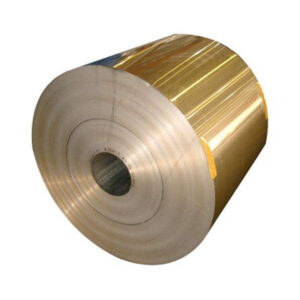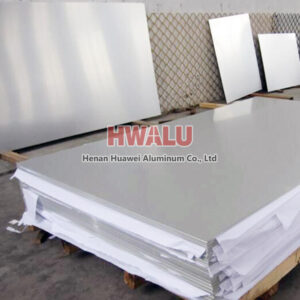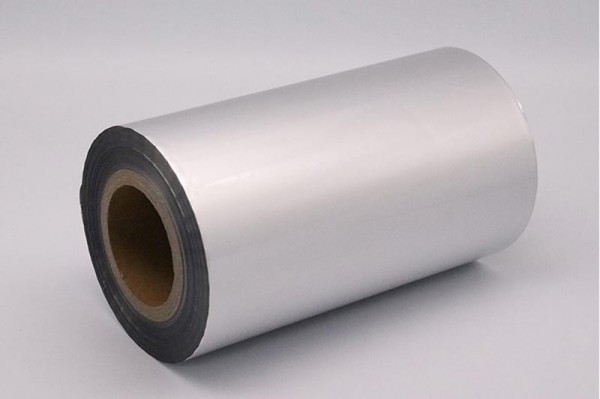



8011 O Ubushushu 0.010mm Ifoyile yeAluminiyam yaseKhaya


8011 O Ubushushu 0.010mm Ifoyile yeAluminiyam yaseKhaya
1. Intshayelelo
Kwimeko yokupheka yangoku, ikhitshi yanamhlanje iye yavela kwindawo apho ukusebenza kuhambelana nokuchaneka. Phakathi kwezigidigidi zezixhobo kunye nezincedisi eziququzelela le nguqulelo, Ifoyile ye-aluminiyam yasekhaya ibonakala njenge-asethi eyimfuneko. Ayisengomathiriyeli nje wokusonga; yinxalenye ebalulekileyo yogcino lokutya, ukupheka, kunye nokugcinwa.
Ngaphakathi kwendawo ye-alloys ye-aluminium, 8011Izimise njengomgangatho wegolide wefoyile yasekhaya ngenxa yokwakheka kwayo okugqwesileyo kunye neempawu zothintelo. Ngqo, i 8011 O umsindo (Wanqwala)Ukwahluka kunika ibhalansi egqibeleleyo yokuthamba kunye namandla. Xa iveliswa kwingcaciso ecwecwe kakhulu ye 0.010mm, le foil imele incopho ye-lightweight, isebenza kakuhle emalini, kunye nezisombululo zasekhitshini ezisebenza kakhulu. Eli nqaku lingena nzulu kwiimpawu, ukuvelisa, izicelo, kunye neenzuzo ze 8011 O Ubushushu 0.010mm yefoyile ye-aluminiyam yasekhaya.

2. Yintoni i 8011 O Ubushushu bendlu yeAluminiyam yeFoil?
Ukuqonda ukuba kutheni le mveliso ikhethekileyo ilawula imarike, umntu kufuneka ajonge i-synergy phakathi kokwakhiwa kwe-alloy, isimo somsindo, kunye neenkcukacha zobukhulu.
2.1 Intshayelelo ku 8011 Ingxubevange yeAluminiyam
8011 yinxalenye Al-Fe-Si series (Aluminiyam-Iron-Silicon), eyenzelwe ngokukodwa ukuqengqeleka kumaphepha amancinci kunye nefoyile.
- Ukwakhiwa kweekhemikhali:Ngokuqhelekileyo yenziwe ngeAluminiyam (>98%), nge Iron (Fe) kunye neSilicon (Kwaye) njengezona zinto ziphambili zokuhlanganisa. Ubukho be-Fe kunye ne-Si bongeza amandla okuqina ngaphandle kokubeka esichengeni i-ductility kakhulu.
- Iimpawu:Iyaziwa ngeempawu zayo ezibalaseleyo zokuthambisa, ukuxhathisa kakuhle kokubola, kunye nobude obuphezulu.
- Ukuthelekisa:Ngokungafaniyo 1235 (isetyenziswa rhoqo kwi-capacitors okanye iiteyiphu) okanye 8079 (eyaziwa ngokuba namandla aphezulu kwi-heavy-duty applications), 8011 inikeza ukuthamba okufanelekileyo okufunekayo ekusongelweni kwasekhaya kunye nokusonga.
2.2 Ukuqonda O Temper (i-Anealed State)
I “O” kwi-O Temper imele I-anjiwe ngokupheleleyo.
- Inkqubo yokuAnela:Emva kwenkqubo ebandayo yokuqengqeleka, i-aluminiyam ithatha inkqubo yonyango lobushushu (ukungqungqa) apho ifudunyezwa kwiqondo lobushushu elithile ize ipholiswe kancinane. Oku kuhlaziya kwakhona ubume bengqolowa.
- Izinto eziluncedo kwiSoft State:Isiphumo yifoyile ephephetheka kakhulu, ethambileyo, kunye ne-ductile. Inokugotywa, isongelwe, kwaye ishwabene ngaphandle kokubuya umva, iyenza igqibelele ukusonga ukutya okumile ngendlela engaqhelekanga.
- Impembelelo ekuSetyenzisweni:Kubasebenzisi basekhaya, oku kuthetha ukuba ifoyile ihambelana ngokulula nokumila kokutya, ukuqinisekisa itywina eliqinileyo lokutsha.
2.3 Ukubaluleka kwe-0.010mm Ukutyeba
Kwi-0.010mm (10 iimicrons), sijonge kwifoyile yegeyiji ekhanyayo.
- Ultra-Thin Izibonelelo:Obu bunzima banele kwiimfuno ezininzi zekhaya ngelixa kuncitshiswa ukusetyenziswa kwezinto.
- Ikhaphukhaphu & UPhuculo lweendleko: Ukuncipha kwempahla ekrwada kuthetha iindleko ezisezantsi zemveliso kunye nemveliso elula, ukunciphisa iindleko zokuthumela kunye ne-carbon footprint.
- Ukuhambelana: I-foil encinci ithambile ngakumbi kwaye ibonelela ngonxibelelwano olungcono nomphezulu wokutya, ukunyusa ukuhanjiswa kobushushu ngexesha lokupheka kunye nokukhuselwa ngexesha lokugcinwa.
3. Iimpawu zokuSebenza ezingundoqo
Ukuthandwa kwe 8011 I-O Temper 0.010mm ifoyile iqhutywa yiseti yeemetrikhi zokusebenza ezinamandla:
3.1 IiPropati zoMthintelo oPhezulu
Ifoyile yeAluminiyam ayinamanzi. Kwi-0.010mm, isebenza njengomqobo opheleleyo ngokuchasene:
- Ukufuma:Ithintela ukuphelelwa ngamanzi emzimbeni.
- I-oxidation:Igcina amanqatha ukuba angahambi.
- Amavumba:Iqulethe ivumba elinamandla ngaphakathi kwiphakheji.
- Ukukhanya:Ikhusela izondlo kunye neencasa ezingevani kukukhanya.
3.2 Ukuguquguquka okugqwesileyo kunye nokuQuquleka
Ndiyabulela ku-O Temper, ifoyile kulula ukuyisonga kunye nokuyisebenzisa. Ayikrazuki lula xa isonga iikona okanye amathambo enyama, ukuqinisekisa ukuba iphakheji ihlala injalo.
3.3 Ukhuseleko kunye nococeko
- IBanga lokutya: 8011 ingxubevange ayinatyhefu kwaye ayinavumba.
- Ukuthotyelwa kweMigangatho:Idibana nemigangatho engqongqo yamazwe ngamazwe (I-FDA, i-EU) ukudibana ngqo nokutya, ukuqinisekisa ukuba akukho zinto ziyingozi zifudukela ekutyeni.
3.4 Okugqwesileyo kwe-Thermal Conductivity
- Nditsho noBhaka:Kwii-oveni, inceda ukusasaza ubushushu ngokulinganayo malunga nokutya.
- Ukupheka / i-BBQ:Ikhusela ukutya kwidangatye elithe ngqo ngelixa ivalela kwiijusi.
- Ukusebenza kakuhle:Yehlisa ixesha lokupheka ngokujolisa ubushushu kwindawo yokutya.
3.5 Ukunyangwa kokuMhlwa
Umaleko we-oxide wendalo kumphezulu we-aluminiyam wenza ukuba unganyangeki kwii-asidi ezininzi ezifumaneka ekutyeni, kunye neetyuwa kunye namafutha, ukuba inqanaba le-pH alinayo i-asidi ngokugqithisileyo okanye i-alkaline kwixesha elide.
4. Inkqubo yokuVelisa
Ukuvelisa i-foil ye-0.010mm engenasiphako kufuna ubunjineli obuchanekileyo:
- UKhetho lweMathiriyeli ekrwada:Ii-ingots ze-aluminiyam ezicocekileyo zikhethiweyo. Umlinganiselo we-Fe ukuya kwi-Si ulawulwa ngokungqongqo ukuqinisekisa ukuba i-foil ayiqhekeki ngexesha lokuqengqeleka.
- Ukunyibilika kunye nokuCasa:Intsimbi iyanyibilika kwaye iphoswe kwii-slabs ezinkulu (slabs okanye billets).
- Ishushu eshushu & Ukuqengqeleka kubandayo:I-slab igoqwe phantsi kwikhoyili ejiyileyo, emva koko wadlula kuthotho lwezingqusho ezibandayo zokusila ukunciphisa ubukhulu ngokuqhubekayo.
- Ukungqungqa (O umsindo):I-foil esongwayo ifakwe kwiziko lokutshisa. Ulawulo oluchanekileyo lobushushu lubalulekile apha ukuze kuphunyezwe “O” chaza ukuthamba ngaphandle kokubangela ukukhula okugqithisileyo kweenkozo.
- I-Foil Rolling (Ukuqengqeleka kabini okubandayo):Ukufezekisa i-0.010mm, Imigangatho emibini idla ngokusongwa kunye (ukuphinda kabini) baze bahlukane, kubangele imiqulu emibini yefoyile ebhityileyo kakhulu.
- Ukuqhawula kunye noNyango loMphezulu:Iijumbo rolls zinqunyulwa zibe ngububanzi obufunwayo (I-E.G., 300mm, 450mm). Unyango lomphezulu lunokubandakanya uhlengahlengiso lokuthambisa ukuthintela ukuncamathela.
- Ukuhlolwa koMgangatho:Ibhetshi nganye ivavanyelwa ukufana kobukhulu, umngxuma wokubala, tensile strength, kunye nobude.
5. IiNkcazo zeMveliso
| Into | Inkcazo |
|---|---|
| Ingxubevange | 8011 |
| Ukucaphuka | O (Ifakwe ngokupheleleyo / ithambile) |
| Ukutyeba | 0.010mm (10 IiMicrons) |
| Ububanzi | 200mm - 600mm (Ngokuqinisekileyo) |
| I-Core Inner Diameter | 76mm (3 intshi) / Isiko |
| Umphezulu | Icala elinye eliqaqambileyo, elinye icala matte (Umgangatho) |
| Elongation | ≥ 15% – 20% |
| Tensile strength | 60-100 MPa |
| Amakhonkco | ≤ 50 / m² (Isiqhelo kwibakala lasekhaya) |
| Isicelo | Usapho, Ikhitshi, Ukusonga Ukutya |
6. Izicelo eziphambili
Ubuninzi be-0.010mm 8011 ifoyile iyenza ibe yeyona nto iphambili kwiimeko ezahlukeneyo:
6.1 Ikhitshi Lasekhaya
- Ukusonga:Iisandwich, okuseleyo, itshizi, kunye nemifuno.
- Ukupheka:Ukufaka iitreyi zokubhaka (ukucoca lula), ukugquma iinkukhu ngelixa zojiweyo ukunqanda ukutsha.
- Ugcino:Ukugcina ukutya kusitsha efrijini okanye kwisikhenkcisi.
6.2 Ishishini lokutya
- Yise kude:Isetyenziselwa ukusonga i-burgers, iiburritos, kunye nezantsi ukugcina ubushushu.
- I-Insulation:Ukugquma izitya ezitshisayo ukugcina ukutya kushushu.
6.3 Ukupakishwa kokutya okuFriziweyo
Ukukwazi ukumelana namaqondo obushushu aphantsi ngaphandle kokuba brittle kuyenza ilungele ukupakishwa kokutya okunomkhenkce.
6.4 Ukubhaka & Grill
Kubalulekile kwi “kwifoyile” ukupheka (ukupheka kwipakethi) kunye nokusonga umbona, iitapile, okanye intlanzi kwi-grill ye-BBQ.
6.5 Ubomi bemihla ngemihla obusetyenziswayo
Ngaphaya kokutya, isetyenziselwa ukulola izikere (umaleko osongiweyo), ukucoca igrill grates (ibholile), kwaye nanjengefuneli yethutyana.
7. Iingenelo Ngaphezu Kwezinye Izinto
Ukuthelekisa: 8011 I-Aluminium foil vs. Ifilimu yePlastiki yokubambelela
| Inqaku | 8011 Ifoyile yeAluminiyam | Ifilimu yePlastiki yokubambelela |
|---|---|---|
| Ukumelana nobushushu | Egqwesileyo (I-oveni / i-BBQ ikhuselekile) | Ubuhlwempu (Inyibilika ngokulula) |
| Iipropati zoMthintelo | 100% Ukukhanya, Irhasi, Ubungqina bokufuma | Ukwazi ukungena kwiigesi |
| Impembelelo yokusingqongileyo | Hlaziya (Ngokungenasiphelo) | Ihlala iphelela kwindawo yokulahla inkunkuma |
| Ugcino | Iphezulu (Iibhloko ukukhanya / ioksijini) | Ngokulinganiselweyo |
| Ukuqina | Ubambe imilo (inokubunjwa) | Ukuqhwalela, ixhomekeke ekufunxeni |
Ukuthelekisa nezinye iAluminiyam Alloys
- vs. 1235: 1235 icocekile kodwa ithambe kwaye ayithambeki kancinci; 8011 inikeza amandla angcono obunzima obufanayo.
- vs. 8079: 8079 yomelele kwaye isetyenziselwa ifoyile yamashishini enzima; 8011 yonga ngakumbi kwaye ibhetyebhetye kusetyenziso lwasekhaya.
8. Imigangatho yamazwe ngamazwe & Iziqinisekiso
Ukuqinisekisa ukwamkelwa kweemarike zehlabathi, umgangatho ophezulu 8011 ifoyile ibambelela kuyo:
- I-FDA (I-U.S. Ukutya kunye nolawulo lweziyobisi):Ukuthobela 21 I-CFR yezinto zoqhagamshelwano zokutya.
- ISO 9001:IiNkqubo zoLawulo loMgangatho.
- Uvavanyo lwe-SGS: Ukuqinisekiswa komntu wesithathu komxholo wentsimbi enzima kunye nemida yokufuduka.
- RoHS:Ukuthintelwa kwezinto ezinobungozi.
9. Imfuno yeMarike & IiNdlela zoShishino
9.1 Uhlalutyo lweMarike yeHlabathi
Imfuno yefoyile ye-aluminium yendlu iyenyuka, ngakumbi kwiimarike ezivelayo e-Asia naseMzantsi Melika, iqhutywa kukufudukela kwabantu ezidolophini kunye nokukhula kwe “ilungele ukutyiwa” inkcubeko.
9.2 I-Eco-Friendly Packaging Trend
Ngokutyhalwa kwehlabathi ngokuchasene nokusetyenziswa kweplastiki enye, ifoyile yealuminiyam ifumana ukutsaleka kuba injalo 100% inokuphinda isetyenziswe ngaphandle kokulahlekelwa ziipropati.
9.3 Uphuhliso lwe-Ultra-Thin Foil
Abavelisi batyhala imida ukuvelisa iifoyile ezibhityileyo (njenge 0.008mm okanye 0.009mm) ukugcina izixhobo, kodwa i-0.010mm ihlala iyindawo emnandi yokuqina vs. uqoqosho.
9.4 Ikamva eliZinzileyo
Ujoliso lutshintshela ngakwicala “IAluminiyam eluhlaza”-eveliswe ngokusebenzisa amandla avuselelekayo-ukunciphisa i-carbon footprint yemveliso ye-foil.
10. Indlela yokukhetha umgangatho ophezulu 8011 I-Foil yasekhaya
Ayizizo zonke iifoyile ezenziwe ngokulinganayo. Nantsi indlela yokukhetha eyona ilungileyo:
- Umgangatho womphezulu:Khangela iyunifomu yokugqiba. Ngelixa elinye icala liqhele ukubengezela, kufuneka kungabikho streaks, amabala, okanye amabala amnyama.
- Ukutyeba Ukufana:Vula icandelo. Ifanele ivakale ingaguquguquki; ukuba amanye amalungu aziva ebhityile kakhulu okanye akrazuka ngokulula, inkqubo yokuqengqeleka yayingangqinelani.
- Khangela i-Pinhole:Yibambe kwisibane. Imingxunya embalwa emincinci iqhelekile kwi-0.010mm, kodwa imingxuma emikhulu ibonisa umgangatho ophantsi.
- Isidima Brand: Khetha abavelisi ababonelela ngamaxwebhu esatifikethi kwaye babe nerekhodi yolawulo lomgangatho.
11. Imibuzo ebuzwa qho (FAQ)
Q1: I 8011 O Ifoyile ye-aluminiyam yobushushu ikhuselekile kuqhagamshelwano oluthe ngqo lokutya?
Ewe, ngokupheleleyo. Yimpahla yebakala lokutya ehambelana ne-FDA kunye nemithetho ye-EU.
Q2: Ngaba yi-0.010mm yefoyile encinci kakhulu? Ngaba iya kuphuka lula?
Isetyenziselwa ikhaya (Ukusonga iisandwich, Ukugubungela izitya), 0.010mm igqibelele. Yomelele ngokwaneleyo kule misebenzi kodwa ibhityile ngokwaneleyo ukuba ingabunjwa lula.
Q3: Yintoni umahluko phakathi 8011 kwaye 8079 ifoyile?
8011 yeyokupakishwa kwekhaya kunye nesiqhelo kunye nokwakheka okuhle. 8079 yomelele kwaye isoloko isetyenziselwa iipakethe zamadyunguza amayeza okanye iilitha zemizi-mveliso enzima.
Q4: Ngaba ndingayifaka le foyile kwi-oveni?
Ewe. 8011 ifoyile inokumelana namaqondo obushushu ukuya kuma 660°C (Indawo yokunyibilika), nangona ukusetyenziswa kwe-oveni eqhelekileyo kungaphantsi koku. Kulumkele ukunxibelelana ngqo nezinto zokufudumeza.
Q5: Ngaba ifoyile yealuminiyam ihambelana nokusingqongileyo?
Ewe. Ialuminiyam yenye yezona zinto zisetyenzisiweyo emhlabeni. Ukurisayikilisha ialuminiyam kusetyenziswa kuphela 5% amandla afunekayo ukwenza ialuminiyam entsha.
Q6: Ndazi njani ukuba i-foil isemgangathweni olungileyo?
Jonga ukolula. I-O Temper foil elungileyo yolula kancinane ngaphambi kokukrazula. Ukuba ithe kratya ngoko nangoko, inokuba kumsindo onzima (H22/H24) okanye ezikumgangatho ophantsi.
12. Ukuqukumbela
8011 O Ubushushu 0.010mm Ifoyile yeAluminiyam yaseKhayaimele ukuhlangana okugqibeleleyo kwesayensi yezinto kunye nokusetyenziswa kwemihla ngemihla. Indibaniselwano yayo eyodwa ye 8011 amandla e-alloy, ukuba bhetyebhetye kwe-O Temper, kunye nokusebenza kakuhle kobukhulu be-0.010mm kuyenza ibe sisixhobo esingenakuthelekiswa nanto ekhitshini.
Njengoko ihlabathi lisiya ekupakishweni okuzinzileyo nokusebenzayo, eli bakala lithile lefoyile ye-aluminiyam iyaqhubeka nobungqina bexabiso layo-hayi nje njengesonga, kodwa njengenxalenye ebalulekileyo yokhuseleko lokutya, lula, kunye nokugqwesa kwezokupheka. Nokuba ungumninimzi, kumpheki, okanye umenzi wokutya, ukukhetha umgangatho ophezulu 8011 ifoyile linyathelo elisingise kulawulo olungcono lokutya kunye noxanduva lokusingqongileyo.