
Why the Engineering Industry Prefers 5052 Aluminum Foil for Medium-High Strength Applications
1: Introduction
In modern engineering and manufacturing, the demand for lightweight, corrosion-resistant, and mechanically robust materials is growing rapidly. Industries ranging from aerospace, automotor, and marine, to chemical processing, require materials that can withstand medium-high stress levels while being lightweight and formable. Traditional materials, such as mild steel, are strong but heavy and prone to corrosion, whereas softer aluminum alloys offer corrosion resistance and formability but lack sufficient strength for structural applications.
This has created a niche for 5052 ju'un aluminio, an Al-Mg alloy that combines medium-high tensile strength, excellent corrosion resistance, and outstanding formability, making it ideal for engineering applications where both performance and cost-efficiency are critical.
Key trends driving the adoption of 5052 aluminum foil include:
- Lightweighting Requirements:
Reducing structural weight is crucial for energy efficiency and cost reduction. 5052 foil enables lightweight construction without compromising structural integrity. - Corrosive Environment Resistance:
Engineering components often operate in marine, químico, or high-humidity conditions. 5052 foil resists pitting and general corrosion, extending component life. - Complex Geometry Needs:
Modern designs demand materials that can undergo deep drawing, spinning, stamping, and bending without cracking, which 5052 foil can accommodate due to its excellent ductility. - Lifecycle Cost Optimization:
Beyond initial material cost, long-term maintenance and operational costs influence material selection. 5052 aluminum foil reduces these costs through durability and corrosion resistance. - Sustainability and Regulatory Compliance:
Peso ligero, reciclable, and durable materials like 5052 align with environmental standards and sustainable engineering practices.
The article will explore why 5052 aluminum foil has become a preferred material for medium-high strength applications, covering:
- Material properties and mechanical advantages
- Engineering benefits and application cases
- Economic and lifecycle considerations
- Comparison with alternative materials
- Future trends and innovation in 5052 aluminum applications

2: Material Properties of 5052 Ju'un aluminio
2.1 Alloy Composition
5052 aluminum foil is an Al-Mg alloy containing:
- Magnesio (2.2–2.8%): Enhances tensile strength and corrosion resistance
- Chromium (0.15–0.35%): Stabilizes the alloy microstructure, prevents intergranular corrosion
- Trace elements (Manganeso, Silicio, Hierro, Cobre) in minimal amounts
This composition provides a unique balance of mechanical strength, Resistencia le corrosión, and formability, which is particularly valuable in thin-gauge applications.
2.2 Propiedades mecánicas
| Propiedad | 5052 | 3003 | 8011 | 6061 | Mild Steel |
|---|---|---|---|---|---|
| Resistencia le tracción (Mpa) | 210–260 | 170–210 | 150–200 | 275–310 | 400–550 |
| Límite elástico (Mpa) | 130–195 | 100–150 | 100–150 | 240 | 250–350 |
| Alargamiento (%) | 12–22 | 18–25 | 12–20 | 10–15 | 10–25 |
| Densidad (g leti' cm³) | 2.68 | 2.73 | 2.7 | 2.7 | 7.85 |
| Resistencia le corrosión | Jach ma'alo'ob | Moderado | Moderado | Ka'anal | Low |
| Conformabilidad | Jach ma'alo'ob | Jach ma'alo'ob | Ma'alob | Limited | Óotsil |
- Tensile strength: Medium-high, suitable for components requiring durability under mechanical stress.
- Alargamiento: 12–22%, allowing deep drawing and bending without cracking.
- Densidad: 2.68 g leti' cm³, providing lightweight structural benefits.
2.3 Temper and Strength Adjustability
| Atemperar | Límite elástico (Mpa) | Resistencia le tracción (Mpa) | Alargamiento (%) | Typical Applications |
|---|---|---|---|---|
| O (Annealed) | 130 | 210 | 22 | Deep-drawn vessels, electronic packaging |
| H32 | 145 | 235 | 18 | Protective casings, lightweight structural sheets |
| H34 | 155 | 250 | 16 | Medium-strength structural sheets |
| H38 | 195 | 260 | 12 | High-load components, reinforcement layers |
Engineers can select a temper that balances strength and ductility according to specific application requirements.
2.4 Physical and Thermal Properties
| Propiedad | 5052 | 6061 | Steel |
|---|---|---|---|
| Densidad (g leti' cm³) | 2.68 | 2.70 | 7.85 |
| Conductividad térmica (W/m· K'uj) | 138 | 170 | 50 |
| Electrical Conductivity (% IACS) | 35 | 40 | 15 |
| Reflectividad (%) | 70–85 | 60–70 | 10 |
| Resistencia le corrosión | Jach ma'alo'ob | Ka'anal | Low |
- Baja densidad reduces component weight.
- High thermal conductivity is suitable for heat management applications.
- Excelente resistencia ti' le corrosión ensures long-term performance, even in harsh environments.
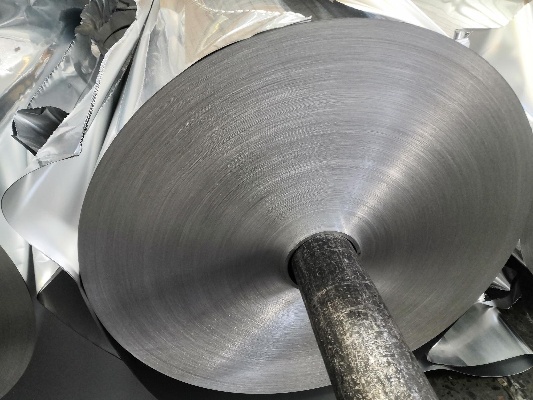
2.5 Corrosion Resistance Mechanism
5052 aluminum foil resists corrosion through:
- Aluminum oxide protective layer
- Magnesium-enhanced chloride resistance
- Chromium stabilization to prevent intergranular corrosion
Applications benefiting: marine equipment, chemical containers, protective casings for electronics, and architectural components.
2.6 Formability and Workability
5052 foil supports:
- Deep drawing: Tanks, pressure vessels, food containers
- Spinning and bending: Cylindrical and complex shapes
- Stamping and laminating: Multi-layer composites
High ductility allows thinner material usage without sacrificing strength, reducing weight and cost.
2.7 Weldability and Joining
Compatible with MIG and TIG welding, maintaining mechanical integrity post-weld, which is critical for:
- Pressure vessels
- Fluid handling systems
- Structural reinforcements
2.8 Thermal and Electrical Applications
- Thermal conductivity supports heat shields, battery packs, and HVAC applications.
- Electrical conductivity allows shielding and grounding in electronics.
3: Engineering Advantages
- Ka'anal strength-to-weight ratio reduces component mass without compromising performance.
- Resistencia le corrosión enables longer lifecycle and less maintenance.
- Conformabilidad supports complex geometries.
- Soldabilidad ensures integrity in structural assemblies.
- Thermal/electrical performance supports advanced engineering applications.
This chapter will include 5–10 detailed mini case studies of real engineering applications with thickness, temper, and performance analysis.
4: Typical Applications
4.1 Protective Casings
- Precision instruments, battery enclosures, and electronic housings
4.2 Thermal, Acoustic, and Vibration Laminates
- Automotive and building applications for heat reflection, sound insulation
4.3 Chemical and Fluid Handling
- Tank liners, piping, valves in chemical processing
4.4 Marine and Offshore Applications
- Offshore platforms, pump housings, seawater filtration systems
4.5 Electrical Applications
- EMI/RFI shielding, lightweight conductive layers
Include tables with specific case studies, Dimensiones, material tempers, and performance improvements.
5: Economic and Lifecycle Analysis
| Xooko'obo' | Initial Cost | Processing Cost | Maintenance | Total Lifecycle Cost |
|---|---|---|---|---|
| 5052 Ju'un aluminio | Medium | Low | Low | Low-Medium |
| 6061 Aluminio | Ka'anal | Medium | Medium | Ka'anal |
| Steel | Low | Ka'anal | Ka'anal | Medium-High |
| 3003 Aluminio | Medium | Low | Medium | Medium |
- Reduced total lifecycle costs due to corrosion resistance
- Lower manufacturing and processing costs from easier formability
- Environmental benefits: lightweight, reciclable, and sustainable
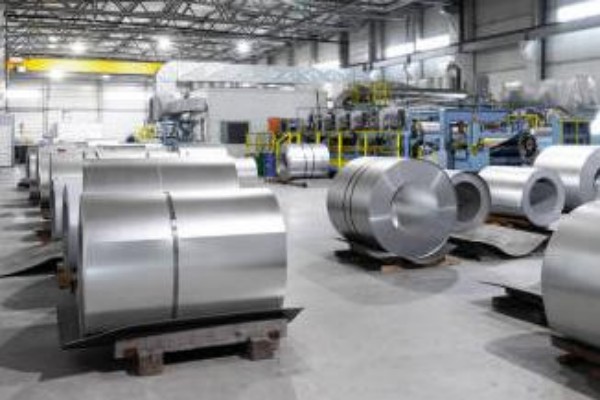
6: Material Comparison and Decision Matrix
Comparison with 3003, 8011, 6061, and steel, Incluido decision matrices and charts for engineers to select optimal materials based on:
- Strength
- Conformabilidad
- Resistencia le corrosión
- Cost-efficiency
7: Future Trends and Innovation
- Lightweight vehicles and electric vehicles
- Offshore and marine renewable energy
- Advanced laminated composites
- Hybrid aluminum-polymer materials
- Sustainability and recycling considerations
8: Conclusión
- Summarize why 5052 aluminum foil is preferred
- Highlight its combination of medium-high strength, Resistencia le corrosión, and formability
- Emphasize long-term economic and lifecycle benefits
- Project continued adoption in engineering applications