
Aluminum foil is a staple in kitchens worldwide, prized for its versatility in cooking, baking, and food storage.
Chéen ba'ale', concerns periodically surface regarding its safety, specifically questioning: Is aluminum foil toxic?
This article aims to provide a clear, evidence-based understanding of aluminum foil’s interaction with food, potential health implications, and practical advice for safe usage, ensuring you feel confident and informed.
Understanding Aluminum: A Naturally Occurring Element
Before we delve into ju'un aluminio, it’s helpful to understand aluminum itself.
Aluminum is the third most abundant element in the Earth’s crust, naturally present in soil, Ja', and even the air we breathe.
Consequently, we are all exposed to aluminum daily through various sources.
- Food: Many foods naturally contain small amounts of aluminum, including fruits, vegetables, grains, and meats.
- Water: Drinking water can contain trace levels of aluminum.
- Cookware & Utensils: Aluminum pots, Sartenes, and utensils have been used for generations.
- Medications & Antiperspirants: Some over-the-counter medications (like antacids) and antiperspirants contain aluminum compounds.
Our bodies have natural mechanisms to process and excrete the small amounts of aluminum we typically ingest.
The primary concern arises when exposure levels become significantly elevated.

How Aluminum Foil Interacts with Food
The core of the “is aluminum foil toxic” question lies in whether aluminum from the foil can transfer, o “leach,” into food during cooking or storage, and if so, at what levels.
Leaching Can Occur:
Scientific studies confirm that aluminum can leach from foil into food.
Several factors influence the extent of this migration:
- Temperatura: Higher cooking temperatures generally increase aluminum leaching. For instance, grilling or baking at high heat (p'el ej.., above 200°C or 400°F) can lead to more migration than simply wrapping cold food.
- Acidity of Food: Acidic foods, such as tomatoes, citrus fruits (lemons, oranges), vinegar-based marinades, and rhubarb, can significantly accelerate aluminum leaching. The acid reacts with the aluminum, causing more of it to dissolve into the food.
- Spices and Salt: Certain spices and high salt concentrations can also enhance aluminum migration into food.
- Contact Time: The longer the foil is in contact with food, especially under the conditions mentioned above, the greater the potential for leaching.
- New vs. Used Foil: Some research suggests that new, shiny foil might leach slightly more initially than foil that has developed a thin, protective oxide layer through use, although this difference is often minor.
Quantifying the Leaching:
The amount of aluminum that leaches is typically measured in milligrams (mg) tuméen kilogramo (kg) of food or milligrams per serving.
While leaching does occur, the critical question is whether these amounts reach levels considered harmful.
- One study published in the International Journal of Electrochemical Science found that cooking meat in aluminum foil could increase its aluminum content by anywhere from 89% Utia'al 378%.
- Another study focusing on acidic solutions showed that aluminum leaching increased dramatically with both acidity and temperature.
It’s important to put these percentages into the context of overall dietary aluminum intake.
The Body’s Tolerance and Regulatory Guidelines for Aluminum
Our bodies can handle small amounts of aluminum. Most ingested aluminum is not absorbed and is excreted through feces.
The small amount that is absorbed is primarily filtered by the kidneys and excreted in urine.
Tolerable Weekly Intake (TWI):
Major health organizations have established guidelines for safe aluminum intake.
The European Food Safety Authority (Le EFSA) set a Tolerable Weekly Intake (TWI) for aluminum of 1 milligram of aluminum per kilogram of body weight per week (1 mg/kg bw/week).
The Joint FAO/WHO Expert Committee on Food Additives (JECFA) previously had a Provisional Tolerable Weekly Intake (PTWI) of 2 mg/kg bw/week, but this is under continuous review.
Are We Exceeding These Limits from Foil Alone?
For most healthy individuals, the amount of aluminum leached from foil during typical cooking practices is unlikely to exceed these TWI guidelines when considered as part of a varied diet.
Chéen ba'ale', frequent cooking of highly acidic or heavily spiced foods in aluminum foil at high temperatures could contribute more significantly to overall aluminum intake.
Potential Health Concerns Associated with High Aluminum Exposure
The primary concern regarding aluminum toxicity centers on individuals with compromised kidney function and the potential long-term effects of chronic high exposure.
- Kidney Impairment:
Individuals with reduced kidney function have difficulty excreting aluminum, leading to its accumulation in the body.
This is a well-documented concern, and these individuals are often advised to minimize aluminum exposure from all sources. - Bone Health:
High aluminum levels can interfere with calcium metabolism and bone mineralization, potentially leading to bone diseases like osteomalacia in susceptible individuals (primarily those with kidney failure). - Neurological Concerns (The Alzheimer’s Debate):
For decades, a potential link between aluminum exposure and Alzheimer’s disease has been debated.
Early studies found aluminum deposits in the brains of Alzheimer’s patients.
Chéen ba'ale', the scientific consensus currently is that there is no strong evidence to support a causal link between typical dietary aluminum exposure (including from foil) and the development of Alzheimer’s disease in the general population.
The Alzheimer’s Association states, “studies have failed to confirm any role for aluminum in causing Alzheimer’s.”
Most researchers believe that the aluminum found in brain plaques is likely a consequence of the disease process rather than a cause.
Nevertheless, this remains an area of ongoing research.
Who is Most at Risk?
- Individuals with chronic kidney disease:
Their impaired ability to excrete aluminum puts them at the highest risk of aluminum accumulation and toxicity. - Infants and Young Children:
Their developing bodies and lower body weight might make them more susceptible, although typical exposure levels are generally considered safe. - Individuals with very high, prolonged occupational exposure to aluminum dust or fumes.
For the average healthy adult, occasional or typical use of aluminum foil is not considered a significant health risk.
Practical Tips for Safe Aluminum Foil Use in the Kitchen
While the risk for healthy individuals is generally low, adopting best practices can further minimize any potential aluminum leaching and ensure peace of mind.
- Avoid Cooking Highly Acidic or Salty Foods Directly in Foil:
- For foods like tomatoes, citrus marinades, or heavily salted items, consider using alternative cookware (glass, ceramic, stainless steel) or placing a layer of parchment paper between the food and the foil. This creates a barrier.
- Example: When baking fish with lemon and herbs, line the foil with parchment paper before adding the ingredients.
- Minimize Contact Time at High Temperatures:
- If you use foil for grilling or baking, try to minimize the duration it’s in direct contact with food at very high heat, especially with acidic or spicy ingredients.
- Use Foil Primarily for Storage of Non-Acidic Foods:
- Wrapping sandwiches, covering cool leftovers (that are not highly acidic), or storing dry goods in foil is generally considered very safe with minimal leaching.
- Do Not Use Aluminum Foil for Storing Highly Acidic Leftovers:
- Transfer acidic leftovers (p'el ej.., tomato sauce, citrus-based salads) to glass or plastic containers instead of storing them wrapped in foil in the refrigerator for extended periods.
- Consider Alternatives for Certain Cooking Methods:
- Baking Sheets: Use silicone mats or parchment paper to line baking sheets instead of foil for many tasks.
- Grilling: Stainless steel grill baskets or cedar planks can be alternatives for grilling certain foods.
- Oven Roasting: Glass or ceramic baking dishes are excellent choices.
- Avoid Using Scratched or Damaged Aluminum Cookware with Foil:
- If you’re using aluminum pots or pans, ensure they are not heavily scratched, as this can increase aluminum leaching. Using foil in such cookware might not offer additional protection if the food is acidic.
- Do Not Use Aluminum Foil in the Microwave:
- This is a safety hazard unrelated to toxicity. Aluminum foil in a microwave can cause sparks, arcing, and potentially damage the appliance or start a fire.
Summary Table: Aluminum Foil Usage & Risk Level
| Activity | Type of Food | Potential Aluminum Leaching | General Risk for Healthy Individuals | Recommendations |
|---|---|---|---|---|
| Wrapping cold sandwiches, baked goods | Non-acidic, non-salty | Very Low | Very Low | Generally safe. |
| Covering cool, non-acidic leftovers | Non-acidic, non-salty | Very Low | Very Low | Generally safe for short-term storage. |
| Baking cookies/cakes on foil-lined sheet | Low acidity | Low | Very Low | Generally safe; consider parchment paper for easy cleanup and zero leaching concern. |
| Roasting vegetables or meat in foil | Mildly acidic/spiced, moderate temperature | Moderado | Low | Generally safe for occasional use. Minimize direct contact if very acidic/spiced. |
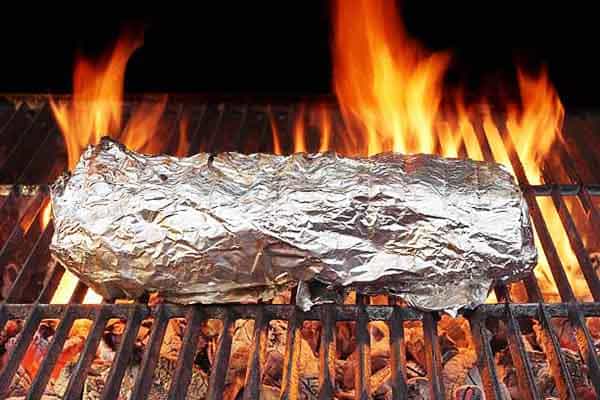
| Grilling meat/fish wrapped in foil | Often marinated (acidic/spicy), high temp | Moderate to High | Low to Moderate (if frequent) | Use sparingly with acidic marinades; consider parchment barrier or alternative methods. |
| Cooking tomato-based dishes in foil | Highly acidic, often high temp | Ka'anal | Moderado (if frequent) | Avoid direct contact; use glass/ceramic or parchment barrier. |
| Storing acidic leftovers (p'el ej.., tomato sauce) | Highly acidic | Moderate to High (over time) | Moderado (if frequent) | Avoid; use glass or plastic containers. |
Dispelling Common Myths About Aluminum Foil
- Myth:
The shiny side vs. dull side of the foil matters for toxicity or cooking.- Fact:
The difference is due to the manufacturing process where one side contacts polished rollers and the other doesn’t.
For general cooking, it makes no significant difference in terms of safety or performance, unless it’s a non-stick foil where the non-stick coating is on one specific side.
- Fact:
- Myth:
All aluminum cookware is dangerous and leaches massive amounts of aluminum.- Fact:
Modern anodized aluminum cookware has a hardened, sealed surface that significantly reduces aluminum leaching.
Older, unanodized, or heavily scratched aluminum cookware can leach more, especially with acidic foods.
- Fact:
The Bigger Picture: Overall Dietary Aluminum Intake
It’s crucial to remember that aluminum foil is just one potential contributor to overall aluminum intake.
The diet itself (natural food content, food additives containing aluminum like some baking powders or processed cheeses), drinking water, and some medications can also contribute.
Focusing solely on aluminum foil while ignoring other significant sources would be shortsighted.
A varied diet and awareness of food additives are also important.
Conclusión: Is Aluminum Foil Toxic? A Balanced Perspective
For the average healthy individual, using aluminum foil in typical kitchen applications is not considered toxic or a significant health risk.
Our bodies are equipped to handle the small amounts of aluminum we ingest daily.
Chéen ba'ale', scientific evidence does show that aluminum can leach from foil into food, particularly under conditions of high heat, prolonged contact, and with acidic or heavily spiced foods.
While these leached amounts are unlikely to cause harm to healthy individuals with occasional use, it’s prudent to be mindful:
- Individuals with kidney disease should strictly limit aluminum exposure from all sources, including foil.
- For everyone else, minimizing the use of aluminum foil directly with highly acidic or very salty foods cooked at high temperatures is a sensible precaution.
Using a parchment paper barrier or alternative cookware in these specific scenarios can reduce aluminum migration.
Ultimately, the decision to use aluminum foil and how to use it rests with the informed consumer.
By understanding the science, recognizing the influencing factors, and adopting sensible cooking and storage practices, you can continue to use aluminum foil conveniently and safely as part of a healthy lifestyle.
Prioritize a varied diet, be aware of other aluminum sources, and for most people, the occasional use of aluminum foil shouldn’t be a cause for alarm.