
Performance Analysis of PET/AL/PE Composite Foil in Baking and Snack Packaging Applications
PET/AL/PE laminated foil packaging has become one of the most dependable multilayer structures used across the baking and snack food industries, largely due to its comprehensive balance of barrier protection, mechanical durability, heat resistance, and adaptability to multiple packaging formats. As food processors increasingly target extended shelf life, aroma retention, and protection against moisture and oxygen, this laminated structure has emerged as a dominant solution, combining both functional performance and manufacturing efficiency.
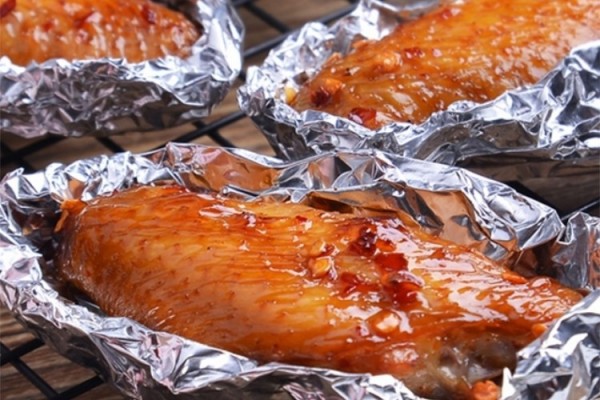
1. Structural Characteristics and Functional Behavior
The PET/AL/PE structure is engineered through a layered approach, in which each substrate contributes a distinct functional advantage:
- PET (Polyethylene Terephthalate)
Utilized as the outer layer, PET offers dimensional stability, stiffness, high tensile strength, scuff resistance, and excellent print receptivity. PET maintains clarity and print quality even after laminating and heat exposure, making it suitable for premium retail packaging that requires visual appeal. - AL (Ju'un aluminio)
The aluminum foil core serves as a near-complete barrier against oxygen, water vapor, UV light, visible light, oils, and volatile flavor compounds. Its impermeability is essential in preventing oxidation, rancidity, and aroma loss—key concerns for baked and fried snack products. AL also contributes to product freshness during long-distance shipping. - PEI (Polyethylene)
The PE inner layer performs as a heat-sealable, food-contact-safe layer with flexibility, puncture resistance, and resilience to oil exposure. For oil-rich items like cookies, nuts, and flavored chips, PE prevents grease penetration and maintains seal reliability even when the sealing zone is contaminated.
Together, these layers create a highly synergistic structure capable of meeting the demanding conditions of commercial bakery and snack packaging lines.
2. Key Technical Indicators and Performance Stability
The performance of PET/AL/PE laminated foil packaging is measured through several objective indicators that directly impact food preservation and packaging operation efficiency.
Table 1. Technical Performance Parameters of PET/AL/PE Laminate in Baking Applications
| Performance Indicator | Typical Range | Relevance to Food Quality |
|---|---|---|
| Oxygen Transmission Rate (OTR) | ≤ 0.1 cm³/m²·24h | Prevents oxidation of butter, nuts, and baked fats |
| Water Vapor Transmission Rate (WVTR) | ≤ 0.1 g/m²·24h | Maintains crisp texture, prevents sogginess |
| Light Barrier | 100% | Protects against photodegradation and flavor loss |
| Heat Resistance (PET Layer) | 180–220°C | Compatible with heat tunnels and thermal sealing |
| Seal Strength (PE Layer) | 8–18 N/15mm | Prevents leakage under transport stress |
| Puncture Resistance | Ka'anal | Suitable for granola, nuts, hard snacks |
| Coefficient of Friction (Superficie) | 0.3–0.5 | Ensures smooth runnability on fast packaging lines |
These indicators illustrate why the material is preferred for delicate items requiring stable internal atmosphere, including pastries, egg rolls, dry cakes, and roasted snacks with sensitive oils.
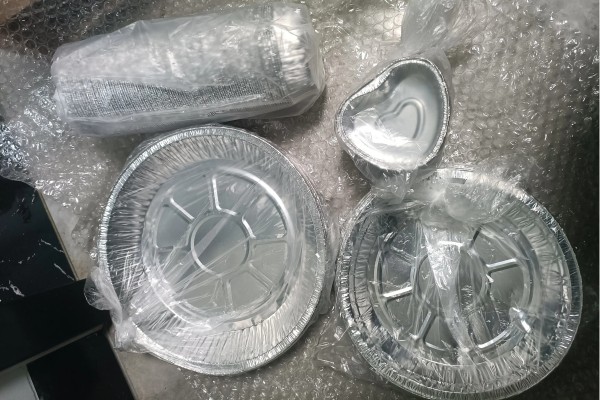
3. Performance in Snack Packaging: Barrier, Aroma Retention, and Sensory Stability
Snack foods—especially those containing seasoning powders, essential oils, or frying oils—are prone to oxidation, flavor volatilization, and moisture absorption. PET/AL/PE offers superior performance in these key areas:
1. Aroma Preservation
Spices such as garlic, onion, cheese, and barbecue flavors contain volatile compounds that dissipate rapidly when exposed to oxygen. Aluminum foil’s near-zero permeability ensures aroma tightness throughout extended storage periods.
2. Moisture Control
Humidity fluctuations during transportation and retail display can degrade crispy textures. The laminate prevents ambient moisture from penetrating the product, ensuring consistent crunch and sensory quality.
3. Light Blocking
Light exposure accelerates oxidation in oil-rich snacks. Complete light-blocking improves product stability and preserves natural color.
4. Grease Resistance
For high-oil foods like peanuts or puffed chips, the laminate prevents oil seepage and extends package aesthetic integrity.
Table 2. Material Comparison for Snack Packaging
| Propiedad | PET/AL/PE Laminated Foil | PET/PE | BOPP/CPP | Metallized BOPP |
|---|---|---|---|---|
| Oxygen Barrier | Jach ma'alo'ob | Medium | Low | Medium |
| Moisture Resistance | Jach ma'alo'ob | Ka'anal | Medium | Medium–High |
| Aroma Retention | Jach ma'alo'ob | Medium | Low | Medium |
| Light Blocking | Very High | Low | Low | Medium |
| Thermal Stability | Ka'anal | Ka'anal | Medium | Medium |
| Grease Resistance | Jach ma'alo'ob | Medium | Low | Medium |
| Shelf-Life Extension | Strong | Moderado | Weak | Moderado |
The table highlights the marked superiority of PET/AL/PE structures in parameters directly linked to sensory quality and shelf stability.
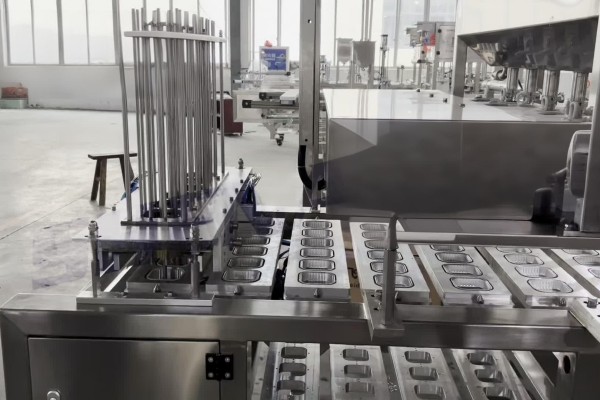
4. Processing Compatibility and Packing Line Efficiency
One of the reasons manufacturers prefer this laminate is its stable performance on automated machinery. PET/AL/PE is compatible with:
- High-speed vertical form-fill-seal (VFFS) equipment
- Horizontal flow-wrapping machines (HFFS)
- Multi-lane packaging systems
- Pouch-making lines for stand-up pouches, quad-seal bags, vacuum pouches, and pillow bags
- Laser-scoring lines for controlled tearing
- Hot-fill or nitrogen-flushing systems
Thanks to PET’s stiffness and dimensional stability, the laminate maintains excellent flatness and reduces deformation under tension. Meanwhile, the PE sealing layer provides a wide heat-sealing window, enabling reliable performance even under oily sealing conditions.
5. Shelf-Life Reliability and Food Safety Compliance
Food manufacturers often target 6–12 months of shelf life for baked and snack products. PET/AL/PE laminated foil packaging is one of the few flexible packaging structures that can achieve such shelf life without relying on preservatives or artificial additives.
Key compliance features include:
- Conformance with FDA 21 CFR, EU 10/2011, EC 1935/2004, y GB 4806
- Low migration and stable adhesion of laminate layers
- Chemical resistance to acids, oils, and flavoring compounds
- Steady barrier performance across storage temperature ranges between –10°C and 50°C
These compliance standards help brands reach international markets while meeting regulatory safety requirements.
6. Environmental and Sustainability Considerations
While PET/AL/PE structures offer unmatched performance, their multilayer composition makes them traditionally difficult to recycle in conventional mechanical recycling streams. Chéen ba'ale', several innovations are advancing sustainability:
- Down-gauging of Aluminum Foil
Thin-foil technology allows manufacturers to reduce aluminum consumption while maintaining barrier integrity. - Recyclable High-Barrier PE Structures
Some brands are transitioning from aluminum foil to high-barrier PE, though performance still does not match foil-level protection. - Use of PCR-Based PET
Recycled PET in the outer layer reduces overall carbon footprint. - Chemical Recycling Pathways
Emerging technologies allow multilayer film depolymerization, making future recycling more feasible.
Even with these advancements, PET/AL/PE remains essential for applications requiring extremely low OTR/WVTR and near-zero light transmission.
7. Commercial Applications and Packaging Formats
This laminate is widely used across multiple packaging formats, Incluido:
- Pillow bags for cookies and crackers
- Stand-up pouches for nuts, trail mixes, granola, and baked snacks
- Vacuum-sealed pouches for dehydrated foods
- Gusseted bags for bulk baked snacks
- Off-line filled and heat-sealed bakery wraps
In addition, PET/AL/PE is used for seasonal products such as Christmas cookies, gift snacks, or travel-pack baked goods requiring long shelf stability during distribution.
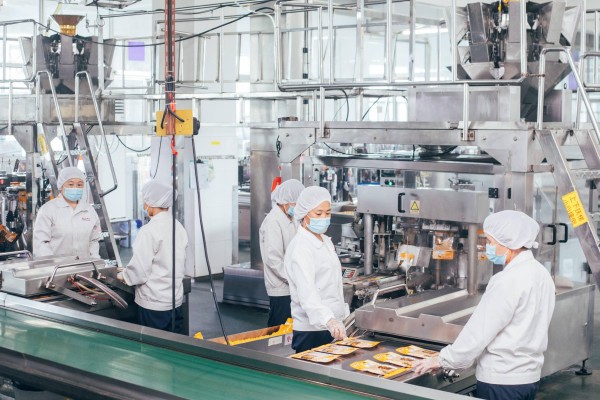
8. Long-Term Performance Stability Across Global Supply Chains
The global trade environment imposes diverse challenges:
- Maritime shipping humidity
- Temperature fluctuations from cold storage to ambient retail shelves
- Mechanical stress in long-distance logistics
- Extended storage periods before supermarket placement
PET/AL/PE laminated foil packaging maintains barrier performance under these variable conditions, making it suitable for exports to Southeast Asia, the Middle East, Europe, and North America. Retailers value its consistency and low failure rates, which reduce product returns and consumer complaints.
Conclusión
PET/AL/PE laminated foil packaging stands out as a high-performance solution specifically suited for baking and snack food applications. With its exceptional barrier protection, mechanical strength, sealing reliability, and compatibility with modern packaging machinery, it continues to be one of the most effective structures for preserving freshness, aroma, and sensory quality. As global snack demand grows and logistics networks expand, this composite foil remains an indispensable material in the flexible packaging industry.