8079 Aluminum Foil for Fresh Meat Packaging


8079 Aluminum Foil for Meat Packaging
I. Requirements for Meat Packaging Materials
The global meat market continues to expand, with demand for chilled meat, frozen meat, and prepared meat products increasing year by year.
As consumers become more aware of food safety and the global cold chain logistics system improves, meat packaging is no longer limited to basic containment and protection.
During storage and transportation, meat products are highly susceptible to quality deterioration due to oxygen penetration, moisture erosion, light exposure, and microbial growth, leading to issues such as discoloration, fatty acid oxidation, off-flavors, spoilage, and bacterial contamination.
This shortens shelf life and may even pose food safety risks.
Against this industry trend, traditional single-layer plastic packaging can no longer meet the high-standard freshness preservation requirements for premium meat products. High-barrier flexible composite packaging has become the mainstream direction for upgrading meat packaging.
Among various packaging materials, 8079 aluminum foil stands out as a core preferred material for modern high-end meat packaging solutions due to its exceptional barrier properties, excellent processability, and food-grade safety attributes.

II. What is 8079 Aluminum Foil for Meat Packaging?
2.1 Product Definition
8079 aluminum foil belongs to the 8xxx series of aluminum alloy foils. By precisely adjusting the ratios of iron and silicon alloys, it combines ultra-high ductility, an extremely low pinhole rate even at ultra-thin specifications, and top-tier barrier performance, outperforming ordinary packaging aluminum foil.
Specially developed for the food packaging sector, it is widely used in flexible packaging scenarios such as chilled meat, frozen meat, cooked meat products, and vacuum-sealed meats, serving as the core barrier layer material in high-end meat composite packaging.
2.2 Core Technical Parameters
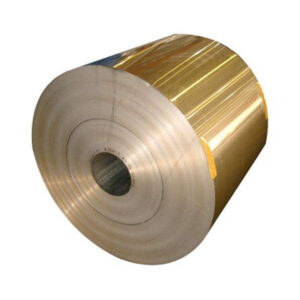
Meat packaging-specific 8079 aluminum foil adopts the standard O-temper soft temper process, ensuring stable and uniform product parameters that perfectly adapt to various automated packaging and lamination processes. Typical specifications are as follows:
| Item | Typical Specification |
|---|---|
| Alloy Grade | 8079 |
| Temper | O-temper |
| Thickness Range | 0.006mm – 0.020mm |
| Width Range | 200mm – 1600mm |
| Coil Inner Diameter | 76mm / 152mm |
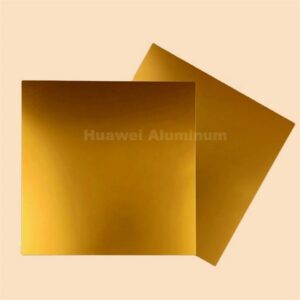
| Surface State | Single-side bright, double-side bright |
| Processing Forms | Lamination, printing, coating, heat sealing |
III. Core Advantages of 8079 Aluminum Foil for Meat Packaging
3.1 Exceptional High-Barrier Performance
As a core barrier material, 8079 aluminum foil achieves nearly 100% blockage of oxygen, moisture, ultraviolet (UV) rays, and odors. It completely isolates meat products from external air, fundamentally inhibiting surface oxidation and discoloration of the meat, fatty acid oxidation, and significantly slowing down meat spoilage.
Whether for short-term cold chain sales or long-term sealed storage, it stably maintains the fresh color, original flavor, and nutritional quality of meat, notably extending product shelf life.
3.2 Excellent Flexibility, Adaptable to Deep Processing
O-temper 8079 aluminum foil exhibits high ductility, a soft texture, and outstanding resistance to folding and stretching, making it less prone to cracking or breaking during deep processing. It perfectly adapts to various complex packaging processes such as multi-layer lamination, deep drawing, vacuum sealing, and heat sealing.
Simultaneously, it is compatible with the production pace of high-speed automated packaging equipment, effectively improving industrial mass production efficiency and reducing packaging defect rates.
3.3 Extremely Low Pinhole Rate, Strong Sealing Stability
Compared to ordinary plastic films and metallized films, 8079 aluminum foil maintains an extremely low pinhole density even at ultra-thin specifications, eliminating micro-leakage issues caused by pinhole defects.
It effectively ensures the airtightness of vacuum and sealed packaging, thoroughly solving packaging failure and meat spoilage problems caused by tiny gaps. Its stable physical barrier capability is the core guarantee for the long-term safe preservation of meat.
3.4 Superior Low-Temperature Adaptability
Meat products are often stored and transported in low-temperature cold chain environments. 8079 aluminum foil possesses excellent low-temperature resistance. In refrigerated conditions (0–4°C) and deep-freezing environments (-18°C and below), its physical properties such as flexibility and toughness remain stable.
It does not become brittle, crack, or deform due to low temperatures. It can withstand temperature fluctuations in the cold chain and mechanical vibrations/shocks, effectively preventing issues like freezer burn and dehydration in frozen meat.
3.5 Food-Grade Safety, Broad Compliance
Meat packaging-specific 8079 aluminum foil is produced in dust-free cleanrooms. The material is non-toxic, odorless, and does not cause chemical leaching or odor contamination when in contact with fresh meat, cooked food, etc.
The products fully comply with U.S. FDA food contact standards, EU EN food packaging regulations, and Chinese national standards for aluminum foil. They meet the compliance and export requirements of the global food packaging market.

IV. Main Application Scenarios of 8079 Aluminum Foil in Meat Packaging
With its ultra-high barrier properties, low-temperature stability, food safety, and excellent deep-processability, 8079 aluminum foil comprehensively covers the entire range of meat packaging scenarios, including fresh meat, frozen meat, cooked/prepared meat, and pet meat food.
It adapts to various processes and environments such as vacuum packaging, sealed packaging, retort packaging, and low-temperature cold chain storage and transportation.
4.1 Chilled Meat Vacuum Packaging
Chilled meat is sold entirely within a 0–4°C cold chain. With its fresh texture, high moisture content, and abundant active enzymes and microorganisms, it is highly prone to oxidative darkening, bacterial growth, and bloody/off-odors.
This imposes stringent requirements on packaging airtightness and oxygen barrier properties, making it a core scenario for high-end meat packaging. 8079 aluminum foil composite vacuum packaging is currently the mainstream solution for fresh meat preservation.
- Powerful Oxygen Barrier & Freshness Lock: Leveraging nearly 100% oxygen-blocking capability, it completely isolates external air, prevents the oxidation and discoloration of myoglobin on the meat surface, and maintains a bright red, fresh appearance, enhancing shelf appeal.
- Bacteria Inhibition & Shelf-Life Extension: The vacuum environment combined with the high-barrier structure of 8079 aluminum foil significantly inhibits the reproduction of aerobic bacteria and mold, effectively reducing issues like spoilage, stickiness, and off-odors. Compared to ordinary plastic packaging, it extends shelf life by over 30%.
- Adaptable to Long-Distance Cold Chain Distribution: With strong flexibility, tensile strength, and resistance to damage, it suits the entire process of fresh meat slaughtering/butchering, portioning/vacuum sealing, long-distance cold chain transportation, and supermarket terminal sales. It resists vibration and compression, preventing bag breakage and air leakage.
- Moisture Lock & Tenderness Preservation: Excellent moisture barrier performance locks in internal moisture, avoiding dehydration, dryness, and tough texture, maximizing the retention of the fresh meat’s tender taste and nutritional content.
4.2 Frozen Meat Packaging
Frozen meat products are stored long-term at -18°C and below, involving long storage cycles and significant temperature fluctuations. They are highly susceptible to issues like freezer burn (whitening), dehydration, off-flavor contamination, and texture degradation.
The excellent low-temperature weather resistance of 8079 aluminum foil perfectly meets the needs of long-term frozen meat storage and cold chain transfer.
- Preventing Freezer Burn & Dehydration, Protecting Meat Quality: Ultra-strong moisture barrier performance effectively locks in the water within the meat, preventing moisture sublimation loss, and solving the problem of whitish, dry, and fibrous aging surfaces common in long-term frozen storage.
- No Brittleness/Cracking at Low Temperatures, Strong Packaging Stability: O-temper soft 8079 aluminum foil exhibits excellent toughness at ultra-low temperatures; it does not harden, become brittle, crack, or deform during long-term freezing. It adapts to complex conditions such as stacking in freezers, logistical vibrations, and repeated temperature changes.
- Isolating Odors, Maintaining Pure Flavor: Possesses excellent light-blocking and odor-barrier properties, preventing the intrusion of various odors from the freezer environment while avoiding cross-contamination between different types of meat, ensuring pure flavor.
- Suitable for Bone-in Frozen Meat, Strong Puncture Resistance: When paired with PA/AL/PE composite structures, puncture and tear resistance are significantly enhanced, allowing safe packaging of bone-in products like chicken pieces, ribs, and bone-in beef/mutton, eliminating leakage caused by bones piercing the packaging.
4.3 Cooked & Prepared Meat Product Packaging
Cooked and prepared meat products undergo high-temperature processing. They have rich flavors and high oil content, making them prone to issues like oil oxidation, flavor loss, discoloration, spoilage, and secondary bacterial contamination.
Some products also require high-temperature secondary sterilization, imposing strict requirements on packaging heat resistance, barrier properties, and safety. 8079 aluminum foil is a core material for high-end cooked/prepared meat packaging.
- Locking Aroma & Flavor, Preventing Loss: The dense metal barrier layer firmly locks in the aroma of cooked meat oils and the original flavor, avoiding problems like weakened fragrance, dry texture, and off-flavors during long-term storage.
- High-Temperature Retort Resistance, Adaptable to Sterilization Processes: Combined with PET/AL/CPP retort-grade composite structures, it can withstand high-temperature retort sterilization without bag swelling, breakage, or delamination, suiting the standardized sterilization production flow in the cooked food industry.
- Resisting Oil Oxidation, Extending Shelf Life: Effectively blocks oxygen and light exposure, inhibiting oil rancidity and oxidative spoilage in meat products, solving common quality issues like oil seepage, discoloration, and rancid odors.
- Clean & Safe, Suitable for Ready-to-Eat Foods: Food-grade, non-leaching material, non-toxic and odorless. No chemical reactions occur upon contact with high-oil, high-salt, or high-temperature cooked foods. Fully meets food safety standards for ready-to-eat meat products, adapting to multi-channel sales via supermarkets, e-commerce, and new retail.
4.4 Pet Meat Food Packaging
Pet meat foods often feature high-moisture, high-oil, and high-protein formulations, making them highly susceptible to mold, spoilage, bacterial growth, and demanding stringent requirements for moisture-proofing, odor barrier, and freshness preservation.
They also need to adapt to long-term sealed storage and long-distance transportation. 8079 aluminum foil, with its top-tier barrier properties, has become the preferred material for high-end pet meat food packaging.
- High Barrier Against Mold, Suitable for Long-Term Storage: Comprehensive blocking of moisture and oxygen prevents high-protein pet wet food and meat pastes from becoming damp, moldy, swollen, or spoiled, greatly enhancing product storage stability.
- Strong Flavor Lock, Enhancing Palatability: Effectively locks in the fresh meat aroma, isolates external odor interference, prevents flavor volatilization and weakening, and ensures the taste and palatability of pet food.
- Lightweight & Flexible, Adaptable to Soft Pack Designs: The aluminum foil is thin and soft, adaptable to various packaging forms such as shaped pouches, stand-up pouches, and vacuum soft packs. It facilitates consumer opening and feeding while suiting high-speed automated packaging production.
- Safe & Compliant, No Harmful Substance Leaching: Food-grade pure material, free from heavy metal leaching and chemical residues. Complies with global pet food packaging safety standards, mitigating pet consumption safety risks.
V. Common Composite Structures of 8079 Aluminum Foil for Meat Packaging
8079 aluminum foil typically serves as the core barrier layer, laminated with various polymer films to form multi-layer functional packaging structures, adapting to the packaging needs of different meat products. Mainstream composite structures and their applications are as follows:
| Composite Structure | Typical Applications |
|---|---|
| PET/AL/PE | Fresh meat vacuum packaging |
| PET/AL/CPP | Cooked food, retort-type meat product packaging |
| PA/AL/PE | Frozen meat, high-strength puncture-resistant packaging |
| PET/AL/NY/CPP | Premium meat, prepared food packaging |
| BOPP/AL/PE | Pet food, casual meat product packaging |
Function Analysis of Each Layer:
- PET Outer Layer: Enhances print quality and mechanical tensile strength.
- AL (8079 Aluminum Foil) Middle Layer: Undertakes the core barrier function against oxygen, moisture, and light.
- PE, CPP Inner Layer: Ensures food contact safety and efficient heat sealing performance.
- PA (Nylon) Layer: Significantly improves puncture resistance, suitable for packaging bone-in or hard meat products.
VI. Performance Comparison: 8079 Aluminum Foil vs. Other Packaging Materials
In the field of high-standard meat packaging, the comprehensive performance of 8079 aluminum foil far surpasses that of metallized film and ordinary plastic film. The performance advantages are intuitively compared as follows:
| Performance Indicator | 8079 Aluminum Foil | Metallized Film | Ordinary Plastic Film |
|---|---|---|---|
| Oxygen Barrier | ★★★★★ | ★★★ | ★★ |
| Moisture Barrier | ★★★★★ | ★★★ | ★★ |
| Pinhole Resistance | ★★★★★ | ★★★ | ★★ |
| Vacuum Packaging Adaptability | ★★★★★ | ★★★ | ★★ |
| Low-Temperature Tolerance | ★★★★★ | ★★★★ | ★★★ |
| Shelf-Life Extension Effect | Excellent | Good | Average |
VII. Production Process of 8079 Meat Packaging Aluminum Foil
The excellent performance of 8079 aluminum foil stems from standardized and refined production and processing flows, with strict control throughout the entire chain to ensure product stability and high quality:
- Selection of High-Purity Raw Materials: High-quality 8079 aluminum alloy cast-rolled coils are selected, with strict control over iron-silicon alloy ratios to guarantee the fundamental ductility and low pinhole characteristics of the foil from the source.
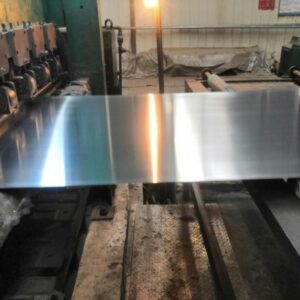
- Precision Cold Rolling & Foil Rolling Process: Multi-pass precision rolling technology is employed to accurately control foil thickness uniformity, optimize the internal microstructure, minimize the pinhole rate, and form a dense and stable metal foil layer.
- High-Quality Annealing Treatment (O-temper): Professional annealing processes eliminate internal stress in the foil, greatly enhancing material flexibility, ductility, and compatibility with lamination and processing.
- Precision Slitting & Comprehensive Inspection: Equipped with online pinhole detection, surface cleanliness inspection, and precise thickness/width calibration devices to eliminate defective products, ensuring consistent quality in every batch.
- Customized Lamination & Printing Processing: Can be laminated with PET, PA, PE, CPP, and other materials. Supports customized services such as color printing, surface coating, and personalized heat sealing to meet diverse packaging needs.
VIII. Henan Huawei Aluminum: High-Quality Source Supplier of 8079 Meat Packaging Aluminum Foil
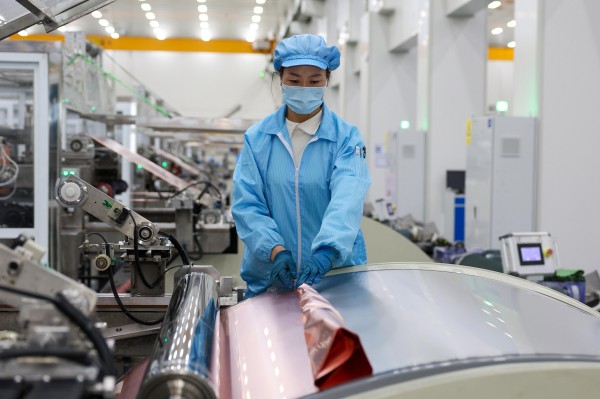
When procuring meat packaging aluminum foil, the production strength, quality control system, food safety certifications, and customization services of the source factory directly determine the preservation effect and usage stability of the final packaging. As a professional manufacturer with over two decades of deep experience in the aluminum foil industry, Henan Huawei Aluminum is a domestic base with substantial strength in R&D, production, and export of 8079 food-grade aluminum foil.
8.1 Mature Mass Production Capability, Stable Capacity, Fast Delivery
Henan Huawei Aluminum possesses large-scale standardized production bases equipped with full sets of automated production lines for precision cold rolling, foil rolling, annealing, and slitting. With years of expertise in the 8xxx series food-grade aluminum foil sector, it has mature capabilities for mass-producing 8079 O-temper soft aluminum foil.
Relying on its independent production chain, it can precisely meet full-category customization needs, including ultra-thin specifications (0.006mm–0.020mm) and wide widths (200mm–1600mm). With sufficient capacity and controllable delivery times, it comprehensively satisfies bulk orders and urgent order requirements from domestic and international clients.
8.2 Food-Grade Clean Production, Comprehensive Safety Compliance
The company strictly adheres to production specifications for food contact materials, employing dust-free cleanroom production throughout. From raw material selection, rolling, and annealing to finished product slitting and inspection, the entire chain is managed under sterile, pollution-free conditions.
All 8079 meat packaging aluminum foils use high-purity aluminum alloy cast-rolled raw materials, with strict control over iron-silicon alloy ratios to prevent impurity leaching. The products are non-toxic, odorless, and safe.
8.3 Ultra-Low Pinhole Rate & High Barrier Performance, Quality Benchmarking
Addressing the core requirements of meat packaging for high barriers and low leakage, Huawei Aluminum employs multi-pass precision rolling processes and proprietary annealing technologies. This significantly optimizes the internal microstructure of 8079 aluminum foil and effectively reduces pinhole density.
The products possess exceptional oxygen, moisture, light, and odor barrier properties, along with excellent low-temperature toughness, resisting brittleness, cracking, and deformation.
8.4 Flexible Customization Services, Adapting to Diversified Packaging Solutions
Relying on strong technical R&D capabilities, Huawei Aluminum supports personalized customization of 8079 aluminum foil thickness, width, surface state, and coil inner diameter.
It can match mainstream composite structures like PET/AL/PE, PET/AL/CPP, PA/AL/PE, adapting to packaging needs for different scenarios such as chilled meat, frozen meat, prepared cooked food, and pet meat. Simultaneously, it supports deep-processing supporting services like surface coating, print adaptability, and heat seal optimization.
8.5 Stringent Quality Control System, Comprehensive After-Sales Technical Support
The company has established a whole-process quality inspection system, equipped with professional online pinhole detectors, thickness precision testers, barrier property testers, tensile testing machines, and other precision instruments.
Before leaving the factory, each batch of products undergoes comprehensive testing for thickness tolerance, pinhole density, surface cleanliness, elongation, oxygen transmission rate, moisture vapor transmission rate, etc., eliminating defective shipments.
IX. Key Considerations When Selecting a Supplier
- Confirm Stable Production Capability: Ensure the supplier possesses stable mass production capability for food-grade 8079 aluminum foil, with mature alloy formulas and rolling processes.
- Verify Food-Grade Environment: Check that the production environment meets food-grade purification standards to ensure product hygiene and safety.
- Prioritize Low Pinhole Rate: Prioritize products with low pinhole rates and stable barrier performance to guarantee preservation effects.
- Ensure Customization Support: Ensure the manufacturer supports customization of thickness, width, and composite structures, providing exclusive packaging solutions.
- Check Certifications & Experience: Verify that the enterprise holds complete international certifications and has extensive export experience.
- Evaluate Technical Support: Opt for suppliers who can offer professional technical support and one-stop packaging supporting solutions.
X. Frequently Asked Questions (FAQ)
Q1: Why is 8079 aluminum foil preferred for meat packaging over ordinary plastic film?
A: Ordinary plastic film has weak barrier properties and cannot effectively block oxygen and moisture, resulting in a short shelf life and susceptibility to spoilage for meat. 8079 aluminum foil offers nearly 100% oxygen, moisture, light, and odor barrier capabilities, significantly delaying meat oxidation and spoilage, making it the optimal material for efficient meat freshness preservation packaging.
Q2: Is 8079 aluminum foil suitable for meat vacuum packaging?
A: Absolutely. Its extremely low pinhole rate and stable structural performance can maintain the vacuum state inside the package long-term, preventing vacuum leakage. It is the mainstream core material for high-end fresh meat vacuum packaging.
Q3: Can 8079 aluminum foil be used for long-term frozen meat packaging?
A: Yes. O-temper 8079 aluminum foil retains excellent toughness even in ultra-low temperature freezing environments, without becoming brittle or cracking. It effectively prevents freezer burn and dehydration in frozen meat, making it suitable for long-term frozen storage packaging scenarios.
Q4: What are the mainstream composite structures for 8079 aluminum foil in meat packaging?
A: Commonly used structures include: PET/AL/PE for fresh meat vacuum packaging, PET/AL/CPP for cooked/retort meat product packaging, PA/AL/PE for puncture-resistant frozen meat packaging, and multi-layer composites for premium prepared meats. Custom combinations can be tailored based on product characteristics.
Q5: Does 8079 aluminum foil comply with global food safety standards?
A: Food-grade 8079 packaging aluminum foil is non-toxic, odorless, and pollution-free. It fully complies with FDA, EU EN, and domestic food contact safety standards. It can be safely used for packaging meat, prepared foods, and pet food, supporting global export sales.
XI. Conclusion
With the upgrading of global meat consumption and the continuous improvement of cold chain logistics systems, flexible packaging featuring high barriers, high safety, and long freshness preservation cycles has become an inevitable development trend in the meat packaging industry.
Meat packaging-specific 8079 aluminum foil possesses irreplaceable comprehensive advantages in terms of barrier performance, process adaptability, low-temperature tolerance, and food safety. It provides reliable freshness preservation and safety protection for chilled meat, frozen meat, cooked meat products, and pet meat foods.
In the future, with the iteration and upgrading of eco-friendly packaging and functional composite materials, 8079 aluminum foil will find broader applications in high-end vacuum packaging, prepared meat packaging, and green food packaging sectors, becoming a core key material driving the high-quality development of the global meat packaging industry.