
Per què el paper d'alumini és la millor opció per a l'envasament de partícules alimentàries
1. Presentació
Escollir el material d'envasament d'aliments adequat és crucial, ja que afecta directament la vida útil dels aliments, seguretat, i el gust. Entre diversos materials, El paper d'alumini destaca com una opció ideal per a l'envasament de partícules alimentàries per les seves propietats úniques. Aquest article analitzarà els seus avantatges d'embalatge des d'aspectes com les característiques del paper d'alumini i les comparacions amb altres materials..
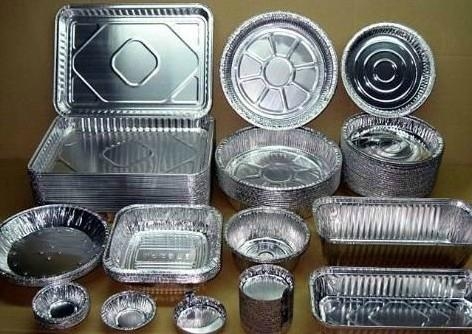
2. Característiques del paper d'alumini
(1) Rendiment de barrera
El paper d'alumini té excel·lents capacitats de barrera, bloquejant eficaçment l'oxigen, humitat, i llum. Les dades mostren que per a les partícules d'aliments envasades en ell, la velocitat de transmissió d'oxigen pot baixar per sota de 0,1 cc/m²·24h, i la taxa de transmissió d'humitat es manté dins de 0,1 g/m²·24h. També bloqueja completament els raigs ultraviolats. Això frena significativament l'oxidació i el deteriorament dels aliments, allargant la vida útil 30%-50%. És especialment adequat per a partícules d'aliments com fruits secs i grans que es veuen afectats fàcilment pel medi ambient.
(2) Conductivitat tèrmica
El paper d'alumini té una conductivitat tèrmica de 237 W/(m·K), molt superior a la majoria de materials d'embalatge. En escalfar, transfereix la calor de manera ràpida i uniforme, evitant el sobreescalfament local. Durant les barbacoes a l'aire lliure, embolicar els ingredients amb paper d'alumini bloqueja la humitat i el sabor, assegurant-se que els ingredients estiguin completament escalfats.
(3) Mal·leabilitat i flexibilitat
El paper d'alumini és suau i altament mal·leable. Es pot processar en làmines primes tan fines com uns pocs micròmetres i es pot doblegar o plegar fàcilment. Per a partícules d'aliments de diferents formes, s'ajusta bé per embolicar-los, reducció de residus d'aire. També s'adapta a diversos processos d'envasament com ara l'envàs en rotlle i l'envasament de bosses segellades.
3. Comparació amb altres materials d'embalatge
(1) Contra el plàstic
Dimensió de comparacióFoll d'aluminiPlàstic
Rendiment de la barreraExcel·lent, bloqueja l'oxigen, humitat, i la llum Pobra, la majoria no poden bloquejar completament l'oxigen i la llum
Resistència a la calor Alta, suporta temperatures superiors a 200 ℃ baixes, es deforma fàcilment i allibera substàncies nocives a 60-120 ℃
Respecte al medi ambient Reciclable, causa poca càrrega ambiental. Difícil de degradar, provoca fàcilment contaminació blanca
Seguretat alimentària Químicament estable, cap reacció amb els aliments. Pot alliberar substàncies nocives a altes temperatures o en contacte amb aliments grassos
(2) versus paper
Dimensió de comparació Paper d'alumini
Resistència a la humitat Excel·lent, bloqueja completament la humitat Poca, absorbeix fàcilment l'aigua i provoca el deteriorament dels aliments
Força i durabilitatBona, no fàcil de trencar i resistent al desgastBaix, es fa malbé fàcilment en ambients humits i té poca capacitat de càrrega
SegellabilitatPermet un segellat hermètic mitjançant segellat tèrmic Pobre, necessita recobriment o pel·lícula de plàstic per millorar la segellabilitat
Capacitat anticontaminació Superfície llisa, no és fàcil d'absorbir contaminants Superfície porosa, fàcil d'absorbir contaminants i difícil de netejar
4. El paper del paper d'alumini en la seguretat alimentària
(1) Prevenció de la contaminació
L'estructura de la pel·lícula metàl·lica forma una barrera protectora ajustada, impedint que contaminants com la pols i els bacteris entrin en contacte amb partícules d'aliments. Durant el transport i l'emmagatzematge, encara que l'envàs pateix una lleugera extrusió o col·lisió, es manté intacte, evitant que els aliments estiguin exposats a la contaminació.
(2) Estabilitat Química
Sota ús normal, El paper d'alumini manté l'estabilitat química i no reacciona amb els àcids, àlcalis, o olis en els aliments. Tant si s'utilitza per envasar partícules de fruites àcides o fruits secs grassos, no canviarà el gust dels aliments ni produirà substàncies nocives, assegurant el sabor i la qualitat dels aliments.
5. Consideracions de rendibilitat
(1) Cost inicial
El paper d'alumini té un preu unitari una mica més alt que el plàstic i el paper normals. Costa aproximadament 2-5 iuans per metre quadrat, mentre que el plàstic oscil·la entre 1-3 iuans i paper de 0.5-2 iuans. No obstant això, és molt prima, de manera que utilitza menys material per unitat de partícules d'aliment. La diferència en el cost inicial d'envasat per ració no és significativa.
(2) Estalvi a llarg termini
A la llarga, La làmina d'alumini ajuda a reduir els costos. Amplia la vida útil dels aliments, reduint el malbaratament d’aliments per 20%-30% i disminuir les pèrdues d’inventaris per a les empreses. Addicalment, És reutilitzable, Per tant, els consumidors no necessiten comprar envasos d’un sol ús addicional, reduint les seves despeses diàries.
6. Aplicacions de paper d'alumini en diferents escenaris alimentaris
(1) Productes al forn
Per a productes al forn com les molles de galetes i la farina de pastissos, envasa bloqueja la humitat i l’oxigen, Evitar que el menjar es faci suau i mantingui la cruixent. Per exemple, La farina de pastís segellada en paper d'alumini es pot guardar a temperatura ambient 6-12 mesos, més llarg que el 3-6 Mesos d’embalatges de paper.
(2) Aliments congelats
Quan envaseu aliments congelats com ara verdures congelades a daus i partícules de carn picada, Ho preveu “cremada congeladora” (sequedat i duresa causada per la sublimació de la humitat superficial en els aliments) i bloqueja les olors, Mantenir el menjar fresc. Fins i tot en entorns de congelació per sota de -18 ℃, Els envasos es mantenen estables i no es tornen trencadissos ni es trenquen a causa de les baixes temperatures.
(3) Takeout i aliments preparats per menjar
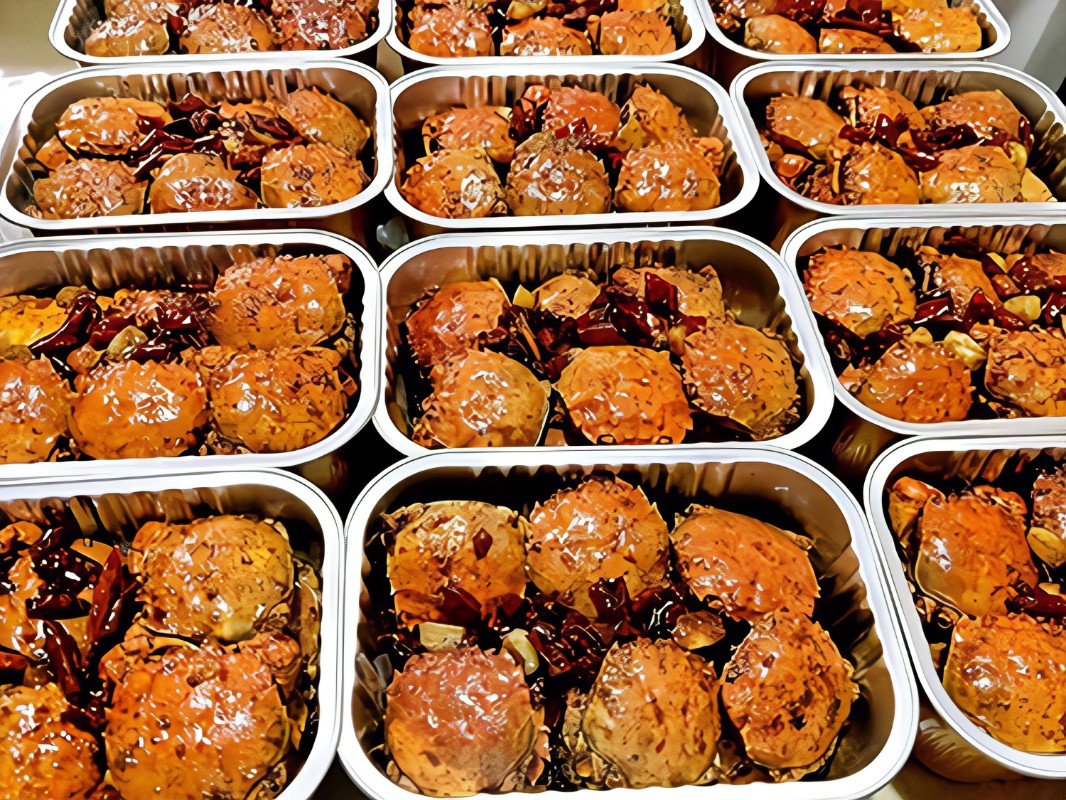
Els envasos de paper d'alumini són adequats per a articles per emportar-se com a partícules d'arròs fregides i fruits secs preparats per menjar. Es pot posar directament a microones per escalfar sense canviar de contenidors. També conserva bé la calor, permetent als consumidors gaudir del menjar càlid.
7. Conclusió
Amb les seves excel·lents propietats de barrera, conductivitat tèrmica, Estabilitat química, bona rendibilitat, i adaptabilitat a diferents escenaris, es converteix en una opció d'alta qualitat per a l'envasament de partícules alimentàries. Com a consumidors’ Les exigències de seguretat alimentària continuen augmentant, Els envasos d'alumini tindran una perspectiva d'aplicació més àmplia.