
Feuille d'aluminium PTP 8011: Une analyse approfondie du matériau de base pour les emballages blister pharmaceutiques
Abstrait
Feuille d'aluminium PTP 8011 est un matériau en aluminium haute performance spécialement développé pour les emballages blister pharmaceutiques solides. Sa fonction principale est de fournir des barrières de protection presque parfaites pour les tablettes., gélules, et autres formes posologiques solides. Comme substrat pour l'emballage à pression (PTP), c'est directement lié à la stabilité du médicament, sécurité, et commodité de dosage. Cet article fournit une analyse détaillée de la science des matériaux derrière 8011 alliage, son processus de fabrication précis, son système de contrôle qualité rigoureux, et son rôle central dans l'industrie pharmaceutique, offrant un guide technique et d'application complet pour les sociétés pharmaceutiques, ingénieurs d'emballage, et les professionnels du secteur.
1. Définition des matériaux et positionnement industriel
1.1 Définition de base de la feuille PTP
PTP, l'abréviation de Presser à travers l'emballage, est communément appelé en chinois comme “emballage à pression” ou “emballage blister.” Sa structure se compose généralement de deux parties:
- Film de formage (Film blister): Une feuille de plastique transparente (par exemple., PVC, PVDC) qui est préchauffé et formé pour créer des cavités (ampoules) tenir les tablettes.
- Matériau du couvercle: La feuille d'aluminium PTP, qui est thermoscellé sur le film blister, sceller individuellement le médicament dans chaque cavité du blister.
Pendant l'utilisation, le patient applique simplement une pression sur le dos de la feuille à l'emplacement du comprimé pour pousser (ou peler) à travers le film. Ce format d'emballage combine les avantages de dosage unitaire, excellente protection, portabilité, et une observance élevée des patients.
1.2 Statut de l'industrie de 8011 Alliage d'aluminium
Parmi les nombreuses qualités d'alliage d'aluminium, 8011 alliage est mondialement reconnu comme le “étalon-or” matériau pour la fabrication de feuilles pharmaceutiques PTP en raison de son équilibre optimal de force, formabilité, aptitude à la flexion, et qualité de surface. Il appartient aux alliages d'aluminium de la série 8xxx non traitables thermiquement. (Série Al-Fe-Si). Ses propriétés sont principalement régulées par écrouissage à froid (par exemple., H18, H19) et processus de recuit, ce qui le rend exceptionnellement adapté au laminage ultra fin et à l'estampage ultérieur à grande vitesse.
Clarification de la terminologie de l’industrie:
- Feuille PTP: Souligne sa fonction et son application (matériau de couverture).
- Papier d'aluminium pharmaceutique / Feuille d'aluminium enduite: Met l'accent sur sa forme de produit final (recouvert d'une laque thermoscellable de qualité pharmaceutique).
- 8011 Feuille d'alliage: Met l'accent sur la composition du matériau de base.
Ces termes sont souvent utilisés de manière interchangeable dans les achats et la communication technique de l'industrie pharmaceutique..
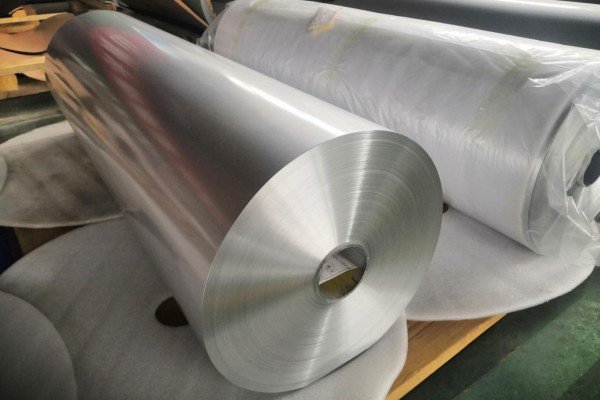
2. Composition chimique et analyse microstructurale de 8011 Alliage
Les avantages en termes de performances de 8011 L'alliage est enraciné dans sa composition chimique précisément contrôlée.
| Élément | Gamme de contenu standard (% en poids) | Rôle et impact dans le matériau |
|---|---|---|
| Al | Équilibre (≥97,5) | Métal commun, fournissant des propriétés métalliques fondamentales, ductilité, et propriétés barrières. |
| Fe | 0.60 – 1.00 | Élément clé de renforcement. Formes aciculaires ou squelettiques AlFeSi composés intermétalliques avec Si. Ces bien, les particules dures fixent efficacement les limites des grains et les dislocations, augmentant considérablement la résistance et la dureté du matériau tout en inhibant la croissance des grains recristallisés, résultant en une microstructure raffinée. |
| Et | 0.50 – 0.90 | Un autre élément clé. Forme des composés avec Fe, réguler la forme de présence de Fe. Un excès de Si peut former du silicium libre et cassant, ténacité dommageable; alors qu'un rapport Fe/Si approprié (généralement proche de 1:1) permet la formation de composés plus uniformes et plus fins, optimiser les performances globales. |
| Cu | ≤ 0.10 | Élément d'impureté, strictement contrôlé. Des traces de Cu peuvent augmenter la résistance mais réduire considérablement la résistance à la corrosion de la feuille et affecter la compatibilité avec les formulations médicamenteuses., donc plus c'est bas, mieux c'est. |
| Mn | ≤ 0.20 | Élément d'impureté, généralement introduit à partir de matières premières. Des traces de Mn peuvent renforcer une solution solide, mais doivent également être contrôlées.. |
| mg, Zn, De, etc. | Chacun ≤ 0.05 – 0.10 | Tous sont des éléments d'impuretés strictement contrôlés. Leur présence peut affecter la pureté de l'alliage, résistance à la corrosion, et efficacité du traitement de surface. |
Résumé des avantages de la science des matériaux:
- Combinaison de haute résistance et de bonne formabilité: Les phases de renforcement de la dispersion formées par Fe et Si permettent 8011 feuille pour avoir une résistance à la traction et une rigidité suffisantes à des épaisseurs très fines (par exemple., 0.02mm) pour résister au traitement et au transport ultérieurs; entre-temps, la matrice en aluminium assure une bonne ductilité pour un emboutissage facile sans fissuration.
- Microstructure stable: La distribution uniforme des phases composées fines se traduit par de meilleures propriétés anisotropes, performance uniforme après le roulement, et une finition de surface lisse.
- Excellent contrôle des sténopés: La composition pure de l'alliage et la microstructure homogène réduisent considérablement la probabilité de trous d'épingle critiques (défauts dans l'épaisseur) se produisant lors du laminage jusqu'à des épaisseurs de l'ordre du micromètre.
3. Analyse approfondie des propriétés fondamentales de la feuille d'aluminium PTP 8011
3.1 Propriétés de barrière absolue: La pierre angulaire de la stabilité des médicaments
Le papier d'aluminium est le seul matériau d'emballage flexible qui offre une complet, barrière absolue.
- Taux de transmission de vapeur d'eau (WVTR): Théoriquement 0. Le produit réel doit passer des tests stricts pour garantir une transmission d'humidité proche de zéro, même dans des conditions de température et d'humidité élevées.. C’est la première garantie contre la déliquescence des médicaments, croissance de moisissures, et réduction de l'efficacité.
- Taux de transmission de l'oxygène (OTR): 0. Bloque complètement l'oxygène, prévenir l’oxydation et la dégradation des principes actifs (par exemple., vitamines, antibiotiques, lipides).
- Barrière lumineuse: Complètement opaque, surtout bloquant 100% d'ultraviolet (UV) lumière, protéger efficacement les médicaments sensibles à la lumière.
- Barrière microbienne et contaminante: La structure métallique dense bloque complètement les bactéries, moules, poussière, et odeurs gazeuses, assurer l'hygiène des médicaments.
3.2 Performances de thermoscellage fiables: La clé de l’intégrité du sceau
Un ou les deux côtés de la feuille d'aluminium PTP sont recouverts d'un produit spécialisé laque thermoscellable de qualité pharmaceutique.
- Fonction de la laque thermoscellable: Au poste de thermoscellage de la machine de conditionnement sous blister, sous une température spécifique, pression, et le temps, ce revêtement fond et se lie à la surface du PVC ou autre film formant, formant un joint solide lors du refroidissement.
- Exigences de performances:
- Température d'activation appropriée: Doit correspondre au point de fusion du film de formage pour garantir une, étanchéité stable.
- Bon point chaud: Fournit une résistance initiale suffisante immédiatement après le scellage et pendant le refroidissement pour éviter le pelage pendant le transport en ligne.
- Résistance au pelage contrôlée: Le joint doit être suffisamment solide pour réussir les tests de chute et de vibration, mais permettez au patient (y compris les personnes âgées) faire passer la tablette relativement facilement. La force de pelage a généralement des exigences de plage spécifiées (par exemple., 0.5-2.5 N/15mm).
- Excellente compatibilité: La laque thermoscellable doit répondre aux normes pharmaceutiques – non toxique, inodore, et ne doit pas migrer ni réagir avec le médicament.
3.3 Performances mécaniques et de traitement exceptionnelles
Ceci est fondamental pour assurer la continuité, fonctionnement stable des lignes automatisées de conditionnement sous blister à grande vitesse.
- Performances d'estampage/formage: Sur la machine d'emballage, la feuille doit être instantanément estampée pour créer des lignes de déchirure spécifiques (par exemple., circulaire, en forme de croix) et peut subir un léger étirement. Les excellentes caractéristiques de ductilité et d’écrouissage de 8011 le film donne un résultat propre, découpes d'estampage sans bavures et risque minimal de microfissures.
- Stabilité de fonctionnement du Web: Le rouleau de film doit maintenir une tension stable pendant le déroulement à grande vitesse, transport, et rembobinage sans froisser ni errer. Cela nécessite des tolérances d'épaisseur et de planéité extrêmement serrées. (exempt de vagues de bord ou de boucles).
- Résistance aux sténopés: Le matériau doit résister à la concentration de contraintes lors de l'emboutissage à grande vitesse et de la manipulation ultérieure pour éviter de générer de nouveaux trous d'épingle..
3.4 Excellentes performances de surface et d'impression
La feuille PTP est le support direct des informations sur les médicaments.
- Traitement de surface: Pour améliorer l'adhérence de l'encre et de la laque thermoscellable, la surface du film subit généralement traitement d'apprêt pour améliorer son énergie de surface.
- Imprimabilité: L'héliogravure peut être utilisée pour obtenir une haute définition, texte très contrasté, graphique, et codes-barres. Ceci est crucial pour nom du médicament, force, numéro de lot, date d'expiration, fabricant, et marques anti-contrefaçon.
- Pardessus protecteur: Après l'impression, un vernis de surimpression protecteur transparent est appliqué pour éviter l'abrasion du contenu imprimé pendant le transport et l'utilisation, et pour améliorer la brillance de la surface.

4. Flux complet du processus de production et contrôle de précision
La production de Feuille d'aluminium PTP est une activité à forte intensité technologique, ligne de processus continu de haute précision.
- Fusion et coulée d'alliages:
- Utilise de l'aluminium primaire de haute pureté (par exemple., >99.7%).
- Ajoute avec précision des éléments comme Fe et Si dans le four de fusion, utiliser des processus de raffinage et de dégazage pour éliminer l’hydrogène et les impuretés.
- La masse fondue est filtrée puis coulée via une coulée continue en plaques d'alliage d'environ 6 à 8 mm d'épaisseur..
- Laminage à chaud:
- La dalle est chauffée au-dessus de sa température de recristallisation et roulée dans un laminoir à chaud en bobines laminées à chaud de 2 à 4 mm d'épaisseur.. Ce processus décompose initialement la structure coulée et homogénéise la composition..
- Laminage à froid:
- Réalisé à température ambiante en plusieurs passages, c'est le processus clé pour la réduction d'épaisseur et l'obtention des propriétés mécaniques souhaitées. Des forces de roulement massives provoquent un écrouissage, réduisant progressivement l'épaisseur à 0,3-0,5 mm.
- Roulage de feuille:
- Le processus de base. Sur des laminoirs à feuilles spécialisés, “double roulement” est souvent utilisé : enrouler deux couches de papier d'aluminium ensemble pour éviter la casse en cas d'extrême finesse. La jauge finale (0.016–0,025 mm) est atteint. Ce processus exige une extrême précision dans l’alignement des rouleaux, propreté de l'huile de laminage, et contrôle de la tension.
- Recuit:
- Un recuit contrôlé est effectué en fonction de la température souhaitée du produit (température O douce, ou trempe dure H18/H19). Le recuit soulage le stress interne, ajuste les propriétés mécaniques, et stabilise les dimensions. Les feuilles pharmaceutiques subissent généralement un recuit à basse température pour restaurer une certaine plasticité tout en conservant un certain niveau de résistance..
- Traitement de surface et revêtement:
- Réalisé dans un environnement de salle blanche. Le foil est le premier dégraissé et nettoyé pour assurer une propreté absolue des surfaces.
- Revêtement d'apprêt: Une très fine couche adhésive est appliquée pour améliorer l'adhérence du revêtement ultérieur..
- Revêtement de laque thermoscellable: Une coucheuse de précision (par exemple., micro-gravure, enduiseur de couteaux) applique uniformément la laque pharmaceutique thermoscellable formulée. La feuille enduite passe ensuite dans une longue étuve de séchage pour un séchage et un durcissement contrôlés..
- Impression: Les encres de qualité alimentaire et pharmaceutique sont utilisées pour l'impression multicolore.
- Revêtement protecteur: Une dernière couche protectrice transparente est appliquée.
- Défendage et inspection:
- Refendage à grande vitesse aux largeurs spécifiées par le client.
- Inspection complète en ligne: Comprend la mesure de l'épaisseur (jauge bêta), détection de sténopé (système de vision Spark ou CCD), détection des défauts de surface, etc.
- CQ final: Échantillonnage et test de tous les paramètres clés: force de thermoscellage, résidus de solvants, limites microbiennes, qualité d'impression, etc.
5. Normes de qualité: Répondre aux exigences réglementaires les plus strictes au monde
5.1 Règlements et normes de base
- États-Unis: Doit se conformer FDA 21 CFR 175.300 (additifs alimentaires indirects) et exigences BPF. Le matériau et ses composants de revêtement doivent figurer sur la liste des substances autorisées de la FDA..
- Union européenne: Doit se conformer aux exigences pertinentes en vertu UE 10/2011 (matières plastiques pour contact alimentaire) ou des directives pharmacopées plus strictes. Les fournisseurs doivent être en mesure de fournir une Déclaration de conformité (DoC) et données de tests de migration.
- Chine: Doit se conformer Normes YBB (Normes nationales sur les matériaux d'emballage des médicaments) et obtenir l'enregistrement/le dépôt.
- Normes internationales: OIN 15378 (Bonnes pratiques de fabrication pour les matériaux d'emballage primaire des médicaments) est une norme clé du système qualité.
5.2 Explication détaillée des éléments clés du test de performance
| Article de test | Méthode d'essai / Standard | Importance et exigences |
|---|---|---|
| Trous d'épingle | Détection en chambre noire sous tension spécifique | Indicateur de sécurité de base. Pour les produits de 0,02 mm d'épaisseur, le nombre de trous d'épingle par zone standard doit être extrêmement faible ou nul. Les piqûres sont une cause directe de défaillance des barrières. |
| Épaisseur & Tolérance | Micromètre ou jauge d'épaisseur en ligne | Affecte les propriétés de barrière, résistance mécanique, et le coût. La tolérance est généralement contrôlée à ±5 %. |
| Résistance du thermoscellage | ASTM F88 / Go/T 2358 | Simule le processus réel d’élimination des médicaments. La force de pelage doit se situer dans une plage raisonnable qui garantit l’intégrité du joint tout en permettant une ouverture facile.. |
| Résidus de solvants | Chromatographie en phase gazeuse-Spectrométrie de masse (GC-MS) | Détecte les solvants résiduels totaux (par exemple., benzène, cétones, esters) et substances nocives spécifiques provenant des processus d'impression/revêtement. Doit être inférieur aux limites strictes (par exemple., total ≤5 mg/m²). |
| Limites microbiennes | Méthodes pharmacopées (par exemple., USP <61>) | Tests pour le nombre total de microbes aérobies, nombre total de levures/moisissures combinées, assurer les niveaux d'hygiène. |
| Qualité d'impression & Adhésion | Colorimètre, test de résistance au frottement (par exemple., crockmètre) | Garantit que le contenu imprimé est clair, précis, durable, et résistant à l'abrasion, garantir la traçabilité. |
| Performances de déroulement | Simulation pratique sur machine de conditionnement | Évalue le bon fonctionnement du rouleau de papier d'aluminium sur les équipements d'emballage à grande vitesse, en vérifiant les ruptures de bande, rides, ou un mauvais alignement. |
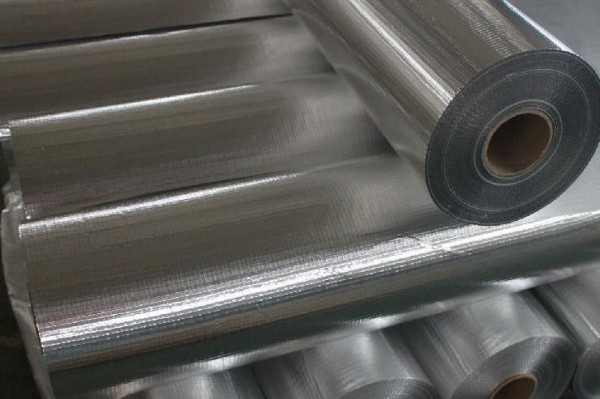
6. Tendances du marché, Expansion des applications, et stratégie de sélection des fournisseurs
6.1 Moteurs et tendances du marché
- Croissance des médicaments contre les maladies chroniques: Des pathologies telles que le diabète et l'hypertension, qui nécessitent des médicaments à long terme, stimulent la demande en emballages blister à dose unitaire..
- Sécurité des enfants & Fonctionnalités adaptées aux personnes âgées: L'emballage PTP combine la sécurité des enfants (difficile de supprimer plusieurs unités à la fois) et adapté aux seniors (identification facile, accès facile) caractéristiques.
- Automation & Fabrication intelligente: Industrie 4.0 dans le secteur pharmaceutique, il promeut les lignes de conditionnement à grande vitesse, exiger plus haut cohérence, stabilité, et traçabilitéde papier d'aluminium. Chaque rouleau a un unique “IDENTIFIANT” (numéro de lot/rouleau) pour une traçabilité complète.
- Durabilité: Le papier d'aluminium est recyclable à l'infini. L'industrie explore des jauges plus fines (par exemple., 0.018mm) pour une réduction à la source sans compromettre les performances, et optimisation des revêtements pour réduire l'impact environnemental.
6.2 Au-delà des tablettes traditionnelles & Gélules: Expansion des applications
- Nutraceutiques à haute barrière: Produits extrêmement sensibles à l’oxygène et à l’humidité, comme l'huile de poisson et les probiotiques, utiliser de plus en plus de plaquettes thermoformées en aluminium.
- Équipement médical & Tests diagnostiques: Gaze stérile, lames chirurgicales, bandelettes de test de glycémie, etc., utilisez un emballage PTP stérile pour une garantie de prêt à l'emploi.
- Sachets de liquide oral: Quelques sachets de liquide pédiatrique (stratifié aluminium-plastique) utilise aussi souvent 8011 alliage pour la couche d'aluminium.
6.3 Liste de contrôle complète pour la sélection d'un fournisseur de haute qualité
Les sociétés pharmaceutiques devraient considérer les fournisseurs de feuilles comme partenaires matériels critiques, pas seulement les vendeurs. L'évaluation devrait couvrir:
- Fondation de conformité:
- Le fournisseur a-t-il un Environnement de production propre de qualité GMP certifié par des organismes faisant autorité (en particulier les zones de revêtement et de refendage)?
- Le produit dispose-t-il de certificats de conformité réglementaire pour les principaux marchés cibles (par exemple., Fichier principal FDA, DoC de l'UE)?
- Technique & Capacités de qualité:
- Est-ce qu'il a contrôle total de la chaîne d'approvisionnement (du moulage au revêtement)? Cela offre plus de stabilité qu'un fournisseur qui se contente d'acheter et d'enduire une feuille de base..
- Est-ce qu'il a avancé systèmes d'inspection en ligne et un complet laboratoire chimique/physique?
- Est-ce que c'est Système de gestion de la qualité certifié ISO 15378? Peut-il fournir un service complet, certificats d'analyse de lots traçables (CoA)?
- Produit & Capacités des services:
- Capacité de personnalisation: Peut-il ajuster de manière flexible les formulations de laques thermoscellables pour s'adapter à différents films de formage (PVC, PVDC, PCTFE, ANIMAL DE COMPAGNIE)? Peut-il fournir des solutions complexes d'impression multicolore et de lutte contre la contrefaçon?
- Assistance technique: Dispose-t-il d'une équipe technique d'application professionnelle pour aider les clients avec les problèmes de compatibilité des machines, optimisation des paramètres de thermoscellage, etc.?
- Stabilité & Cohérence: Quels sont les retours des clients de longue date? La variation de performance entre les lots est-elle minime?
- Durabilité & Responsabilité sociale:
- L'accent est-il mis sur les processus respectueux de l'environnement et sur l'évaluation du cycle de vie des produits ??
- Performance en matière de responsabilité sociale des entreprises.
Conclusion
Feuille d'aluminium PTP 8011 est bien plus qu'une fine couche de métal. C'est le produit de la science des matériaux, fabrication de précision, et des réglementations pharmaceutiques strictes – un “gardien fidèle” protéger chaque dose, de l’usine à la main du patient. À l’heure où les emballages pharmaceutiques évoluent vers plus de sécurité, commodité, et le renseignement, une compréhension approfondie et une sélection scientifique de 8011 Les feuilles PTP sont devenues indispensables aux sociétés pharmaceutiques qui renforcent la compétitivité de leurs produits et garantissent la sécurité des médicaments des patients.. Le choisir, c'est choisir un engagement de qualité et de sécurité.