
Cause profonde e strategie di controllo sistematico degli odori nel processo di polimerizzazione del foglio di alluminio rivestito per l'imballaggio alimentare
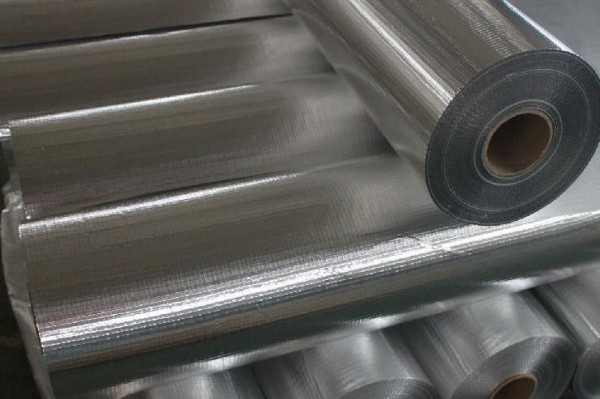
Nel campo del confezionamento alimentare, il foglio di alluminio rivestito è diventato un materiale chiave per il confezionamento e la conservazione di prodotti come i latticini, cioccolato, cibi cotti, e fast food, grazie alle sue eccezionali proprietà barriera, resistenza al calore, e sicurezza.
Il processo di stagionatura è la fase centrale della sua produzione. Facilita la reazione di reticolazione dei materiali di rivestimento fino a formare un denso film protettivo. Questo processo determina direttamente le prestazioni finali del foglio e la sua conformità alla sicurezza alimentare.
Tuttavia, gli odori irritanti generati durante la stagionatura non solo deteriorano l'ambiente produttivo ma possono rimanere anche sui prodotti finiti. Ciò solleva preoccupazioni per la sicurezza dei consumatori e comporta rischi di non conformità con gli standard nazionali come quello britannico 31604.60-2024.
Perciò, analizzare sistematicamente le cause profonde degli odori e stabilire un sistema di controllo efficace che copra l’intera catena di produzione è diventata una sfida fondamentale che deve essere affrontata per guidare lo sviluppo di alta qualità del settore.

1. Analisi delle cause profonde dell'odore nel processo di stagionatura
La generazione di odori permea l'intero processo, dalle materie prime al prodotto finito. Le sue fonti principali sono sostanze che non hanno reagito in modo sufficiente, sottoprodotti chimici, e contaminanti introdotti a causa dello scarso controllo del processo. Le cause possono essere classificate nei seguenti tre tipi principali:
1.1 Difetti intrinseci nelle materie prime e nella formulazione
Le materie prime sono la fonte fondamentale dell'odore. Una selezione impropria o una formulazione errata portano direttamente a problemi di odore post-essiccazione.
- Problemi relativi ai residui di solvente: Utilizzo del punto di ebollizione elevato, solventi ad alto residuo (per esempio., toluene, cicloesanone) o solventi di purezza inferiore allo standard significa che le loro impurità faticano a volatilizzarsi completamente durante la polimerizzazione, portando al residuo, odori pungenti.
- Rischi derivanti dagli agenti polimerizzanti: Monomeri isocianici liberi potenzialmente presenti nei tradizionali agenti indurenti a base solvente, e residui di reticolanti fenolici, può rilasciare odori irritanti durante o dopo la polimerizzazione e può comportare rischi per la sicurezza della migrazione.
- Contaminazione del substrato: Se oli di laminazione inadeguati (per esempio., alta viscosità, ampio intervallo di ebollizione) vengono utilizzati durante la produzione di fogli di alluminio, Anche l'olio residuo che non riesce a volatilizzarsi completamente alle temperature di indurimento può generare odore.
- Squilibrio della formulazione: Aggiunta eccessiva di additivi come plastificanti o stabilizzanti, o scarsa compatibilità tra i componenti, porta a reazioni di polimerizzazione incomplete. Le sostanze non reagite possono quindi rilasciare lentamente l'odore nel tempo.
1.2 Controllo improprio dei parametri del processo di polimerizzazione
Il controllo preciso dei parametri di processo è fondamentale per garantire reazioni complete; impostazioni errate inducono direttamente l'odore.
- Temperatura o tempo insufficienti: Temperature di polimerizzazione troppo basse o durate troppo brevi determinano reazioni di reticolazione incomplete delle resine, solventi, e agenti indurenti. Ciò lascia monomeri non reagiti o prodotti intermedi che diventano fonti di successivo rilascio di odori.
- Surriscaldamento e degrado localizzato: Temperature eccessivamente elevate, soprattutto in processi come la polimerizzazione a induzione elettromagnetica, può causare surriscaldamenti localizzati, portando alla degradazione del polimero o addirittura alla carbonizzazione del rivestimento. Ciò produce una bruciatura evidente, odori acri e altri gas irritanti.
- Flusso d'aria e ventilazione inadeguati: Una velocità del flusso d'aria inadeguata all'interno del forno di polimerizzazione non riesce a rimuovere tempestivamente i sottoprodotti volatili e i solventi residui generati durante la reazione, consentendo loro di accumularsi e potenzialmente ricontaminare il prodotto. Flusso d'aria eccessivamente elevato, Tuttavia, potrebbero compromettere la qualità della superficie del rivestimento.
1.3 Inquinamento secondario derivante dall'ambiente e dalle attrezzature di produzione
La pulizia dell'ambiente di produzione e delle attrezzature influisce direttamente sulla purezza del prodotto.
- Inquinamento atmosferico ambientale: Se nell'aria dell'officina sono presenti sostanze inquinanti come altri solventi organici volatili o polvere, possono essere assorbiti dalla superficie del rivestimento non indurito e successivamente diventarlo “intrappolato” all'interno del film curato, creando odori complessi.
- Contaminazione delle apparecchiature: Attrezzature come forni di polimerizzazione e nastri trasportatori accumulano prodotti di decomposizione del rivestimento, residui polimerici, e grasso sulle superfici interne in caso di funzionamento prolungato. A temperature costantemente elevate, questi depositi possono decomporsi o interagire con nuovi prodotti, generando odori di bruciato e altri odori che aderiscono alla superficie della lamina.
- Impatto dei processi a valle: Durante il taglio e il riavvolgimento, se viene applicata una tensione eccessiva, causando un avvolgimento troppo stretto della bobina, può ostacolare la diffusione e la fuoriuscita di sostanze volatili in tracce intrappolate tra gli strati durante lo stoccaggio e il trasporto. Ciò può provocare un odore evidente quando l'utente finale apre la confezione.

2. Costruire un sistema di controllo degli odori per l’intero processo
Per controllare ed eliminare sostanzialmente gli odori, deve essere stabilito un piano di gestione sistematico dall'origine alla fine, concentrandosi su quattro dimensioni fondamentali: materie prime, processo, attrezzatura, e ambiente, tutti lavorano in sinergia.
2.1 Controllo del codice sorgente: Ottimizzazione della selezione delle materie prime e della progettazione della formulazione
Il controllo rigoroso della qualità delle materie prime e della scienza della formulazione è il modo più efficace per eliminare alla radice i rischi legati agli odori.
Tavolo 1: Punti chiave di selezione e controllo delle materie prime
| Categoria materiale | Selezione consigliata & Punti di controllo | Bersaglio & Riferimento standard |
|---|---|---|
| Solvente | Dai priorità all'elevata purezza, solventi ecologici a basso punto di ebollizione (per esempio., acetato di etile, etanolo). Controllare rigorosamente la purezza (≥99,9%), umidità, e contenuto di impurità. | Ottieni un residuo basso e rapido, volatilizzazione completa. Soddisfa i requisiti limite per sostanze come la serie benzene in standard come GB 31604.60-2024. |
| Agente curativo | Seleziona a basso odore, prodotti adatti al contatto alimentare, per esempio., stagionanti poliuretanici all'acqua a basso contenuto di monomeri liberi, isocianati bloccati, Reticolanti fenolici esenti da BPA/BADGE. | Contenuto monomerico residuo <0.05%, basso grado di odore (0-1), garantendo una reazione e una sicurezza complete. |
| Substrato di foglio di alluminio | Selezionare oli di laminazione a bassa viscosità, punto di infiammabilità elevato, e facilmente volatilizzabile. Migliora il processo di pulizia della lama d'aria post-laminazione. | Assicurarsi che l'olio di laminazione si volatilizzi completamente durante la ricottura del foglio e le fasi iniziali di polimerizzazione del rivestimento, con minimo residuo superficiale. |
| Additivi | Utilizzare per uso alimentare, additivi a basso odore rigorosamente in quantità limitate. Ottimizzare la compatibilità dei componenti nella formulazione attraverso la sperimentazione. | Evitare aggiunte eccessive, assicurarsi che partecipino alla reazione o rimangano stabili, impedendo la migrazione o la generazione di odori. |
2.2 Ottimizzazione del processo: Regolazione precisa dei parametri del processo di polimerizzazione
Controllando meticolosamente parametri fondamentali come la temperatura, tempo, e flusso d'aria durante la polimerizzazione, sono assicurate reazioni complete, e le sostanze volatili vengono efficacemente rimosse.
Tavolo 2: Parametri consigliati per il processo di polimerizzazione multistadio
| Fase di stagionatura | Obiettivo primario | Intervallo di controllo della temperatura | Punti di controllo del tempo/flusso d'aria | Risultato atteso |
|---|---|---|---|---|
| Fase di preriscaldamento | Volatilare completamente la maggior parte del solvente | 80°C – 100°C | Regolare il tempo in base allo spessore del rivestimento e al contenuto di solvente per garantire una fuga sufficiente. | Riduce significativamente i residui di solvente, creando una superficie pulita per la successiva reazione di reticolazione. |
| Fase di stagionatura del nucleo | Reazione di reticolazione completa e completa tra resina e agente indurente | 150°C – 180°C (regolare in base alla formulazione specifica) | Il tempo deve garantire la completa reazione negli strati profondi del rivestimento. Mantenere un flusso d'aria del forno uniforme a 1.5-2.5 SM. | Formare un denso, film completamente polimerizzato; eliminare i monomeri non reagiti; il flusso d'aria uniforme aiuta a rimuovere i sottoprodotti di piccole molecole. |
| Fase di raffreddamento | Stabilizzare la struttura del rivestimento, ridurre lo stress interno | Raffreddamento graduale a temperatura ambiente | Controllare la velocità di raffreddamento per evitare shock termici. | Previene le microfessurazioni del rivestimento dovute allo stress termico, riducendo la volatilizzazione post-cura causata dal rilascio dello stress. |
| Processo speciale (per esempio., indurimento della busta di alluminio) |
Ottenere una polimerizzazione completa a bassa temperatura | 45°C – 55°C | Estendere significativamente il tempo di polimerizzazione 48-72 orario. | Garantire una reazione completa estendendo i tempi evitando la degradazione dei materiali sensibili al calore; adatto per strutture composite non tolleranti alle alte temperature. |
2.3 Assicurazione sull'attrezzatura: Gestione avanzata della manutenzione e della pulizia
La pulizia e il corretto stato delle attrezzature di produzione sono fondamentali per evitare l'inquinamento secondario e garantire la stabilità del processo.
- Stabilire un regime di pulizia regolare: Sviluppare e applicare programmi di pulizia settimanale per le superfici interne delle apparecchiature come forni di polimerizzazione e nastri trasportatori. Utilizzare detergenti neutri per una rimozione accurata dei residui, seguita da un'asciugatura completa per prevenire la contaminazione incrociata.
- Implementare la manutenzione preventiva: Ispezionare regolarmente, servizio, e calibrare sistemi come gli elementi riscaldanti, tifosi, e condotti d'aria per garantire l'uniformità della temperatura e l'efficienza della ventilazione. Ottimizza e regola i sistemi come il controllo della tensione e gli ugelli a lama d'aria sulle taglierine per garantirne l'efficacia.
- Installare i dispositivi di trattamento di fine tubazione: Dotare gli scarichi dei forni di polimerizzazione di dispositivi per il trattamento dei gas di scarico come adsorbitori a carbone attivo o ossidatori catalitici. Questi trattano i composti organici volatili raccolti, ridurre l’impatto ambientale ed evitare che i gas di scarico ricircolino e contaminino l’officina.
2.4 Controllo ambientale: Creazione di un ambiente di produzione pulito e stabile
Un ambiente di produzione ben controllato è un prerequisito per la realizzazione di prodotti di alta qualità.
- Controllare rigorosamente l'ambiente dell'officina: Mantenere l'officina pulita. Garantire una ventilazione adeguata (tasso di ricambio d'aria consigliato ≥6 volte/ora) e controllare la temperatura e l'umidità appropriate (per esempio., 20-25°C, 50-60% RH). Vietare severamente lo stoccaggio o l'uso di prodotti chimici odorosi all'interno dell'officina.
- Rafforzare il controllo di qualità dell'intero processo: Stabilire un sistema di tracciabilità della qualità dell'intero processo, dall'assunzione delle materie prime alla spedizione del prodotto finito. Oltre i test di routine sulle proprietà fisiche, condurre regolarmente valutazioni sensoriali e analisi strumentali (per esempio., Gascromatografia-spettrometria di massa, GC-MS) sui prodotti finiti. Monitorare in modo proattivo le sostanze che causano odori per garantire che i prodotti soddisfino gli standard di sicurezza e odori.
3. Conclusione
Controllo degli odori nel processo di polimerizzazione del rivestimento foglio di alluminio per l'imballaggio alimentare è un compito ingegneristico sistematico che richiede la collaborazione interdipartimentale e tra processi. Il principio guida deve essere “la prevenzione alla fonte come fondamento, il controllo di processo come punto centrale, e il trattamento di fine ciclo come salvaguardia.”
Implementando sistematicamente materie prime rispettose dell'ambiente e di elevata purezza, processi di stagionatura precisi e standardizzati, apparecchiature di produzione pulite e intelligenti, e gestione standardizzata dell'ambiente di officina, le aziende non solo possono risolvere efficacemente le sfide legate agli odori e garantire 100% conformità del prodotto agli standard di sicurezza dei materiali a contatto con gli alimenti sempre più rigorosi come GB 31604.60-2024, ma anche migliorare significativamente l’efficienza produttiva, consistenza del prodotto, e competitività sul mercato.
Guardando al futuro, man mano che aumenta la consapevolezza dei consumatori nei confronti della tutela dell’ambiente e della sicurezza, essere inodore e a basso contenuto di residui è diventato essenziale per il confezionamento alimentare di fascia alta. Le imprese interessate dovrebbero continuare ad aumentare gli investimenti in R&D per materiali a basso odore, monitoraggio digitale dei processi, e gestione del ciclo di vita. Attraverso una stretta collaborazione con i partner della filiera, il settore del foglio di alluminio rivestito per l’imballaggio alimentare può essere spinto collettivamente verso un settore più ecologico, più sicuro, e un futuro con prestazioni più elevate, fornire una solida base materiale per la sicurezza alimentare globale.