
1. Introduzione
La lamiera di alluminio svolge un ruolo essenziale in vari settori, dall'aerospaziale e automobilistico all'edilizia e all'ingegneria navale.
Il suo peso leggero, resistenza alla corrosione, e l'eccellente conduttività termica lo rendono un materiale ideale sia per applicazioni strutturali che decorative.
Tra le tante forme in cui viene fabbricato l'alluminio, 16 foglio di alluminio calibro si distingue come uno spessore ampiamente utilizzato che trova un equilibrio tra resistenza e flessibilità.
Comprendere i sistemi di misura dei metalli è fondamentale per la selezione dei materiali, poiché uno spessore improprio può compromettere l'integrità del prodotto, aumentare i costi dei materiali, o creare limitazioni di progettazione.
Questo articolo fornisce una ripartizione tecnica dettagliata di cosa 16 calibro alluminio significa in termini di spessore, proprietà, e prestazioni.

2. Comprensione dei sistemi di misurazione
Cosa significa "Gauge" nella lavorazione dei metalli?
Nella fabbricazione dei metalli, il termine "misura" è un'unità di misura tradizionale che indica il spessore della lamiera.
Tuttavia, a differenza delle unità lineari come pollici o millimetri, la scala del misuratore è non lineare e inversamente proporzionale—un numero di spessore inferiore rappresenta un foglio più spesso, e viceversa.
Questo sistema ha avuto origine nel XIX secolo, molto prima dell’adozione diffusa di unità metriche standardizzate.
Per lamiera di alluminio, il calibro continua ad essere ampiamente utilizzato in settori come l'edilizia, settore automobilistico, HVAC, e aerospaziale.
Ma perché il sistema di misurazione non è universalmente standardizzato tra i materiali, è essenziale comprenderne le implicazioni specifiche del contesto.
Differenze tra i sistemi di misura in alluminio e acciaio
Un malinteso comune è questo i valori del calibro sono intercambiabili tra i materiali come acciaio e alluminio.
In realtà, seguono grafici di calibro diverso. Ad esempio, Mentre 16 misura acciaio è approssimativamente 0.0598 pollici (1.52 mm) spesso, 16 misura alluminio È 0.0508 pollici (1.29 mm).
| Misura | Alluminio (pollici) | Alluminio (mm) | Acciaio (pollici) | Acciaio (mm) |
|---|---|---|---|---|
| 14 | 0.0641 | 1.63 | 0.0747 | 1.90 |
| 16 | 0.0508 | 1.29 | 0.0598 | 1.52 |
| 18 | 0.0403 | 1.02 | 0.0478 | 1.21 |
Questa distinzione è cruciale, come può portare la sostituzione del calibro di un materiale con un altro senza correzione resistenza meccanica sottovalutata O ingegneria eccessiva.
Importanza dell'utilizzo di una tabella di misurazione specifica del materiale
A causa di queste discrepanze, basandosi su a tabella degli spessori specifici del materiale è fondamentale.
La maggior parte dei produttori e degli standard di settore, ad esempio ASTM B209 per i fogli di alluminio: pubblicare tabelle dettagliate di conversione dello spessore per evitare ambiguità.
Professionisti nella progettazione, ingegneria, e l'approvvigionamento dovrebbe sempre verificare lo spessore della lamiera di alluminio in entrambi i casi pollici o millimetri quando la precisione è fondamentale.
Per esempio, UN 16 La lamiera di alluminio di calibro utilizzata nel rivestimento dell'aereo o nel condotto HVAC deve corrispondere esattamente alle tolleranze di progettazione per mantenere le prestazioni strutturali e l'efficienza energetica.
3. Spessore esatto di 16 Foglio di alluminio calibro
Quando si lavora con lamiera di alluminio, comprendere il spessore preciso di un calibro specifico è fondamentale per garantire le prestazioni meccaniche, compatibilità, e il rispetto dei requisiti di progettazione.
Esaminiamo cosa significa veramente "calibro 16" per l'alluminio e quali fattori influenzano questa misurazione.
Spessore standard in pollici e millimetri
In lamiera di alluminio, 16 misura è definito come:
- 0.0508 pollici
- 1.29 millimetri
Questo valore si basa su quello più comunemente accettato Calibro di filo americano (AWG) scala per alluminio.
È più sottile dello stesso calibro in acciaio, poiché l'alluminio ha a diverso profilo di densità e formabilità.
Questo spessore fornisce a equilibrio tra forza e peso, rendendolo ideale per applicazioni in cui moderata integrità strutturale è necessario senza la massa aggiuntiva di calibri più pesanti.
| Misura | Spessore dell'alluminio (pollici) | Spessore dell'alluminio (mm) |
|---|---|---|
| 14 foglio di alluminio calibro | 0.0641 | 1.63 |
| 16 foglio di alluminio calibro | 0.0508 | 1.29 |
| 18 foglio di alluminio calibro | 0.0403 | 1.02 |
| 20 foglio di alluminio calibro | 0.0320 | 0.81 |
Tolleranze e variazioni dovute ai metodi di produzione
Sebbene lo spessore nominale di 16 l'alluminio del calibro è standardizzato, esistono tolleranze basate sui processi di produzione:
- Secondo ASTM B209, la tolleranza standard per 1.29 mm (16 misura) Lo spessore della lamiera di alluminio è tipicamente ±0,07 mm a seconda della lega, temperare, e larghezza.
- Precisione del laminatoio, comportamento della lega, E tecniche di post-elaborazione come la ricottura o l'appiattimento possono influenzare leggere variazioni.
Per esempio:
- UN 16 il calibro del foglio di alluminio può variare da 1.22 mm a 1.36 mm in pratica, soprattutto in lotti industriali di grandi dimensioni.
Queste tolleranze sono cruciali quando l'alluminio viene utilizzato in sistemi di precisione come involucri elettronici, componenti aerospaziali, O dispositivi medici.
Influenza del tipo di lega e dello stato d'animo
Sebbene 16 il calibro definisce uno spessore nominale, condizione della lega di alluminio e della tempra può influenzare leggermente lo spessore percezione a causa delle differenze di durezza e duttilità:
- Lega 5052-H32 In 16 il calibro sembrerà più rigido e più resistente di 1100-O a causa della sua condizione incrudita.
- Mentre lo spessore effettivo rimane costante, machinability and formability can vary greatly.
Ad esempio:
- 1100-O (Morbido): Easy to bend and shape; used in decorative panels or light-duty cladding.
- 3003-H14 (Forza moderata): Suitable for ductwork or siding.
- 5052-H32 (Molta forza): Common in marine and automotive panels.
4. Comparison with Other Gauges
Capire come 16 gauge aluminum sheet compares to nearby gauges is essential when selecting the appropriate material for structural integrity, weight management, and fabrication requirements.
Aluminum Sheet Gauge Comparison Table (14–20 Gauge)
| Misura | Spessore (pollici) | Spessore (mm) | Relative Thickness | Applicazioni tipiche |
|---|---|---|---|---|
| 14 | 0.0641 | 1.63 | Thickest in this group | Load-bearing panels, marine enclosures, heavy-duty structures, trailer and truck skins |
| 16 | 0.0508 | 1.29 | Medium thickness | HVAC housings, aerospace skins, pannelli automobilistici, segnaletica, light structural components |
| 18 | 0.0403 | 1.02 | Più sottile | Copertura e rivestimento, canalizzazione, equipment cladding, recinti |
| 20 | 0.0320 | 0.81 | Thinnest in this group | Decorative trims, alloggiamenti per l'elettronica, riflettori, lightweight protective covers |
While all four gauges have their place, 16 foglio di alluminio calibro offers an excellent midpoint — robust enough for moderate loads, ma formabile e leggero.
La selezione del manometro corretto dovrebbe sempre essere in linea con quello dell'applicazione funzionale, strutturale, e requisiti economici.
5. Applicazioni di 16 Foglio di alluminio calibro
IL 16 foglio di alluminio calibro, con uno spessore nominale di circa 0.0508 pollici (1.29 mm), raggiunge un equilibrio ottimale tra forza, formabilità, e peso.
Ciò lo rende uno degli spessori più versatili utilizzati in molteplici settori. Di seguito sono elencate alcune delle aree di applicazione più importanti:
Automotive e trasporti
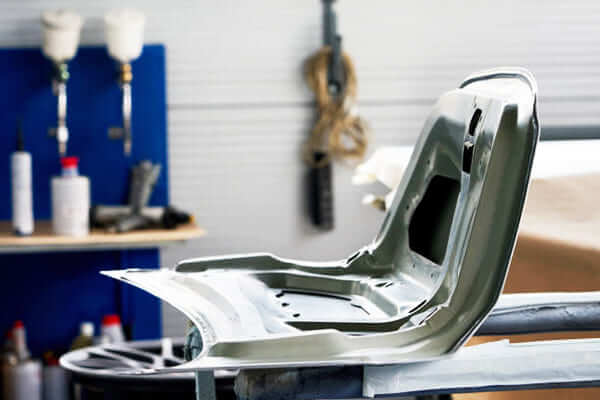
16 l'alluminio calibro è ampiamente utilizzato in pannelli della carrozzeria del veicolo, rinforzi del telaio, E scudi di calore grazie al suo favorevole rapporto resistenza/peso.
La sua resistenza alla corrosione lo rende adatto anche per rimorchi, letti per camion, e componenti ferroviari, dove l’esposizione a lungo termine alle condizioni meteorologiche è una preoccupazione.
Esempio: Nella progettazione di veicoli elettrici leggeri, 16 l'alluminio calibro aiuta a ridurre il peso del veicolo fino a 30%, migliorare l’efficienza energetica e l’autonomia della batteria.
Edilizia e architettura
Nel settore edile, questo indicatore è comunemente usato per pannelli esterni, scossaline del tetto, intradossi, E schermi antipioggia.
Il materiale offre resistenza al vento, piovere, ed esposizione ai raggi UV mantenendo l'estetica architettonica.
Inoltre, 16 vengono scelti fogli di alluminio di spessore rivestimenti di pareti interne, pannelli dell'ascensore, E facciate decorative, soprattutto negli edifici commerciali e pubblici.
HVAC e condutture
La conduttività termica e la resistenza alla corrosione dell'alluminio lo rendono ideale per Involucri HVAC, sistemi di ventilazione, E pannelli del condotto.
IL 16 lo spessore del calibro è sufficientemente rigido da resistere alla pressione dell'aria e allo stress ambientale, pur essendo leggero e facile da fabbricare.
Fabbricazione e attrezzature industriali
I produttori industriali utilizzano 16 calibro in alluminio per coperture di macchinari, recinti, cassette degli attrezzi, E guardie protettive.
Offre la durabilità necessaria per la protezione meccanica consentendo al tempo stesso una fabbricazione efficiente attraverso il taglio, flessione, e saldatura.
Marino e aerospaziale
Data la sua ottima resistenza alla corrosione in ambienti salini, 16 viene applicato anche l'alluminio di calibro piccole imbarcazioni marittime, interni di barche, E rivestimenti o carenature di aerei.
La sua capacità di resistere all'ossidazione senza rivestimenti pesanti è una risorsa fondamentale in questi campi.

Prodotti di consumo e mobili
I produttori di elettrodomestici spesso utilizzano questo indicatore per pannelli del forno a microonde, schienali del frigorifero, E attrezzatura da cucina.
Allo stesso modo, mobili in alluminio e sistemi di scaffalature sono spesso presenti 16 fogli di spessore grazie alle loro proprietà leggere ma robuste.
6. Proprietà meccaniche e fisiche di 16 Foglio di alluminio calibro
Conoscere le proprietà meccaniche e fisiche del 16 La lamiera di alluminio di calibro è essenziale per selezionare il materiale giusto per la struttura, industriale, e applicazioni commerciali.
Mentre i valori effettivi possono variare in base alla lega e alla tempra, quanto segue copre le caratteristiche generali comunemente osservate in questo spessore.
Panoramica sullo spessore
- Spessore nominale: ~0,0508 pollici (1.29 mm)
- Peso (per lega 5052-H32): ~1,84 libbre/piede² (9.0 kg/mq)
- Densità (Alluminio): 2.70 g/cm³
Proprietà meccaniche (Valori tipici)
| Proprietà | Intervallo di valori | Note |
|---|---|---|
| Resistenza alla trazione | 110 – 260 MPa | Varia in base alla lega (per esempio., 1100, 3003, 5052, 6061) |
| Forza di snervamento | 34 – 215 MPa | Inferiore per le leghe pure, maggiore per i trattati termicamente |
| Allungamento a rottura | 5% – 30% | Riflette la formabilità |
| Durezza (Brinell) | 25 – 95 HB | Dipende dalla lega e dallo stato d'animo |
| Modulo di elasticità | ~69 GPa | Simile nella maggior parte delle leghe di alluminio |
Proprietà fisiche
| Proprietà | Valore tipico |
|---|---|
| Conduttività termica | ~130 – 235 W/m·K |
| Conduttività elettrica | ~35 – 62% SIGC |
| Punto di fusione | 600°C – 660°C |
| Coefficiente di espansione termica | 23.1–24,0 µm/m·K |
| Resistenza alla corrosione | Alto (soprattutto per 5000 serie) |
| Riflettività | ~80% – 92% |
Influenza della lega e della tempra
Il comportamento meccanico di 16 il calibro dell'alluminio può variare in modo significativo a seconda della lega specifica e dello stato d'animo utilizzati:
- 3003-H14: Offre eccellente formabilità e resistenza moderata; ideale per condutture e applicazioni architettoniche.
- 5052-H32: Una delle leghe non trattabili termicamente più resistenti, con resistenza alla corrosione superiore, soprattutto in ambienti marini.
- 6061-T6: Trattabile termicamente e ad alta resistenza, utilizzato per parti strutturali ma meno formabile delle leghe più morbide.
Formabilità e lavorabilità
- Formabilità: Ottimo negli umori come H14, O, o H32; adatto per imbutitura profonda, flessione, e rotolante.
- Lavorabilità: Moderare; leghe come 6061 sono più facili da lavorare ma potrebbero richiedere lubrificazione e utensili affilati.
7. Conclusione
IL 16 foglio di alluminio calibro, con spessore standardizzato di 0.0508 pollici (1.29 mm), è un materiale ampiamente utilizzato e altamente versatile.
Combina i vantaggi della leggerezza, formabilità, e forza: ideale per una varietà di applicazioni commerciali e industriali.
Tuttavia, la corretta selezione del materiale richiede molto più della semplice conoscenza del calibro.
Gli utenti devono anche considerare il tipo di lega, requisiti meccanici, condizioni ambientali, e processi di fabbricazione per garantire prestazioni ottimali.
Se scelto correttamente, 16 l'alluminio calibro offre una durata eccezionale, efficienza termica, ed efficienza in termini di costi.