
Guida completa al foglio di alluminio PTP farmaceutico: Decodifica tecnica e pratica applicativa dei materiali di base
Nel preciso mondo del packaging farmaceutico, un pezzo di foglio di alluminio capelli più sottili di un terzo del diametro di un capello umano si assumono la pesante responsabilità di salvaguardare la sicurezza dei farmaci e assicurarne un’efficacia stabile. PTP farmaceutico (Premere attraverso l'imballaggio) foglio di alluminio, come materiale sigillante per il confezionamento in blister, possiede una profondità tecnica molto maggiore di quanto suggerisca il suo aspetto sottile e leggero. Questo articolo fornisce un'analisi approfondita di questo materiale chiave, offrendo un sistema di conoscenza completo dai principi di base alle tendenze all'avanguardia per le aziende farmaceutiche, ingegneri del confezionamento, e specialisti degli appalti.

1. Comprensione completa del foglio di alluminio PTP: Molto più di una semplice lamina di metallo
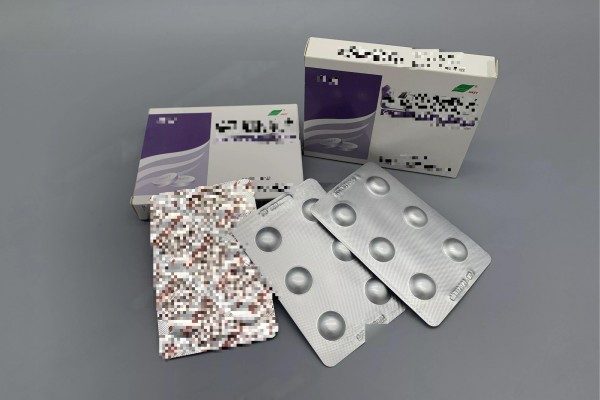
Il foglio di alluminio PTP è un sistema di materiale composito progettato con precisione progettato per soddisfare molteplici requisiti funzionali. Non è semplicemente una sottile lamina di metallo ma a “sandwich” struttura composta da funzionali, barriera, e strati adesivi, ciascuno attentamente progettato e rigorosamente realizzato.
1.1 Meccanismo di protezione sinergica della struttura a tre strati
Strato esterno: Portatore di informazioni e strato protettivo primario
- Composizione del materiale: Utilizza inchiostri speciali conformi agli standard farmaceutici, applicati tramite processi di stampa rotocalco o flessografica.
- Funzioni principali:
- Etichetta chiaramente il nome del farmaco, forza, numero di lotto, data di scadenza, e informazioni sul produttore.
- Integra tecnologie anticontraffazione: compresi gli inchiostri termocromici, ologrammi laser, microtesto, e codici QR univoci.
- Fornisce schermatura primaria dalla luce e protezione meccanica.
- Chiave tecnica: Gli inchiostri devono soddisfare severi requisiti di bassa migrazione, elevata adesione, resistenza ai graffi, e resistenza allo sfregamento con alcol.
Strato intermedio: Strato barriera assoluta centrale
- Composizione del materiale: 8011-H18, 8021, O 8079 Lega di alluminio, gamma di spessori 20-30 micron.
- Funzioni principali:
- Fornisce vicino 100% barriera al vapore acqueo (WVTR tipicamente <0.1 g/m²·24h).
- Blocca completamente la trasmissione dell'ossigeno (OTR vicino 0 cm³/m²·24h·atm).
- 100% blocca la luce UV e visibile, prevenendo la fotolisi dei farmaci.
- Mantiene la resistenza meccanica, garantendo pulito, burr-free edges during stamping.
- Chiave tecnica: Alloy composition control, uniformità di spessore, pinhole rate control.
Strato interno: Functional Intelligent Adhesive Layer
- Composizione del materiale: A base di PVC, PVDC-based, or acrylic-based heat-seal coating.
- Funzioni principali:
- Forms a strong seal with blister substrate (PVC/PVDC/PET) under heat-sealing conditions.
- Precisely balances seal strength and opening force for “facile passaggio” opening.
- Chemically inert to active pharmaceutical ingredients, with no migration or adsorption.
- Chiave tecnica: Coating formula design, uniformità del rivestimento, heat-seal window matching.
1.2 PTP Aluminum Foil Performance Advantage Matrix
| Dimensione della prestazione | Prestazioni specifiche | Significance for Drug Protection |
|---|---|---|
| Physical Barrier | Complete light, ossigeno, e barriera contro l'umidità | Prevents active ingredient degradation, ossidazione, idrolisi. |
| Mechanical Protection | Certain compressive strength, resistenza alla perforazione | Protects drugs from physical damage during transport and storage. |
| Sealing Reliability | Controllable heat-seal strength (typically 7-12N/15mm) | Ensures package integrity, previene la contaminazione. |
| Ease of Use | Press-through dispensing, no tools like scissors needed | Migliora la compliance del paziente, soprattutto per i gruppi di anziani. |
| Compatibilità di produzione | Adatto per macchine confezionatrici automatiche ad alta velocità (fino a 1000 blister/min) | Soddisfa le esigenze di produzione industriale su larga scala. |
2. Pratica approfondita della scienza dei materiali: Dalla lega al rivestimento
2.1 Base scientifica per la selezione delle leghe
Perché la lega 8011-H18 è lo standard del settore?
La composizione chimica di 8011 Lega di alluminio (Sistema Al-Fe-Si) è appositamente progettato per formarsi bene, composti intermetallici uniformi durante la laminazione a freddo e la ricottura. Queste microstrutture conferiscono al materiale una combinazione unica di proprietà:
- Eccellenti prestazioni di imbutitura profonda: Può sopportare una significativa deformazione plastica durante la formazione delle bolle senza rompersi.
- Proprietà meccaniche stabili: La tempra H18 fornisce l'equilibrio ottimale della resistenza alla trazione (≥180MPa) e allungamento (≥1%).
- Buona compatibilità con la saldatura a caldo: La condizione della superficie è compatibile con vari rivestimenti termosaldati, garantire l’affidabilità del legame.
- Efficacia in termini di costi: Raggiunge l'equilibrio ottimale tra le prestazioni, lavorabilità, e costo.
Selezione delle leghe per applicazioni speciali
| Scenario applicativo | Lega consigliata | Motivazione |
|---|---|---|
| Compresse/capsule convenzionali | 8011-H18 | Prestazioni complessive ottimali, elevata redditività. |
| Farmaci di alto valore/sensibili | 8021-O | Maggiore duttilità, migliore consistenza della formazione. |
| Imballaggio ad altissima velocità (>800 blister/min) | 8079-H18 | Maggiore resistenza alla trazione, riduce il rischio di rottura del nastro. |
| Climi speciali (Alta temperatura/umidità) | 8021-H18 | Migliore resistenza alla corrosione e stabilità. |
2.2 Evoluzione e sviluppo della tecnologia di rivestimento
Prima generazione: Rivestimento termosaldante a base di PVC
- Vantaggi: Buona compatibilità con lastra rigida in PVC, ampia finestra termosaldata, basso costo.
- Limitazioni: Pressione ambientale, potenziali rischi derivanti dal cloro.
- Applicazione: Confezionamento convenzionale dei farmaci, prodotti particolarmente sensibili ai costi.
Seconda generazione: Rivestimento ad alta barriera basato su PVDC
- Vantaggi: Fornisce una barriera aggiuntiva, migliora la protezione complessiva del pacchetto.
- Limitazioni: Richiede un controllo della temperatura di termosaldatura più preciso, costo più elevato.
- Applicazione: Farmaci con particolari requisiti di barriera.
Terza generazione: Rivestimenti acrilici e altri rivestimenti ecologici
- Vantaggi: Senza alogeni, rispettoso dell'ambiente, prestazione stabile di termosaldatura, ampia adattabilità.
- Limitazioni: Barriera tecnica elevata, meno fornitori.
- Applicazione: Farmaci di fascia alta per l'esportazione verso i mercati UE/USA o con requisiti ambientali.
Indicatori chiave delle prestazioni del rivestimento
| Parametro di prestazione | Metodo di prova | Requisito standard | Fattori che influenzano |
|---|---|---|---|
| Resistenza alla termosaldatura | ASTM F88 | 7-12 N/15mm | Formula di rivestimento, grado di guarigione, uniformità di spessore. |
| Temperatura di inizio saldatura a caldo | Test della curva di termosaldatura | Gamma specifica (per esempio., 120-140°C) | Temperatura di transizione vetrosa del rivestimento. |
| Larghezza finestra termosaldata | Curva resistenza-temperatura | Più ampio è meglio (tipicamente >15°C) | Progettazione di formule, distribuzione del peso molecolare. |
| Peso del rivestimento | Metodo gravimetrico | 3-6 g/m² (adattato per applicazione) | Precisione del controllo del processo di rivestimento. |

3. Processo di produzione completo: Dal lingotto al prodotto finito
3.1 Punti chiave di controllo nel processo produttivo
Precisione del controllo dello spessore
- Bersaglio: Tolleranza sullo spessore longitudinale ±2%, Tolleranza sullo spessore trasversale ±3%.
- Significa: Monitoraggio in tempo reale con misuratori a raggi X, controllo automatico del feedback della forza di laminazione.
- Significato: La variazione dello spessore porta ad una distribuzione non uniforme della pressione di termosaldatura, causando rischio di perdite.
Tolleranza zero per i fori di spillo
- Metodo di rilevamento: Sistema di rilevamento stenopeico fotoelettrico online, sensibilità fino a fori stenopeici di Φ20μm.
- Standard: È necessario un foglio di qualità farmaceutica <5 fori stenopeici/m² (la maggior parte dei clienti richiede zero fori stenopeici).
- Impatto: Un singolo foro stenopeico può consentire l’ingresso di umidità e ossigeno, provocando la degradazione del farmaco.
Uniformità del rivestimento
- Indicatore di controllo: Deviazione del peso del rivestimento < ±0,2 g/m².
- Tecnologia: Misurazione laser dello spessore del rivestimento, controllo a circuito chiuso della pressione della testa di spalmatura.
- Importanza: Il rivestimento irregolare influisce direttamente sull'uniformità e sulla consistenza della resistenza della termosaldatura.
Pulizia della superficie
- Requisito: Privo di olio, polvere, e altri contaminanti.
- Processo di pulizia: Pulizia elettrolitica, pulizia ad ultrasuoni, NEL risciacquo con acqua.
- Scopo: Garantisce l'adesione del rivestimento e la qualità di stampa.

4. Selezione delle applicazioni e sistema di controllo qualità
4.1 Matrice decisionale di selezione
| Fattore decisionale | Farmaci convenzionali | Farmaci di alto valore/sensibili | Forme di dosaggio speciali |
|---|---|---|---|
| Spessore della lamina | 0.020-0.025mm | 0.025-0.030mm | Personalizzato per forma di dosaggio. |
| Tipo di lega | 8011-H18 | 8021-Temperamento H18 o O | 8079 o lega personalizzata. |
| Rivestimento a base di calore | Specifico per PVC o Universale | PVDC o a base acrilica | Rivestimenti speciali (per esempio., resistente alla luce). |
| Requisito di stampa | Mono/Bicolore, anticontraffazione di base. | Multicolore, anticontraffazione avanzata, Codice QR. | Esigenze di marcatura speciali. |
| Considerazione sui costi | Priorità di costo. | Priorità prestazionale. | Costo di personalizzazione. |
4.2 Sei dimensioni per la valutazione dei fornitori
Dimensione Uno: Conformità & Certificazione
- Must-have: GMP (ISO 15378) certificazione, ISO 9001 sistema di qualità.
- Importante: USP <87> <88>, EP 3.2.2, eccetera., Prova di conformità alla farmacopea.
- Più: Presentazione DMF alla FDA, registrazioni di audit specifici del cliente.
Dimensione Due: Capacità tecnica & R&D
- Configurazione del laboratorio: Attrezzatura di prova completa (termosigillante, tester per buccia, tester stenopeico, Test WVTR, eccetera.).
- R&Squadra D: Formula di rivestimento dedicata R&Capacità D.
- Capacità di personalizzazione: Capacità di sviluppare soluzioni personalizzate per esigenze particolari.
Dimensione Tre: Controllo del processo produttivo
- Controllo del processo: Implementazione dell'SPC, parametro chiave Cpk ≥ 1.33.
- Ispezione in linea: 100% rilevamento di fori stenopeici online, 100% monitoraggio dello spessore.
- Tracciabilità: Completa tracciabilità bidirezionale dal prodotto finito alla materia prima.
Dimensione Quattro: Stabilità della qualità
- Coerenza del lotto: Fornire dati per >10 lotti consecutivi che dimostrano la stabilità dei parametri chiave.
- Documentazione di qualità: Completezza e standardizzazione del CoA, CoC, Scheda di sicurezza, eccetera.
- Gestione dei reclami: Reclamo di qualità efficace e sistema CAPA.
Dimensione Cinque: Affidabilità della catena di fornitura
- Controllo delle materie prime: Origine dei lingotti, gestione dei fornitori di inchiostri e rivestimenti.
- Garanzia di capacità: Capacità sufficiente per gestire le fluttuazioni della domanda.
- Tasso di consegna puntuale: Analisi dei dati storici delle consegne.
Dimensione Sesta: Supporto del servizio tecnico
- Supporto in loco: Capacità di fornire il debug della linea di confezionamento, Risoluzione dei problemi, eccetera.
- Formazione Tecnica: Fornitura di conoscenza del prodotto, formazione sull'utilizzo.
- Miglioramento continuo: Visite di controllo regolari, fornitura di suggerimenti di ottimizzazione.
4.3 Elementi chiave e metodi per l'ispezione in entrata
| Elemento di ispezione | Metodo di ispezione | Criteri di accettazione | Frequenza di ispezione |
|---|---|---|---|
| Spessore & Uniformità | Micrometro/spessimetro | Nominale ±3%, Gamma trasversale <5% | Almeno 5 punti per tiro. |
| Resistenza alla termosaldatura | ASTM F88 | Con blister specificato: 7-12N/15mm | Almeno 3 campioni per lotto. |
| Laurea stenopeica | Rapporto in linea + Controllo del campionamento | Secondo accordo (tipicamente zero). | Esaminare il rapporto per batch. |
| Qualità di stampa | Visivo + Colorimetro | Testo chiaro, differenza di colore ΔE < 2.0. | Per lotto. |
| Peso del rivestimento | Metodo gravimetrico | Nominale ±10%. | Per lotto. |
| Coefficiente di attrito | ASTM D1894 | 0.2-0.4 (per requisito della macchina). | Per lotto. |
| Limiti microbici | Metodo della farmacopea | Soddisfa gli standard di controllo interno. | Periodico / In caso di dubbio. |
5. Frontiere del settore e tendenze future
5.1 Direzioni dell'innovazione tecnologica
Tecnologia di rivestimento ad alta barriera
- Sviluppare nuovi rivestimenti nanocompositi per migliorare il WVTR >30% senza aumentare lo spessore.
- Ricerca rivestimenti di coestrusione multistrato per la progettazione funzionale del gradiente.
Intelligente & Integrazione digitale
- Integra chip RFID/NFC per una tracciabilità completa a livello di unità.
- Sviluppare indicatori tempo-temperatura (TTI) per mostrare visivamente la conformità delle condizioni di conservazione.
- Applicare sensori stampati con inchiostro conduttivo per monitorare l'integrità della confezione.
Sviluppo sostenibile
- Diluizione del rivestimento: Ridurre l'utilizzo del rivestimento di 30% pur mantenendo le prestazioni.
- Sistemi di verniciatura a base acqua: Sostituire i rivestimenti a base solvente, ridurre i COV.
- Alleggerimento: Ottimizza i materiali per ridurre lo spessore della lamina da 0,025 mm a 0,020 mm.
- Ricerca sul riciclaggio: Sviluppare tecnologie di separazione chimica o fisica per i fogli PTP usati.
Personalizzazione & Funzionalizzazione
- Stampa su richiesta: Supporta piccoli lotti, personalizzazione multiversione.
- Imballaggio a prova di bambino: Sviluppare strutture CR che richiedono tecniche specifiche per l'apertura.
- Design adatto agli anziani: Ottimizza la forza di apertura, progettare caratteristiche di strappo di facile presa.
5.2 Normativa & Evoluzione standard
- Inasprimento normativo globale: Requisiti FDA/EMA sempre più severi per gli estraibili & studi sulle sostanze rilasciabili.
- Normativa sulla sostenibilità: Il Green Deal dell’UE guida i requisiti di riciclabilità degli imballaggi.
- Anticontraffazione & Tracciabilità: Molti paesi impongono caratteristiche di tracciabilità sulle confezioni dei farmaci.
- Aggiornamenti sulla farmacopea cinese: Requisiti più espliciti per gli studi sulla compatibilità dei materiali di imballaggio.
6. Domande frequenti approfondite
Q1: Il nostro farmaco deve essere esportato nelle regioni tropicali. Come dovremmo selezionare le specifiche del foglio PTP?
A1: Alta temperatura, gli ambienti ad alta umidità richiedono prestazioni di barriera più elevate. Raccomandazioni:
- Selezione dello spessore: Dai la priorità a specifiche più spesse come 0,025 mm o 0,030 mm.
- Ottimizzazione delle leghe: Considerare 8021 lega per una migliore resistenza alla corrosione.
- Corrispondenza del rivestimento: Scegli rivestimenti a base PVDC o acrilici per una barriera aggiuntiva.
- Test di convalida: Deve eseguire test di stabilità accelerati (per esempio., 6 mesi a 40°C/75% UR) per confermare l’efficacia del sistema di confezionamento.
- Forza del sigillo: Aumentare opportunamente la resistenza della termosaldatura fino al range superiore (per esempio., 10-12N/15mm).
Q2: Riscontriamo spesso sigilli deboli sulla linea di confezionamento. Come risolvere i problemi in modo sistematico?
A2: Si tratta di una questione multifattoriale. Passaggi consigliati per la risoluzione dei problemi:
| Area di indagine | Checkpoint specifici | Soluzioni |
|---|---|---|
| Compatibilità dei materiali | Rivestimento in lamina compatibile con il foglio blister? | Controlla le schede tecniche, eseguire test di compatibilità. |
| Parametri di termosaldatura | Temperatura, pressione, impostazioni dell'ora. | Eseguire nuovamente i test della curva di termosaldatura per determinare i parametri ottimali. |
| Condizioni dell'attrezzatura | Planarità della piastra termosaldata, uniformità della temperatura. | Utilizzare carta termica per controllare la distribuzione della temperatura, riparare/sostituire le piastre. |
| Qualità della lamina | Uniformità del rivestimento, tensione superficiale. | Testare il peso del rivestimento e il livello di dyne, comunicare con il fornitore. |
| Fattori ambientali | Temperatura ambiente & umidità. | Controllo a 23±2°C, 50±5%UR. |
| Parametri di processo | Impostazioni della tensione della macchina. | Regolare la tensione di svolgimento/riavvolgimento per evitare che la pellicola si accartocci. |
Q3: Come valutare la sostenibilità del foglio di alluminio PTP? Quali metriche quantificabili ci sono?
A3: La valutazione della sostenibilità dovrebbe considerare l’intero ciclo di vita:
- Impronta di carbonio: Richiedi i dati sull'impronta di carbonio per m² di pellicola (kgCO₂eq/m²) dai fornitori.
- Progresso nella riduzione del peso: Confronta fogli di diverso spessore, calcolare l'uso di alluminio per dose (g/forma di dosaggio).
- Uso dell'energia rinnovabile: Comprendere la percentuale di energia verde utilizzata nella produzione.
- Progettare per il riciclaggio: Valutare le caratteristiche di progettazione del foglio per la riciclabilità.
- Prestazioni ESG dei fornitori: Esaminare le condizioni ambientali del fornitore, Sociale, e la performance della governance.
Metriche specifiche per riferimento:
- Riducendo lo spessore della lamina da 0,025 mm a 0,020 mm è possibile ridurre l'utilizzo dell'alluminio 20%.
- L’utilizzo di vernici a base acqua può ridurre di oltre le emissioni di COV 60%.
- Il foglio prodotto utilizzando elettricità verde può avere a >50% minore impronta di carbonio.
Q4: Per farmaci di alto valore come i biologici, quali fattori speciali devono essere presi in considerazione per la pellicola PTP?
A4: I farmaci di alto valore hanno requisiti di imballaggio estremi:
- Barriera Ultima: Hai bisogno di rivestimenti personalizzati ad alta barriera, WVTR dovrebbe esserlo <0.05 g/m²·24h.
- Basso assorbimento: La formula di rivestimento necessita di una progettazione speciale per evitare l'assorbimento degli API.
- Massima pulizia: L'ambiente di produzione necessita di una maggiore pulizia per ridurre la contaminazione da particolato.
- Verifica dell'integrità: Ogni lotto deve essere sottoposto a test di integrità della confezione (per esempio., decadimento del vuoto).
- Verifica dei fornitori: Deve condurre audit in loco dei fornitori per garantire che il sistema di qualità soddisfi pienamente i requisiti.
- Convalida della stabilità: Condurre studi di stabilità a lungo termine (per esempio., 24-36 mesi in tempo reale).
Q5: Di fronte alla volatilità dei prezzi delle materie prime, come ottimizzare i costi di approvvigionamento del foglio PTP senza compromettere la qualità?
A5: L’ottimizzazione dei costi richiede un pensiero sistematico:
| Strategia di ottimizzazione | Misure specifiche | Risparmio potenziale | Controllo del rischio |
|---|---|---|---|
| Ottimizzazione tecnica | Diluizione moderata basata sulla validazione (per esempio., 0.025→0,022 mm). | Costo del materiale ridotto 10-15%. | Deve eseguire la convalida completa del pacchetto. |
| Unificazione delle specifiche | Unificare le specifiche all'interno del gruppo, centralizzare gli appalti. | Costi di approvvigionamento in calo 5-10%. | Assicurati che le specifiche soddisfino tutte le esigenze del prodotto. |
| Partenariato con i fornitori | Accordo a lungo termine con il fornitore principale, collegamento dei prezzi. | Ridurre la volatilità dei prezzi. | Stabilire fornitori di backup per la sicurezza. |
| Ottimizzazione dell'inventario | Implementare il VMI (Inventario gestito dal fornitore). | Ridurre il capitale vincolato 20-30%. | Chiaro accordo di gestione dell'inventario. |
| Risparmio di processo | Ottimizza la larghezza della fessura per ridurre gli sprechi di rifinitura dei bordi. | Aumentare l'utilizzo del materiale di 3-5%. | Verificare l'adattabilità della macchina confezionatrice. |
| Semplificazione degli imballaggi | Semplifica la stampa laddove le normative lo consentono. | Ridurre i costi di stampa. | Assicurarsi che tutta l'etichettatura necessaria sia completa. |
Soprattutto, adottare un Costo totale di proprietà (TCO)prospettiva, non concentrandosi solo sul prezzo di acquisto. Le interruzioni della produzione dovute all’instabilità della qualità possono superare di gran lunga il risparmio di materiale.
Conclusione: Scegliere il futuro con visione tecnica
L'evoluzione tecnologica del settore farmaceutico Foglio di alluminio PTP è un microcosmo dell'interazione tra la scienza dei materiali, esigenze farmaceutiche, e processi produttivi. Da un semplice coperchio in metallo al prodotto high-tech di oggi con molteplici protezioni e tracciabilità intelligente, lo sviluppo del foglio PTP riflette l’incessante ricerca della sicurezza da parte del settore dell’imballaggio farmaceutico, convenienza, e sostenibilità.
Affrontare il futuro, le aziende farmaceutiche e i fornitori di imballaggi devono stabilire partenariati più stretti per affrontare insieme le sfide della medicina personalizzata, catene di fornitura globalizzate, e sviluppo sostenibile. Scegliere il foglio di alluminio PTP non significa semplicemente selezionare un materiale di imballaggio; è scegliere un impegno di qualità, una filosofia tecnica, e un partner per la crescita.
Dietro questo pezzo di pellicola, meno di 30 micron di spessore, risiede la responsabilità significativa di salvaguardare la sicurezza globale dei farmaci dei pazienti e una fase importante per l’innovazione tecnologica nel settore dell’imballaggio farmaceutico. Solo comprendendone a fondo l’essenza tecnica si possono fare le scelte più sagge, fornire ai farmaci la barriera protettiva più affidabile.