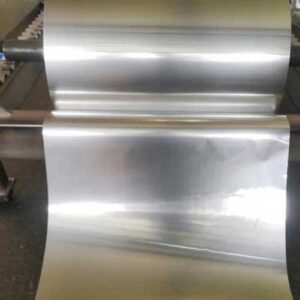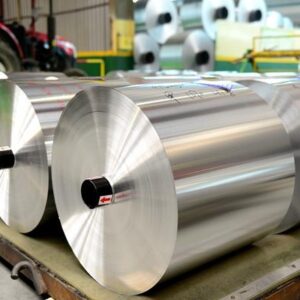

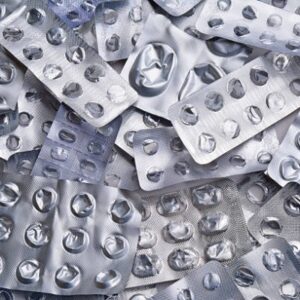
8079 Foglio di alluminio rivestito in PVDC per blister

Modello: 8079 Lamina rivestita in PVDC
Applicazione: Confezionamento in blister ad alta barriera per farmaci e integratori sensibili.
Personalizzazione: Spessore, Rivestimento, stampa.
Certificazione: FDA, EMA, ISO.
Caratteristiche principali:
- Barriera superiore contro umidità/ossigeno
- Eccellente formabilità
- Sigillatura termica stabile
- Fori stenopeici bassi
Confezione: Rotoli giganti.
1. Introduzione
8079 Il foglio di alluminio rivestito in PVDC è un materiale chiave ad alta barriera nel confezionamento in blister farmaceutico. È ampiamente utilizzato per il confezionamento di compresse, capsule, integratori sanitari, dispositivi medici, e prodotti alimentari di fascia alta.
Con l’aumento delle richieste globali di stabilità dei farmaci, durata di conservazione, e sicurezza, I materiali convenzionali per blister in PVC spesso non sono all'altezza dei farmaci altamente sensibili. Ciò include igroscopico, incline all'ossidazione, e farmaci sensibili alla luce, così come formulazioni contenenti API ad alta attività o progettate per un rilascio prolungato.
L'imballaggio per tali prodotti deve offrire proprietà barriera superiori, tassi di trasmissione di umidità e ossigeno estremamente bassi, prestazioni affidabili di termosaldatura, e resistenza meccanica stabile.
È in questo contesto di mercato che 8079 Il foglio di alluminio rivestito in PVDC è diventato un prodotto mainstream, materiale di imballaggio farmaceutico di fascia alta. I suoi vantaggi principali derivano da due componenti chiave:
8079 Substrato in lega di alluminio
8079 appartiene alla serie 8xxx delle leghe di alluminio, conosciuto per:
- Numero di fori stenopeici estremamente basso
- Eccellente duttilità
- Prestazioni superiori di imbutitura profonda
- Capacità più stabile per la laminazione ultrasottile Anche con spessori fino a 20μm, mantiene buone resistenze meccaniche e proprietà barriera.
Rivestimento PVDC ad alta barriera
PVDC (Cloruro di polivinilidene) è un polimero barriera ad alte prestazioni, caratterizzato:
- Trasmissione del vapore acqueo estremamente bassa
- Trasmissione di ossigeno ultrabassa
- Buona resistenza alla corrosione chimica
- Prestazioni di termosaldatura stabiliIl rivestimento in PVDC può sigillare ulteriormente i micropori nel foglio di alluminio, migliorando significativamente la prestazione barriera complessiva dell’imballaggio.
Perciò, 8079 È possibile ottenere un foglio di alluminio rivestito in PVDC:
- Velocità di trasmissione del vapore di umidità (Mvtr) < 0.1 g/m²·giorno
- Velocità di trasmissione dell'ossigeno (OTR) vicino a 0Ciò prolunga efficacemente la durata di conservazione del farmaco e garantisce la stabilità dell'efficacia.
Attualmente, questo materiale è una soluzione vitale per PTP (Press-Through-Pack) confezionamento in blister farmaceutico, imballaggi per le regioni tropicali, e altre applicazioni di confezionamento farmaceutico ad alta barriera.
2. Analisi di 8079 Materiale di base del foglio di alluminio
2.1 Composizione di 8079 Lega di alluminio
8079 la lega di alluminio appartiene alla serie 8xxx. Questa serie viene utilizzata principalmente per fogli ultrasottili, confezione farmaceutica, imballaggio alimentare, imballaggio della batteria, e materiali compositi ad alta barriera.
L'unicità di 8079 sta nel controllo rigoroso del suo ferro (Fe) al silicio (E) rapporto, che ottimizza le prestazioni di rotolamento e la duttilità garantendo allo stesso tempo resistenza.
Composizione chimica
| Elemento | Gamma di contenuti | Funzione primaria |
|---|---|---|
| Alluminio (Al) | ≥ 98.0% | Fornisce le proprietà barriera di base |
| Ferro (Fe) | 0.7 – 1.3% | Aumenta la forza, affina la struttura del grano |
| Silicio (E) | 0.05 – 0.30% | Migliora le prestazioni di rotolamento |
| Rame (Cu) | ≤ 0.05% | Controllo delle impurità |
| Zinco (Zn) | ≤ 0.10% | Controllo delle impurità |
| Altri | ≤ 0.15% | Controllo degli oligoelementi |
2.2 Temperamento comune
Nel campo del confezionamento in blister farmaceutico, 8079 è utilizzato quasi esclusivamente nel O temperamento (Ricotto, Temperamento morbido).
Il temperamento O rappresenta uno stato completamente ricotto, caratterizzato da elevata morbidezza, forte allungamento, ottima formabilità, e resistenza alla fessurazione durante l'imbutitura profonda.
Importanza di O Temper
Il processo di formazione del blister prevede la pressatura, allungamento, e termosaldatura. Una durezza eccessiva della lamina può causare screpolature, fratturarsi, fori di spillo, e scarsa tenuta. O temperamento 8079 mantiene una deformazione stabile, migliora l'integrità del pacchetto, e riduce il tasso di scarto, rendendolo lo standard per l'imballaggio farmaceutico.
2.3 Spessori comuni
Diverse strutture di imballaggio hanno requisiti di spessore diversi.
Specifiche comuni
| Applicazione | Intervallo di spessore |
|---|---|
| Lamina PTP standard | 20 – 30 micron |
| Confezione in blister ad alta barriera | 25 – 30 micron |
| Lamina per climi tropicali | 25 – 35 micron |
| Imballaggi in alluminio-alluminio stampati a freddo | 40 – 65 micron |
| Laminati per imballaggi flessibili | 6 – 20 micron |
Importanza del controllo dello spessore
Lo spessore della lamina deve essere mantenuto con una consistenza estremamente elevata. Una variazione eccessiva dello spessore può portare a una sigillatura instabile, profondità di formazione incoerenti, prestazioni della barriera fluttuanti, e perdite della confezione. Il foglio farmaceutico di fascia alta controlla generalmente la tolleranza dello spessore entro ±5% o ±0,001 mm per garantire la compatibilità con le apparecchiature di imballaggio automatizzate ad alta velocità.
2.4 Proprietà fisiche e meccaniche
8079 il foglio di alluminio farmaceutico offre eccellenti prestazioni complessive.
| Proprietà | Valore tipico | Funzione |
|---|---|---|
| Resistenza alla trazione | ≥ 100 – 150 MPa | Garantisce la robustezza dell'imballaggio |
| Allungamento | 3.5% – 7% | Migliora la capacità di imbutitura profonda |
| Densità | 2.70 g/cm³ | Consente un imballaggio leggero |
| Forza di scoppio | 80 – 270 Kpa | Resistenza alla pressione interna |
| Controllo del foro stenopeico | ≤ 1 pezzi/m² | Garantisce elevate proprietà barriera |
| Tolleranza sullo spessore | ± 5% | Migliora la manovrabilità dell'attrezzatura |
Perché è 8079 Più adatto per fogli farmaceutici?
Rispetto a 8011, 8079 offre un allungamento maggiore, numero di fori stenopeici inferiore, e una maggiore capacità di imbutitura profonda, rendendolo più ampiamente utilizzato negli imballaggi farmaceutici di fascia alta, imballaggi per le regioni tropicali, e confezionamento di farmaci a lunga conservazione.
3. Cosa è 8079 Foglio di alluminio rivestito in PVDC?
8079 Il foglio di alluminio rivestito in PVDC è un materiale composito ad alte prestazioni per l'imballaggio farmaceutico. La sua struttura è composta da a 8079 Substrato in foglio di alluminio rivestito con uno strato ad alta barriera in PVDC. Questa combinazione integra il barriera luminosa assoluta in foglio di alluminio metallico con il barriera superiore all'ossigeno e all'umidità del PVDC, ottenendo così un materiale da imballaggio con elevate proprietà barriera, elevata stabilità, e buona termosaldabilità.
3.1 Funzione del rivestimento in PVDC
Il PVDC è uno dei materiali ad alta barriera più affermati nel packaging farmaceutico.
(1) Barriera all'ossigeno superiore
Il PVDC ha una struttura molecolare densa, rendendo difficile la penetrazione dell’ossigeno. La sua tipica velocità di trasmissione dell'ossigeno (OTR) È <1 cm³/(m²·24h), proteggendo efficacemente gli antibiotici, farmaci ormonali, e formulazioni sensibili all'ossidazione dalla degradazione.
(2) Trasmissione del vapore acqueo estremamente bassa
Il PVDC può raggiungere una velocità di trasmissione del vapore acqueo (WVTR) Di <0.1 G/(m²·24h), migliorando significativamente la stabilità dei prodotti sensibili all'umidità come le compresse effervescenti, capsule, probiotici, e preparati erboristici.
(3) Resistenza alla corrosione chimica
Il PVDC offre un'eccellente resistenza chimica, tollerare gli acidi, alcali, e solventi organici, prevenire reazioni tra il materiale di confezionamento e il farmaco.
(4) Prestazioni di saldatura a caldo migliorate
Il PVDC migliora la resistenza della tenuta, integrità della tenuta, e stabilità alla buccia. È compatibile con vari nastri base blister come il PVC, ANIMALE DOMESTICO, PP, e Aclar.
3.2 Funzionamento nel confezionamento
In confezione blister, 8079 Il foglio di alluminio rivestito in PVDC viene generalmente utilizzato come foglio di copertura.
Dopo l'imballaggio, lo strato di PVDC è rivolto verso l'interno del blister, funzionamento per bloccare l'umidità e l'ossigeno, fornire la termosaldatura, e prevenire la degradazione del farmaco. È possibile stampare lo strato esterno del foglio di alluminio, serializzato, o contrassegnati con caratteristiche anticontraffazione per soddisfare le normative farmaceutiche.
3.3 Struttura tipica
La struttura comune è la seguente:
| Strato | Funzione |
|---|---|
| Livello di stampa | Branding e visualizzazione delle informazioni |
| Strato di primer | Migliora l'adesione dell'inchiostro |
| 8079 Substrato di foglio di alluminio | Strato barriera primario (blocca la luce, gas, umidità) |
| Rivestimento in PVDC | Strato barriera elevato (blocca l'ossigeno, umidità) |
| Strato termosaldato | Sigilla su PVC o altri nastri di base per blister |
Alcuni prodotti di fascia alta possono includere livelli aggiuntivi come quelli anti-contraffazione, strati facili da staccare, o strati di marcatura laser per aumentare la competitività sul mercato.
4. Perché scegliere 8079 Foglio blister rivestito in PVDC?
4.1 Proprietà barriera superiori
Questo è il suo vantaggio principale. Il foglio di alluminio stesso blocca la luce, gas, e umidità. Il rivestimento in PVDC sigilla ulteriormente i micropori, riducendo la trasmissione di ossigeno e umidità, raggiungere una barriera quasi assoluta. Questo è particolarmente adatto per farmaci altamente sensibili, mercati tropicali, e farmaci che richiedono una lunga durata di conservazione.
4.2 Forte resistenza al foro stenopeico
IL 8079 struttura a grana fine della lega, duttilità stabile, e il design a basso contenuto di silicio riducono efficacemente la formazione di fori stenopeici. Il rivestimento in PVDC può coprire anche i microdifetti della lamina, fornendo un doppio strato di protezione.
4.3 Eccellente formabilità per imbutitura profonda
O temperamento 8079 il foglio è altamente flessibile, adatto per vesciche a cavità profonda, confezione dalla forma speciale, e formazione di blister ad alta velocità, riducendo efficacemente il rischio di fessurazioni e tassi di scarto.
4.4 Prestazioni stabili della saldatura a caldo
Il PVDC ha un ampio intervallo di temperature di termosaldatura, abilitando la bassa temperatura, ad alta velocità, e sigillatura ad alta resistenza, rendendolo adatto alle moderne apparecchiature farmaceutiche ad alta velocità.
4.5 Elevata durata dell'imballaggio
8079 la lamina possiede un'elevata resistenza allo strappo e una buona resistenza meccanica, permettendogli di resistere alla compressione, attrito, e variazioni di temperatura/umidità durante il trasporto, proteggere efficacemente il prodotto farmaceutico.
4.6 Vantaggio leggero
L'utilizzo di un foglio di alluminio ultrasottile aiuta a ridurre il peso dell'imballaggio, costi di spedizione, e impronta di carbonio, in linea con le tendenze del packaging ecologico.
4.7 Eccellente stampabilità
Lo strato di lamina esterna supporta la stampa a colori, Stampa UV, serializzazione farmaceutica, e stampa anticontraffazione, soddisfare le esigenze del confezionamento di farmaci di marca.
5. Processo di produzione di 8079 Lamina farmaceutica rivestita in PVDC
5.1 Preparazione della materia prima
Lingotti di alluminio di elevata purezza (Al ≥ 99.7%) vengono utilizzati. Il contenuto di Fe e Si e Fe:Il rapporto Si è rigorosamente controllato tramite analisi spettroscopica per garantire la coerenza delle prestazioni finali.
5.2 Processo di laminazione della pellicola
Ciò include:
- Rotolamento caldo: Il lingotto viene inizialmente laminato fino a uno spessore di 2–6 mm.
- Rotolamento a freddo: La pellicola viene ulteriormente assottigliata, con controllo sulla rugosità superficiale, olio di rotolamento, e tensione.
- Finisci di rotolare: La lamina raggiunge lo spessore target finale (0.006–0,09 mm / 6-90micron) con precisione controllata dal misuratore di spessore a raggi X in linea.
5.3 Trattamento di ricottura
La ricottura viene eseguita a 250–300°C per alleviare lo stress da laminazione, ottimizzare la struttura del grano, e aumentare la morbidezza, raggiungere il carattere O.
5.4 Trattamento della superficie
Prima del rivestimento in PVDC, la lamina deve essere sottoposta a sgrassaggio, pulizia, e trattamento corona per aumentare l'energia superficiale e l'adesione del rivestimento.
5.5 Processo di rivestimento PVDC
Utilizza principalmente il rivestimento rotocalco o il rivestimento a rullo di precisione.
| Parametro | Gamma tipica |
|---|---|
| Peso del rivestimento | 5 – 120 g/m² |
| Specifica comune | 20 – 30 g/m² |
| Spessore del rivestimento | 1 – 30 micron |
L'ispezione in linea garantisce l'uniformità del rivestimento.
5.6 Taglio e confezionamento
Il prodotto finale viene tagliato a varie larghezze (per esempio., 60–1700 mm). I rotoli finiti sono confezionati con barriera antiumidità, sottovuoto, o includere essiccanti per prevenire l'assorbimento di umidità durante il trasporto e lo stoccaggio.

6. Sistema di controllo qualità
Ispezione in linea
Include la misurazione dello spessore, controllo dell'uniformità del rivestimento, e rilevamento dei difetti superficiali.
Test di laboratorio
- Proprietà barriera:Test WVTR e OTR.
- Proprietà meccaniche: Resistenza alla trazione, allungamento, test di resistenza allo scoppio.
- Prestazioni dell'imballaggio: Resistenza alla saldatura a caldo, forza della buccia, test di adesione del rivestimento.
- Test di sicurezza: Analisi dei solventi residui, contenuto di metalli pesanti, controllo microbiologico.
Tutti i test devono essere conformi agli standard e ai regolamenti internazionali come quelli della FDA, EMA, ISO, e USP.
7. Aree di applicazione
7.1 Confezione in blister farmaceutico
8079 Il foglio di alluminio rivestito in PVDC viene utilizzato principalmente per l'imballaggio in blister farmaceutico, compresi i tablet, capsule, antibiotici, farmaci cardiovascolari, e farmaci ormonali. Le sue eccellenti proprietà di barriera contro l'umidità e l'ossigeno aiutano a proteggere i medicinali sensibili dal degrado causato dall'umidità, ossigeno, ed esposizione alla luce.
Questo materiale è particolarmente adatto per prodotti farmaceutici esportati in regioni tropicali e ad alto tasso di umidità come il Sud-Est asiatico, il Medio Oriente, e Africa. Mantiene prestazioni di tenuta e barriera stabili anche in condizioni di conservazione ad alta temperatura e umidità elevata.
Per medicinali a lunga conservazione, 8079 Il foglio blister in PVDC aiuta a ridurre l'ossidazione, assorbimento dell'umidità, e contaminazione, garantire la stabilità del farmaco durante il trasporto e lo stoccaggio.
7.2 Imballaggio alimentare di fascia alta
8079 Il foglio di alluminio rivestito in PVDC è ampiamente utilizzato nelle applicazioni di imballaggio alimentare di fascia alta come il cioccolato, caffè, formaggio, e cibi pronti. La sua struttura ad alta barriera aiuta a preservare l'aroma, freschezza, e valore nutrizionale prevenendo la penetrazione dell'umidità e l'ossidazione.
Nella confezione del caffè, il materiale mantiene efficacemente la stabilità dell'aroma e del sapore. Per cioccolato e latticini, aiuta a ridurre l'ossidazione e prolungare la durata di conservazione. È adatto anche per alimenti di esportazione premium che richiedono una protezione della freschezza a lungo termine.
Rispetto ai normali imballaggi in plastica, 8079 La lamina PVDC offre prestazioni di barriera all'ossigeno e all'umidità significativamente migliori.
7.3 Confezione di integratori sanitari
8079 Il foglio di alluminio rivestito in PVDC è adatto per integratori sanitari come l'olio di pesce, probiotici, vitamine, e prodotti Omega-3. Questi prodotti sono altamente sensibili all'ossigeno e all'umidità, che possono ridurre l'efficacia e la stabilità del prodotto.
Le eccellenti prestazioni barriera del foglio rivestito in PVDC aiutano a prevenire l'ossidazione e l'assorbimento di umidità, estendere la durata di conservazione dei principi attivi e mantenere la qualità del prodotto durante lo stoccaggio e il trasporto.
È anche ampiamente usato per il collagene, coenzima Q10, estratti di erbe, e altri prodotti nutrizionali funzionali.
7.4 Confezionamento di dispositivi medici
8079 Il foglio di alluminio rivestito in PVDC è ampiamente utilizzato negli imballaggi di dispositivi medici grazie alla sua eccellente barriera all'umidità, affidabilità della tenuta, e pulizia. È adatto per strisce reattive diagnostiche, materiali di consumo medici, prodotti sterili, e diagnostica in vitro (IVD) confezione.
Per prodotti come strisce reattive per la glicemia e test di gravidanza, la protezione dall'umidità è fondamentale per mantenere l'accuratezza dei test. La struttura ad alta barriera aiuta a ridurre i rischi di contaminazione e migliora la stabilità di conservazione a lungo termine.
Le sue elevate prestazioni di tenuta e resistenza alla perforazione aiutano anche a proteggere i prodotti medici durante il trasporto e la movimentazione.
8. Confronto di 8079 con altri materiali
| Categoria | Materiale / Rivestimento | Allungamento | Conteggio dei fori stenopeici | Prestazioni di imbutitura profonda | Barriera all'ossigeno | Barriera contro l'umidità | Saldabilità termica | Idoneità / Caratteristiche principali | Costo |
|---|---|---|---|---|---|---|---|---|---|
| Lega di foglio di alluminio | 8079 Sventare | Più alto | Inferiore | Eccellente | Eccellente | Eccellente | Eccellente | Maggiore idoneità per imballaggi farmaceutici ad alta barriera | Leggermente più alto |
| Lega di foglio di alluminio | 8011 Sventare | Standard | Media | Bene | Bene | Bene | Bene | Applicazioni standard di confezionamento in blister farmaceutico | Inferiore |
| Materiale di rivestimento | PVDC | — | — | — | Eccellente | Eccellente | Eccellente | Miglior prestazione complessiva, mainstream per gli imballaggi farmaceutici ad alta barriera | Medio-alto |
| Materiale di rivestimento | Evoh | — | — | — | Eccellente | Povero | Giusto | Elevata barriera all'ossigeno, ma sensibile all'umidità | Medio |
| Materiale di rivestimento | Acrilico | — | — | — | Bene | Bene | Bene | Barriera bilanciata e prestazioni di tenuta | Medio |
| Materiale di rivestimento | P.E | — | — | — | Giusto | Bene | Eccellente | Prestazioni generali di barriera con eccellente capacità di tenuta | Basso |
9. Perché scegliere 8079 Foglio di alluminio rivestito in PVDC?
I principali vantaggi sono riassunti di seguito:
- Barriera più alta: Adatto per farmaci altamente sensibili.
- Conteggio inferiore dei fori stenopeici: Migliora la sicurezza dell'imballaggio.
- Sigillatura termica più stabile: Compatibile con apparecchiature automatizzate ad alta velocità.
- Durata di conservazione più lunga: Consente una conservazione stabile per 2-5 anni.
- Prestazioni di elaborazione più elevate: Adatto per imbutitura profonda, formazione di vesciche ad alta velocità, e produzione automatizzata.
10. Conclusione
8079 Il foglio di alluminio rivestito in PVDC è un materiale chiave negli attuali blister farmaceutici di fascia alta. La combinazione di ad alte prestazioni 8079 foglio di alluminio e a Rivestimento in PVDC ad alta barriera offre proprietà barriera ultra elevate, conteggi di fori stenopeici estremamente bassi, tenuta stabile, ed eccellenti prestazioni di imbutitura profonda. Soddisfa efficacemente i severi requisiti dell'industria farmaceutica moderna in termini di stabilità dei farmaci, lunga durata, e imballaggi ad alta barriera.
Guardando al futuro, man mano che gli standard globali sugli imballaggi farmaceutici aumentano e il numero di formulazioni altamente sensibili cresce, la domanda del mercato per 8079 Si prevede che il foglio di alluminio farmaceutico PVDC continuerà ad espandersi.
FAQ
Q1: Cos'è il PVDC?
UN: PVDC è cloruro di polivinilidene, un polimero ad alta barriera con eccellente barriera all'umidità, barriera all'ossigeno, e proprietà di resistenza chimica, ampiamente utilizzato in applicazioni di imballaggio impegnative.
Q2: Perché è 8079 lega adatta per foil farmaceutico?
UN: Perché 8079 la lega offre un'elevata duttilità, un basso numero di fori stenopeici, ed eccellenti prestazioni di imbutitura profonda, rendendolo particolarmente adatto alla produzione di ultrasottili, fogli di forma complessa richiesti nell'imballaggio farmaceutico.
Q3: In che modo il rivestimento in PVDC migliora le prestazioni della barriera?
UN: Il rivestimento in PVDC copre i microscopici fori presenti nel foglio di alluminio stesso, riducendo ulteriormente la velocità di trasmissione sia del vapore acqueo che dell'ossigeno, migliorando così l'integrità barriera complessiva dell'imballaggio.
Q4: È 8079 Foglio farmaceutico PVDC sicuro?
UN: SÌ. La sua produzione e il controllo di qualità devono essere conformi alle normative e agli standard internazionali sull'imballaggio farmaceutico e alimentare come la FDA, EMA, e USP, garantendone la sicurezza.
Q5: Potere 8079 lamina da stampare?
UN: SÌ. Lo strato di lamina esterna supporta vari processi di stampa, inclusa la stampa a colori, Stampa UV, stampa anticontraffazione, e serializzazione, soddisfare le esigenze di etichettatura e branding delle informazioni del moderno packaging farmaceutico.