
Aluminum Foil ho an'ny fonosana Blister Pharmaceutical - Fenitra fanamboarana lalina & Tari-dalana azo ampiharina
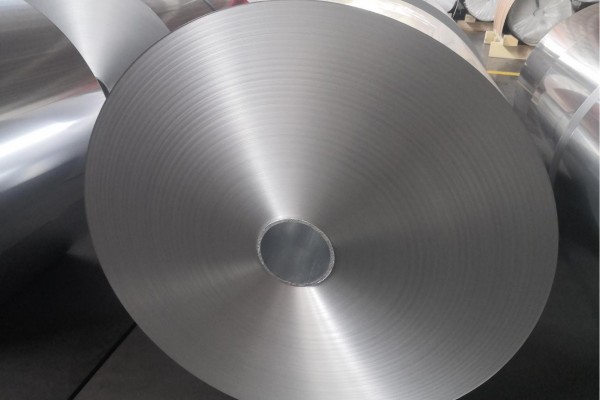
Ny fahamendrehan'ny pharmaceutique blister foil fototra fiarovana ny vokatra: tsy "aluminium" fotsiny izy io - sakana vita amin'ny multilayer izay metallurgy, simika surface, ary ny fizotry ny fiovam-po dia tsy maintsy ankatoavina hatrany amin'ny farany mba hiarovana ny API mandritra ny androm-piainany, Transport, ary fampiasana marary.
Eto ambany aho dia manitatra ny metallurgy sy ny fanaraha-maso ny dingana, fomba fahadisoam-panantenana sy fomba fiasa fototra, fomba fandrefesana (miaraka amin'ny fepetra fanekena), lisitry ny mari-pahaizana momba ny kalitaon'ny mpamatsy, ary ny Eco Alum Co., Ltd mampiseho hetsika fanitsiana mivaingana sy angon-drakitra.
1. Metallurgique & Fototra mekanika

VIRATY ho an`ny blister lidding no voafidy ho fifandanjana ny ductility, surface formability, ary azo itokisana sakana. Toetra ara-pitaovana mitsikera:
- Alloy chemistry: singa sisa (Fe, SY, Cu, Mn) misy fiantraikany amin'ny endrika endrika sy ny fahatsapan'ny pinhole. Sakafo mahazatra/pharma lidding alloys (E.g., 8011/8021 FIANAKAVIANTSIKA) dia nofidina ho an'ny vondron'ny loto ambany sy ny fanamafisana ny asa.
- Firafitry ny voa & fanavaozana: fanamiana, Ny voa madinika dia mampihena ny fanivanana eo an-toerana mandritra ny fanosehana. Ny fandaharam-potoana fampihenana ny hatsiaka sy ny fanerena voafehy dia mamokatra microstructure homogeneous.
- Ny hateviny sy ny fifehezana ny hafanana: Ny felam-boninkazo mahazatra dia 20-50 μm; mangatsiaka-miforona (lalina) foils mampiasa gauges matevina kokoa (≥ 45 μm). Fandeferana matevina matevina (± 0.5–2 μm arakaraka ny spec) misoroka ny fifantohana adin-tsaina eo an-toerana.
Fanamboarana azo ampiharina: ny fahadiovan'ny slab → mihodinkodina mafana → mihena ny hatsiaka amin'ny alàlan'ny anneal intermediate → anneal mitohy farany (atmosfera voafehy) → slitting mazava tsara ao amin'ny efitrano madio GMP.
2. Ny tarehimarika fizahana & Toerana mahazatra
| Dingana dingana | Sehatra mahazatra / Target | Nahoana no zava-dehibe izany |
|---|---|---|
| Ny fihenan'ny hatsiaka isaky ny mandeha | 10–35% (nikarakara) | Misoroka ny vaky sisiny; mifehy ny henjana asa |
| Fihenam-bitra mangatsiaka (Avy amin'ny bandy mafana) | 60-85% (Varies nataon'i Alloy) | Mahatakatra ny hateviny & mekanika |
| Anneal Temp | 300-420 ° C (Alloy-Mianara) | Recrystallizs grains, manitsy ny tensile / elongation |
| Henjana ny tany (hoe ra) | 0.10-0.35 μm (fanidinana) | Misy fiantraikany amin'ny adhesion an'ny Primers / Heat-tombo-kase sy ny lesoka |
| Lacquer palitao | 0.5-3 g / m² primer; 1-5 g / m² hafanana-tombo-kase | Mifehy ny tanjaka tombo-kase & Barriation Barrier |
Fanamarihana: Ny soatoavina marina dia tsy maintsy manamarina ny mpamatsy alloy ary ampifanarahana amin'ny fitaovana fanakorontanana amin'ny mpanjifa.
3. Modely kilema, mamantatra & Hetsika fanitsiana
Karazana kilema mahazatra, ny fomba hamantarana azy ireo, ary asa fanitsiana mahazatra:
| kilema | Fomba fitadiavana | Ny antony fototra | Hetsika fanitsiana |
|---|---|---|---|
| Pinhole | CCD optika, vacuum leak, bubble/pressure test | Fampidirana, menaka voafandrika, sisiny scratches | Manatsara ny fanariana sivana; fanatsarana degrease; poloney / borosy horonana; mampitombo ny fahatsapana CCD |
| Peti-menaka | Fijerena maso, FTIR amin'ny famafana | menaka mihodinkodina be loatra, mahantra degreasing | Hamafiso ny fanaraha-maso ny paompy menaka; solvent degrease; ampio ny fanadiovana ny efitra fandroana farany |
| Lacquer tsy fanamiana | Fametahana lanja fanosotra | Tafiditra ny nozzle coater, fiakaran'ny mari-pana | Recalibrate coater; hametraka inline hatevin'ny gauge; SOP ho an'ny fikojakojana ny coater |
| Ny tsy fahombiazan'ny adhesion | Andrana kasety, peel test | Tany voaloto, diso primer | Fitsaboana ambonin'ny tany (plasma / corona), manova ny simia primer, ampio fanaraha-maso ny hamafin'ny tany |
4. Fomba fandrefesana & Fepetra ekena
| Test | fitaovana / FOMBA | Fanekena mahazatra ho an'ny Pharma Lidding |
|---|---|---|
| Isan'ny pinhole | CCD optika 0.5-1 μm fanapahan-kevitra | 0–1 lavaka/m² ho an'ny tafo; 0 ho an`ny hatsiaka-miforona |
| Wvtr (Etona rano) | Mocon / Gravimetric accelerated | Ambany amin'ny fitadiavana fitaovana; ho an'ny foil mangatsiaka amin'ny tanjona ≤0.01 g/m²/andro |
| Otrika (oksizenina) | Fandrefesana fandefasana entona | fomba 0 Ho an'ny foil-fo mangatsiaka; Ampandreneso ny fetra fisavana |
| Hery mafana-tombo-kase | 90° Peel at dister temp | ≥ 6 N / 15 MG (mpanjifa-manokana) |
| fifindra-monina / Overcallabs | Simulating fitsapana ho an'ny pharmarcopeia | Tsy hita maso / Ao anatin'ny fetra voamarina |
| Ny fandotoana ny tany | Toc Swab; Ftir | ≤ voafaritra MG / m²; Tsy misy zavamaniry manimba |
5. Qualification mpamatsy & Fanamarinana fanaraha-maso
- Certifications: ISO 15378 (tiany), GMP ho an'ny fonosana Kilonga, ISO 9001.
- Fanadihadiana: Ny diagrams mikoriana, Fmea, Manova ny vatan-kazo.
- Efitrano madio: KILASY / Sombin-kevitra, sôkôlà, Ny fifehezana ny humidity.
- Fahaiza-manao famakafakana: Eo an-toerana pinhole CCD, WVTR/OTR laboratoara na mpiara-miasa nahazo fankatoavana, laboratoara fifindra-monina.
- Traceability: Coil-to-lot identifiers, COA feno isaky ny lot, santionany fitazonana.
- Fanohanana ny fahamarinan-toerana: Angona fandalinana fahanterana haingana ho an'ny karazana fanafody mitovy.
- Tsarovy ny fahavononana: Valin'ny fanadihadihana maneso sy fandaharam-potoana fanitsiana.
ny mpanamboatra fanafody dia tsy maintsy mitaky fanaraha-maso eny an-toerana sy protocole momba ny kalitaon'ny mpanamory (IQ / OQ / PQ ho an'ny foil vaovao rehetra) alohan'ny hanomezana alalana ny famokarana feno.
6. Test Methods Matrix
| Sokajy andrana | Hiverina any amin'ny Supplier? | Hiverina any amin'ny Customer? | hatetika |
|---|---|---|---|
| Pinhole CCD | ENY (100% check) | ENY (santionany fanaraha-maso miditra) | Isaky ny lot |
| WVTR/OTR | Mpamatsy ho an'ny spec mahazatra; 3antoko fahatelo ho an'ny fanamarinana | Fanamafisana ny mpanjifa (VOALOHANY 3 antsapaka) | betsaka / fankatoavana |
| fifindra-monina | Lab ivelany nahazo fankatoavana | Fanamafisana ny mpanjifa (voalohany) | FIOVANA / Isan-taona |
| Heat-tombo-kase peel | Mpamatsy QC | Fanamarinana ny fizotran'ny mpanjifa | betsaka / fanovana milina |

7. maharitra Eco alum co., Ltd Fandinihana tranga - metrika lalindalina kokoa & asa
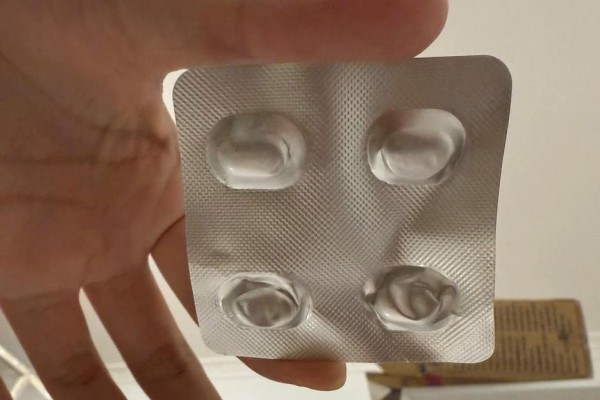
teny manodidina: Nahitana fiakaran'ny rano ao anaty fonosana blister amin'ny vokatra anzima ny mpanamboatra fanafody eo amin'ny faritra. (tena hygroscopic).
Diagnostika natao:
- Fanaraha-maso CCD baseline: fahazoan-dàlana hitan'ny mpamatsy, fa hita ny CCD tsy miankina 2.5 lavaka/m² amin'ny coil ahiahiana.
- Vidin'ny WVTR (Mocon): ahiahiana coil WVTR = 0.12 g/m²/andro vs tanjona ≤ 0.02 g/m²/andro.
- IZA + EDS amin'ny sisiny pinhole: hita fa misy vy inclusions.
Programa fanitsiana Eco Alum:
- Nolavina ny famokarana; natokan-toerana 12 coils (traceable).
- Ny sivana mitsonika voaisy tombo-kase sy ny masontsivana flux fanariana novaina — nihena ny tahan'ny fampidirana 87%.
- ampiharina 100% in-line CCD miaraka amin'ny data logging; ny spec: ≤0.5 lavaka/m².
- Nampiditra degrease dingana roa (solvent + rano) ary nampiana lafaoro banga farany fanamainana mialoha lacquer.
- Nihazakazaka haingana ny fahamarinan-toerana ny blistered vokatra: potency very nihena avy amin`ny 24% → 3% amin'ny 6 volana ambanin'ny 30°C/65% RH.
Metrika vokatra: aorian'ny programa fanitsiana, Nihena ny tahan'ny tsy fahombiazan'ny mpanjifa 7% ny <0.2% ao amin'ny 12 VOLANA; Nahazo ISO ny Eco Alum 15378 fanavaozana fanamarinana miaraka amin'ny fanatsarana ny isa fanamarinana.
8. Fitantanana ny tsingerin'ny fiainana & Fanaraha-maso ny fanovana
Ny famerenana amin'ny laoniny dia tokony hapetraka amin'ny:
- Fiovan'ny loharano Alloy / mpamatsy slab vaovao
- Fanovana na reline ny lafaoro anneal lehibe
- Lacquer vaovao simika na fanoloana coater
- Fiovana amin'ny savaivony slitting na fitaovana slitting
- Izay akora famonosana na fanovana desiccant
Ho an'ny fanovana tsirairay: mihazakazaka IQ/OQ/PQ amin'ny solontena maro; Manaova fampitahana WVTR / pinhole / tombo-kase hafanana ary alefaso any amin'ny QA sy ny fitsipika ho ampahany amin'ny fampahafantarana fiovana.
9. Fikoriana famahana olana azo ampiharina
- Raha hitan'ny mpanjifa ny fivoahana blister → jereo ny COA betsaka sy ny angona QC miditra.
- Raha mazava COA → misintona santionany fihazonana, manaova CCD sy WVTR avy hatrany.
- Raha misy lavaka fanindroany hita → toerana fanaovana confinement, jereo ny fikarakarana coil ambony, jereo ny slit-edge pass.
- Ho an'ny delamination lacquer → manaova fitiliana hodi-maso ary manamarina ny fahalotoan'ny tany amin'ny alàlan'ny FTIR.
- Document RCA, asa fanitsiana, ary mampita ny CAPA amin'ny mpanjifa miaraka amin'ny fandaharam-potoana.
10. FAQs - fanitarana ara-teknika
Q: Impiry ny mpanamboatra no tokony hanao WVTR amin'ny foil miditra?
ny: Farafaharatsiny ho an'ny karazany telo voalohany amin'ny mpamatsy vaovao na aorian'ny fiovan'ny fitaovana/fototra; aorian'izay matetika no nofidin'ny fanombanana ny risika - ho an'ny vokatra mitsikera, manamarina ny lot rehetra.
Q: dia 100% Ampy ny fanaraha-maso CCD?
ny: Tena ilaina ny CCD fa tsy maintsy ampiana amin'ny santionany WVTR sy fanaraha-maso ny fizotrany; Ny CCD dia tsy afaka mandrefy ny haavon'ny molekiola.
Q: Inona no endrika tsara indrindra ho an'ny foil blister mangatsiaka?
ny: Laminate maromaro miaraka amin'ny fototra Al matevina kokoa (≥45 μm), sosona polymère mifanaraka amin'ny fikojakojana mekanika, ary nanamarina ny fizotry ny fananganana varavarankely.
Famaranana & tolo-kevitra
- hitsaboana pharmaceutique blister foil toy ny rafitra ara-materialy - mamaritra ny fitaovana, DINGANA, ary miaraka ny fanaraha-maso fandrefesana.
- Manangana drafitra momba ny kalitaon'ny mpamatsy misy fanaraha-maso eny an-toerana, pilot lots, ary ny fiaraha-miasa OQ/PQ.
- Mampiasa vola amin'ny fitadiavana (CCD, Wvtr) ary fifehezana fiovana matanjaka; na dia ny fiovana kely amin'ny fanariana/fanaingoana/coating aza dia mety hisy fiantraikany ara-materialy amin'ny andro fitehirizana.
- Ampiasao ny fandalinana tranga toy ny Eco Alum's (AMBONY) mba hamorona KPI tanjona (pinhole ≤0.5/m², WVTR ≤0.02 g/m²/andro ho an'ny zava-mahadomelina, tombo-kase hafanana ≥6 N/15 mm) ary ampidiro ao anatin'ny fifanarahana izy ireo.