
അലുമിനിയം ഫോയിൽ ടെമ്പർ തിരഞ്ഞെടുക്കുന്നതിനുള്ള സമഗ്രമായ ഗൈഡ്: O-യ്ക്കുള്ള കൃത്യമായ പൊരുത്തപ്പെടുത്തൽ, H14, കൂടാതെ H18 ടെമ്പേഴ്സും
ഐ. ആമുഖം
പാക്കേജിംഗിലുടനീളം അലുമിനിയം ഫോയിൽ സംഭരണത്തിലും പ്രയോഗത്തിലും, ഫാർമസ്യൂട്ടിക്കൽ, വീട്ടുപകരണങ്ങൾ, വ്യാവസായിക ഉൽപ്പാദന മേഖലകളും, പ്രൊഫഷണലുകൾ സാധാരണയായി കോർ അലോയ് ഗ്രേഡുകളിൽ ശ്രദ്ധ കേന്ദ്രീകരിക്കുന്നു 8011 ഒപ്പം 8079 അടിസ്ഥാന മെറ്റീരിയൽ ഘടന നിർണ്ണയിക്കാൻ, തടസ്സം പ്രോപ്പർട്ടികൾ, ഒപ്പം സുരക്ഷാ പാലിക്കലും.
എന്നിരുന്നാലും, പ്രായോഗിക ഉൽപാദനത്തിൽ, ദി മാനസികനില, (മെറ്റലർജിക്കൽ അവസ്ഥ) അലൂമിനിയം ഫോയിലിൻ്റെ പ്രോസസ്സബിലിറ്റിയെയും അന്തിമ ഉപയോഗ അനുയോജ്യതയെയും നിയന്ത്രിക്കുന്ന നിർണ്ണായക ഘടകമാണ്-അതിൻ്റെ പ്രാധാന്യം അലോയ് തിരഞ്ഞെടുപ്പിന് തുല്യമാണ്..
ഫോയിലിൻ്റെ മെക്കാനിക്കൽ അവസ്ഥ നേരിട്ട് ടെൻസൈൽ ശക്തിയെ നിർണ്ണയിക്കുന്നു, കാഠിന്യം, നീട്ടൽ, വഴക്കം, രൂപീകരണം, ചൂട്-മുദ്ര പ്രകടനവും. തെറ്റായ കോപം തിരഞ്ഞെടുക്കുന്നത് പലപ്പോഴും പ്രോസസ്സിംഗ് വിള്ളലുകളിലേക്ക് നയിക്കുന്നു, വൈകല്യങ്ങൾ രൂപപ്പെടുത്തുന്നു, പാക്കേജ് ചോർച്ച, ഉത്പാദനം കുറഞ്ഞു, ഗുണനിലവാര നിയന്ത്രണ അപകടസാധ്യതകൾ വർദ്ധിപ്പിച്ചു.
ഈ ഗൈഡ് പ്രോസസ് തത്വങ്ങളെ വ്യവസ്ഥാപിതമായി പുനർനിർമ്മിക്കുന്നു, പ്രകടന സവിശേഷതകൾ, മുഖ്യധാരാ കോപങ്ങളുടെ പ്രയോഗ സാഹചര്യങ്ങളും. വ്യവസായ മാനദണ്ഡങ്ങളുമായി സംയോജിപ്പിച്ച്, ആഴത്തിലുള്ള പ്രോസസ്സിംഗിനും ടെർമിനൽ ആപ്ലിക്കേഷനുകൾക്കുമുള്ള ഒരു സാങ്കേതിക റഫറൻസായി ഇത് ഒരു കൃത്യമായ തിരഞ്ഞെടുപ്പ് ചട്ടക്കൂട് നൽകുന്നു.
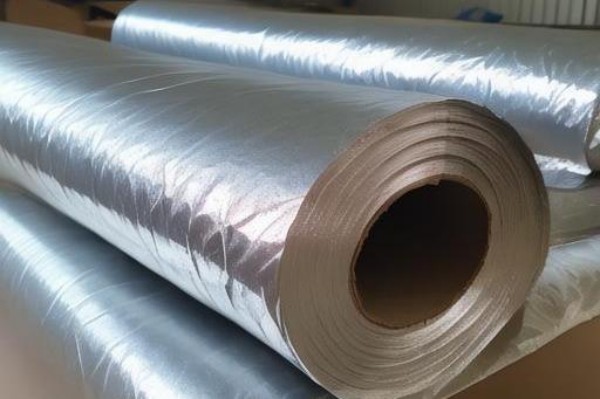
II. അലുമിനിയം ഫോയിൽ ടെമ്പറുകളുടെ പ്രധാന നിർവചനങ്ങളും രൂപീകരണ തത്വങ്ങളും
അലുമിനിയം ഫോയിൽ ടെമ്പർ എന്നത് റോളിംഗിലൂടെയും തെർമൽ പ്രോസസ്സിംഗിലൂടെയും നേടിയ അന്തിമ മെക്കാനിക്കൽ പ്രോപ്പർട്ടി അവസ്ഥയെ സൂചിപ്പിക്കുന്നു.. കോൾഡ് വർക്ക് ഹാർഡനിംഗ് കൃത്യമായി നിയന്ത്രിച്ച് രൂപീകരിച്ച ഒരു സ്റ്റാൻഡേർഡ് സംവിധാനമാണിത്, അനീലിംഗ്, പ്ലാസ്റ്റിക് രൂപഭേദം. ടെമ്പർ എന്നത് പ്രൈമറി മെട്രിക് വേർതിരിക്കുന്ന പ്രക്രിയ പൊരുത്തപ്പെടുത്തലാണ്.
2.1 മുഖ്യധാരാ ടെമ്പർ രൂപീകരണ പ്രക്രിയകളുടെ വർഗ്ഗീകരണം
വ്യാവസായിക സ്വഭാവങ്ങളെ അവയുടെ രൂപീകരണ പ്രക്രിയകളെ അടിസ്ഥാനമാക്കി പ്രാഥമികമായി മൂന്ന് തരങ്ങളായി തിരിച്ചിരിക്കുന്നു: തണുത്ത റോളിംഗ് ജോലി കഠിനമാക്കൽ, ഉയർന്ന താപനില അനീലിംഗ്, നിയന്ത്രിത പ്ലാസ്റ്റിക് രൂപഭേദം. വ്യത്യസ്ത പ്രോസസ്സ് കോമ്പിനേഷനുകൾ ഫോയിലിൻ്റെ ടെൻസൈൽ ശക്തിയെ നേരിട്ട് മാറ്റുന്നു, ഉപരിതല കാഠിന്യം, നീട്ടൽ, ഡക്റ്റിലിറ്റിയും, ഏറ്റവും വ്യാപകമായി ഉപയോഗിക്കുന്ന മൂന്ന് കോപങ്ങൾക്ക് കാരണമാകുന്നു: ഒ (അനീൽഡ്/സോഫ്റ്റ്), H14 (ഹാഫ് ഹാർഡ്), ഒപ്പം H18 (ഫുൾ-ഹാർഡ്).
2.2 മുഖ്യധാരാ ടെമ്പറുകളുടെ പ്രക്രിയ താരതമ്യം
| കോപം | കോർ രൂപീകരണ പ്രക്രിയ | ചൂട് ചികിത്സ രീതി | പ്രധാന പ്രക്രിയ പ്രഭാവം |
|---|---|---|---|
| ഒ (അനീൽഡ്/സോഫ്റ്റ്), | തണുത്ത ഉരുളൽ + പൂർണ്ണ ഹൈ-ടെമ്പ് അനീലിംഗ് | പൂർണ്ണമായ അനീലിംഗ് | ആന്തരിക അവശിഷ്ട സമ്മർദ്ദം ഇല്ലാതാക്കുന്നു; ഏകീകൃത ധാന്യ വിശ്രമം; പ്ലാസ്റ്റിറ്റിയും വഴക്കവും പരമാവധി വർദ്ധിപ്പിക്കുന്നു. |
| H14 (ഹാഫ് ഹാർഡ്), | നിയന്ത്രിത തണുത്ത റോളിംഗ് രൂപഭേദം + ഭാഗിക കാഠിന്യം | പൂർണ്ണ അനിയൽ ഇല്ല; സൗമ്യമായ ടെമ്പറിംഗ് | മിതമായ ജോലി കഠിനമാക്കൽ; ശക്തിയും ദ്വിതീയ രൂപീകരണവും സന്തുലിതമാക്കുന്നു; മികച്ച പ്രകടനം. |
| H18 (ഫുൾ-ഹാർഡ്), | ഉയർന്ന റിഡക്ഷൻ കോൾഡ് റോളിംഗ് | സീറോ അനീലിംഗ് | തണുത്ത റോളിംഗ് കാഠിന്യം പരമാവധിയാക്കുന്നു; കൊടുമുടി കാഠിന്യം, കാഠിന്യം, രൂപഭേദം പ്രതിരോധവും. |
III. മുഖ്യധാരാ ടെമ്പറുകളുടെ വിശദമായ പ്രകടനവും പ്രയോഗവും
3.1 കോപം: പൂർണ്ണമായും അനീൽ ചെയ്ത സോഫ്റ്റ് ഫോയിൽ
O ടെമ്പർ ഫോയിൽ പൂർണ്ണമായ ഉയർന്ന-താപനില അനീലിംഗിന് വിധേയമാകുന്നു, ഇത് ലഭ്യമായ ഏറ്റവും മൃദുവായ വിഭാഗമാക്കി മാറ്റുന്നു. അനീലിംഗ് പ്രക്രിയ തണുത്ത റോളിംഗിൽ നിന്നുള്ള ആന്തരിക അവശിഷ്ട സമ്മർദ്ദങ്ങളെ നന്നായി ഇല്ലാതാക്കുന്നു, ഒരു യൂണിഫോം ഫലമായി, തീവ്രമായ പ്ലാസ്റ്റിറ്റിയും വഴക്കവും പ്രദാനം ചെയ്യുന്ന ശാന്തമായ ധാന്യ ഘടന.
3.1.1 പ്രധാന പ്രകടന സവിശേഷതകൾ
- അൾട്രാ-ഹൈ നീട്ടലും മികച്ച വളയുന്ന വഴക്കവും.
- സങ്കീർണ്ണമായ ദ്വിതീയ പ്രോസസ്സിംഗിലേക്ക് മികച്ച പൊരുത്തപ്പെടുത്തൽ (മടക്കിക്കളയുന്നു, ആഴത്തിലുള്ള ഡ്രോയിംഗ്, ലാമിനേഷൻ).
- കുറഞ്ഞ സ്പ്രിംഗ്ബാക്കും മികച്ച ലാമിനേറ്റ് അഡീഷൻ / ഹീറ്റ്-സീൽ അനുയോജ്യതയും.
- ഫ്ലെക്സിബിൾ ആഴത്തിലുള്ള പ്രോസസ്സിംഗിനുള്ള ഒപ്റ്റിമൽ മെറ്റീരിയൽ സ്റ്റേറ്റ്.
3.1.2 സാധാരണ ആപ്ലിക്കേഷൻ സാഹചര്യങ്ങൾ
ഫ്ലെക്സിബിൾ പാക്കേജിംഗിന് പ്രാഥമികമായി അനുയോജ്യമാണ്, ഭക്ഷണപ്പൊതികൾ ഉൾപ്പെടെ, റിട്ടോർട്ട് ബാഗുകൾ, വാക്വം പാക്കേജിംഗ്, ഫാർമസ്യൂട്ടിക്കൽ ബ്ലിസ്റ്റർ ലിഡ്ഡിംഗ്, കോഫി പാക്കേജിംഗ്, വളർത്തുമൃഗങ്ങളുടെ ഭക്ഷണ ബാഗുകളും. ഇൻഡസ്ട്രി സ്റ്റേപ്പിൾസ് ഉൾപ്പെടുന്നു 8079-ഒറിട്ടോർട്ട് ആപ്ലിക്കേഷനുകൾക്കും 8011-ഒപൊതുവായ ഭക്ഷണ പാക്കേജിംഗിനായി, സുസ്ഥിരമായ പ്ലാസ്റ്റിറ്റിയും ബാരിയർ പ്രോപ്പർട്ടിയും കാരണം ഉയർന്ന നിലവാരമുള്ള ഫ്ലെക്സിബിൾ പാക്കേജിംഗിൻ്റെ പ്രധാന മെറ്റീരിയലായി പ്രവർത്തിക്കുന്നു.
3.2 H14 ടെമ്പർ: ഭാഗികമായി കഠിനമാക്കി, മീഡിയം-ഡക്റ്റിലിറ്റി ഫോയിൽ
പൂർണ്ണമായ അനീലിംഗ് ഇല്ലാതെ കോൾഡ് റോളിംഗ് റിഡക്ഷൻ കൃത്യമായി നിയന്ത്രിച്ചുകൊണ്ട് കൈവരിച്ച ഭാഗികമായി കഠിനമായ ഒരു കോപമാണ് H14.. ഇത് O യ്ക്കും H18 നും ഇടയിൽ കാഠിന്യവും ശക്തിയും സ്ഥാപിക്കുന്നു, വൈവിധ്യമാർന്ന വ്യാവസായിക ഉപയോഗത്തിന് അനുയോജ്യമായ ഒരു സമതുലിതമായ പ്രൊഫൈൽ വാഗ്ദാനം ചെയ്യുന്നു.
3.2.1 പ്രധാന പ്രകടന സവിശേഷതകൾ
- മിതമായ മെക്കാനിക്കൽ ശക്തിയും നല്ല വഴക്കവും.
- ഓ ടെമ്പറുമായി താരതമ്യപ്പെടുത്തുമ്പോൾ ഗണ്യമായി മെച്ചപ്പെട്ട പഞ്ചറും ക്രഷ് റെസിസ്റ്റൻസും.
- എംബോസിങ്ങിന് മതിയായ ദ്വിതീയ രൂപവത്കരണം നിലനിർത്തുന്നു, ചൂട് സീലിംഗ്, ഒപ്പം മരിക്കും.
- ഉയർന്ന ബാച്ച് ഉൽപ്പാദന വിളവും ശക്തമായ പ്രക്രിയ സ്ഥിരതയും.
3.2.2 സാധാരണ ആപ്ലിക്കേഷൻ സാഹചര്യങ്ങൾ
ശക്തിയും രൂപീകരണവും ആവശ്യമുള്ളിടത്ത് ഉപയോഗിക്കുന്നു. പ്രധാന ആപ്ലിക്കേഷനുകളിൽ ഫാർമസ്യൂട്ടിക്കൽ PTP ബ്ലിസ്റ്റർ ഫോയിൽ ഉൾപ്പെടുന്നു, ചൂട്-മുദ്ര ലാമിനേറ്റ്, കേബിൾ പൊതിയൽ, വ്യാവസായിക സംയോജിത അടിവസ്ത്രങ്ങളും. മുഖ്യധാരാ ഉൽപ്പന്നങ്ങളാണ് 8011-H14ഫാർമസ്യൂട്ടിക്കൽ ബ്ലസ്റ്ററുകൾക്കും 8079-H14വ്യാവസായിക ചൂട്-മുദ്ര പ്രയോഗങ്ങൾക്കായി.

3.3 H18 ടെമ്പർ: പൂർണ്ണമായി കഠിനമാക്കിയ ദൃഢമായ ഫോയിൽ
H18 പൂർണ്ണമായി വർക്ക്-ഹാർഡൻഡ് ഫോയിൽ, തുടർന്നുള്ള അനീലിംഗ് ഇല്ലാതെ ഉയർന്ന റിഡക്ഷൻ കോൾഡ് റോളിംഗ് വഴി നിർമ്മിക്കുന്നു. ഇത് വർക്ക് ഹാർഡനിംഗ് പ്രഭാവം വർദ്ധിപ്പിക്കുന്നു, ഏറ്റവും ഉയർന്ന കാഠിന്യം വാഗ്ദാനം ചെയ്യുന്നു, കാഠിന്യം, മൂന്ന് സ്വഭാവങ്ങൾക്കിടയിൽ ഘടനാപരമായ ശക്തിയും.
3.3.1 പ്രധാന പ്രകടന സവിശേഷതകൾ
- ഉയർന്ന ടെൻസൈൽ ശക്തി, മികച്ച കാഠിന്യം, മികച്ച രൂപഭേദം പ്രതിരോധവും.
- ഉയർന്ന അളവിലുള്ള സ്ഥിരത; ഹൈ-സ്പീഡ് സ്റ്റാമ്പിംഗ് സമയത്ത് വളച്ചൊടിക്കലിനെയും വളച്ചൊടിക്കലിനെയും പ്രതിരോധിക്കുന്നു.
- പോരായ്മകളിൽ കുറഞ്ഞ നീളവും മോശം വഴക്കവും ഉൾപ്പെടുന്നു, ആഴത്തിലുള്ള ഡ്രോയിംഗ് കഴിവുകൾ പരിമിതപ്പെടുത്തുന്നു.
3.3.2 സാധാരണ ആപ്ലിക്കേഷൻ സാഹചര്യങ്ങൾ
സങ്കീർണ്ണമായ രൂപീകരണത്തിന് പകരം ഘടനാപരമായ കാഠിന്യവും ഡൈമൻഷണൽ സ്ഥിരതയും ആവശ്യമുള്ള ആപ്ലിക്കേഷനുകൾക്ക് അനുയോജ്യം. പിൽഫർ-പ്രൂഫ് ക്ലോസറുകൾ ഉൾപ്പെടുന്നു, കുപ്പി തൊപ്പി സ്റ്റോക്ക്, അലുമിനിയം കണ്ടെയ്നർ സ്റ്റോക്ക്, ഗാർഹിക ഹെവി-ഡ്യൂട്ടി ഫോയിൽ, ലേബൽ സ്റ്റോക്കും. വ്യവസായ മാനദണ്ഡങ്ങളാണ് 8011-H18അടയ്ക്കുന്നതിനും കണ്ടെയ്നർ രൂപീകരണത്തിനും.
IV. കൃത്യമായ ടെമ്പർ തിരഞ്ഞെടുക്കുന്നതിനുള്ള മാർഗ്ഗനിർദ്ദേശങ്ങൾ
4.1 ഓ ടെമ്പറിന് മുൻഗണന നൽകുക: കോംപ്ലക്സ് രൂപീകരണത്തിന് & ഫ്ലെക്സിബിൾ ഡീപ് പ്രോസസ്സിംഗ്
പ്രക്രിയയിൽ മടക്കൽ ഉൾപ്പെടുമ്പോൾ O ടെമ്പർ തിരഞ്ഞെടുക്കുക, ആഴത്തിലുള്ള ഡ്രോയിംഗ്, മൾട്ടി-ലെയർ ലാമിനേഷൻ, വാക്വം പാക്കിംഗ്, അല്ലെങ്കിൽ റിട്ടോർട്ട് പ്രോസസ്സിംഗ്. ഈ അവസ്ഥ വിള്ളലോ വിള്ളലോ ഇല്ലാതെ ഉയർന്ന രൂപഭേദം ഉൾക്കൊള്ളുന്നു, മുദ്രയുടെ സമഗ്രത ഉറപ്പാക്കുന്നു. തിരഞ്ഞെടുത്ത അലോയ്കൾ:8079-O, 8011-ഒ.
4.2 H14 ടെമ്പറിന് മുൻഗണന നൽകുക: സന്തുലിത ശക്തിക്ക് & രൂപീകരണം
ആപ്ലിക്കേഷൻ പഞ്ചർ/ക്രഷ് റെസിസ്റ്റൻസും ദ്വിതീയ പ്രവർത്തനങ്ങളും ആവശ്യപ്പെടുമ്പോൾ H14 തിരഞ്ഞെടുക്കുക (മരിക്കുക-മുറിക്കൽ, ചൂട് സീലിംഗ്). H18-നേക്കാൾ കൂടുതൽ രൂപഭേദം നിലനിർത്തിക്കൊണ്ട് O ടെമ്പറിനേക്കാൾ മികച്ച നാശനഷ്ട പ്രതിരോധം ഇത് വാഗ്ദാനം ചെയ്യുന്നു. ഫാർമസ്യൂട്ടിക്കൽ, വ്യാവസായിക ലാമിനേറ്റ് എന്നിവയുടെ പൊതുവായ തിരഞ്ഞെടുപ്പാണിത്.
4.3 H18 ടെമ്പറിന് മുൻഗണന നൽകുക: കാഠിന്യത്തിന് & ഡൈമൻഷണൽ സ്ഥിരത
ഹൈ-സ്പീഡ് സ്റ്റാമ്പിംഗിനായി H18 തിരഞ്ഞെടുക്കുക, ദൃഢമായ ഘടകങ്ങൾ, ദീർഘകാല ആകൃതി നിലനിർത്തൽ ആവശ്യമുള്ള ആപ്ലിക്കേഷനുകളും. അതിൻ്റെ ഉയർന്ന കാഠിന്യവും ആൻ്റി-സ്പ്രിംഗ്ബാക്ക് ഗുണങ്ങളും വൻതോതിലുള്ള ഉൽപാദനത്തിൽ കൃത്യത ഉറപ്പാക്കുന്നു. തിരഞ്ഞെടുത്ത അലോയ്കൾ:8011-H18.
വി. കോർ പെർഫോമൻസ് മെട്രിക്സിൻ്റെ താരതമ്യ വിശകലനം
| പ്രകടന സൂചകം | കോപം (മൃദുവായ) | H14 ടെമ്പർ (ഹാഫ് ഹാർഡ്) | H18 ടെമ്പർ (ഫുൾ-ഹാർഡ്) |
|---|---|---|---|
| വഴക്കം, | മികച്ചത് | നല്ലത് | മേള |
| കാഠിന്യം, | താണനിലയില് | ഇടത്തരം | ഉയര്ന്ന |
| മെക്കാനിക്കൽ ശക്തി, | താണനിലയില് | ഇടത്തരം | ഉയര്ന്ന |
| നീട്ടൽ, | ഉയര്ന്ന | ഇടത്തരം | താണനിലയില് |
| ആഴത്തിലുള്ള ഡ്രോയിംഗ് ശേഷി, | മികച്ചത് | നല്ലത് | ലിമിറ്റഡ് |
| മൊത്തത്തിലുള്ള രൂപവത്കരണം, | മികച്ചത് | നല്ലത് | മേള |
| രൂപഭേദം പ്രതിരോധം, | ദുർബലമായ | ഇടത്തരം | ശക്തമായ |
| ഫ്ലെക്സിബിൾ പാക്കേജിംഗ് അനുയോജ്യത, | മികച്ചത് | നല്ലത് | ലിമിറ്റഡ് |
VI. ഇൻഡസ്ട്രി സെഗ്മെൻ്റ് പ്രകാരം കൃത്യമായ തിരഞ്ഞെടുപ്പ് പ്ലാനുകൾ
വ്യത്യസ്ത ആപ്ലിക്കേഷൻ വ്യവസായങ്ങൾ പ്രോസസ്സിംഗ് ടെക്നിക്കുകളിൽ വലിയ വ്യത്യാസങ്ങൾ കാണിക്കുന്നു, ടെർമിനൽ ഓപ്പറേറ്റിംഗ് വ്യവസ്ഥകൾ, ഗുണനിലവാര മാനദണ്ഡങ്ങളും. വഴക്കത്തിനുള്ള ആവശ്യകതകൾ, ഘടനാപരമായ ശക്തി, തടസ്സം പ്രോപ്പർട്ടികൾ, കൃത്യത രൂപപ്പെടുത്തുന്നു, കൂടാതെ താപനില പ്രതിരോധം ഗണ്യമായി വ്യത്യാസപ്പെടുന്നു.
മുഖ്യധാരാ അലോയ്കളുടെ സവിശേഷതകൾ സംയോജിപ്പിച്ച് (8011, 8079) ഒയുടെ പ്രകടന പ്രൊഫൈലുകൾക്കൊപ്പം, H14, കൂടാതെ H18 കോപങ്ങളും, താഴെയുള്ള പ്രധാന ആപ്ലിക്കേഷൻ സെക്ടറുകൾക്കായി ഞങ്ങൾ ഒരു ഗ്രാനുലാർ ബ്രേക്ക്ഡൗൺ നൽകുന്നു. ഇതിൽ കൃത്യമായ ഉൽപ്പന്ന ശുപാർശകൾ ഉൾപ്പെടുന്നു, പ്രധാന പ്രക്രിയ നേട്ടങ്ങൾ, നിരോധിത സാഹചര്യങ്ങളും, വ്യാവസായിക വൻതോതിലുള്ള ഉൽപ്പാദനം, ഹൈ-എൻഡ് ഡീപ് പ്രോസസ്സിംഗ് ഡിമാൻഡുകൾ എന്നിവയുമായി പൂർണ്ണമായും യോജിപ്പിച്ചിരിക്കുന്നു.
6.1 ഫുഡ് ഫ്ലെക്സിബിൾ പാക്കേജിംഗ് (ലഘുഭക്ഷണങ്ങൾ, വാക്വം പൗച്ചുകൾ, റീട്ടെയിൽ)
- ശുപാർശചെയ്ത തിരഞ്ഞെടുപ്പ്:8011-ഒ, 8079-ഒ
- ബാധകമായ ഉപസാഹചര്യങ്ങൾ:മൾട്ടി-ലെയർ സ്നാക്ക് ഫുഡ് ലാമിനേറ്റ്, അലുമിനിയം-പ്ലാസ്റ്റിക് സംയുക്ത ഫിലിമുകൾ, സാധാരണ വാക്വം പ്രിസർവേഷൻ പായ്ക്കുകൾ, ആംബിയൻ്റ് ഫുഡ് സീലുകൾ, പാൽ ചായ/കാപ്പി എന്നിവയ്ക്കുള്ള സംയോജിത പുറം പാക്കേജിംഗും.
- ആഴത്തിലുള്ള തിരഞ്ഞെടുപ്പ് യുക്തി:
ഫ്ലെക്സിബിൾ പാക്കേജിംഗിൽ, ഹൈ-സ്പീഡ് രൂപീകരണത്തിലും പൂരിപ്പിക്കൽ പ്രക്രിയയിലും മെക്കാനിക്കൽ ക്രാക്കിംഗ് ആണ് പ്രാഥമിക പരാജയ മോഡ്. ഓ ടെമ്പർ ഫോയിൽ പൂർണ്ണമായ അനീലിംഗിന് വിധേയമാകുന്നു, പൂജ്യം ആന്തരിക സമ്മർദത്തോടെ പരമാവധി പ്ലാസ്റ്റിറ്റിയും നീട്ടലും ഉണ്ടാകുന്നു. ഗസ്സെറ്റുകൾ സൃഷ്ടിക്കുമ്പോൾ മെറ്റീരിയൽ ഒരേപോലെ നീട്ടാൻ ഇത് അനുവദിക്കുന്നു, ബ്ലോക്ക്-ബോട്ടം ബാഗുകൾ, കൂടാതെ മൈക്രോ ക്രാക്കുകളോ പിൻഹോളുകളോ ഉണ്ടാകാതെ വാക്വം സ്കിൻ പായ്ക്കുകൾ.
8011-ഒവ്യവസായ പ്രവർത്തകനാണ്, ഡ്രൈ ഫുഡ് ആപ്ലിക്കേഷനുകൾക്കായി മികച്ച ചെലവ്-കാര്യക്ഷമതയും സ്ഥിരമായ പ്രോസസ്സിംഗ് പ്രകടനവും വാഗ്ദാനം ചെയ്യുന്നു. 8079-ഒ, എങ്കിലും, മികച്ച ധാന്യ ഘടനയും ഉയർന്ന പരിശുദ്ധിയും ഉണ്ട്. ഇത് അടുത്തുള്ള പോളിമർ പാളികളോട് കൂടിയ ബോണ്ടിംഗ് ശക്തി വാഗ്ദാനം ചെയ്യുന്നു (പി.ഇ.ടി, പി.ഇ, സി.പി.പി) കൂടാതെ ഗണ്യമായി കുറഞ്ഞ പിൻഹോളുകളുടെ എണ്ണം കാണിക്കുന്നു. ഇത് ഓക്സിജനെതിരായ തടസ്സം വർദ്ധിപ്പിച്ചു, ഈർപ്പം നീരാവി ട്രാൻസ്മിഷൻ (എംവിടിആർ), അണ്ടിപ്പരിപ്പ് പോലുള്ള സെൻസിറ്റീവ് ഉൽപ്പന്നങ്ങളുടെ ഷെൽഫ് ആയുസ്സ് വർദ്ധിപ്പിക്കുന്നതിന് വെളിച്ചം നിർണായകമാണ്, കാപ്പിക്കുരു, സുഖപ്പെടുത്തിയ മാംസങ്ങളും. കൊർഗോർഫ്, O കോപത്തിൻ്റെ നിർജ്ജീവമായ മൃദു സ്വഭാവം ക്രമരഹിതമായ പ്രതലങ്ങളിലുടനീളം സ്ഥിരമായ ചൂട്-മുദ്ര സമഗ്രത ഉറപ്പാക്കുന്നു, കർശനമായ ആഗോള ഭക്ഷ്യ സമ്പർക്ക സുരക്ഷാ മാനദണ്ഡങ്ങൾ പാലിക്കുന്നു (FDA, ഇ.യു 10/2011).
- നിർണായക തിരഞ്ഞെടുപ്പ് മുന്നറിയിപ്പ്:ഒരിക്കലും H14 അല്ലെങ്കിൽ H18 ടെമ്പറുകൾ മാറ്റിസ്ഥാപിക്കരുത്. അവയുടെ പരിമിതമായ നീളം അനിവാര്യമായും ബാഗ് നിർമ്മാണ പ്രക്രിയയിൽ മുടിയുടെ ഒടിവുകളിലേക്ക് നയിക്കും, ഫലമായി “ചോർച്ചക്കാർ,” ഉൽപ്പന്ന കേടുപാടുകൾ, ചെലവേറിയ തിരിച്ചുവിളികൾ.
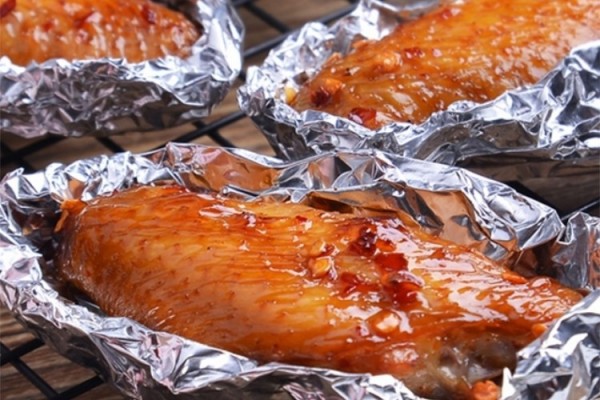
6.2 ഫാർമസ്യൂട്ടിക്കൽ പാക്കേജിംഗ് (PTP ബ്ലസ്റ്ററുകൾ, ലിഡ്ഡിംഗ് സ്റ്റോക്ക്)
- ശുപാർശചെയ്ത തിരഞ്ഞെടുപ്പ്:8011-H14, 8079-H14
- ബാധകമായ ഉപസാഹചര്യങ്ങൾ:പുഷ്-ത്രൂ-പാക്ക് (പി.ടി.പി) ഗുളികകൾക്കും കാപ്സ്യൂളുകൾക്കുമുള്ള മൂടുപടം, സപ്പോസിറ്ററി ലാമിനേറ്റ്സ്, മെഡിക്കൽ ഉപകരണം സീലിംഗ് സ്റ്റോക്ക്, യൂണിറ്റ് ഡോസ് സാച്ചെറ്റുകളും.
- ആഴത്തിലുള്ള തിരഞ്ഞെടുപ്പ് യുക്തി:
ഫാർമസ്യൂട്ടിക്കൽ ബ്ലിസ്റ്റർ പാക്കേജിംഗ് ഒരു സവിശേഷ എഞ്ചിനീയറിംഗ് വിരോധാഭാസം അവതരിപ്പിക്കുന്നു: പിവിസി/പിവിഡിസി/അക്ലാർ വെബിൽ ഒരു പെർഫെക്റ്റ് ഹെർമെറ്റിക് സീൽ രൂപപ്പെടുത്താൻ ഫോയിൽ മൃദുവായിരിക്കണം., എന്നാൽ ഹൈ-സ്പീഡ് പാക്കേജിംഗിലും തുടർന്നുള്ള ലോജിസ്റ്റിക്സ് കൈകാര്യം ചെയ്യുമ്പോഴും കംപ്രസ് ചെയ്ത ടാബ്ലെറ്റുകളുടെ മൂർച്ചയുള്ള അരികുകളിൽ നിന്നുള്ള പഞ്ചറിനെ പ്രതിരോധിക്കാൻ പര്യാപ്തമാണ്.
H14 (ഹാഫ് ഹാർഡ്)കോപം ഈ വിരോധാഭാസം പരിഹരിക്കുന്നു. ഹീറ്റ് സീലിംഗ് സമയത്ത് കുമിളയുടെ താഴികക്കുടവുമായി പൊരുത്തപ്പെടുന്നതിന് മതിയായ ശേഷിയുള്ള ഡക്റ്റിലിറ്റി ഇതിന് ഉണ്ട്., സീറോ ടണൽ വൈകല്യങ്ങൾ ഉറപ്പാക്കുന്നു. ഒരേസമയം, അതിൻ്റെ മിതമായ ടെൻസൈൽ ശക്തി മെക്കാനിക്കൽ ഷോക്ക്, കംപ്രഷൻ എന്നിവയ്ക്കെതിരെ ശക്തമായ പഞ്ചർ പ്രതിരോധം നൽകുന്നു. 8079-H14ഉയർന്ന മൂല്യമുള്ള API-കൾക്കായി പലപ്പോഴും വ്യക്തമാക്കിയിട്ടുണ്ട് (സജീവ ഫാർമസ്യൂട്ടിക്കൽ ചേരുവകൾ) കാരണം അതിൻ്റെ കുറഞ്ഞ ഉൾപ്പെടുത്തൽ ഉള്ളടക്കവും ഉയർന്ന ഉപരിതല വൃത്തിയും കണിക മലിനീകരണത്തിൻ്റെയും വേർതിരിച്ചെടുക്കാവുന്നവയുടെയും അപകടസാധ്യത കുറയ്ക്കുന്നു, USP ന് അനുസൃതമായി <661> കൂടാതെ ഇ.പി 3.1.3 മാനദണ്ഡങ്ങൾ. ടെമ്പർ സ്റ്റബിലിറ്റി, അതിലും കൂടുതലുള്ള വേഗതയിൽ സ്ഥിരമായ ഡൈ-കട്ടിംഗ് പ്രകടനം ഉറപ്പാക്കുന്നു 400 മിനിറ്റിന് കുമിളകൾ.
- നിർണായക തിരഞ്ഞെടുപ്പ് മുന്നറിയിപ്പ്:ഓ കോപത്തിന് ആവശ്യമായ കണ്ണുനീർ ശക്തിയില്ല, നയിക്കുന്നു “തുളച്ചുകയറുക” പരാജയങ്ങൾ. H18 കോപം വളരെ പൊട്ടുന്നതാണ്, ഫലമായി 100% തെർമോഫോർമിംഗ്, ക്രിമ്പിംഗ് ഘട്ടങ്ങളിൽ നിരസിക്കൽ നിരക്ക്.
6.3 Retort Pouch Packaging (റെഡി മീൽസ്, വളർത്തുമൃഗങ്ങളുടെ ഭക്ഷണം, അണുവിമുക്തമാക്കിയ ഭക്ഷണങ്ങൾ)
- ശുപാർശചെയ്ത തിരഞ്ഞെടുപ്പ്:8079-O
- ബാധകമായ ഉപസാഹചര്യങ്ങൾ:ഷെൽഫ്-സ്റ്റേബിൾ റെഡി-ടു-ഈറ്റ് ഭക്ഷണം (121°C–135°C റിട്ടോർട്ട് സൈക്കിളുകൾ), വാക്വം-പാക്ക് ചെയ്ത ഡെലിക്കേറ്റസെൻ മാംസങ്ങൾ, പ്രീമിയം വളർത്തുമൃഗങ്ങളുടെ ഭക്ഷണ സഞ്ചികൾ, ഫ്രോസൺ-ടു-ടേബിൾ എൻട്രികളും.
- ആഴത്തിലുള്ള തിരഞ്ഞെടുപ്പ് യുക്തി:
അലുമിനിയം ഫോയിലിന് ഏറ്റവും കൂടുതൽ ശിക്ഷ നൽകുന്ന അന്തരീക്ഷമാണ് റിട്ടോർട്ട് പ്രോസസ്സിംഗ്. ഉയർന്ന താപനിലയുടെ സംയോജനം, ഉയർന്ന മർദ്ദം, കൂടാതെ പൂരിത നീരാവി കടുത്ത സമ്മർദ്ദ സാഹചര്യങ്ങൾ സൃഷ്ടിക്കുന്നു. ഏതെങ്കിലും ശേഷിക്കുന്ന ജോലി കഠിനമാക്കൽ (H-tempers-ൽ കാണപ്പെടുന്നത് പോലെ) ഒരു മറഞ്ഞിരിക്കുന്ന വൈകല്യമായി പ്രവർത്തിക്കുന്നു; ചൂടിൽ തുറന്നുകാട്ടപ്പെടുമ്പോൾ, ആന്തരിക സമ്മർദ്ദങ്ങൾ സന്തുലിതാവസ്ഥ തേടുന്നു, ഫോയിൽ പൊട്ടാൻ കാരണമാകുന്നു, ചുരുങ്ങുക, അല്ലെങ്കിൽ ഫോൾഡ് ലൈനുകളിൽ പൊട്ടുക.
8079-ഒകോപം മാത്രമാണ് പ്രായോഗിക പരിഹാരം. അതിൻ്റെ പൂർണ്ണമായി പുനർക്രിസ്റ്റലൈസ് ചെയ്ത മൈക്രോസ്ട്രക്ചർ താപ സ്ഥിരതയുള്ളതാണ്; ഓട്ടോക്ലേവിംഗ് സമയത്ത് ഇത് സമ്മർദ്ദം കുറയ്ക്കുന്ന അസ്വസ്ഥത അനുഭവിക്കുന്നില്ല. അധികമായി, 8079 അലോയ് ഒരു ഇറുകിയ ഗേജ് ടോളറൻസും മികച്ച ഉപരിതല നനവിൻ്റെ സവിശേഷതകളും നൽകുന്നു. ഇത് പശ പാളികൾ ഉറപ്പാക്കുന്നു (സാധാരണയായി പോളിയുറീൻ അടിസ്ഥാനമാക്കിയുള്ളതാണ്) ഫോയിൽ ഉപയോഗിച്ച് പരമാവധി ക്രോസ്-ലിങ്കിംഗ് നേടുക, delamination തടയുന്നു (കുമിളകൾ) വന്ധ്യംകരണ ചക്രത്തിൽ അലുമിനിയം, നൈലോൺ/പോളിപ്രൊഫൈലിൻ പാളികൾക്കിടയിൽ. ഫലം അതിൻ്റെ ഷെൽഫ് ജീവിതത്തിലുടനീളം വഴക്കമുള്ളതും കരുത്തുറ്റതുമായ ഒരു സഞ്ചിയാണ്, തെർമൽ ഷോക്കിന് ശേഷവും.
- നിർണായക തിരഞ്ഞെടുപ്പ് മുന്നറിയിപ്പ്:എല്ലാ ബുദ്ധിമുട്ട്-കഠിനമായ കോപങ്ങളും (H14, H18) കർശനമായി നിരോധിച്ചിരിക്കുന്നു. വിനാശകരമായ സീൽ തകരാർ, തിരിച്ചടിയുടെ സാഹചര്യങ്ങളിൽ പിൻഹോളിംഗ് എന്നിവയുടെ അപകടസാധ്യത ഫലത്തിൽ ഉറപ്പുനൽകുന്നു.
6.4 പിൽഫർ-പ്രൂഫ് ക്ലോഷറുകൾ & കുപ്പി തൊപ്പി നിർമ്മാണം
- ശുപാർശചെയ്ത തിരഞ്ഞെടുപ്പ്:8011-H18
- ബാധകമായ ഉപസാഹചര്യങ്ങൾ:വൈൻ, സ്പിരിറ്റ് കാപ്സ്യൂളുകൾ, പാനീയം അടയ്ക്കൽ ഷെല്ലുകൾ, ന്യൂട്രാസ്യൂട്ടിക്കൽ ത്രെഡ്ഡ് ക്യാപ്സ്, കോസ്മെറ്റിക് ടാംപർ-വ്യക്തമായ മുദ്രകൾ, കൂടാതെ ഡയറി അടച്ചുപൂട്ടലും.
- ആഴത്തിലുള്ള തിരഞ്ഞെടുപ്പ് യുക്തി:
ക്ലോഷർ മാനുഫാക്ചറിംഗ് അൾട്രാ-ഹൈ-സ്പീഡ് പ്രോഗ്രസീവ് ഡൈ സ്റ്റാമ്പിംഗിനെ ആശ്രയിച്ചിരിക്കുന്നു (പലപ്പോഴും >600 മിനിറ്റിന് സ്ട്രോക്കുകൾ). എന്നതാണ് പ്രാഥമിക ആവശ്യം പൂജ്യം സ്പ്രിംഗ്ബാക്ക്. തൊപ്പി വരച്ച് രൂപപ്പെടുത്തിയ ശേഷം, കുപ്പി കഴുത്തിൽ ക്യാപ്പിംഗ് ഹെഡും ത്രെഡും ശരിയായി ഘടിപ്പിക്കുന്നതിന് മൈക്രോൺ ലെവൽ കൃത്യതയോടെ അതിൻ്റെ സിലിണ്ടർ ആകൃതി നിലനിർത്തണം.
H18 (ഫുൾ-ഹാർഡ്)കോപം ആവശ്യമായ കാഠിന്യം നൽകുന്നു. കാരണം അത് അനീലിംഗ് പൂർണ്ണമായും മറികടക്കുന്നു, തണുത്ത പ്രവർത്തിക്കുന്ന ധാന്യങ്ങൾ പരമാവധി ടെൻസൈൽ ശക്തിയും ഇലാസ്തികതയുടെ മോഡുലസും ഉള്ള ഒരു മെറ്റീരിയൽ സൃഷ്ടിക്കുന്നു. ഇത് തടയുന്നു “എണ്ണ കാനിംഗ്” മൃദുവായ കോപങ്ങളുമായി ബന്ധപ്പെട്ട ഇഫക്റ്റും ഡൈമൻഷണൽ ക്രീപ്പും. 8011-ഉയർന്ന മിഴിവുള്ള പ്രിൻ്റിംഗിനും വാർണിഷിംഗിനും H18 മികച്ച ഉപരിതല ഏകീകൃതത വാഗ്ദാനം ചെയ്യുന്നു. കൺസ്യൂമർ ഓപ്പണിംഗ് സമയത്ത് പൈൽഫർ പ്രൂഫ് വളയങ്ങളിലെ സ്കോറിംഗും കീറലും രേഖകൾ വൃത്തിയായും പ്രവചിക്കാവുന്നതിലും ഒടിഞ്ഞുവീഴുന്നുവെന്നും ഇതിൻ്റെ കാഠിന്യം ഉറപ്പാക്കുന്നു., ഉപയോക്തൃ അനുഭവം മെച്ചപ്പെടുത്തുന്നു.
- നിർണായക തിരഞ്ഞെടുപ്പ് മുന്നറിയിപ്പ്:O അല്ലെങ്കിൽ H14 ടെമ്പറുകൾക്ക് വേണ്ടത്ര വിളവ് ശക്തിയില്ല. സ്റ്റാമ്പ് ചെയ്ത ഷെല്ലുകൾ കഠിനമായി പ്രകടമാക്കും “കമ്മൽ” ഒപ്പം സ്പ്രിംഗ്ബാക്കും, കാർബണേറ്റഡ് പാനീയങ്ങൾക്കോ സ്പിരിറ്റുകൾക്കോ ആവശ്യമായ ലീക്ക്-ഇറുകിയ പരിശോധനയിൽ വിജയിക്കാൻ അവരെ കഴിവില്ലാത്തവരാക്കി മാറ്റുന്നു.
6.5 ഗാർഹിക കണ്ടെയ്നറുകൾ & കർക്കശമായ അലുമിനിയം ഉൽപ്പന്നങ്ങൾ
- ശുപാർശചെയ്ത തിരഞ്ഞെടുപ്പ്:8011-H18, 3003-H18 (നിർദ്ദിഷ്ട രൂപങ്ങൾക്കായി)
- ബാധകമായ ഉപസാഹചര്യങ്ങൾ:ഡിസ്പോസിബിൾ എയർലൈൻ, കാറ്ററിംഗ് ട്രേകൾ, മൾട്ടി-കംപാർട്ട്മെൻ്റ് ടേക്ക്ഔട്ട് കണ്ടെയ്നറുകൾ, BBQ ഗ്രില്ലിംഗ് പാനുകൾ, ബേക്കറി അച്ചുകൾ, ഹെവി-ഡ്യൂട്ടി ഗാർഹിക ഫോയിൽ റോളുകളും.
- ആഴത്തിലുള്ള തിരഞ്ഞെടുപ്പ് യുക്തി:
അലുമിനിയം പാത്രങ്ങളുടെ നിർവചിക്കുന്ന സ്വഭാവം “സ്റ്റാൻഡ്-അപ്പ് ദൃഢത.”ഫ്ലെക്സിബിൾ പൗച്ചുകളിൽ നിന്ന് വ്യത്യസ്തമായി, പാത്രങ്ങൾ ശൂന്യമാകുമ്പോൾ സ്വന്തം ഭാരം താങ്ങുകയും ഇടതൂർന്ന ഭക്ഷണങ്ങൾ നിറയ്ക്കുമ്പോൾ രൂപഭേദം തടയുകയും വേണം (ഉദാ., ലസാഗ്ന അല്ലെങ്കിൽ അസംസ്കൃത മാംസം).
8011-H18ഈ ആപ്ലിക്കേഷനുകൾക്ക് ആവശ്യമായ ഘടനാപരമായ നട്ടെല്ല് നൽകുന്നു. മൾട്ടി-സ്റ്റേജ് ആഴത്തിലുള്ള ഡ്രോയിംഗ് പ്രക്രിയയിൽ, കണ്ടെയ്നറിൻ്റെ പാർശ്വഭിത്തികൾ തകരാതെ നേരെയും ലംബമായും നിലകൊള്ളുന്നുവെന്ന് H18 ടെമ്പർ ഉറപ്പാക്കുന്നു.. സംവഹന ഓവനുകളിലും ഗ്രില്ലുകളിലും കണ്ടെയ്നറിൻ്റെ പ്രകടനത്തിന് ഈ ഉയർന്ന കാഠിന്യം അത്യാവശ്യമാണ്., താപ മയപ്പെടുത്തൽ സംഭവിക്കുന്നത്; എച്ച് 18 അവസ്ഥ ഉയർന്ന താപനിലയിൽ ഘടനാപരമായ പരാജയത്തിൻ്റെ ആരംഭം അനീൽ ചെയ്ത അവസ്ഥകളേക്കാൾ കൂടുതൽ കാലതാമസം വരുത്തുന്നു. കൊർഗോർഫ്, H18 ൻ്റെ ഉയർന്ന പ്രതല കാഠിന്യം, ഉൽപ്പാദനത്തിൻ്റെ ഉയർന്ന ഘർഷണം പൊളിച്ചുമാറ്റുന്ന ഘട്ടത്തിൽ പോറലും ചീറ്റലും കുറയ്ക്കുന്നു., അന്തിമ ഉൽപ്പന്നത്തിൻ്റെ സൗന്ദര്യാത്മക ഫിനിഷ് മെച്ചപ്പെടുത്തുന്നു.
- അലോയ് ചോയിസിനെ കുറിച്ചുള്ള കുറിപ്പ്:8011-H18 ആണ് മിക്ക കണ്ടെയ്നറുകൾക്കും സ്റ്റാൻഡേർഡ്, 3003-അൽപ്പം ഉയർന്ന കരുത്തും മികച്ചതും ആയതിനാൽ ആഴത്തിൽ വരച്ചതോ കൂടുതൽ സങ്കീർണ്ണമായതോ ആയ ബേക്കറി ട്രേകൾക്കായി H18 തിരഞ്ഞെടുക്കപ്പെടുന്നു. “ഡ്രോയബിലിറ്റി” ആഴത്തിലുള്ള അറയിലെ ഉപകരണത്തിൽ.
6.6 കേബിൾ & ഇലക്ട്രിക്കൽ റാപ്പിംഗ്
- ശുപാർശചെയ്ത തിരഞ്ഞെടുപ്പ്:8011-H14, 8079-H14
- ബാധകമായ ഉപസാഹചര്യങ്ങൾ:ടെലികമ്മ്യൂണിക്കേഷൻ കേബിൾ ഷീൽഡിംഗ് (RFI/EMI), വൈദ്യുതി കേബിൾ ഈർപ്പം തടസ്സങ്ങൾ, കോക്സിയൽ കേബിൾ ബോണ്ടിംഗ്, ഇലക്ട്രിക്കൽ കാബിനറ്റുകൾക്കുള്ള താപ ഇൻസുലേഷൻ ജാക്കറ്റിംഗും.
- ആഴത്തിലുള്ള തിരഞ്ഞെടുപ്പ് യുക്തി:
കേബിൾ പൊതിയുന്നതിന് ഇടയിലുള്ള വിടവ് നികത്താൻ കഴിയുന്ന ഒരു കോപം ആവശ്യമാണ് “അനുരൂപത” ഒപ്പം “ദൃഢത.” ഫോയിൽ ചുളിവുകളില്ലാതെ ഒരു കോറഗേറ്റഡ് അല്ലെങ്കിൽ മിനുസമാർന്ന അലുമിനിയം ഷീറ്റിന് ചുറ്റും ദൃഡമായി പൊതിയാൻ പര്യാപ്തമായിരിക്കണം, രേഖാംശ ടേപ്പിംഗ് പ്രക്രിയയുടെ ടെൻസൈൽ ശക്തികളെ ചെറുക്കാനും ഇൻസ്റ്റാളേഷൻ സമയത്ത് കേബിൾ കുത്തനെ വളയുകയാണെങ്കിൽ വിള്ളലിനെ പ്രതിരോധിക്കാനും പര്യാപ്തമാണ്.
H14 കോപംഎഞ്ചിനീയറിംഗ് പരിഹാരമാണ്. പേ-ഓഫ് റീലിൽ ടെലിസ്കോപ്പിംഗിനെ ചെറുക്കാൻ മതിയായ കാഠിന്യമുള്ളതാണ്, കൂടാതെ കേബിൾ കോറിന് ചുറ്റും ഉറച്ചുനിൽക്കാൻ ആവശ്യമായ ഹോപ്പ് ശക്തി നൽകുന്നു.. നിർണായകമായി, ഇത് H18 നേക്കാൾ മികച്ച നീളം നൽകുന്നു, ഒടിവില്ലാതെ വലിക്കുമ്പോൾ കേബിളിൻ്റെ നീളം സഹിക്കാൻ ഇതിന് കഴിയും. 8079-ഹൈ-ഫ്രീക്വൻസി ഡാറ്റ കേബിളുകൾക്കായി H14 തിരഞ്ഞെടുക്കപ്പെടുന്നു, കാരണം അതിൻ്റെ വൃത്തിയുള്ള ഉപരിതലവും ഇറുകിയ കനം സഹിഷ്ണുതയും സ്ഥിരമായ ഓവർലാപ്പും വൈദ്യുതകാന്തിക ഇടപെടലിനെതിരെ മികച്ച ഷീൽഡിംഗ് ഫലപ്രാപ്തിയും ഉറപ്പാക്കുന്നു. (ഇഎംഐ).
- തിരഞ്ഞെടുക്കൽ സൂക്ഷ്മത:എച്ച് 18 ചിലപ്പോൾ വളയങ്ങൾ ശക്തമാക്കാൻ ഉപയോഗിക്കുന്നു, തുടർച്ചയായ രേഖാംശ പൊതിയുന്നതിനും ലാമിനേറ്റ് ചെയ്യുന്നതിനുമുള്ള സാർവത്രിക മാനദണ്ഡമാണ് H14.
6.7 ലേബൽ പ്രിൻ്റിംഗ് & അലങ്കാര ലാമിനേറ്റ്
- ശുപാർശചെയ്ത തിരഞ്ഞെടുപ്പ്:8011-H18, 1050-H18 / 1060-H18
- ബാധകമായ ഉപസാഹചര്യങ്ങൾ:പ്രഷർ സെൻസിറ്റീവ് പശ (പി.എസ്.എ) ലേബൽ സ്റ്റോക്ക്, ബിയർ നെക്ക് ലേബലുകൾ, വൈൻ കാപ്സ്യൂൾ എംബോസിംഗ്, ഹോളോഗ്രാഫിക് ഫോയിലുകൾ, അലങ്കാര ഫർണിച്ചർ ലാമിനേറ്റുകളും.
- ആഴത്തിലുള്ള തിരഞ്ഞെടുപ്പ് യുക്തി:
പരിവർത്തന വ്യവസായത്തിൽ, ഡൈമൻഷണൽ സ്ഥിരതവിശുദ്ധ ഗ്രെയ്ൽ ആണ്. ഹൈ-സ്പീഡ് റോട്ടോഗ്രാവറും ഫ്ലെക്സോഗ്രാഫിക് പ്രിൻ്റിംഗ് പ്രസ്സുകളും പ്രസ്സിൻ്റെ പിരിമുറുക്കത്തിൽ നീട്ടുകയോ ചുരുങ്ങുകയോ ചെയ്യാത്ത ഒരു അടിവസ്ത്രം ആവശ്യപ്പെടുന്നു.. വെബ് ദൈർഘ്യത്തിലെ ഏത് വ്യതിയാനവും രജിസ്ട്രേഷൻ പിശകുകൾക്കും ഗ്രാഫിക്സ് മങ്ങലിനും കാരണമാകുന്നു.
എച്ച് 18 കോപംഒരു അളവിലുള്ള സ്ഥിരത നൽകുന്നു, നോൺ-സ്ട്രെച്ചിംഗ് വെബ്. അതിൻ്റെ ഉയർന്ന മോഡുലസ് ഫോയിൽ ഇല്ലാതെ പ്രസ്സിലൂടെ സഞ്ചരിക്കുന്നുവെന്ന് ഉറപ്പാക്കുന്നു “ബാഗി അറ്റങ്ങൾ” അല്ലെങ്കിൽ വെബ് വാൻഡർ. മൈക്രോൺ-ലെവൽ രജിസ്ട്രേഷൻ ആവശ്യമുള്ള സുരക്ഷാ പ്രിൻ്റിംഗിനും ഹോളോഗ്രാഫിക് ആപ്ലിക്കേഷനുകൾക്കും ഇത് വളരെ പ്രധാനമാണ്. പോസ്റ്റ് പ്രിൻ്റിംഗ്, H18-ൻ്റെ കാഠിന്യം, ഡൈ-കട്ട് ലേബലുകൾ പരന്നതും ചുരുളിപ്പോകാത്തതും ഉറപ്പാക്കുന്നു, ബോട്ടിലിംഗ് ലൈനുകളിൽ ഹൈ-സ്പീഡ് ലേബലിംഗ് സുഗമമാക്കുന്നു. മിനുസമാർന്ന, H18 ഫോയിലിൻ്റെ തിളക്കമുള്ള ഫിനിഷും ഷെൽഫ് ആകർഷണം വർദ്ധിപ്പിക്കുന്ന സമാനതകളില്ലാത്ത മെറ്റാലിക് തിളക്കം നൽകുന്നു..
- അലോയ് നോട്ട്:ഏറ്റവും ഉയർന്ന പ്രതിഫലനം ആവശ്യമുള്ള അലങ്കാര പ്രയോഗങ്ങൾക്കായി (ഉദാ., ലൈറ്റിംഗ് ഫർണിച്ചറുകൾ അല്ലെങ്കിൽ പ്രത്യേക ലാമിനേറ്റ്), 1H18 ടെമ്പറിലെ xxx സീരീസ് അലോയ്കൾ പലപ്പോഴും തിരഞ്ഞെടുക്കപ്പെടുന്നു 8011 അവയുടെ ഉയർന്ന പ്രതിഫലന മൂല്യങ്ങൾ കാരണം.

VII. സാധാരണ വ്യവസായ പിണികൾ & ഒഴിവാക്കൽ നുറുങ്ങുകൾ
7.1 മൃദുവിനു പകരം ഹാർഡ്: ക്രാക്കിംഗ് റിസ്ക്
ഒരു പതിവ് തെറ്റായ കണക്കുകൂട്ടൽ എന്നത് കട്ടിയുള്ള ഫോയിൽ ആണെന്ന അനുമാനമാണ് (H18) പാക്കേജ് ദൈർഘ്യം മെച്ചപ്പെടുത്തുന്നു. യഥാർത്ഥത്തിൽ, ഫ്ലെക്സിബിൾ പാക്കേജിംഗിലോ റിട്ടോർട്ട് പൗച്ചുകളിലോ H18 ഉപയോഗിക്കുന്നത് ഉടനടി പരാജയത്തിലേക്ക് നയിക്കുന്നു. താഴ്ന്ന നീളം രൂപീകരണത്തിൻ്റെയും പൂരിപ്പിക്കലിൻ്റെയും സമ്മർദ്ദങ്ങളെ ഉൾക്കൊള്ളാൻ കഴിയില്ല, മൈക്രോ ക്രാക്കുകൾക്കും മൊത്തത്തിലുള്ള തടസ്സം നഷ്ടപ്പെടുന്നതിനും കാരണമാകുന്നു.
7.2 ഹാർഡിന് പകരം സോഫ്റ്റ്: ഡൈമൻഷണൽ ഇന്സ്റ്റബിലിറ്റി റിസ്ക്
സ്റ്റാമ്പ് ചെയ്ത ക്ലോസറുകൾക്കോ കണ്ടെയ്നറുകൾക്കോ വേണ്ടി ഒ ടെമ്പർ ഉപയോഗിച്ച് ചിലവ് ലാഭിക്കാൻ ശ്രമിക്കുന്നത് വിപരീതഫലമാണ്. കാഠിന്യത്തിൻ്റെ അഭാവം കഠിനമായ സ്പ്രിംഗ്ബാക്കിലേക്കും വാർപ്പിംഗിലേക്കും നയിക്കുന്നു. ഈ അളവിലുള്ള അപാകതകൾ ശരിയായ സീലിംഗും അസംബ്ലിയും തടയുന്നു, നയിക്കുന്നു 100% ഓട്ടോമേറ്റഡ് ലൈനുകളിൽ നിരസിക്കൽ നിരക്ക്.
7.3 ഡൗൺസ്ട്രീം പ്രോസസ്സിംഗ് ആവശ്യങ്ങൾ അവഗണിക്കുന്നു
യഥാർത്ഥ ഫാബ്രിക്കേഷൻ ഘട്ടങ്ങളാൽ തിരഞ്ഞെടുക്കപ്പെടണം-പ്രത്യേകിച്ച് ഡ്രോയുടെ ആഴം, ചൂട് സീലിംഗ് തരം, അന്തിമ ഉൽപ്പന്ന വിഭാഗത്തിന് പകരം പ്രസ്സിൻ്റെ വേഗതയും. എ “എല്ലാത്തിനും ഒരു വലിപ്പം” കോപം തിരഞ്ഞെടുക്കുന്നതിനുള്ള സമീപനം അനിവാര്യമായും പ്രോസസ്സ് കാര്യക്ഷമതയില്ലായ്മയിലേക്കും ഗുണനിലവാര വൈകല്യങ്ങളിലേക്കും നയിക്കുന്നു.
VIII. ഉപസംഹാരം
അലുമിനിയം ഫോയിൽ ആപ്ലിക്കേഷൻ ഇക്കോസിസ്റ്റത്തിൽ, അലോയ് തിരഞ്ഞെടുക്കൽ പോലെ തന്നെ നിർണായകമാണ് ടെമ്പർ സെലക്ഷൻ. കോപംവഴക്കത്തിൻ്റെയും സങ്കീർണ്ണ രൂപീകരണത്തിൻ്റെയും ചാമ്പ്യനാണ്, ആധുനിക ഫ്ലെക്സിബിൾ പാക്കേജിംഗ് വ്യവസായത്തിന് അത്യാവശ്യമാണ്.
H14 കോപംവൈവിധ്യമാർന്ന വർക്ക്ഹോഴ്സായി പ്രവർത്തിക്കുന്നു, ആവശ്യപ്പെടുന്ന ഫാർമസ്യൂട്ടിക്കൽ, വ്യാവസായിക മേഖലകൾക്ക് കരുത്തും രൂപീകരണവും സന്തുലിതമാക്കുന്നു. എച്ച് 18 കോപംഹൈ-സ്പീഡ് സ്റ്റാമ്പിംഗിനും കർക്കശമായ കണ്ടെയ്നർ നിർമ്മാണത്തിനും ആവശ്യമായ കാഠിന്യവും ഡൈമൻഷണൽ കൃത്യതയും നൽകുന്നു.
യുടെ നിർദ്ദിഷ്ട ആവശ്യങ്ങളുമായി ശരിയായ കോപം വിന്യസിച്ചുകൊണ്ട് 8011 ഒപ്പം 8079 അലോയ് കുടുംബങ്ങൾ, നിർമ്മാതാക്കൾ പ്രകടനത്തിൻ്റെ ഒപ്റ്റിമൽ സിനർജി കൈവരിക്കുന്നു, കാര്യക്ഷമത, ചെലവ് നിയന്ത്രണവും. ഈ തന്ത്രപരമായ വിന്യാസം മാലിന്യം കുറയ്ക്കുന്നു, ത്രൂപുട്ട് പരമാവധിയാക്കുന്നു, സുരക്ഷിതമായ ഡെലിവറി ഉറപ്പാക്കുകയും ചെയ്യുന്നു, അന്തിമ ഉപഭോക്താവിന് ഉയർന്ന നിലവാരമുള്ള ഉൽപ്പന്നങ്ങൾ.