
Detailed Application of Aluminum Foil Tape in Automobiles
In automobile manufacturing, maintenance and modification, aluminum foil tape serves as a “handy tool” for solving problems, thanks to its heat resistance, strong adhesion and good protection. It applies to engine compartments, interiors, air conditioning systems and exterior bodies, with specific functions below:
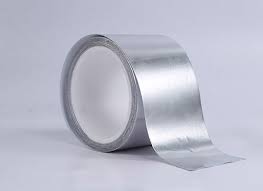
Table 1: Key Parameters of Automotive Aluminum Foil Tape
|
Parameter Category
|
Specification
|
Application Relevance
|
|
Width
|
10-50mm
|
Fits wire harnesses, trim strips, pipelines
|
|
Temperature Resistance
|
Regular: -40-120℃; High-temperature: -40-200℃
|
Covers engine (120℃) and exhaust (180℃) needs
|
|
Tensile Strength
|
Longitudinal ≥15MPa; Transverse ≥12MPa
|
Withstands driving vibration (10-50Hz, 0.5-2mm)
|
|
Peel Strength
|
≥5N/25mm (≤10% drop in 1 year)
|
Ensures long adhesion on metal/plastic
|
|
Water Absorption
|
≤1% (24h, 90% relative humidity)
|
Resists moisture in air conditioning/engine compartment
|
1. Application in Engine Compartment: Coping with High Temperature and Vibration
The engine compartment reaches 80-120℃ during operation, with vibration and oil pollution. Aluminum foil tape protects components here effectively.
1.1 Wire Harness Fixing and Protection: Avoiding Short Circuits and Aging
- Applicable Types: Ignition coil, sensor (e.g., water temperature, crankshaft position) and fuel injector wire harnesses (2-8mm diameter).
- Operation: Clean wire harness with alcohol and dry. Wrap with tape (10-50mm width) at 1/3 overlap, no air bubbles. Stretch 10%-15% at corners.
- Effect: Withstands 120℃ continuous/150℃ peak heat. Prevents PVC sheath softening and reduces engine failure risk.
- Case: Re-wrapping old vehicle wire harnesses cuts idle instability failure rate by over 80%.
1.2 Pipeline Heat Preservation and Sealing: Reducing Loss and Leakage
- Applicable Pipelines: Coolant (16-25mm, rubber/aluminum alloy), fuel return (8-12mm) and vacuum booster (10-15mm) pipelines.
- Heat Preservation: Wrapping in winter keeps coolant 3-5℃ warmer, helping the engine reach operating temperature faster.
- Sealing: Wrap 3-5 layers around slightly leaking joints (≤5ml/hour), press 30s per layer. Cover small alloy pipe cracks (≤0.5mm) with tape + high-temperature sealant (≥200℃).
2. Application in Vehicle Interior: Improving Comfort and Stability
The interior needs quietness and firm components. Aluminum foil tape fixes sound insulation cotton and repairs parts without affecting appearance.
2.1 Sound Insulation Cotton Installation: Reducing Noise
- Positions & Specs: See Table 2 for details.
- Steps: Apply glue on cotton back, cut tape to match edges. Stick every 10-15cm at cotton-metal joints, avoid speaker/lock holes (≥2cm distance).
- Effect: Lowers 60km/h driving noise by 3-5dB, especially tire/road noise.

2.2 Interior Component Fixing: Repairing Looseness
- Applicable Parts: Trim strips (5-15mm), sun visor buckles, seat button covers.
- Method: Clean old glue on loose trim (≤5cm), polish back. Stick tape 2cm longer than loose part, press 30s. Wrap 1-2 layers around loose buckles.
- Advantages: Silver color matches interior; adheres over 1 year at 20-60℃.
Table 2: Sound Insulation Cotton Application Details in Vehicle Interior
|
Installation Position
|
Area Range
|
Cotton Material
|
Cotton Thickness
|
Tape Width for Fixing
|
|
Door Panels
|
0.8-1.2㎡
|
Polyester/Sponge
|
5-15mm
|
10-20mm
|
|
Roof Interior
|
2.5-3.5㎡
|
Polyester/Sponge
|
5-15mm
|
15-25mm
|
|
Floor Carpet Below
|
4-5㎡
|
Polyester/Sponge
|
5-15mm
|
20-30mm
|
3. Application in Air Conditioning System: Ensuring Efficiency
Air conditioning pipelines and evaporators need aluminum foil tape for heat preservation, sealing and protection.
3.1 Pipeline Heat Preservation: Reducing Cold/Heat Loss
- Pipelines: Low-pressure (5-10℃, 12-18mm) and high-pressure (50-70℃, 12-18mm) pipes; wrapped in PE/rubber cotton (8-15mm).
- Steps: Fit cotton tightly, wrap tape parallel to pipeline (1/2 overlap). Cut fan-shaped at bends, press joint 1 minute.
- Effect: Cools to 25℃ 15%-20% faster; cuts heating energy use by 10%-12%. Prevents condensation dripping.
3.2 Evaporator Sealing: Blocking Dust/Moisture
- Situation: Evaporator (inside console) has 0.5-1mm shell gaps for dust/moisture.
- Method: Remove console trim, clean gaps. Stick 5-8mm tape along gaps; splice 45° at corners. Scrape tape to fit shell.
- Function: Stops dust blocking fins, prevents mold and air conditioning odor.
4. Application in Exterior Body: Temporary Repair and Protection
Aluminum foil tape temporarily repairs minor damage and protects chassis parts for professional maintenance later.
4.1 Minor Scratch/Dent Repair
- Damage: Paint scratches (≤0.1mm, ≤10cm), small dents (≤5cm², ≤2mm), no exposed metal.
- Steps: Clean, dry and polish scratch. Stick tape 2cm larger than damage, press 1 minute. Heat dents (50℃, 10s) before pasting.
- Notes: Valid 1-3 months; need professional paint repair. Ensure oil-free surface.
4.2 Chassis Protection: Avoiding Stone Impact
- Parts & Protection: See Table 3 for details.
- Method: Clean parts, cut 20-30mm tape. Stick every 5cm at edges/hit-prone areas (e.g., guard front).
- Effect: Lowers chassis damage rate by over 60%.
Table 3: Chassis Component Protection Details
|
Chassis Component
|
Material
|
Thickness
|
Tape Type for Protection
|
Key Protection Areas
|
|
Fuel Tank Guard
|
Plastic/Steel
|
–
|
Regular aluminum foil tape
|
Front edge, side edges
|
|
Exhaust Pipe Heat Shield
|
Aluminum Alloy
|
1-2mm
|
High-temperature tape (≥200℃)
|
Bottom surface, joint areas
|
5. Core Advantages of Automotive Aluminum Foil Tape
- Temperature Adaptability: Regular (-40-120℃) and high-temperature (-40-200℃) types cover all car parts’ needs.
- Reliable Mechanical Performance: Tensile/peel strength ensures no breakage or peeling under driving conditions.
- Multi-Protection Abilities: Resists moisture, dust and chemicals (antifreeze, engine oil, gasoline).
- Easy Application: Flexible to cut and stick, fits complex shapes (pipeline bends, component corners).