
Beyond the Burn: Unveiling the True Melting Point of Aluminum Foil and Its Culinary Implications
Aluminum foil, a ubiquitous staple in kitchens and industrial settings worldwide, is often taken for granted. Its ability to withstand heat in ovens, on grills, and within air fryers without visibly melting is a testament to its remarkable properties. Yet, a fundamental question persists for many: “What is the melting point of aluminum foil?”
The answer, while seemingly a simple number, opens a fascinating discussion on material science, thermal behavior, and safe culinary practices.
This comprehensive guide delves into the definitive melting temperature of aluminum, clarifies its performance in high-heat environments, and provides practical insights for maximizing its utility while ensuring safety.
The Foundation: Understanding Aluminum and Its Forms
To truly grasp the thermal resilience of aluminum foil, we must first understand the material itself. Aluminum (Al) is a lightweight, silvery-white, soft, non-magnetic, and ductile metal in the boron group.
Its most remarkable property is its resistance to oxidation and corrosion, a characteristic stemming from the formation of a thin, passive oxide layer.
1. Pure Aluminum vs. Aluminum Alloys: The Foil’s Composition
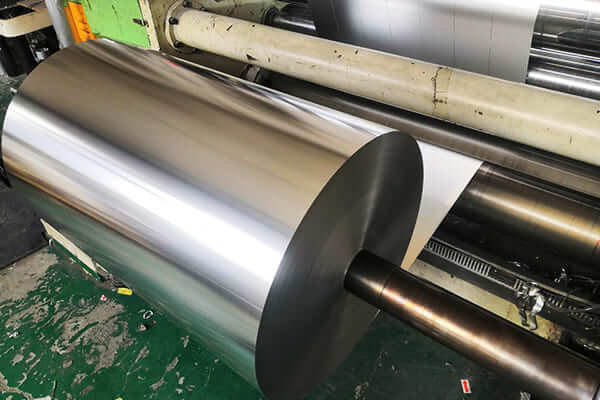
Household aluminum foil is typically made from commercially pure aluminum, most commonly 1xxx series alloys (e.g., 1235, 1100, 1145 alloys).
These alloys contain at least 99% pure aluminum, with trace amounts of other elements like iron and silicon that slightly enhance strength without significantly altering the melting point.
Industrial or heavy-duty foils might use slightly different compositions (e.g., 3xxx series alloys like 3003) for improved strength or formability, but their fundamental melting behavior remains similar to pure aluminum.
2. The Indispensable Oxide Layer: A Natural Shield
One of the most critical aspects of aluminum’s behavior at high temperatures is the presence of its tenacious, self-healing aluminum oxide (Al₂O₃) layer.
This extremely thin (typically 2-10 nanometers thick) layer forms almost instantly when aluminum is exposed to air.
Critically, aluminum oxide has a significantly higher melting point than pure aluminum, approximately 2072°C (3762°F).
This protective layer acts as a barrier, preventing the underlying aluminum from direct interaction with oxygen and, importantly, helps maintain the foil’s structural integrity even as it approaches its own melting point.
The Definitive Melting Point of Aluminum Foil
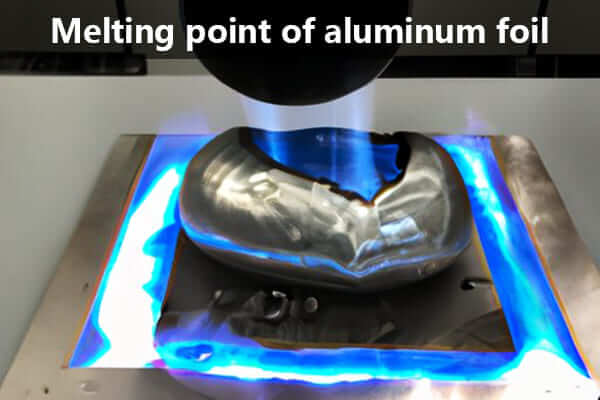
For commercially pure aluminum, the universally accepted melting point is 660.32°C (1220.58°F).
This is a precise metallurgical constant. Since aluminum foil consists of nearly pure aluminum, this value directly applies to it.
What Happens Before Melting? Softening and Degradation
While aluminum foil does not melt until it reaches 660°C, it undergoes significant changes at much lower temperatures:
- Softening and Weakening: As temperatures approach the 400-500°C (750-930°F) range, aluminum foil rapidly loses its structural integrity, becoming very soft, flimsy, and prone to tearing. It can no longer support its own weight or the weight of food effectively.
- Oxidation Acceleration: While the oxide layer is protective, prolonged exposure to high heat can accelerate oxidation, leading to a duller, grayish appearance on the surface.
Therefore, while the foil won’t melt in typical kitchen appliances, its functional properties (strength, ability to wrap/hold) degrade significantly long before reaching its melting temperature.
Real-World Implications: Why Foil Doesn’t Melt in Your Kitchen
The melting point of aluminum foil, 660.32°C (1220.58°F), is significantly higher than the maximum temperatures reached by most common kitchen appliances.
This fundamental difference explains why aluminum foil is safe and effective for cooking:
- Ovens: Most home ovens operate at maximum temperatures ranging from 200°C to 260°C (400°F to 500°F). Even self-cleaning cycles, which can reach up to 540°C (1000°F), remain well below aluminum’s melting point.
- Grills: While open flames on a grill can exceed aluminum’s melting point, the ambient temperature within the grill chamber and the surface temperature of the grates typically remain much lower, especially when food is placed on indirect heat or wrapped. Direct contact with intense flame can cause charring or localized melting, but this is an improper use case.
- Air Fryers: These popular appliances usually operate between 180°C and 205°C (350°F and 400°F), comfortably below the melting point of aluminum foil.
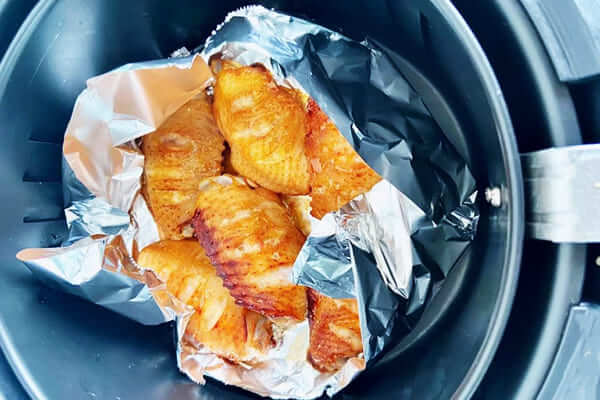
Crucial Insight: The foil does not melt in these environments because the ambient temperatures simply aren’t high enough.
Any perceived “melting” or degradation is typically due to extreme softening, charring of food residue, or direct contact with heating elements, which can cause scorching or sparking, not a true phase change of the aluminum itself.
Comparing Thermal Properties: Aluminum Foil vs. Other Kitchen Wraps
Understanding the thermal limits of other common kitchen materials helps contextualize aluminum foil’s unique position.
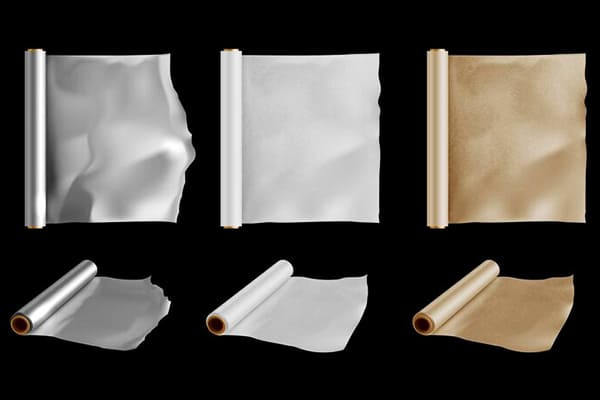
| Material | Primary Composition | Max Safe Cooking Temp (Approx.) | Melting/Degradation Point (Approx.) | Key Thermal Behavior |
| Aluminum Foil | >99% Pure Aluminum (Al) | ~500°C / 930°F (functional limit) | 660°C / 1220°F (true melting) | Softens significantly before melting; oxide layer maintains integrity. |
| Parchment Paper | Cellulose fibers (silicone coated) | ~220-230°C / 425-450°F | Burns/chars >230°C / 450°F | Will char and become brittle at higher temps. |
| Plastic Wrap | Polyethylene (PE) / PVC | ~100-150°C / 212-300°F | Melts/deforms >150°C / 300°F | Melts easily, not for high-heat cooking. |
| Silicone Liners | Silicone Polymer | ~230-260°C / 450-500°F | Decomposes >300°C / 570°F | Highly heat resistant, flexible, reusable. |
This comparison underscores aluminum foil’s superior high-temperature tolerance compared to most non-metallic wraps, making it indispensable for many oven and grill applications.
Safety and Best Practices When Using Aluminum Foil
While its high melting point makes aluminum foil suitable for many cooking applications, proper usage is critical for both safety and optimal results.
1. Avoiding Direct Contact with Heating Elements:
In ovens and air fryers, never allow aluminum foil to directly touch exposed heating elements.
Direct contact can cause sparking, potentially damaging the element or even leading to a fire.
This is especially pertinent in toaster ovens and air fryers where elements are often visible.
2. Ensuring Airflow in Air Fryers:
Air fryers rely on rapid hot air circulation. Do not cover the entire bottom of the air fryer basket or block its perforations with foil.
Obstructing airflow leads to uneven cooking, longer cook times, and can potentially damage the appliance from overheating.
Always ensure the foil is weighed down by food to prevent it from flying into the heating element due to the powerful fan.
3. Considerations for Acidic Foods:
While major health organizations like the World Health Organization (WHO) state that aluminum foil’s contribution to dietary aluminum intake is generally low and not considered harmful, prolonged contact with highly acidic foods (e.g., tomatoes, citrus fruits, vinegar-based marinades) can cause a small amount of aluminum to leach into the food.
For everyday cooking, this is usually negligible. However, for continuous storage or cooking of highly acidic items, consider using glass, ceramic, or stainless steel containers as alternatives.
4. Avoiding Microwave Use:
Never place aluminum foil in a microwave oven. Aluminum foil reflects microwaves, preventing food from cooking and potentially causing arcing (sparks) that can damage the microwave oven and pose a fire hazard.
Beyond the Kitchen: Aluminum’s Broader High-Temperature Applications
Aluminum’s high melting point and excellent thermal properties extend its utility far beyond the kitchen.
In industrial contexts, aluminum and its alloys find widespread use in applications involving significant heat:
- Heat Exchangers: Its high thermal conductivity and moderate melting point make it ideal for transferring heat in HVAC systems, automotive radiators, and industrial cooling units.
- Aerospace Components: Aluminum alloys are fundamental to aircraft construction, where they must withstand extreme temperatures generated by friction and engines, well below their melting points but still demanding thermal stability.
- High-Temperature Packaging: In specialized packaging, aluminum foil’s barrier properties are valued at elevated temperatures for sterilization processes.
- Thermal Insulation: Its reflective properties are harnessed in multi-layer insulation for spacecraft and cryogenic applications, where it reflects radiant heat.
These applications underscore aluminum’s robust thermal performance, stemming directly from its impressive melting point and efficient heat transfer capabilities.
FAQs About the Melting Point of Aluminum Foil
Q1: Will aluminum foil melt in a standard home oven?
A1: No. A standard home oven’s maximum temperature (typically around 260°C / 500°F) is significantly below the melting point of aluminum foil (660°C / 1220°F). It will soften and weaken but not melt.
Q2: What happens if aluminum foil touches a heating element in an appliance?
A2: If foil directly touches a glowing heating element, it can cause sparks (arcing) due to localized electrical conduction and rapid heating. This can damage the element, create a burning smell, or pose a fire risk. Always keep foil away from heating elements.
Q3: Is the melting point of heavy-duty aluminum foil different from regular foil?
A3: The true melting point remains essentially the same (660°C), as both are made from very similar pure aluminum alloys. Heavy-duty foil is simply thicker, providing more structural integrity and resistance to tearing at high temperatures, but its fundamental melting characteristic does not change.
Q4: Can aluminum leach into food when heated with foil? Is it dangerous?
A4: A very small amount of aluminum can leach, especially with acidic foods and high temperatures. However, health organizations like the WHO and FDA consider this amount to be minimal and well below harmful levels for most people. For high-acidity foods or prolonged contact, using alternatives like parchment paper or glass is an option.
Q5: Why do sometimes foods wrapped in foil seem to ‘burn’ or ‘char’ the foil?
A5: This isn’t the foil melting. It’s usually food residue or oil on the foil charring due to direct contact with high heat, or the food itself overcooking and creating burnt particles that adhere to the foil. The aluminum itself is highly resistant to burning.
Conclusion
The melting point of aluminum foil, a precise 660.32°C (1220.58°F), stands significantly above the operational temperatures of typical household cooking appliances.
This fundamental metallurgical fact, coupled with the protective aluminum oxide layer, ensures its remarkable utility and safety in ovens, on grills, and within air fryers.
While it softens and loses structural integrity long before melting, it remains a robust medium for heat transfer, food containment, and easy cleanup.
Understanding its thermal limits and adhering to best practices—such as avoiding direct contact with heating elements and ensuring proper airflow—empowers users to harness its full potential safely and effectively.
Ultimately, aluminum foil’s high melting point is a testament to the versatility of aluminum as a material, allowing it to perform critical roles in both our kitchens and a myriad of industrial applications demanding reliable thermal management.