
Ptp Aluminum Foil H18: The Definitive Guide
1. Introduction: Industry Positioning of Ptp Aluminum Foil H18
In the packaging materials industry, particularly within sectors demanding exceptional safety, sealability, and processability—such as pharmaceuticals and high-end food packaging—Ptp Aluminum Foil H18 (PTP H18) has emerged as an indispensable core material. Its unique hard-temper properties and superior performance define it as the benchmark product for Press Through Packaging (PTP) or blister packaging. Unlike softened variants, H18 foil undergoes a cold-rolling process without subsequent annealing, retaining a dense, hardened structure. This grants it unparalleled strength and stability, crucial for safeguarding product integrity and enabling advanced packaging solutions. Globally, and especially within pharmaceutical packaging, PTP H18 aluminum foil is a critical component for ensuring product safety and efficacy.

2. Core Understanding: Nature and Specifications of PTP H18
2.1 Product Definition and the Meaning of “H18”
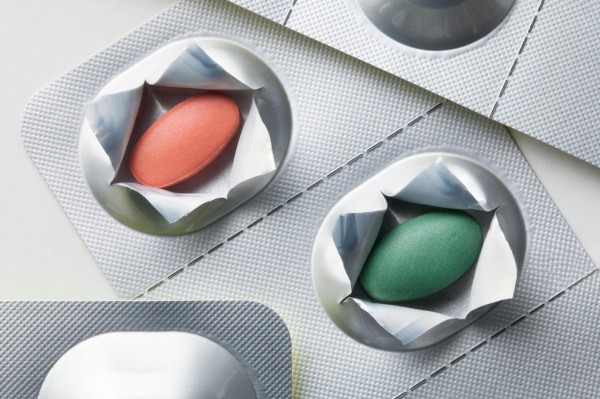
PTP aluminum foil is a specialized material designed to form the sealing lidding for blister packs. It heat-seals to plastic films like PVC or PVDC, creating individual, protective cavities for items such as tablets, capsules, and confectionery. The designation “H18” is key—it signifies the “Full Hard” temper state. This means the foil is not annealed (softened) after rolling, resulting in a robust, rigid structure with fundamentally different properties compared to annealed, soft-temper (“O” temper) foils.
2.2 Key Alloys and Material Composition
The predominant alloy for PTP H18 foil is 8011, an Al-Fe-Si series alloy celebrated for its excellent mechanical properties, pinhole resistance, and surface finish. The H18 temper further enhances these qualities, making it ideal for demanding applications. Alloys like 8021 and 8079 are also utilized for specific performance needs, offering versatility for different packaging scenarios.
2.3 Core Parameter Comparison: H18 vs. Soft Temper Foil
The defining characteristics of PTP H18 stem from its hard temper. The table below contrasts its core parameters with those of soft-temper aluminum foil.
| Parameter | PTP H18 (Hard Temper) | Soft Temper Foil (O Temper) | Key Implication |
|---|---|---|---|
| Temper State | H18 (Full Hard) | O (Soft/Annealed) | H18 is work-hardened, O is softened. |
| Typical Alloy | 8011, 8021, 8079 | 8011, 1235, etc. | 8011 is the most common for both, but performance differs. |
| Tensile Strength | High (e.g., ≥130 MPa) | Lower (e.g., 40-105 MPa) | H18 withstands high-speed processing without breaking. |
| Elongation | Low (≈1%) | High (≥3%) | H18 is less ductile but ideal for flat, rigid lidding. |
| Primary Use | PTP Blister Pack Lidding | Flexible pouches, wraps, easy-peel lids | H18 is specialized for rigid blister packaging. |
3. Core Characteristics and Performance Advantages
3.1 High Strength and Dimensional Stability
This is the most distinguishing advantage of H18 foil, directly impacting production efficiency and reliability.
3.1.1 Mechanical Performance Data
The superior strength of H18 foil is quantifiable, as shown in the performance data for standard 8011 alloy.
| Performance Indicator | Typical Value for H18 (8011 Alloy) | Advantage & Impact |
|---|---|---|
| Tensile Strength | ≥130 MPa (0.020mm thickness) | Prevents foil breakage during high-speed printing, coating, and die-cutting. Enables higher machine speeds. |
| Bursting Strength | 170-270 kPa (0.030mm thickness) | Exceeds standard requirements (e.g., ≥98 kPa), allowing for lighter gauges without compromising protection. |
| Elongation at Break | ≈1% | Confirms high rigidity; suitable for the forming process of blister lidding. |
3.2 Superior Barrier and Protective Properties
PTP H18 foil provides an exceptional protective barrier, making it the gold standard for sensitive products.
3.2.1 Sealing and Barrier Performance
The dense, un-annealed structure of H18 foil creates an almost impermeable shield.
| Protective Property | Key Performance Data | Significance for Product Safety |
|---|---|---|
| Barrier Properties | Excellent resistance to O2, H2O vapor, light, microbes. | Extends shelf life by preventing oxidation, moisture gain, and contamination. |
| Heat Seal Strength | 0.020mm: 8.3-11.0 N/15mm 0.030mm: 13.2-16.0 N/15mm (to PVC, 150°C) |
Creates a tamper-evident, hermetic seal to prevent leakage and contamination. |
| Compliance & Safety | Meets USP, EP, FDA, EU, YBB standards. | Chemically inert, non-toxic, and safe for direct contact with pharmaceuticals and food. |

3.3 Excellent Processability and Adaptability
H18 foil is engineered for seamless integration into modern, high-speed packaging lines.
3.3.1 Processing and Specification Flexibility
The foil’s characteristics support diverse production and design needs.
| Aspect | Specification & Capability |
|---|---|
| Surface Quality | Clean, smooth, and uniform, essential for reliable coating and printing. |
| Printability | Excellent substrate for high-definition, multi-color, and anti-counterfeiting printing. |
| Available Thickness | 0.016 – 0.07 mm (High growth in demand for gauges <0.05mm) |
| Available Width | 80 – 1650 mm (Custom slitting to fit customer machinery) |
| Line Compatibility | Stable performance on high-speed automatic blister packaging machines. |
4. Primary Application Scenarios
4.1 Pharmaceutical Packaging: The Core Domain
PTP H18 is the dominant lidding material for unit-dose blister packaging of solid pharmaceuticals (tablets, capsules, pills). Its unmatched barrier properties ensure drug stability, potency, and safety from the manufacturing plant to the end-user, fully complying with stringent global regulatory standards.
4.2 High-End Food and Confectionery Packaging
This foil is increasingly used for premium food items like chocolates, chewable candies, and gourmet lozenges. It locks in freshness, prevents staleness, protects flavors, and enhances the product’s visual appeal and perceived value.
4.3 Application Scenario Comparison
The suitability of PTP H18 for different fields is driven by specific, critical needs.
| Application Field | Specific Use Case | Critical Requirements | How PTP H18 Delivers Value |
|---|---|---|---|
| Pharmaceuticals | Blister pack lidding for tablets, capsules. | Maximum barrier, child resistance, tamper evidence, regulatory compliance. | Ensures drug efficacy/safety, meets pharmacopoeial standards, supports patient compliance. |
| High-End Food | Blister packaging for chocolates, candies, gum. | Moisture/Oxygen barrier, aroma preservation, texture maintenance, premium look. | Maintains crispness/flavor, prevents spoilage, adds a quality, protective image. |
5. Market Status and Future Trends
5.1 Current Market Landscape
The PTP H18 market is experiencing robust growth, driven by global demand for safe, convenient packaging.
| Market Aspect | Current Status & Data |
|---|---|
| Global Market Size | ~6.45B by 2032 (CAGR ~8.6%). |
| High-Growth Segment | Demand for thin-gauge (<0.05mm), high-performance H18 foil is growing at 10-18% annually. |
| Price Point | Thin-gauge PTP H18 foil is firm, ranging from ~28,500 to 31,000 RMB/ton. |
| Competitive Dynamic | High-end market is quality/tech-driven; mid/low-end faces intense price competition. |
5.2 Key Development Trends
The future of PTP H18 foil is shaped by innovation and evolving demands.
- Lightweighting & Cost Optimization: Ongoing development of thinner, yet stronger foils to reduce material use and cost.
- Sustainability Focus: Increased use of recycled aluminum (post-consumer or post-industrial scrap) in alloy composition and energy-efficient production processes.
- Performance Enhancement: Development of foils with even higher barrier properties, improved puncture resistance, and tailored surface characteristics for new polymers.
- Smart Packaging Integration: Exploration of foil as a substrate for functional inks, track-and-trace technologies, and anti-counterfeiting features.
6. Conclusion
Ptp Aluminum Foil H18 represents the pinnacle of performance in blister packaging lidding. By leveraging alloys like 8011 in a full-hard temper (H18), it delivers an optimal balance of high strength, superior barrier properties, and excellent processability. It decisively solves the limitations of soft-temper foils in high-speed, high-reliability applications, making it the material of choice for protecting sensitive pharmaceuticals and premium foods. As the industry advances towards greater efficiency, sustainability, and functionality, PTP H18 aluminum foil is poised to remain an essential, evolving material at the core of innovative packaging solutions.