
Zijn aluminium bakpannen echt veilig??
Een technische diepgaande duik in de normen voor voedselveilig aluminium en de selectie van de toeleveringsketen
Als professionals in de aluminiumindustrie, Regelmatig krijgen wij van klanten een kritische vraag:
In een tijdperk waarin steeds meer aandacht wordt besteed aan gezond eten, zijn aluminium bakgerei nog steeds een veilige keuze?
Het antwoord is ondubbelzinnig: ja – als het juiste aluminium op de juiste manier wordt gebruikt en verwerkt.
Aluminium blijft het meest gebruikte metaalmateriaal in de wereldwijde productie van bakvormen, en dit is geen toeval. Van thermische geleidbaarheid en maakbaarheid tot recycleerbaarheid, kostenefficiëntie, en naleving van de regelgeving, aluminium biedt een combinatie van voordelen die geen enkel ander materiaal volledig kan vervangen.
Het echte probleem is dat niet of aluminium moet worden gebruikt, maar eerder welk type aluminium wordt gebruikt en hoe het wordt behandeld.
Dit artikel is geschreven vanuit het perspectief van een professionele leverancier van aluminiummaterialen en dient als een technische veiligheidsgids voor fabrikanten van bakvormen, merkeigenaren, inkoopteams, en verwerkende bedrijven.

1. Vanuit een materiaalwetenschappelijk perspectief: Waarom aluminium de “gouden standaard” blijft voor bakvormen
1.1 Ongeëvenaarde thermische prestaties
Aluminium heeft een thermische geleidbaarheid van ongeveer 235 met(m·K)-over 15 maal hoger dan roestvrij staal (~16 W/(m·K)). Dit vertaalt zich in:
- Uniforme warmteverdeling: De warmte verspreidt zich snel en gelijkmatig over het panoppervlak, het voorkomen van plaatselijke hotspots en ongelijkmatig bakken
- Snelle thermische respons: Kortere voorverwarmingstijd en nauwkeurige temperatuurregeling
- Energie-efficiëntie: Kortere baktijd en lager energieverbruik
Voor fabrikanten, Het kiezen van aluminium is niet alleen het kiezen van een materiaal, het is het kiezen van een stabiele fysieke basis voor consistente productprestaties.
1.2 Een modelmateriaal voor de circulaire economie
Naarmate de duurzaamheid van de toeleveringsketen steeds belangrijker wordt, aluminium theoretisch 100% recycleerbaarheid zonder prestatieverlies biedt aanzienlijke ESG-waarde.
Gerecycled aluminium vereist alleen ~5% van de energie nodig om primair aluminium te produceren, waardoor het een ideaal materiaal is voor merken die zich inzetten voor koolstofarme en duurzame toeleveringsketens.
2. Kern technische sectie: Veiligheidsnormen en nalevingscontrole voor aluminium van voedingskwaliteit
Als verantwoordelijke aluminiumleverancier, wij herkennen dat naleving van het materiaal is de levensader van de productkwaliteit. Hieronder volgen de belangrijkste technische normen waaraan aluminium van voedingskwaliteit moet voldoen.
2.1 Nauwkeurige selectie van legeringskwaliteiten
Niet alle aluminiumlegeringen zijn geschikt voor contact met voedsel. Voor de productie van bakvormen, wij adviseren en leveren regelmatig het volgende aluminiumlegeringen van voedingskwaliteit:
| Legering | Belangrijkste kenmerken | Typische toepassingen |
|---|---|---|
| 3003 | 1.0–1,5% Mn, uitstekende corrosieweerstand, goede vervormbaarheid, kosteneffectief | Huishoudelijke bakpannen, taartvormen, dienbladen |
| 3004 | Hogere sterkte dan 3003, goede vervormbaarheid, superieure weerstand tegen vermoeidheid | Diepgetrokken producten, zware bakvormen |
| 5052 | 2.2–2,8% Mg, Grote sterkte, uitstekende corrosieweerstand en lasbaarheid | Commercieel bakgerei, professionele apparatuur |
Kritisch controlepunt: Onzuiverheden van zware metalen (Pb, CD, Hg, Cr⁶⁺) zijn strikt beperkt tot niveaus ver onder de wettelijke drempels.
2.2 Internationale compliance- en certificeringssystemen
Onze aluminiummaterialen van voedselkwaliteit voldoen volledig aan de belangrijkste wereldwijde regelgeving op het gebied van voedselcontact, inbegrepen:
- FDA 21 CFR 175.300 (VS) – Migratielimieten voor coatings en metalen substraten
- EU 10/2011 & EG-nr. 1935/2004 – EU-kader voor materialen die met voedsel in contact komen, zorgen voor chemische stabiliteit met zure en olieachtige voedingsmiddelen
- GB 4806.9-2016 (China) – Nationale voedselveiligheidsnorm voor metalen materialen en voorwerpen
Bij het inkopen van materialen, wij raden u ten zeerste aan om dit aan te vragen:
- Testcertificaat van de molen (MTC)
- Testrapporten van derden (SGS, TÜV, Interteken)
- Spectrometrische analyserapporten over de legeringssamenstelling
2.3 Strikte controle op sporenelementen
Er zitten vaak veiligheidsverschillen in onzuiverheidscontrole op microniveau. Tijdens het smelten en gieten, wij implementeren:
- Leiding (Pb): < 0.01%
- Cadmium (CD): < 0.001%
- Arseen (Als) & Antimoon (Zb): gecontroleerd op sporenniveau
Elke batch ondergaat een volledige spectrumanalyse met behulp van spectrometers om potentiële risico's bij de bron te elimineren.
3. Anodiseren: Het bouwen van de ultieme veiligheidsbarrière voor aluminium (Technisch hoogtepunt)
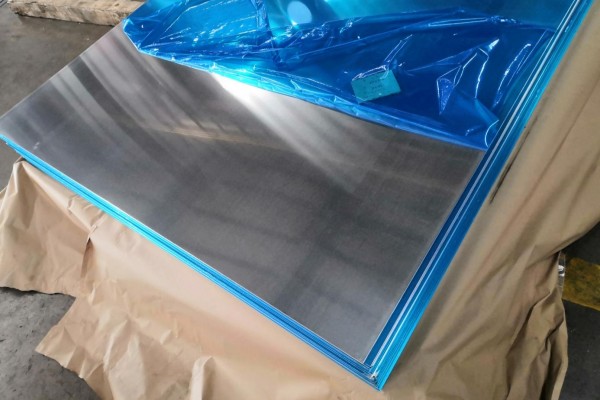
Voor de meeste premium bakvormenfabrikanten, wij raden het ten zeerste aan geanodiseerd aluminium platen.
Dit is geen eenvoudige oppervlakteafwerking; het is een structurele versterking op materiaalniveau.
3.1 Wat is anodiseren?
Anodiseren is een elektrochemisch oxidatieproces waarin aluminium fungeert als de anode in een elektrolyt (meestal zwavelzuur), vorming van een dicht aluminiumoxide (Al₂O₃) laag.
Deze oxidelaag is geen coating, maar een keramiekachtige structuur gegroeid uit het basismetaal zelf, typisch 5–25 micron dik, aanpasbaar op basis van toepassingsvereisten.
3.2 Drievoudige veiligheidsbescherming van geanodiseerd aluminium
| Veiligheidsdimensie | Mechanisme | Waarde voor eindgebruikers |
|---|---|---|
| Chemische inerte barrière | Al₂O₃ is stabiel binnen een pH-waarde van 4–8,5, het voorkomen van direct contact tussen aluminium en zure voedingsmiddelen | Elimineert zorgen over ionenmigratie en smaakoverdracht |
| Structurele versterking | Mohs-hardheid tot 9 (dichtbij saffier), ver boven het basisaluminium (2.5–3) | Hoge kras- en slijtvastheid |
| Permanente bescherming | Binding op atomair niveau voorkomt afbladderen of degradatie | Geen risico op inslikken van coating; kwalificeert als een permanente, door de FDA erkende barrière |
Voor merken die op zoek zijn naar differentiatie, hard geanodiseerd aluminium biedt een bijna roestvrijstalen hardheid met een aanzienlijk langere levensduur.
4. Mythen ontkrachten: Wetenschappelijk bewijs vs. Misvattingen over de markt
4.1 “Aluminium veroorzaakt de ziekte van Alzheimer” – een verouderde theorie
Vroege hypothesen uit de jaren negentig suggereerden een verband tussen aluminium en de ziekte van Alzheimer. Deze theorie is sindsdien grondig weerlegd:
- WHO (2010): Geen sluitend bewijs voor een causaal verband
- Alzheimer Vereniging: Dagelijkse blootstelling aan aluminium is geen bekende risicofactor
- Moderne studies suggereren dat de accumulatie van aluminium een rol speelt resultaat, geen oorzaak, van neurodegeneratie
4.2 Real-World aluminiuminnamegegevens
Volgens de Europese Autoriteit voor voedselveiligheid (EFSA):
- Verdraagbare wekelijkse inname (Twi): 1 mg/kg lichaamsgewicht
- Werkelijke inname via de voeding: ~0,2–1,5 mg/kg/week (voornamelijk uit voedseladditieven, water, granen, thee)
- Migratie van conforme aluminium bakvormen:
< 0.01 mg/kg voedsel onder normale bakomstandigheden (<200° C)
Conclusie: Goed gecertificeerde aluminium bakvormen van voedingskwaliteit geen gezondheidsrisico.
5. Materiaalkeuzegids voor fabrikanten en merken (B2B-focus)
5.1 Dikte (Graadmeter) Selectie: Voorkomen van kromtrekken
Aanbevolen dikte:
- Huishoudelijke bakvormen: 0.8–1,2 mm
- Commercieel bakgerei: 1.5–2,0 mm
- Anti-kromtrekkend ontwerp: gerolde randen of versterkte ribben
Lakens dunner dan 0.6 mm zijn zeer gevoelig voor thermische kromtrekking.
5.2 Vergelijking van oppervlaktebehandeling
| Behandeling | Kosten | Veiligheid | Aanbevolen gebruik |
|---|---|---|---|
| Blank aluminium | Laag | Medium | Instapniveau, wegwerp bakvormen |
| Geanodiseerd | Medium | Heel hoog | Midden- tot high-end merken |
| Voorgecoat (siliconen/keramiek) | Hoog | Hoog | Antiaanbaktoepassingen |
| Gekleed (Al-SS) | Heel hoog | Heel hoog | Inductie-compatibele premiumproducten |
6. Conclusie: Materiaalkwaliteit definieert productveiligheid
De veiligheid van aluminium bakvormen is afhankelijk van controle van de toeleveringsketen, niet het materiaal zelf. Drie factoren zijn doorslaggevend:
- Juiste legeringsselectie (3003 / 3004 / 5052)
- Gecontroleerde productieprocessen
- Volledige naleving van de regelgeving
Als professionele leverancier van aluminiumplaten van voedingskwaliteit en oplossingen voor kookgerei, wij zorgen ervoor volledige batchtraceerbaarheid en nalevingsdocumentatie bij elke zending.

Onderneem actie: Ontvang uw op maat gemaakte materiaaloplossing
Wij bieden:
- ✅ Gratis legeringsmonsters
- ✅ FDA & Voorafgaande beoordeling van de naleving van de EU
- ✅ Aangepaste anodisatiedikte
- ✅ SGS / Testen door derden door Intertek
Veelgestelde vragen (FAQ)
Q: Hoe u snel de naleving van voedselveiligheid kunt verifiëren?
A: Controleer de legeringskwaliteit (3003/3004/5052), MTC bekijken, Bevestig rapporten van derden.
Q: Belangrijk verschil tussen huishoudelijk en commercieel bakgerei?
A: Huishouden: 3003, 0.8–1,2 mm. Commercieel: 3004/5052, 1.5–2,0 mm met versteviging.
Q: Is dikker anodiseren altijd veiliger?
A: Nee. 5–10 μm voor huishoudelijk gebruik, 15–25 μm voor commercieel gebruik is voldoende.
Q: Kan gerecycled aluminium voedselveilig zijn??
A: Ja, met de juiste raffinage en volledige traceerbaarheid.
Q: Wat de levensduur van bakvormen verkort?
A: Langdurige zure opslag, scherp keukengerei, droog verwarmen boven 250°C.