
Hliníková fólia na vedenie klimatizácie
Dopyt po klimatizačná hliníková fólia sa výrazne zvýšil, keďže systémy HVAC vyžadujú vyššiu účinnosť, nižšia spotreba energie, a zlepšená stabilita prúdenia vzduchu. Ako kľúčový materiál pri výrobe potrubí, klimatizačná hliníková fólia ponúka špecializovanú kombináciu nízkej pevnosti, antikorózny výkon, a odrazivosť, ktorá pomáha udržiavať tepelnú aj mechanickú stabilitu v moderných systémoch distribúcie vzduchu.
Prečo je klimatizačná hliníková fólia dôležitá pri výkone HVAC
Klimatizačná hliníková fólia je široko používaný v flexibilných potrubiach, tuhé potrubia, a kompozitné izolačné konštrukcie. Vysoká odrazivosť fólie minimalizuje tepelný zisk, jeho odolnosť proti korózii zabraňuje dlhodobej degradácii, a jeho nízka hustota pomáha znižovať celkové zaťaženie veľkých inštalácií HVAC.
V moderných potrubných systémoch, hliníková fólia zabezpečuje:
- Vyššia izolačná účinnosť
- Znížená kondenzácia a rast mikróbov
- Vylepšená stabilita prúdenia vzduchu
- Dlhšia životnosť vo vlhkom prostredí a prostredí s premenlivou teplotou

Kľúčové technické vlastnosti požadované pre klimatizačnú hliníkovú fóliu
Výrobcovia sa zvyčajne zameriavajú na nasledujúce ukazovatele výkonnosti:
| Nehnuteľnosť | Technická požiadavka | Vplyv na potrubie HVAC |
|---|---|---|
| Hrúbka fólie | 0.03-0,12 mm | Určuje pevnosť a pružnosť pri tvarovaní potrubia |
| Pevnosť v ťahu | 70-130 MPa | Zaisťuje odolnosť pri ohýbaní a vibráciách |
| Odrazivosť povrchu | ≥ 85 % | Zvyšuje tepelnoizolačný výkon |
| Odolnosť proti korózii | Vysoký, najmä pri vlhkom prúdení vzduchu | Zabraňuje vnútornej oxidácii potrubia |
| Priľnavosť (pre laminovanú fóliu) | ≥1,0 N/mm | Zlepšuje väzbu s PET, Pešo, alebo sklolaminátové materiály |
| Predĺženie | ≥ 15 % | Zaisťuje flexibilitu potrubia a bezpečnosť inštalácie |
Tieto technické vlastnosti priamo ovplyvňujú stabilitu potrubia, požiarna odolnosť, a dlhodobú trvanlivosť.
Prípadová štúdia: Eco Alum Co., Ltd Dosahuje 18% Zlepšenie účinnosti pri modernizácii komerčnej HVAC
Eco Alum Co., Ltd, špecializovaný výrobca hliníkovej fólie HVAC triedy, nedávno podporila veľký projekt modernizácie komerčných budov v juhovýchodnej Ázii. Predchádzajúci potrubný systém trpel únikom vzduchu, rast plesní, a vysoká spotreba energie.
Eco Alum Co., Ltd dodal na mieru 0.06 mm 8011-O klimatizačná hliníková fólia, laminované PET pre lepšiu odolnosť proti roztrhnutiu. Po výmene:
- Únik vzduchu poklesol 31%
- Spotreba energie chladiaceho systému klesla o 18%
- Index vnútornej vlhkosti sa zlepšil, zníženie rizika kondenzácie
Tento projekt demonštruje dôležitosť výberu kvalitnej hliníkovej fólie so správnou certifikáciou materiálu a povrchovou úpravou.
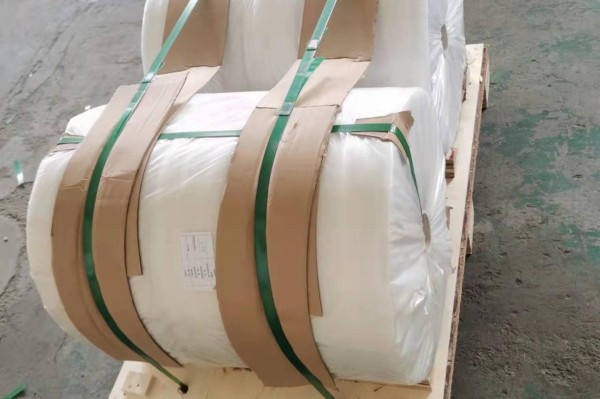
Porovnanie: Klimatizačná hliníková fólia vs. Štandardná baliaca fólia
| Funkcia | Klimatizačná hliníková fólia | Štandardná baliaca fólia | Výkonnostný rozdiel |
|---|---|---|---|
| Typ zliatiny | 8011, 1100, 1235 | 8011, 3003 | Fólia HVAC vyžaduje kvôli stabilite špeciálne zliatiny |
| Rozsah hrúbky | 0.03-0,12 mm | 0.009-0,020 mm | HVAC fólia je hrubšia kvôli mechanickej pevnosti |
| Ošetrenie povrchom | Antikorózny, lak, hydrofóbne | Minimálne ošetrenie | Vyššia životnosť v potrubí |
| Možnosti laminácie | Domáce zviera, Pešo, sklolaminát | Papier, Pešo | HVAC fólia vyžaduje pevnejšie kompozitné štruktúry |
| Teplotná odolnosť | -40°C až 150 °C | -20°C až 120 °C | Lepší výkon v drsnom prostredí HVAC |
| Štrukturálna pevnosť | Vysoký | Nízky | Nevyhnutné pre stabilitu potrubia |
Toto porovnanie poukazuje na to, prečo je potrebná špeciálna klimatizačná hliníková fólia namiesto fólie na všeobecné použitie.
Aplikácia klimatizačnej hliníkovej fólie
Klimatizačná hliníková fólia hrá konštrukčnú a funkčnú úlohu v celom reťazci vzduchotechniky a izolácie HVAC. Jeho aplikácie presahujú rámec jednoduchého balenia potrubia a zahŕňajú kompozitné štruktúry, tepelné bariéry, parozábrany, a vnútorné obkladové materiály. Nasledujúce podsekcie rozširujú najkritickejšie scenáre použitia.
Flexibilné vzduchové kanály (Kompozitná fólia AL–PET–AL)
Flexibilné potrubia sa vo veľkej miere spoliehajú na hliníkovú fóliu laminovanú PET alebo PE. Laminovaná štruktúra poskytuje:
- Pevnosť v ťahu na podporu ohybového a montážneho napätia
- Vynikajúca odolnosť voči parám, zabraňuje migrácii vlhkosti
- Vnútorná svetlá odrazivosť na zníženie strát trením a podporu stabilného prúdenia vzduchu
- Dlhodobý antikorózny výkon vo vlhkom prostredí
Tieto potrubia sú široko inštalované v obytných bytoch, nákupné centrá, sklady, a hotelové HVAC systémy, kde priestorové obmedzenia vyžadujú flexibilitu.
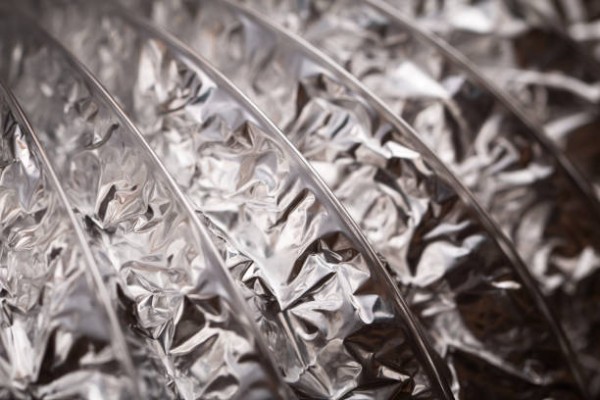
Pevné potrubné panely pre komerčné systémy HVAC
Pevné vetracie kanály - najmä potrubia zo sklenených vlákien a fenolové potrubia - používajú hliníkovú fóliu ako:
- Vonkajšia koža (vrstva proti vlhkosti a prachu)
- Vnútorná podšívka (reflexné, antibakteriálny povrch)
Fólia zvyšuje štrukturálnu stabilitu a zabraňuje vypadávaniu vlákien do prúdu vzduchu. Veľa veľkých budov, ako sú letiská a nemocnice, vyžadujú pevné potrubia vyložené kvalitnou klimatizačnou hliníkovou fóliou kvôli jej požiarnej odolnosti a hygienickým vlastnostiam.
Izolačné materiály pre vzduchotechnické jednotky (AHU) a VRF systémy
Vo vysokokapacitných AHU a VRF systémoch, hliníková fólia sa aplikuje v izolačných vrstvách na:
- Znížte tepelné mosty pri veľkoobjemovom prúdení vzduchu
- Zabráňte tvorbe kondenzácie na povrchoch zariadenia
- Zlepšite správu energie HVAC a efektivitu zaťaženia
Bežné štruktúry zahŕňajú Pena AL-XPE, AL – sklolaminátová vlna, a AL-gumová izolácia.
Akustické tlmiace materiály
Pretože hliníková fólia je tuhá, ale ľahká, je široko používaný v akustických vložkách potrubí. Pôsobí ako:
- Ochranný film na materiáli pohlcujúcom zvuk
- Reflektor kontrolujúci odpor prúdenia vzduchu
- Protipožiarna bariéra pre akustické panely
Toto je rozhodujúce pre systémy HVAC v kinách, konferenčné centrá, a kancelárske budovy, kde sa vyžaduje nízka hladina hluku.
Ochrana vonkajšej jednotky HVAC (Zábrany proti slnku a vlhkosti)
Hliníková fólia laminovaná povlakom odolným voči poveternostným vplyvom sa používa na ochranu vonkajšieho potrubia a potrubí:
- Odráža UV a teplo
- Zabraňuje korózii dažďom alebo morským vetrom
- Minimalizuje tepelné straty vo vonkajších chladiacich vedeniach
To zlepšuje dlhodobý výkon v tropických a pobrežných oblastiach.
Potrubie pre prostredie s vysokou vlhkosťou
V prostrediach, ako sú továrne na potraviny, bazény, a farmaceutické čisté priestory, hliníková fólia je nevyhnutná, pretože:
- Zostáva stabilný aj pri nepretržitom vystavení vlhkosti
- Zabraňuje rastu plesní a baktérií
- Zachováva vzduchotesnosť pre systémy riadeného vetrania
Tieto odvetvia vyžadujú prísnejšie hygienické normy a normy na kontrolu kondenzácie.
Bežné problémy s kvalitou a ako sa im vyhnúť
Výkon klimatizačnej hliníkovej fólie môže výrazne ovplyvniť účinnosť systému HVAC, trvanlivosť, a bezpečnosť. Nižšie je uvedený komplexný rozpis typických problémov, príčin, a inžinierske odporúčania.
Praskanie alebo trhanie fólie počas tvarovania potrubia
Príčiny:
- Nedostatočné predĺženie (<15%)
- Nesprávna teplota zliatiny
- Vo fólii zostalo nadmerné napätie pri valcovaní
- Nekvalitná laminácia alebo starnutie lepidla
Riešenia:
- Vyberte si O-temper (žíhaný) hliníková fólia pre maximálnu ťažnosť
- S dodávateľmi špecifikujte požiadavky na predĺženie
- Zabezpečte správne starnutie a liečbu zmierňujúcu stres
- Vyberte si výrobcov ako Eco Alum Co., Ltd ktoré poskytujú kontrolované mechanické vlastnosti
Delaminácia vo výrobkoch z laminovanej fólie (AL–PET–AL, AL-PE)
Príčiny:
- Nízkokvalitné lepidlá
- Nerovnomerná aplikácia náteru
- Slabá liečba korónou
- Nedostatočný lepiaci tlak počas laminácie
Riešenia:
- Vyžadovať ≥1,0 N/mm priľnavosť podľa normy QC
- Zabezpečte, aby vrstvy PET/PE prešli korónovou úpravou >38 žena
- Požiadajte o lamináciu pomocou lepidiel s vysokou priľnavosťou na báze rozpúšťadiel alebo polyuretánu
- Vyberte si dodávateľov s automatizovanými laminovacími linkami
Dierky alebo povrchové chyby znižujúce výkon parotesnej bariéry
Príčiny:
- Nadmerný tlak valcovania
- Kontaminovaná tavenina hliníka
- Povrchové škrabance pri rezaní
- Zlá čistota dielne
Riešenia:
- Uveďte limity hustoty dierky (≤50 dierok/m² pre fóliu HVAC)
- Zabezpečte čistotu taveniny a filtráciu
- Používajte bezprašné rezacie dielne
- Zvoľte hrúbku fólie ≥0,05 mm, aby ste znížili pravdepodobnosť vzniku dierky
Oxidačné škvrny alebo korózia v oblastiach s vysokou vlhkosťou
Príčiny:
- Fólia skladovaná v prostredí s nekontrolovanou vlhkosťou
- Žiadny povrchový lak alebo nedostatočný antikorózny film
- Fólia vystavená kondenzácii počas prepravy
Riešenia:
- Požiadajte o hydrofóbnu alebo antikorózne upravenú fóliu
- Vyžadujte balenie s fóliou odolnou voči vlhkosti
- Uložiť nižšie 60% RH a vyhnite sa teplotnému šoku
- Pre pobrežné oblasti, vyberte si lakovaná hliníková fólia
Nedostatočná pevnosť v ťahu spôsobujúca deformáciu potrubia
Príčiny:
- Použitie fólií baliacej kvality namiesto fólie kvality HVAC
- Nesprávny výber zliatiny (napr., 1100 používa sa pre veľké potrubia namiesto 8011/3003)
- Nízka kontrola parametrov valcovania
Riešenia:
- Pre veľké potrubia, vyberte si 8011-O alebo 3003-O s pevnosťou v ťahu >90 MPa
- Vyžadujte certifikáty mechanických vlastností od dodávateľa
- Skontrolujte presnosť a proces žíhania valcovacej stolice výrobcu
Nekonzistentná hrúbka vedúca k zlej laminácii alebo problémom s prúdením vzduchu
Príčiny:
- Problémy s presnosťou valcovacej stolice
- Nepresná regulácia napätia pri rezaní
- Nekonzistentná šírka fólie
Riešenia:
- Špecifikujte prísnu toleranciu hrúbky (±0,002 mm pre HVAC fóliu)
- Požadovať od dodávateľov, aby používali automatické riadenie hrúbky AGC/AFC
- Skontrolujte kvalitu rezania (otrepy hrany ≤0,02 mm)
Slabý požiarny výkon v dôsledku nesprávneho výberu materiálu
Niektoré potrubné fólie neprešli testovaním ohňom, pretože:
- Používajú nízkokvalitné lamináty
- Fólia je príliš tenká, aby odolala vznieteniu
- Povrchové nátery sú horľavé
Riešenia:
- Zabezpečte súlad s IN 13501, UL 181, alebo GB/T 17791
- Používajte PET/PE fólie spomaľujúce horenie
- Vyberte hrubšiu fóliu (>0.06 mm) pre komerčné HVAC
Zlá priľnavosť k izolačným materiálom
Príčiny:
- Nesprávny typ lepidla použitý pre penu alebo sklolaminát
- Nízka teplota lepenia
- Zlá čistota povrchu
Riešenia:
- Použite teplom aktivované lepidlo na XPE alebo gumovú penu
- Zvýšte tlak laminácie
- Pred lepením očistite povrch fólie
FAQ o klimatizačnej hliníkovej fólii
| Otázka | Odpoveď |
|---|---|
| Aká hrúbka je najlepšia pre flexibilné vzduchové potrubia? | 0.05-0,08 mm sa najčastejšie používa kvôli pružnosti a pevnosti. |
| Ktorá zliatina je uprednostňovaná pre potrubnú fóliu? | 8011-O a 1100-O sú najpoužívanejšie kvôli ťažnosti a odolnosti voči korózii. |
| Ako hliníková fólia zlepšuje energetickú účinnosť? | Jeho vysoká odrazivosť znižuje tepelnú výmenu, udržanie chladnejšieho studeného vzduchu dlhšie. |
| Môže byť hliníková fólia použitá vonku? | áno, pri laminovaní PET alebo potiahnutej na odolnosť voči poveternostným vplyvom. |
| Prečo je hydrofóbna úprava užitočná? | Zabraňuje kondenzácii a tvorbe plesní vo vlhkom prostredí s prúdením vzduchu. |
Záver
Ako sa HVAC systémy vyvíjajú smerom k vyššej energetickej účinnosti a prísnejším stavebným normám, klimatizačná hliníková fólia je aj naďalej kľúčovým materiálom na výrobu trvanlivého materiálu, stabilný, a vysokovýkonné potrubné systémy. S podporou spoľahlivých výrobcov ako Eco Alum Co., Ltd, podniky môžu výrazne zlepšiť životnosť potrubia, znížiť spotrebu energie, a optimalizovať výkon vnútornej klímy.