
Soo saaraha Foil Aluminium Ptp | Tilmaamaha Faylasha Aluminium ee Dawada
Gudaha warshadaha dawooyinka ee aadka loo nidaamiyay, baakaduhu waa qayb muhiim ah oo ka mid ah alaabta daroogada. Pt (Ku riix Baakadaha) Fool, caadi ahaan loo yaqaan foil aluminium-qabow ah, waxay u adeegtaa sida walxaha xudunta u ah baakooyinka biliijka caadiga ah ee kiniiniyada iyo kaabsalka. Aasaaskeeda wax qabadkeedu wuxuu si toos ah ugu tiirsan yahay tayada foil-ka aluminiumka ee kor u kaca iyo saxnaanta habka lamination. Maqaalkani wuxuu bixiyaa hage qoto dheer oo laga soo qaatay aragtida sayniska maadiga ah, ku habboon codsiga, iyo maareynta silsiladda sahayda, muujinta cilmiga maadiga ah iyo injineernimada nidaamyada ka dambeeya tan “gaashaanka badbaadada.”

1. Faylka PTP: Nidaam isku dhafan oo dhowr lakab ah oo sax ah oo la farsameeyay
Foornada PTP ma aha wax fudud oo baakad ah; waa nidaam qalab shaqaynaya oo si sax ah loo farsameeyay oo loogu talagalay ilaalinta kama dambaysta ah, qaadashada saxda ah, iyo aqoonsiga summada. Lakab kastaa wuxuu fuliyaa hawl gaar ah oo jireed iyo kiimiko, isku dhafan iyada oo loo marayo daahan horumarsan, daabacaad, iyo hababka lamination. Fahamka qaabdhismeedkan la daboolay ayaa ah meesha laga bilaabayo fahamka dhammaan sifooyinkiisa waxqabad.
Miis 1: Burburinta Caadiga ah ee Qaab-dhismeedka Foil PTP iyo Shuruudaha Hawlgelinta
| Lakabka qaab dhismeedka | Alaabta/Abuurka Guud | Hawlaha Muhiimka ah | Shuruudaha Muhiimka ah ee Faylasha Saldhigga Aluminium |
|---|---|---|---|
| Lakabka dibadda (Lakabka Ilaalinta/Daabacaadda) | Codsato (Xayawaan dab-joog), Nayloon (NY) ama dahaarka khaaska ah | 1. Sidda daabacaadda summada iyo macluumaadka qoraalka 2. Abrasion iyo iska caabin xoq 3. Waxay ka ilaalisaa lakabka aluminiumka dhexe inuu dhaliyo ama ku dhego inta lagu jiro xidhitaanka kulaylka |
Waxay bixisaa nadiif ah, substrate lebis oo leh xiisad dusha ku habboon (heerka caadiga ah dyne ≥32) si loo hubiyo ku dhejinta ugu fiican ee dahaarka ama filimada. |
| Lakabka Barrier Core | bireed aluminium ah oo aad u kulul, dhumucda caadiga ah: 20μm, 25μm, 30μm | 1. Waxay bixisaa xannibaad dhammaystiran oo ku dhow qoyaanka, ogsijiin, iyo iftiin 2. Waxay siisaa xoogga guud ee dhismaha iyo adkaanta xirmada 3. Wuxuu sameeyaa lakabka farsamada aasaasiga ah ee “riixid” habka qaadashada |
Tirada godka hoose: Halbeegga xudunta u ah qiimaynta tayada duubista xaashida. Daahir sare: Caadi ahaan waxay u baahan tahay nadiif aluminium ≥99.5%, yaraynta dhibcaha daxalka ee wasakhda. Guryaha Makaanikada ee heer sare ah: Labbiska iyo xoogga adkaysiga deggan iyo dhererka nasashada. |
| Lakabka Gudaha (Lakabka Seal Heat) | Polyvinyl chloride (Tuubbo cunto), Polyvinylide chloride (Pvdc) ama xabagyada kulul ee dhalaalay ee caafimaadka gaarka ah (E.g., Alu-Alu) | 1. Waxay samaysaa mid xoogan, shaabad hermetic ah oo leh filimaan finan ah oo PVC/PVDC ah oo ku hoos jira kulayl iyo cadaadis 2. Waa inuu lahaadaa ku habboonaanta daawada wanaagsan |
Dhabarka dambe ee bireedku waa inuu lahaadaa nadaafad aad u sarreeya iyo firfircooni si loo hubiyo in alaabta kulaylku ay samaysato mid xooggan, isku xidhka kiimikada deggan, ka hortagga delamination. |
Aragtida Dhismaha: Nidaamkan, lakabka aluminiumku waa mid aan muran lahayn “wadnaha.” Waxay go'aamisaa xadka sare ee aragtida ee waxqabadka xannibaadda xirmada. Guryaha dusha sare (E.g., heerka dyne, nadiif ahaansho) si toos ah u saameeya xoogga curaarta ee lakabyada kale ee shaqeynaya, si loo go'aamiyo isku halaynta dhammaan qaab-dhismeedka isku dhafan. Cilad ku timaada lakab kasta waxay u horseedi kartaa fashilka dhammaan nidaamka xannibaadda.
2. Isbarbardhigga Codsiga: Si sax ah u Xulashada Xalka Foil ee Guryaha Dawooyinka ee kala duwan
Caqabadaha xasiloonida dawooyinku waa kala duwan yihiin, laga bilaabo nuugista qoyaanka iyo oksaydhaynta ilaa socdaalka urta iyo iswaafajinta dufanka. Ma jiro “hal-cabbir-ku habboon-dhan-dhan” xal baakadaha. Xulashada sayniska ee ku salaysan sifooyinka physicochemical ee daawada iyo dhibcooyinka halista waa hawl udub dhexaad u ah horumarinta daroogada iyo injineerada baakadaha.
Miis 2: Hagaha Xulashada Foosha ee PTP oo ku salaysan Dabeecadaha Dawooyinka
| Hantida Dawooyinka/Qaybta | Khatarta Koowaad | Qaab dhismeedka Foil PTP ee lagu taliyay | Faa'iidooyinka Xalka & Qoraalada |
|---|---|---|---|
| Kiniinnada caadiga ah / Kaabsoosha | Nuugista qoyaanka, Oxidation | OP/AL/PVC ama OP/AL/PVDC | Dahaarka PVDC wuxuu bixiyaa xannibaad qoyaan ka wanaagsan kan PVC, doorasho kharash-ku-ool ah badi foomamka qiyaasta adag. |
| Daawooyinka Qoyaan-sare leh | Hygroscopicity xooggan, dareenka xad dhaafka ah ee qoyaanka | Fool Aluminium Qabow Sameeya (Alu-Alu) | Daboolka iyo mareegaha samaynta labaduba waa foorno aluminium ah, bixinta ah heerka ugu sarreeyaee xannibaadda qoyaanka iyo ogsijiinta. Looma baahna filim PVC/PVDC. |
| Daawooyinka leh Qaybaha Aan shaqaynayn | Waxyeelaynta/luminta qaybaha, ama u nuglaansho soo galitaanka ur | Dhumucdiisuna waxay korodhay (E.g., 30μm) oo leh lakabyo xidhid-kulul oo gaar ah | Duubka dhumucdiisuna waxay sii yaraynaysaa qulqulka gaaska; xirayaasha takhasuska leh ayaa quful unugyo kacsan. |
| Suppositories jirka la mariyo / Daawooyinka Dufanka-sare leh | hijrada lipid, Khatarta ku habboonaanta PVC-ga | AL/PE (Polyetylen) ama AL/ filimaan gaar ah oo wadajir ah | Lakabka PE wuxuu bixiyaa caabbinta dufanka wanaagsan iyo xasilloonida kiimikaad weyn, ka fogaanshaha arrimaha sida socdaalka balaastikada. |
Doorashada macquulka ah oo la dheereeyey: Doorashada kore kuma saabsana oo kaliya doorashada shay ee waxay la xiriirtaa wadarta qiimaha meertada nolosha. Tusaale ahaan, bayoolojiyada qiimaha-sare ama aadka u qoyaanka leh, inkastoo Alu-Alu kharash ka badan yahay, Caqabada aan la barbardhigi karin waxay si weyn u dheereyn kartaa nolosha shelf waxayna yareyn kartaa khataraha saadka dhaxanta, bixinta faa'iido guud oo weyn. Samaynta horumarinta wadajirka ah iyo tijaabinta xasilloonida ee degdegga ah ee alaab-qeybiyeyaasha baakadaha goor hore waa tallaabo muhiim ah oo lagu xaqiijinayo waxtarka xulashada.

3. Aluminium Base Foil: Aasaaska Go'aaminaya Xadka Waxqabadka PTP
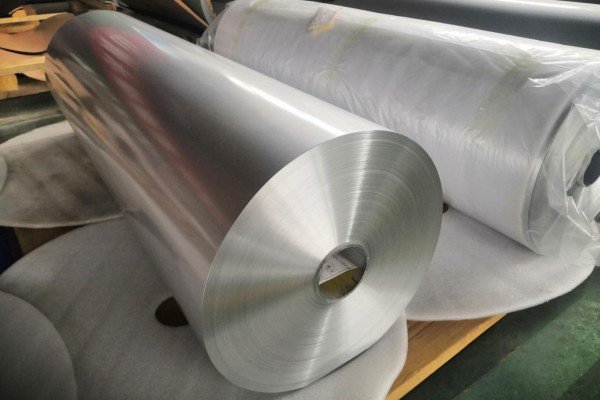
Haddii PTP foil uu yahay “gaashaanka badbaadada” dawooyinka, markaas foil-ka aluminium ee ku dhex jira ayaa ah “birta khaaska ah” loo been abuurtay in uu gaashaankaas sameeyo. Shuruudaha waxqabadka ee baakadaha dawooyinka ee aluminium aluminium aad ayey uga badan yihiin baakadaha cuntada caadiga ah.. Xakamaynta tayada waxay ku bilaabataa nadiif sare aluminium ingots waxaana lagu gaaraa duubid sax ah, xallin, iyo hababka daaweynta dusha.
Miis 3: Tilmaamayaasha Waxqabadka Furaha ee Faahfaahsan ee Fasalka-Farmasiga ee PTP Aluminium Base Foil
| Tilmaanta waxqabadka | Heerka Tijaabada (Qoraal ka warbixineya) | Shuruudaha Caadiga ah | Saamaynta Ku Saabsan Habaynta Downstream & Baakadaha daroogada |
|---|---|---|---|
| Dhumucda & Dulqaad | GB / T 22627, ISO 4593 | 20± 5%, 25± 5% µm | Midnimada dhumucda ayaa aasaas u ah guryaha xannibaadaha joogtada ah, waxqabadka shaabadeynta xasilloon, iyo tayada daabacaadda. |
| Tirinta godka | ASTM D4792, Hababka YBB | godad eber ah >0.3dhexroor mm halkii m² hoostiisa iftiin gaar ah | Tilmaame Halis ah. Dalool kasta oo muuqda wuxuu si buuxda u burburiyaa xannibaadda foil-ka, taasoo keenta qoyaanka maandooriyaha soo galaan iyo fashilka. |
| Xiisad qoynta oogada | GB / T 14216 | ≥32 mN/m (Caadi ahaan 32-34) | Waxay hubisaa ku dhegganaanta wanaagsan ee khadadka daabacaadda iyo dahaarka shaqaynaysa, ka hortagga delamination inta lagu jiro isticmaalka. |
| Xoogga Jilicsan | GB / T 228.1 | ≥150 MPa (Xanaaq Adag) | Waxay xaqiijisaa xoog farsamo oo ku filan si ay ugu socoto khadadka baakadaha xawliga sare leh iyada oo aan jabin. |
| Kordhinta xilliga Nasashada | GB / T 228.1 | 1% – 3% | Qulqulka ku habboon wuxuu ka caawiyaa foilku inuu la qabsado qaababka caaryada marka la cadaadiyo, yaraynta khatarta dillaaca. |
| Mawduuca kacsan | Hababka Pharmacopoeia | Aad u hooseeya, Caadi ahaan u baahan kontorool habaysan | Waxay ka hortagtaa walxaha uu sii daayo bireedku laftiisa inay wasakheeyaan daawada, muhiim u ah foomamka qiyaasta qiyaasta khatarta sare leh sida daawada neefsashada. |
| Xadka Microbiological | USP <61>, ChP | Waa in uu u hoggaansamo shuruucda agabka baakadaha daawada | Natiijada deegaanka wax soo saarka iyo xakamaynta habka, si toos ah ula xidhiidha badbaadada microbiological ee daawada. |
Muhiimadda Istiraatiijiyadeed ee Tayada Foosha Saldhigga: Qaab dhismeedka microcrystalline, cabbirka hadhuudhka, iyo qaab-dhismeedka dusha sare ee foil-ka aluminiumku ma saameynayaan oo keliya tilmaamayaasha-makro-korka ee kor ku xusan, laakiin sidoo kale waxay si qotodheer u saameeyaan hab-dhaqankeeda dahaarka dambe., daabacaad, iyo hababka lamination. Iibiyaha foil tignoolajiyada hogaaminaya (ka helid Eco alum co., Ltd.) waxay ku siin kartaa foil-saldhig leh tirooyinka pinhole aadka u hooseeya, lebbiska dusha gaarka ah, iyo qaabaynta qoto-dheer ee aad u fiican iyada oo loo marayo tignoolajiyada asaasiga ah sida tayaynta alloy, lubrid, iyo xakamaynta xiisadda. Tani waxay aasaaska walxaha aan la bedeli karin u dhigaysa soosaarayaasha PTP-ga hoose si ay u soo saaraan tayo sare leh, wax soo saarka sare.
4. Wixii ka dambeeya Maaddada: Habka Xakamaynta iyo Nidaamyada Tayada ee Soosaarayaasha Wanaagsan
Haysashada foil-saldhig tayo sare leh ayaa ah tallaabada ugu horreysa. U beddelashada badeecada dhammaatay ee PTP oo u hoggaansan xeerarka dawooyinka waxay ku tiirsan tahay taxane tikniyoolajiyad sax ah oo sax ah iyo nidaamyada xakamaynta tayada adag.. Xasiloonida daaqada geeddi-socodka ayaa fure u ah in la kala saaro celceliska wax-soo-saarka ee hoggaamiyeyaasha warshadaha.
Miis 4: Qodobbada Xakamaynta Nidaamka Fashilka ee Muhiimka ah ee PTP iyo ku habboonaanta tayada
| Tallaabada geedi socodka | Xakamaynta Furaha | Ujeedooyinka Xakamaynta Tayada | Saamaynta Alaabta Ugu Danbaysa |
|---|---|---|---|
| Daahan & Saar | Dahaarka lebbiska miisaanka, profile heerkulka qalajinta, cadaadiska lamination & xawaare | Xoog dammaanadda Interlayer (≥1.5 N/15mm), xumbo lahayn, laalaab la'aan | Waxay hubisaa in qaab-dhismeedka lakabyada badan uu u shaqeeyo sidii hal unug, ka hortagga delamination. Isku-duubnida dahaarka waxay si toos ah u saamaysaa joogteynta xoogga kulaylka. |
| Daabacaadda | Viscosity khad, taran dhibic, saxnaanta diiwaangelinta, shahaado daaweyn | Saxnaanta midabka, qoraal fiiqan (qaladka diiwaangelinta ≤0.2mm), ma jiro haraaga dareere ah, cawaaqib xumo | Saameyn ku yeelata macluumaadka saxda ah ee daroogada iyo sawirka astaanta. Haraaga xalinta iyo xoqida khadku waa arrimo tayada iyo badbaadada halis ah. |
| Wax riixid & Dib u laabashada | Xakamaynta xiisadda, saxnaanta mindida, dib u engegnaanta | geeso siman, burs ma leh, ma guurto lakabka, ma jiro xudunta qalloocan | Waxay saamaysaa waxtarka khadka buuxinta xawaaraha sare ee macmiilka. Kala goynta liidata waxay sababi kartaa jebinta shabakada iyo saxmada. |
| Kormeerka khadka | 100% kormeerka aragga dusha (godad, dhibco, cilladaha daabacaadda) | Aqoonsiga cilladda tooska ah iyo calaamadaynta, ujeedo “cillad eber” AQL (Heerka tayada la aqbali karo) | Wuxuu dejiyaa dab-damiska tayada ugu dambeeya, Xaqiijinta tayada ugu muhiimsan ka hor inta aan la dhoofin. |
Qiimaha Is-dhexgalka Geedi-socodka: Kartida xudunta u ah soo saaraha PTP ee aadka u wanagsan waxa ay ku jirtaa awooda ay u leedahay in ay si qoto dheer u dhexgaliso cilmiga maadiga, mashiinka saxda ah, iyo tignoolajiyada xakamaynta iswada. Tusaalooyinka waxaa ka mid ah isticmaalka internetka ee NIR (Infrared-ku dhow) Tiknoolajiyada si loola socdo dhumucda daahan wakhtiga dhabta ah ama la isticmaalayo kamaradaha CCD ee xallinta sare si loo ogaado cilladaha heerka-yar ee aan ka muuqan indhaha bini'aadamka. Awoodda xakamaynta geeddi-socodkan qoto dheer ayaa ah dammaanadda loogu beddelayo alaabta ceeriin ee aqoonta leh oo loo beddelo badeecooyin dhammaystiran oo heersare ah.
5. Qiimaynta habaysan: Dhisidda Shuraakada Silsiladda Istaraatiijiga ah ee Bixinta
In warshadaha dawooyinka, alaab-qeybiyeyaashu waa kordhinta nidaamka tayada ee qofka. Xulashada alaab-qeybiyaha PTP ma aha oo kaliya hawl wax soo iibsi balse waa hab lagu dhisayo iskaashi istaraatiijiyadeed oo mustaqbalka fog ah.. Tani waxay u baahan tahay qaab habaysan oo ka baxsan qiimaha, ku salaysan qiimaynta kartida oo dhamaystiran.
Miis 5: Qaab-dhismeedka Istaraatiijiga ah ee Qiimaynta Alaab-qeybiyaha Khaaska ah ee PTP
| Qiyaasta Qiimaynta | Nuxurka Qiimaynta Muhiimka ah | Hantidhawrka Goobta & Qodobbada Dib-u-eegista Dukumentiga |
|---|---|---|
| Shahaadooyinka & U hoggaansanaanta | 1. Shahaadada Diiwaangelinta Qalabka Baakadaha Dawada (Qaybta I) 2. Nidaamyada Tayada: ISO 15378 (mudnaanta ka badan ISO9001), U hoggaansanaanta GMP 3. Helitaanka Caalamiga ah: USP, EPu hoggaansanaanta, DMF (Drug Master File)heerka xaraynta |
Xaqiiji ansaxnimada shahaadada iyo baaxadda; dib u eegis buugga tayada, warbixinnada dib u eegista maamulka; hubi lambarka xaraynta DMF iyo waraaqaha. |
| Farsamada R&D Kartida | 1. Awoodda baakadaha xalalka dawooyinka cusub (E.g., cilmiga noolaha, HPAPIs) 2. Hababka horumarinta wadajirka ah ee alaab-qeybiyeyaasha foil (E.g., Eco alum co., Ltd.) 3. Dhamaystirka alaabta shaybaadhka iyo casriyaynta qalabka |
Dib u eegis R&D diiwaanka mashruuca, shatiyada, heshiisyada horumarinta wadajirka ah; dib u eeg u-qalmitaanka alaabta ceeriin iyo beddelka hababka xakamaynta; qiimee kartida shaybaadhka ee baaritaanka godad, xoogga daboolida kulaylka, haraaga dareeraha, laga soo saari karo/leachables. |
| Nidaamka Hubinta Waxsoosaarka | 1. Kala soocidda qolka nadiifka ah (ugu yaraan Darajada D) iyo xogta la socodka deegaanka 2. Qalabka casriga ah iyo xasiloonida (dahaarka saxda ah ee madaxa, unugyada midabka daabacaadda, hababka kormeerka inline) 3. Codsiga DOE (Naqshadeynta Tijaabada) iyo SPC (Xakameynta nidaamka tirakoobka) ee xuduudaha habsocodka |
U fiirso xogta la socodka deegaanka ee wakhtiga dhabta ah; hubi diiwaanada dayactirka qalabka iyo agabka agabka dheeriga ah ee muhiimka ah; dib u eegis CPK (Tusmada Kartida Habraaca) warbixinnada cabbiraadaha hab-socodka muhiimka ah. |
| Tayada & Maareynta Silsilada Supply | 1. Maareynta alaab-qeybiyaha alaabta ceeriin, gaar ahaan kuwa aluminium foil saldhig (isticmaalka alaab-qeybiyeyaal magac leh oo dhisan) 2. Raadinta buuxdalaga bilaabo duubista master-ka ilaa dufcada alaabta dhammaatay 3. Habka maaraynta dufcadaha aan waafaqsanayn iyo CAPA (Ficilka Saxida iyo Kahortagga ah) waxtarka |
Dib u eeg liiska alaab-qeybiyaha iyo heshiisyada tayada leh ee alaabta muhiimka ah sida foil aluminium; samee jimicsi batch bakhtiyaa nasiib ah; dib u eegis dhawaan OOS (Ka baxsan sifaynta) iyo warbixinnada maaraynta cabashooyinka. |
| Waarta | 1. Naqshadaynta deegaanka ee alaabta (E.g., hoos u dhigid, suurtogalnimada isticmaalka dahaarka alaabta dib loo cusboonaysiin karo) 2. Maareynta raad-kaarboonka iyo dhaqamada wax-soo-saarka nadiifka ah |
Wax ka weydii R&D beddelka deegaanka-saaxiibtinimo; dib u eeg xogta isticmaalka tamarta iyo yoolalka dhimista qiiqa. |
Mustaqbalka Iskaashiga: Qiimaynta alaab-qeybiyaha kaliya maaha in la eego xaaladdooda hadda laakiin sidoo kale in la saadaaliyo awooddooda horumarineed ee mustaqbalka. Sida sii jiritaanku uu noqdo lama huraan caalami ah, qiimaynta hindisayaasha alaab-qeybiyaha ee meelaha sida hoos u dhigista foil (dhimista miisaanka iyadoo la ilaalinayo waxqabadka), iyadoo la isticmaalayo dahaarka deegaanka-saaxiibtinimo, iyo guud ahaan maaraynta raadraaca kaarboonka ayaa muhiim u ah shirkadaha dawooyinka ee fulinaya waajibaadka ESG iyo u hoggaansanaanta xeerarka mustaqbalka. La shaqaynta alaab-qeybiyeyaal ku siin kara xalal cusub oo aaggan ah waxay dhalin doontaa faa'iido tartan oo waqti dheer ah.
Gabagabo: Dhisidda Sayniska Maaddada, Isku-duubnida Gaashaanka Nolosha iyo Caafimaadka
Foil PTP waa jaangooyo injineernimada dawooyinka casriga ah, isdhexgalka cilmiga maadiga, habayn sax ah, iyo maamulka tayada. Waxqabadkeeda aadka u wanaagsan waa natiijada silsiladda qiimaha oo si adag isugu xidhan, laga bilaabo nadiifinta sare ee aluminium ingots, si sax ah loo rogo, QC adag, lamination functional, iyo ugu dambeyntii buuxinta hawsheeda ilaalinta ee khadadka baakadaha xawaaraha sare leh.
Tilmaamahan qotodheer ayaa muujinaya mabda'a dhexe: tayada baakadaha dawooyinka waxaa lagu qeexaa heerka alaabta ceeriin. Doorashada foil PTP waa, nuxur ahaan, doorashada gunteeda oo dhammaystiran maaddooyinka deegaanka iyo dhaqanka tayada leh. Shirkadaha dawooyinka, dhisidda habka xulashada alaab-qeybiyaha iyo nidaamka maamulka oo ku salaysan wada hadal farsamo oo qoto dheeriyo isticmaalka hantidhawrka habaysan oo ah qalab ahaanwaa aasaaska hubinta amniga, ku kalsoonaan, iyo u hoggaansanaanta baakadaha daroogada, ugu dambeyntii ilaalinta caafimaadka bukaanka.
Silsiladda baakadaha daawada, laga bilaabo alaab-qeybiyeyaasha aluminium ee heerka sare ah sida Eco alum co., Ltd., beddelayaasha PTP-ga ugu sarreeya, iyo kuwa soo saara dawooyinka, waxaanu nahay dad isku xidhan, Bulshada isku tiirsan ee qiimaha iyo xilkasnimada leh. Kaliya iyada oo loo marayo faham qoto dheer oo ku saabsan micron kasta oo foil ah, dabagalka hagar la'aanta ah ee halbeeg kasta, iyo daahfurnaanta farsamada ee wada shaqayn kasta, miyaynu si wada jir ah u beenin karnaa tan aan laga gudbi karin “gaashaanka badbaadada” Kaas oo ka difaaca khataraha dibadda iyo ilaalinta nolosha iyo caafimaadka.