
Pituduh Lengkep Bahan Tembok Tirai Aluminium Pikeun Gedong Perkantoran Tinggi Jakarta: Tina Alloy Mikrostruktur ka Kinerja Layanan Iklim Tropis
pagelaran, umur panjang, jeung éksprési éstétika tina témbok curtain aluminium anu fundamentally ditangtukeun ku pilihan ilmiah sarta aplikasi rékayasa tepat bahan inti na-alloy aluminium.. Nyanghareupan tantangan unik iklim laut tropis Jakarta, milih kelas alloy bener, watek, desain profil, jeung finish permukaan mangrupakeun kaputusan sistematis nu integrates elmu bahan, mékanika struktural, jeung rékayasa panyalindungan korosi. Pituduh ieu tujuanana pikeun nyayogikeun analisa anu jero anu ngalangkungan spésifikasi standar kana hakekat bahan., maturan rationale teknis inti pikeun nyieun facades wangunan awét sarta lila-langgeng.

1. Aluminium Alloy dina Tembok Curtain: Tina Syarat Makro ka Élmu Mikro
1.1 Tantangan Ketang tina Iklim Laut Tropis
iklim Jakarta (rata-rata. 28Congkong, 80% asor, 2000mm curah hujan taunan, angin laut asin) nyababkeun kombinasi unik tina tantangan pikeun bahan wangunan:
- Kalembaban anu luhur & Halimun Uyah:Ngagancangkeun prosés korosi éléktrokimia, utamana dina titik kontak logam béda jeung di crevices.
- Radiasi UV Inténsitas Tinggi:kira-kira 3000 jam panonpoé taunan, ngabalukarkeun degradasi ranté polimér dina coatings organik, manifesting salaku leungitna gloss, kapur tulis, jeung robah warna ka warna.
- Suhu luhur:Ngagancangkeun laju sadaya réaksi kimiawi, kaasup korosi jeung bahan sepuh, bari ogé mangaruhan sipat mékanis jeung stabilitas dimensi.
- Siklik Hujan Torrential & Baseuh-garing Ngabuburit:Nyiptakeun “immersion-évaporasi” siklles, ngarah kana konsentrasi ion corrosive sarta ngaronjatna resiko korosi pitting na crevice.
1.2 Tanggapan Aluminium Alloy sarta Kauntungannana Ilmiah
Aluminium alloy mangrupa pilihan primér pikeun pigura témbok curtain alatan sipat bahan na persis adjustable:
| Harta Bahan | Prinsip Ilmiah & Métode kontrol | Kontribusi inti kana Performance témbok curtain |
|---|---|---|
| Kakuatan Luhur / Beurat Lampu. | Penambahan unsur sapertos Mg, Jeung, Cu, Zn ngabentuk leyuran padet jeung fase présipitasi-hardening (E.g., Mg₂Si). Dikadalikeun via “perlakuan panas solusi – quenching – sepuh” (T5, T6 suhunan) pikeun ngatur fase présipitasi. | Aktipkeun ukuran unit ageung sareng bentang, ngurangan beban dina struktur primér, nyata ngahemat biaya wangunan sakabéh. |
| Resistan korosi anu alus teuing. | Wangunan spontan tina kandel 2-10nm, padet, pilem Al₂O₃ oksida amorf dina beungeut cai. Lapisan pasip ieu nyageurkeun dirikana karuksakan. Bisa artifisial thickened via anodizing (nepi ka 15-25μm). | Nyadiakeun garis kahiji pertahanan pasif ngalawan atmosfir saline Jakarta, ngabentuk cornerstone kaamanan jasa jangka panjang. |
| Formability Luhung. | Struktur kristal kubik raray-dipuseurkeun masihan ductility alus teuing. Tonjolan panas dina ~ 400-500 ° C ngamungkinkeun pikeun single-step ngabentuk cross-bagian multi-chamber kacida kompléks. | Aktipkeun desain terpadu kamar tekanan-equalized kompléks, jalur drainase, sarta alur megatkeun termal; dasar manufaktur pikeun sistem-kinerja tinggi (E.g., dihijikeun). |
| Surface Finish kasaluyuan. | Struktur porous tina pilem oksida nyadiakeun dasar pikeun anodizing coloration; kromat-konversi atawa surfaces pretreated ngabentuk beungkeut kimia kuat kalawan coatings organik. | Henteu ngan nyadiakeun rupa-rupa warna jeung tékstur tapi, ngaliwatan coatings super-weatherable kawas PVDF, nawarkeun aktip, panyalindungan jangka panjang pikeun substrat aluminium. |
| 100% Rekyclabrity. | Sipat atom aluminium ngamungkinkeun pikeun remelting sarta dipaké deui kalawan ampir euweuh leungitna kinerja. Énergi pikeun aluminium daur ulang ngan 5% éta pikeun produksi primér. | Meet sarat pikeun eusi didaur (E.g., MRc4) dina sertifikasi gedong héjo sapertos GREENSHIP sareng LEED, ningkatkeun nilai ESG aset. |
2. Core Alloy Sasmita: Patalina Jero Antara Komposisi, Mikrostruktur, jeung Performance
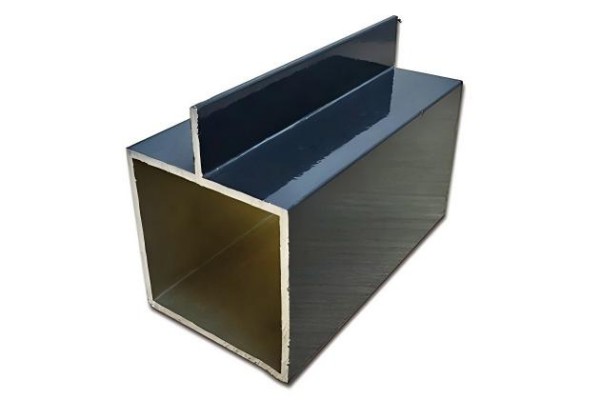
Di luhur 90% tina profil témbok curtain ngagunakeun éta 6séri xxx (Al-Mg-Si)alloy, nawarkeun kasaimbangan pangalusna kakuatan, lalawanan korosi, kabentukna, Weldability, jeung ongkos.
2.1 Analisis Jero tina Kelas Dasar
| Kelas & Watekna | Unsur Alloying primér (beurat%) & Peran. | Mikrostruktur & Mékanisme Penguatan. | Sipat mékanis konci (Khas). | Aplikasi anu tepat dina Tembok Tirai. |
|---|---|---|---|---|
| Aa aA aA aA6063-T5. | Mg (0.45-0.9%), Jeung (0.2-0.6%): Form the primary strengthening phase Mg₂Si. Mn/Cr (<0.1%): Refine grain, increase recrystallization temperature. | Air-cooled (quenched) after exiting the extrusion die, creating a supersaturated solid solution within the profile, followed by artificial aging at ~200°C, precipitating fine β” phase (Mg₂Si precursor) for strengthening. | Kakuatan regangan: ≥185 MPa Kakuatan ngahasilkeun: ≥110 MPa Elongation: ≥8% |
Standard choice for general structural members. Used for most mullions, transoms, and trims. Its balanced performance, excellent extrudability, and surface finish quality make it the benchmark for cost-effectiveness. T5 temper (air-quench) is suitable for complex thin-walled profiles with minimal distortion. |
| AA6063-T6. | Same as above, but with tighter control over Mg, Si content ranges. | Solution heat treatment at ~520°C followed by water quenching creates a higher supersaturation, then artificial aging. Hasilna dina jumlah anu langkung ageung sareng distribusi β anu langkung seragam’ phase (Mg₂Si) endapanana. | Kakuatan regangan: ≥240 MPa Kakuatan ngahasilkeun: ≥160 MPa Elongation: ≥8% |
Dipikaresep pikeun komponén-stress tinggi. Dipaké pikeun anggota beban-bearing utama dina tembok curtain super-jangkung atawa badag-unit tunduk kana tekanan angin luhur. Nawarkeun ~45% kakuatan ngahasilkeun leuwih luhur ti T5, nguntungkeun pikeun optimasi bagian sarta ngurangan beurat. |
| Aa aA aA aA6061-T6. | Mg (0.8-1.2%), Jeung (0.4-0.8%), Cu (0.15-0.4%): Kandungan Mg₂Si nu leuwih luhur; tambahan Cu ngabentuk fase strengthening tambahan (E.g., Al₂Cu). | Sanggeus perlakuan solusi, curah hujan β” phase, bentukna jarum β’ phase, sarta Cu-ngandung precipitates nyadiakeun hardening présipitasi kuat. | Kakuatan regangan: ≥310 MPa Kakuatan ngahasilkeun: ≥240 MPa Elongation: ≥8-10% |
Konektor beurat-tugas konci / komponén struktural. Dipaké pikeun badag matak aluminium adapters, ngarojong cantilevered, kantétan kritis nyambungkeun langsung ka struktur baja. Catetan: lalawanan korosi rada handap ti 6063; warna anodizing bisa jadi henteu rata. Ilaharna henteu dianggo pikeun propil anu katingali ageung. |
| AA6463/AA6463A. | Mg, eusi Si dioptimalkeun; wates ketat dina pangotor kawas Fe, Cu. | Kontrol komposisi ngaminimalkeun fase najis β-AlFeSi kasar, ngarah leuwih seragam, sebaran halus endapan Mg₂Si sareng matriks anu langkung bersih. | Sipat mékanis sarupa AA6063-T5 / T6. | Kelas husus pikeun anodizing luhur-tungtung. Nya “stock caang” ciri ngahasilkeun reflectance specular pisan tinggi atawa exceptionally seragam, ngawarnaan jelas sanggeus anodizing. Dipaké pikeun elemen hiasan tinggi-tungtungngudag estetika logam pamungkas. |
Bedana kritis: T5 vs T6
- Alam Proses: t5 ieu “quenching tina panas prosés extrusion + sepuh jieunan,” kalawan cooling laun (hawa). t6 ieu “perlakuan panas re-solusi + cai quenching + sepuh jieunan,” kalawan cooling pisan gancang (cai).
- Bedana Performance: T6 ngahontal kakuatan luhur jeung kinerja sakabéh hadé (utamana ngahasilkeun kakuatan) alatan supersaturation luhur sarta présipitasi leuwih lengkep.
- Propil distorsi: Prosés T5 ngabalukarkeun kirang distorsi, hadé pikeun bagian kompléks. Prosés T6 tiasa nyababkeun setrés internal anu langkung luhur sareng distorsi tina quenching cai, merlukeun straightening saterusna.
- Rekomendasi pikeun Jakarta: Pikeun anggota beban-bearing primér, nangtukeun AA6063-T6 salaku prioritaspikeun margin kaamanan anu langkung luhur. Ieu kedah jelas nyatakeun dina gambar sareng spésifikasi téknis.
2.2 Quality Control Garis Beureum pikeun sasmita alloy
- Sertipikat gilinding: Merlukeun suppliers nyadiakeun test pihak katilu Sértipikat Millpikeun tiap angkatan profil, verifying kakuatan tensile, kakuatan ngahasilkeun, elongasi, jeung komposisi kimia ngalawan standar AA.
- Résiko Campur Bahan: Ketat nyaram campur gaul 6061 jeung 6063 propil, utamana pikeun anodolasi, sabab némbongkeun béda warna noticeable. Establish strict material identification procedures for production, warehousing, jeung instalasi.
3. Profile Engineering: The Science of Geometry, Wall Thickness, and Thermal Breaks
3.1 Profile Cross-Section Design Principles
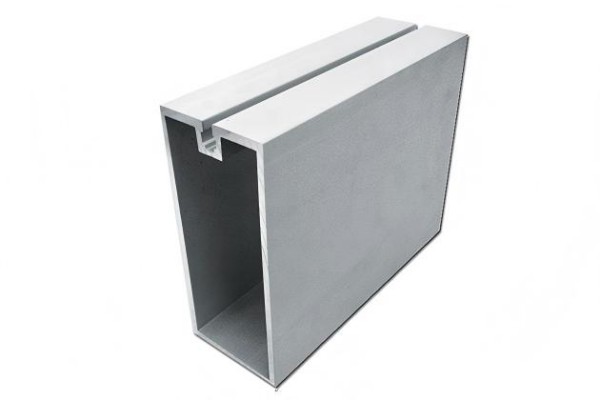
Excellent section design is the key to a “breathing” curtain wall.
- Pressure-Equalized Chamber Design: Ingenious air channels and pressure-equalization ports allow dynamic pressure balance between internal cavities and the outside, crucial for extreme water tightness, especially against Jakarta’s torrential rain.
- Systematic Drainage: Must include organized, unobstructed drainage paths to quickly channel and expel any incidental water ingress, preventing internal accumulation.
- Integrated Thermal Break Grooves: Provide precise, secure slots for polyamide nylon 66 jeung 25% glass fiber (PA66 GF25) thermal break bars, mastikeun reliabilitas dina prosés komposit roll-ngabentuk.
3.2 Standar Kandel Tembok Kritis
Ketebalan témbok nyaéta variabel langsung nolak deformasi beban angin (defleksi). Numutkeun standar kawas JGJ 102, ketebalan témbok minimum diukur dina titik kritis anggota beban-bearing utama (E.g., jutawan) teu kudu kirang ti 3.0mm. Desain kudu dumasar kana cék deflection maké laporan tés torowongan anginatawa tekanan angin lokal diitung kode, teu ngan nilai empiris.
3.3 Thermal megatkeun Systems: Dipasang vs. Tuang-di-Tempat
| Tipe | Prosés | Prinsipna & Kaunggulan | Pagelaran & Larapna |
|---|---|---|---|
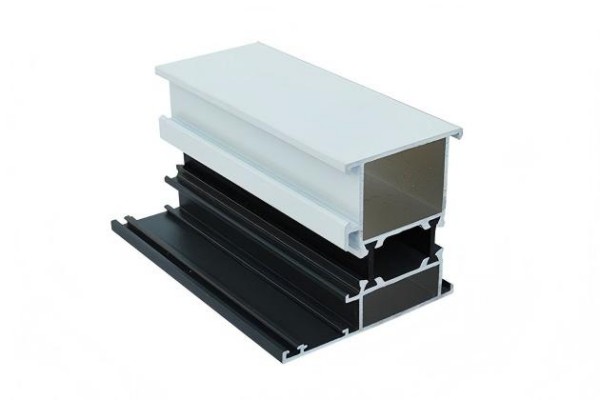
| Diselapkeun (Panghalang termal). | Bar termal PA66 GF25 diselapkeun kana alur khusus dina profil aluminium sareng dikonci sacara mékanis liwat ngabentuk gulungan.. | Téknologi dewasa, kakuatan sambungan tinggi, produksi liniér. Bar termal sareng aluminium ngabentuk interlock mékanis. | kakuatan geser tinggi (biasana >60 N/mm), kinerja termal stabil (U-nilai achievable 1.8-2.5 W/m²K). The mainstream mutlak di pasar ayeuna, cocog pikeun proyék-proyék sadaya jangkung. |
| Tuang-di-Tempat. | Poliuretana (PU) insulasi dituang kana celah antara profil aluminium, diperkuat ku serat kaca. | Bisa nyieun bentuk insulasi leuwih kompleks; téoritis ngamungkinkeun pikeun bagian profil leutik. | Kakuatan geser umumna leuwih handap tina tipe diselapkeun; résistansi sepuh jangka panjang (utamana dina panas beueus) jeung kakuatan beungkeut ka aluminium anu kritis. Henteu disarankeun pikeun struktur beban-beban utamadi lingkungan anu kalembaban luhur sapertos Jakarta; cocog pikeun wewengkon non-struktural kawas partitions interior. |
4. Permukaan Finishing: The Ultimate Armor – Prosés, Standar, jeung Pamilihan Matrix
The finish permukaan nyaéta “armor pamungkas” pikeun paduan aluminium ngalawan lingkungan Jakarta.
| Tipe rengse | Prosés Inti & Mékanisme Formasi Film. | Standar Internasional/Industri & Métrik konci. | Élmu ngeunaan Weatherability & Pagelaran Jakarta. | Analisis Biaya Daur Kahirupan. |
|---|---|---|---|---|
| Anodolasi. | Prosés éléktrokimia tumuwuh a porous, lapisan Al₂O₃ sarang lebahdina substrat aluminium, saterusna disegel (caian atawa tiis disegel). | Kandel pilem: AA-M10C22A31 / Kelas AA 20 (≥20µm) pikeun outdoor parna. Kapadetan pilem: ≥20 mg/dm² (ISO 2931). Kualitas segel: Asam fosfat immersion leungitna beurat ≤30 mg/dm². |
Film oksida aya dina beungkeut metalurgikalawan substrat, pernah mesek. Karasa luhur (Hv 300-500), abra-tahan. UV teu tiasa nguraikeun pilem oksida anorganik, tapi bisa luntur pewarna internal. Di kawasan industri/kota, hujan asam bisa corrode pilem. | Investasi awal sedeng. pangropéa low (beberesih biasa wungkul). 20-30 umur hirup taun. Éstetika robah laun, acquires a “patina” tina sepuh alam. |
| Palapis bubuk. | Aplikasi éléktrostatik bubuk epoxy / poliéster, diubaran dina ~ 200 ° C pikeun ngabentuk lapisan térmosét. | Kandel pilem: Biasana 60-80µm (ISO 2366). Adhesion: Kelas 0 (meuntas). Résistansi Dampak: ≥50 kg·cm. QUV gancangan Weathering: >1000 jam ingetan gloss >50%. |
Lapisan polimér organik ngajaga ngaliwatan panghalang fisik sareng inertness kimiawi. résin poliéster ngalaman poto-oksidasi handapeun UV kuat jangka panjang, ngarah kana scission ranté polimér (kapur tulis) jeung degradasi pigmén (luntur). | Investasi awal handap. Sanggeus 10-15 taun, chalking noticeable sarta leungitna gloss bisa lumangsung, berpotensi merlukeun refurbishment pinuh / recoating, incurring waragad sekundér jeung Parancah mahal. |
| Lapisan Fluorokarbon (Pvdf). | Aplikasi tina PVDF (polyvinylidene fluoride) cet dumasar résin, ilaharna dina a jas warna primer-jas jelas (3-jakét)sistem, dipanggang. | Kandel pilem: ≥30µm (3-jakét, AMAMA 2605). Standar konci: AMAMA 2605 (Performance High). Tés konci: – Semprotan uyah: >4000 jam teu blistering. – QUV-B: >4000 jam ΔE<5. – Kalembaban: >3000 hrs. |
Beungkeut F-C pisan kuat dina résin PVDF (486 kJ/mol) jauh ngaleuwihan énergi foton UV (~400 kJ/mol), sahingga imun ka degradasi UV, kituna gloss luar biasa / ingetan warna. Crystallinity tinggi nyadiakeun résistansi kimiawi alus teuing jeung timer beberesih. | Investasi awal pangluhurna. Seringna biaya siklus hirup panghandapna. Garansi nepi ka 20-30 taun. Kacida teu mungkin merlukeun refurbishment utama dina daur hirup proyék, Ngahindarkeun gangguan operasional sarta investasi sekundér masif. |
Rekomendasi Akhir pikeun Jakarta:
Pikeun proyék kantor high-end, tangtukeun 3-jas PVDF palapis fluorocarbon patuh jeung AAMA 2605 standar. Résistansi UV sareng korosi anu luar biasa cocog pisan sareng tantangan iklim Jakarta, ngajadikeun eta pilihan paling ekonomis pikeun pelestarian asset jangka panjang sarta ngurangan résiko pangropéa.
5. Daptar pariksa Inok profésional pikeun ranté suplai bahan
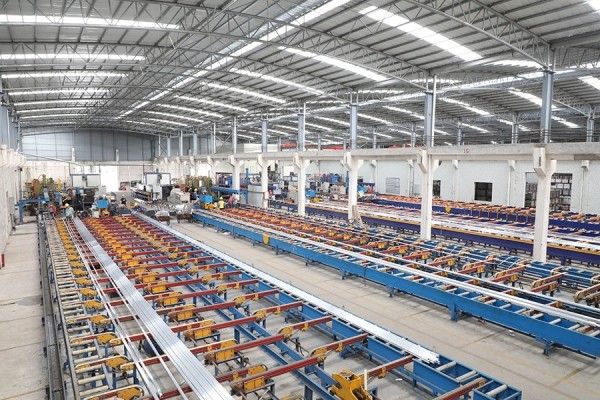
Nalika kalibet ku supplier a (E.g., Eco alum Co., Ltd.), gunakeun topik nu patali jeung bahan di handap ieu salaku inti evaluasi teknis:
- Komposisi & Traceability kinerja: “Nyadiakeun Sértipikat Mill pihak katilu (kaasup komposisi kimiawi, sipat mékanis) pikeun propil AA6063-T6 dipaké dina proyék ieu, babarengan jeung rékaman inspeksi bahan baku pabrik urang.”
- Verifikasi Desain Profil: “Nyadiakeun momen inersia (Ix, Iy) itungan pikeun profil beban-beban kritis sareng hasil pamariksaan defleksi dina tekanan angin desain Jakarta. (XXX Pa). Kumaha ketebalan témbok diukur minimum dijamin?”
- Sertifikasi Sistim megatkeun termal: “Nyadiakeun laporan kinerja fisik (tensile, kakuatan geser, konduktivitas termal) pikeun bar putus termal diusulkeun (merek, ngetik) jeung laporan tés pikeun kakuatan tensile transverse tina profil komposit (sasuai jeung GB / T 28289 atawa sarimbag).”
- Validasi Sistim palapis: “Nyadiakeun sertipikat kualitas produsén cet PVDF aslina urang (merek, ngetik, bets) sareng laporan uji pihak katilu lengkep per AAMA 2605 standar anu dilakukeun dina sampel tina angkatan ieu, husus QUV sarta laporan semprot uyah.”
- Rincian Sambungan Metal Dissimilar: “Nyadiakeun gambar detil baku pikeun sakabéh titik sambungan antara aluminium sarta stainless steel (embeds, baud) atawa baja struktural, jelas nangtukeun gasket insulating / bahan (E.g., neoprene, nilon) jeung spésifikasi na.”
kacindekan
Ngawangun hiji landmark langgeng di Jakarta merlukeun pilihan bahan témbok curtain janten simfoni tepat sains jeung rékayasa. Tina présipitasi dikawasa fase penguatan Mg₂Si di AA6063-T6paduan kana pertahanan tingkat molekular beungkeut fluorin-karbon dina a 3-jaket PVDFfinish ngalawan sinar UV, unggal jéntré embodies pamahaman profound elmu bahan. Ieu mah sakadar milih komoditi; éta milih “kode genetik” jeung “sistim imun” nu bakal ngidinan wangunan tahan waktu, iklim, jeung lingkungan. Ngan ku gawé bareng jeung ahli kawas Eco alum Co., Ltd., anu gaduh pangaweruh material anu jero, sarta kalibet ti sumberna-komposisi alloy-bisa proyek mastikeun yén naon naék di skyline Jakarta mangrupakeun monumen kaunggulan teknis jeung ekspresi artistik., ngalaksanakeun flawlessly pikeun generasi nu bakal datang.