
Masalah jeung Perbaikan Prosés Palapis Brittleness dina Pharmaceutical Aluminium Foil
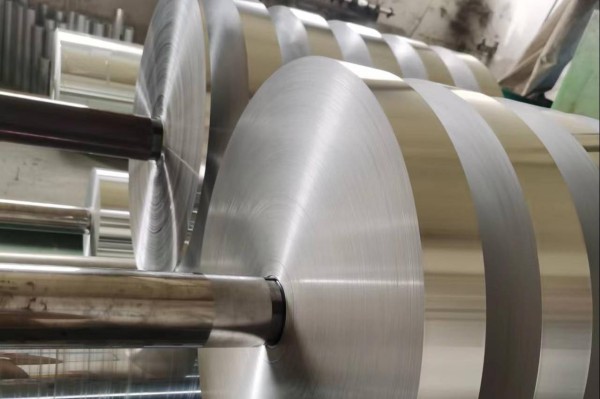
Aluminium foil farmasi mangrupikeun bahan kritis dina bungkusan ubar, seueur dianggo dina bungkusan lepuh pikeun bentuk dosis padet sareng penyegelan wadah infus kusabab sipat panghalang anu saé., kinerja sealing, jeung kaamanan. Kualitas palapis langsung mangaruhan stabilitas neundeun, kaamanan pamakéan, jeung minuhan bungkusan farmasi. Palapis brittleness, salah sahiji defects kualitas paling umum dina produksi jeung aplikasi tina aluminium foil farmasi, teu ukur compromises kinerja panghalang, ngarah kana nyerep Uap, oksidasi, jeung kontaminasi narkoba, tapi ogé tiasa ngenalkeun bahya kaamanan alatan detachment fragmen palapis.

1. Karakterisasi Masalah jeung Hazards of Coating Brittleness
1.1 Wangun Brittleness
Brittleness utamana manifests salaku retakan, detasemén, atawa powdering tina palapis dina tahap béda, nu bisa digolongkeun kana tilu rupa:
1.1.1 Brittleness Salila Produksi
Retakan permukaan muncul langsung saatos palapis sareng curing, atawa brittleness lumangsung dina edges salila slitting atawa pungkal alatan tegangan.
1.1.2 Brittleness Salila Panyimpenan jeung Transportasi
Brittleness lumangsung alatan fluctuations suhu jeung kalembaban atawa tekanan éksternal, berpotensi dibarengan ku karusakan substrat.
1.1.3 Brittleness Salila Dianggo
Lapisan gampang dicabut, kurang, atawa malah cimata kaluar dina cadar salila molotok punching atawa muka sabar.
Numutkeun Aturan Umum 4055 tina Pharmacopoeia Cina2025 Edisi, brittleness langsung ngakibatkeun kakuatan burst ragrag handap sarat baku (≥98 kPa). Sampel rapuh sering nunjukkeun kakuatan burst di handap 60 kPa, bari uap cai jeung ongkos transmisi oksigén anu rawan ngaleuwihan wates, compromising panyalindungan narkoba.
Tabél 1: Karakteristik Utama jeung Dampak Brittleness Palapis dina Aluminium Foil Farmasi
| Tahap Kereteg. | Ciri has. | Indikator Dampak konci. | Poténsi Balukar. |
|---|---|---|---|
| Prosés Produksi. | retakan permukaan sanggeus palapis; brittleness ujung salila slitting / pungkal | Kakuatan burst, adhesion palapis | Generasi besi tua saharita, ngaronjat waragad produksi |
| Panyimpenan & Angkutan. | Delaminasi, retakan, detachment lokal | Tingkat pangiriman cai, laju pangiriman oksigén | Leungitna sipat panghalang, ngarah kana nyerep Uap jeung oksidasi |
| Prosés pamakéan. | Bubuk nalika punching, tearing nalika muka | Penampilan, integritas palapis | Résiko bubuka zat asing, mangaruhan kasalametan narkoba sareng pangalaman pangguna |
| Dampak umum. | Palapis teu lengkep, defects katempo atawa mikroskopis | Kakuatan burst (mindeng <60 kPa), kinerja panghalang | Non-patuh jeung Pharmacopoeia Cinastandar, triggering resiko pangaturan |
1.2 Bahaya Utama Brittleness
1.2.1 Résiko Kasalametan Narkoba
fragmen palapis bisa ngotorkeun ubar; sipat panghalang ngurangan bisa ngakibatkeun nyerep Uap, oksidasi, jeung degradasi, utamana mangaruhan sénsitip cahaya sareng obat higroskopis. Studi némbongkeun yén bungkusan kalawan defects regas bisa ningkatkeun eusi Uap ubar ku rata-rata 2.3% sanggeus 6 bulan nguji gancangan (40°C/75% RH), ngaleuwihan standar pharmacopoeial.
1.2.2 Matuh jeung Quality Resiko
Palapis brittleness mangrupakeun cacad kualitas parna nu gagal pikeun minuhan standar kayaning Pharmacopoeia Cinajeung Farmasi Aluminium Foil(YBB00152002-2015), berpotensi ngakibatkeun gagalna pendaptaran produk, Non-conformity audit GMP, produk ngémutan, jeung hukuman administratif. Kusabab palaksanaan sistem review pakait, kira-kira 18% Pabrikan aluminium foil parantos ngaleungitkeun kusabab masalah kualitas palapis.
1.2.3 Résiko ékonomi sareng merek
Ngaronjat ongkos besi tua naekeun biaya produksi; masalah kualitas ngaruksak reputasi perusahaan tur hubungan customer. Dina tekenan mékanisme ngayakeun héjo, pausahaan jeung kualitas goréng nyanghareupan marginalization di pasar.

2. Ngabalukarkeun Analisis Brittleness palapis
Anu ngabalukarkeun brittleness ngalibatkeun sababaraha faktor, kaasup bahan baku, prosés, pretreatment, jeung kaayaan lingkungan, sakabéh nu aya patalina.
Tabél 2: Analisis sabab konci brittleness palapis dina aluminium foil farmasi
| Nyababkeun Kategori. | Faktor spésifik. | Mékanisme Aksi. | Manifestasi has atanapi Parameter Miskin. |
|---|---|---|---|
| Kasaluyuan Bahan Baku Teu Nyukupan. | 1. Cacat kualitas substrat | Lapisan henteu rata, konsentrasi stress; adhesion goréng | Purity low, kasabaran ketebalan >± 2μm, kontaminasi permukaan |
| 2. Pilihan résin anu teu leres | Kalenturan palapis goréng, brittleness tinggi | Suhu transisi kaca luhur (>50Congkong), distribusi beurat molekular lega | |
| 3. Pamakéan aditif teu bener | Ngaronjat setrés internal, kasaluyuan goréng | ratio plasticizer teu bener, résidu pangleyur tinggi | |
| Prosés Produksi Teu Munasabah. | 1. Panyimpangan parameter palapis | Ketebalan palapis henteu rata, generasi stress internal | Laju kaleuleuwihi, simpangan ketebalan >± 3% |
| 2. Kontrol prosés curing goréng | Kapadetan crosslinking teu bener, kakuatan teuing rapuh atawa teu cukup | Suhu/waktu salah, paparan UV henteu rata | |
| 3. Teu bener slitting na winding | Stress tepi atawa tegangan tensile kontinyu | tegangan kaleuleuwihan, speed slitting kaleuleuwihan | |
| Pretreatment substrat henteu cekap. | Kabersihan goréng sareng kasar | Adhesion palapis lemah, rawan delamination | Basajan ngusap wungkul, énergi permukaan <35 mN/m |
| Faktor Lingkungan. | Fluktuasi suhu/kalembaban ekstrim atawa kabersihan goréng | Stress termal, curing goréng, bubuka impurity | Suhu <15Congkong, asor >80%, kontaminasi lebu |
2.1 Kasaluyuan Bahan Baku Teu Nyukupan
2.1.1 Cacat substrat aluminium foil
Substrat (E.g., 8011, 8021 alloy) kalawan purity low, pangotor luhur, flatness goréng, atanapi kasabaran ketebalan kaleuleuwihan (>± 2 μm) bisa ngakibatkeun palapis henteu rata jeung konsentrasi stress. Noda minyak permukaan atawa lapisan oksida kandel teuing ogé ngurangan adhesion palapis.
2.1.2 Pamilihan résin palapis teu bener
résin umum (E.g., akrligic, polyurethane, Asva) kalawan kalenturan goréng, suhu transisi kaca kacida luhurna (E.g., >50Congkong), atawa distribusi beurat molekular lega bisa ngahasilkeun brittleness tinggi sanggeus curing. Fluktuasi indéks aliran lebur résin segel panas ngaleuwihan ± 15% ogé ningkatkeun résiko brittleness..
2.1.3 Pamakéan aditif teu bener
Jumlah plasticizers teu pantes, kasaluyuan goréng antara aditif jeung résin, sarta résidu pangleyur tinggi bisa mangaruhan kohési palapis sarta kalenturan, ngarah rengat.
2.2 Parameter Prosés Produksi Teu Munasabah
2.2.1 Panyimpangan Parameter palapis
Kontrol anu teu leres tina laju palapis, ketebalan, atawa tekanan sabeulah dokter bisa ngahasilkeun ketebalan palapis henteu rata (simpangan >± 3%). Lapisan anu kaleuleuwihi rentan ka setrés internal kusabab shrinkage anu teu konsisten, bari coatings overly ipis gagal pikeun ngabentuk lapisan pelindung lengkep.
2.2.2 Miskin Curing Prosés Control
Suhu anu luhur teuing atanapi waktos anu berkepanjangan dina curing hawa panas tiasa over-crosslink palapis, ngajadikeun eta rapuh; hawa atawa waktu teu cukup ngabalukarkeun curing lengkep jeung kakuatan low. Inténsitas UV anu teu leres atanapi waktos paparan tiasa nyababkeun panyawat anu henteu rata atanapi panas teuing lokal.
2.2.3 Leres Slitting na Winding
Laju slitting kaleuleuwihan atawa tegangan bisa ngabalukarkeun retakan ujung; tegangan pungkal kaleuleuwihan nempatkeun palapis dina stress tensile kontinyu, ngajadikeun eta rawan brittleness salila neundeun.
2.3 Pretreatment substrat henteu cekap
Kabersihan permukaan anu goréng sareng kasar sacara signifikan mangaruhan adhesion palapis. beberesih deet tanpa degreasing kimiawi atawa oksidasi éléktrokimia daun minyak jeung lebu résidu, weakening palapis adhesion. roughness permukaan teu cukup (énergi permukaan <35 mN/m) ogé hinders wetting nyukupan sarta sumebarna palapis nu.
2.4 Faktor Lingkungan
Suhu produksi di handap 15 ° C atanapi kalembaban di luhur 80% bisa mangaruhan palapis leveling na curing efficacy. Fluktuasi suhu sareng kalembaban anu ekstrim nalika neundeun sareng transportasi nyiptakeun setrés termal kusabab koéfisién ékspansi termal anu teu cocog antara foil sareng palapis.. Dampak fisik atawa komprési bisa langsung ngabalukarkeun brittleness. Kabersihan lingkungan produksi anu goréng ngamungkinkeun partikel lebu nyiptakeun titik konsentrasi setrés, accelerating brittleness.
3. Ukuran Perbaikan Prosés pikeun Palapis Brittleness
Tabél 3: Parameter Kontrol konci pikeun Perbaikan Prosés Aluminium Foil Farmasi
| Area Perbaikan. | Parameter kontrol. | Parameter disarankeun / standar. | Tujuan kontrol. |
|---|---|---|---|
| Bahan atah. | Toleransi ketebalan substrat | Dina ± 2μm | Pastikeun palapis uniformity |
| Tegangan permukaan substrat | ≥31 mN/m | Pastikeun wettability alus | |
| Suhu transisi kaca résin (Tg) | 20-40Congkong | Kasaimbangan kalenturan sareng kakuatan | |
| Ngalembereh variasi indéks aliran résin panas-segel | ≤±10% | Mastikeun stabilitas prosés | |
| Prosés palapis. | Laju palapis | 10-15 m/abdi | Pastikeun palapis uniformity |
| Kasaragaman ketebalan palapis | Panyimpangan ≤±3% | Hindarkeun konsentrasi setrés internal | |
| beurat palapis | 2-5 g/m² | ||
| Prosés Curing. | hawa panas curing suhu / waktos | 80-100Congkong / 3-5 min | Pastikeun crosslinking lengkep, nyingkahan brittleness |
| inténsitas curing UV / waktos | 80-120 mJ/cm² / 1-2 s | ||
| Substrat Prince. | Degradasi kimiawi (suhu / waktos) | 50-60Congkong / 1-2 min | Leupaskeun minyak |
| Oksidasi éléktrokimia (tegangan / waktos) | 10-15 V / 30-60 s | Ningkatkeun énergi permukaan sareng kasar | |
| tegangan permukaan sanggeus perlakuan | ≥35 mN/m | Pastikeun adhesion palapis luhur | |
| Lingkungan & Panyimpenan. | Suhu lingkungan produksi / kalembaban | 20-25Congkong / 50-60% Rh | Mastikeun stabilitas prosés |
| Suhu lingkungan panyimpenan / kalembaban | 15-25Congkong / ≤60% RH | Nyegah sepuh sareng nyerep Uap |
3.1 Ngaoptimalkeun Pamilihan Bahan Baku sareng Kontrol
3.1.1 Pamilihan substrat anu ketat
Paké-purity tinggi, low-najis 8011/8021 alloy kalawan kasabaran ketebalan dikawasa dina ± 2 μm sarta tegangan permukaan ≥31 mN / m. Pikeun produk paménta tinggi, substrat jeung ketebalan ≥0.030 mm bisa dipilih, kalawan ongkos pinhole handap 0.1 per méter pasagi.
3.1.2 Optimizing résin jeung Pamilihan aditif
Pilih résin kalayan suhu transisi kaca sedeng (20-40°C) jeung distribusi beurat molekul seragam. résin basis cai atawa UV-curable disarankeun pikeun ngaganti jenis dumasar-pangleyur. Ngalembereh variasi indéks aliran résin panas-segel kedah ≤±10%. Optimalkeun formulasi aditif, kayaning ngagunakeun plasticizers pikeun ngaronjatkeun kalenturan sarta silane gandeng agén pikeun ngaronjatkeun adhesion, mastikeun kasaluyuan aditif.
3.1.3 Ngadegkeun Mékanisme Inspeksi Bahan Baku
Nguatkeun inspeksi asup, ngawaskeun résin kalenturan, distribusi beurat molekul, kabersihan substrat, kasarasan, jsb., pikeun nyegah bahan anu teu cocog asup kana produksi.
3.2 Ngaoptimalkeun Parameter Prosés Produksi
3.2.1 Kontrol prosés palapis tepat
Kontrol laju palapis dina 10-15 m / mnt, tekanan agul dokter dina 0,1-0,3 MPa, sareng beurat palapis 2–5 g/m², mastikeun ketebalan uniformity simpangan ≤±3%. Rutin ngajaga alat-alat pikeun mastikeun palapis uniformity.
3.2.2 Ngaoptimalkeun Parameter Prosés Curing
Curing hawa panas kudu dikawasa dina 80-100 ° C salila 3-5 menit kalayan laju hawa seragam 1-2 m / s.; Inténsitas curing UV kedah 80–120 mJ/cm² salila 1–2 detik. Monitor sareng saluyukeun parameter sacara real-time.
3.2.3 Ngaronjatkeun Slitting na pungkal Prosés
Laju slitting kedah 5-10 m / mnt, tegangan pungkal dikawasa dina 50-100 N ngagunakeun tegangan pungkal konstan. Ngidinan coils tatu beristirahat salila 24-48 jam pikeun ngaleupaskeun stress internal. Fluktuasi suhu-sealing panas kedah dikontrol dina ± 1 ° C.
3.3 Nguatkeun Prosés Pretreatment Substrat
Nerapkeun hiji pinuh-prosés pretreatment tina “degreasing kimiawi - rinsing cai - oksidasi éléktrokimia - rinsing cai - drying.” Gonganti (50-60°C, 1– 2 menit) ngaluarkeun minyak; oksidasi éléktrokimia (10–15 V, 30-60 detik) ngaronjatkeun roughness permukaan jeung aktivitas; ngagunakeun cai deionized keur rinsing; ngagaringkeun (80-90°C, 2– 3 menit) ensures kagaringan permukaan. Tegangan permukaan substrat saatos perlakuan kedah ≥35 mN / m.
3.4 Ningkatkeun Kontrol Lingkungan
3.4.1 Ngadalikeun Lingkungan Produksi
Jaga suhu bengkel dina 20-25 ° C, kalembaban relatif 50%-60%, sareng kabersihan dina standar Kelas D pikeun ngirangan kontaminasi lebu.
3.4.2 Optimizing Panyimpenan jeung Kaayaan Transportasi
Nyimpen produk rengse dina tiis (15–25°C), garing (kalembaban ≤60%), jeung gudang ventilated, Ngahindarkeun sinar panonpoé langsung sareng tumpukan kaleuleuwihan. Paké bungkusan shockproof sarta Uap-bukti salila angkutan, Ngahindarkeun fluktuasi suhu/kalembaban anu ekstrim sareng dampak mékanis.
3.5 Ngaronjatkeun Quality Inspection Systems
3.5.1 Ngadegkeun Mékanisme Pamariksaan Prosés lengkep
Ngalaksanakeun ngawaskeun online ngeunaan ketebalan palapis sareng kaseragaman; nguji produk rengse pikeun kalenturan, adhesion, kakuatan burst (≥98 kPa), laju transmisi uap cai (≤0,5 g/(² · 24h)), jsb.
3.5.2 Ngamangpaatkeun Alat Uji Profesional
Dilengkepan ku panguji burst patuh pharmacopoeia (E.g., NPD-01B), ngagunakeun kromatografi gas headspace pikeun nguji résidu pangleyur, sareng nganggo mikroskop pikeun niténan struktur mikro palapis.
3.5.3 Ngadegkeun Quality Traceability jeung Stabilitas Testing Systems
Jieun rékaman kualitas bets pikeun traceability pinuh. Ngalaksanakeun tés stabilitas rutin pikeun ngira-ngira kinerja palapis dina kaayaan lingkungan anu béda.

4. Verifikasi Éféktivitas Perbaikan sareng Tren Industri
4.1 Conto Éféktivitas Perbaikan
Sanggeus ngalaksanakeun perbaikan di luhur, hiji pausahaan kahontal a 30% ngaronjat kalenturan palapis, a 25% ningkat dina adhesion, palapis ketebalan uniformity simpangan ≤±2%, curing laju parantosan >99%, jeung substrat laju kualifikasi pretreatment tina 100%. Laju besi tua alatan brittleness turun tina 8.5% ka handap 0.3%, sarta laju kualifikasi produk ngahontal 99.7%, kalawan kakuatan burst minuhan sarat pharmacopoeial. Ku ngaganti ka coatings basis cai, Émisi VOC diréduksi ku leuwih 80%, suksés asup kana ranté pasokan perusahaan farmasi terkemuka.
Tabél 4: Ngabandingkeun Indikator Utama Saméméh jeung Sanggeus Perbaikan Prosés dina Pausahaan
| Indikator Performance konci. | Status Sateuacan Perbaikan. | Status Saatos Perbaikan. | Pamutahiran / Status minuhan. |
|---|---|---|---|
| Palapis kalenturan. | Rendah, rawan cracking | Nyata ningkat | Ningkatkeun kurang leuwih 30% |
| Adhesion palapis. | Teu cukup, rawan delamination | beungkeutan kuat | Ningkatkeun kurang leuwih 25% |
| Kasaragaman ketebalan palapis. | simpangan >± 5% | Panyimpangan ≤±2% | Target kahontal |
| Curing Laju parantosan. | ~95% | >99% | Kualitas sacara signifikan stabil |
| Laju Pass Pretreatment substrat. | Teu stabil | 100% | Kualitas sumber dikawasa |
| Rate Scrap Brittleness. | 8.5% | <0.3% | leungitna kualitas nyata ngurangan |
| Gemblengna Laju Kualifikasi Produk. | ~91% | 99.7% | Meets sarat konsumén tinggi-tungtung |
| Kakuatan Burst. | Sawaréh handap 98 kPa | Sadayana ≥98 kPa | 100% patuh jeung Pharmacopoeia Cina |
| Mangpaat Lingkungan (VOCs). | Ngagunakeun coatings basis pangleyur | Ngagunakeun coatings basis cai | Émisi ngurangan ku >80% |
4.2 Tren Pangwangunan Industri
4.2.1 Greening of Téhnologi palapis
Dasar cai, UV-curable, sareng palapis anu tiasa diubaran ku sinar éléktron kalayan VOC rendah atanapi enol laun-laun bakal ngagentos produk dumasar-pangleyur..
4.2.2 Pangwangunan Fungsional Nuju Precision sareng AKAL
Coatings ngembang ka arah anti-pemalsuan calakan, traceability hiji-item-hiji-kode, panyalindungan lampu dinamis, sareng sensing pinter pikeun nyumponan kabutuhan pelindung obat anu aktip pisan.
4.2.3 Deepening Peraturan Industri
The Pharmacopoeia Cinastandar terus maju, kalawan nguji ngalegaan nuju mikrostruktur, karakterisasi kimiawi, jeung biokompatibilitas, prosés nyetir sareng perbaikan kontrol kualitas di perusahaan.
5. kacindekan
Palapis brittleness dina aluminium foil farmasi mangrupakeun cacad kualitas disababkeun ku sababaraha faktor, kaasup bahan baku, prosés, pretreatment, jeung kaayaan lingkungan, posing ancaman pikeun kaamanan narkoba, patuh perusahaan, jeung kapentingan ékonomi. Ku cara ngaoptimalkeun bahan baku sacara sistematis, persis ngadalikeun parameter prosés, nguatkeun substrat pretreatment, mastikeun ngadalikeun kaayaan lingkungan, sarta ngaronjatkeun sistem inspeksi kualitas, résiko brittleness bisa éféktif ngaleungitkeun, ningkatkeun reliabiliti produk.
Di masa anu payun, perusahaan kedah nuturkeun tren industri nuju greening, precision, jeung functionalization, nambahan R&D investasi, pamutahiran prosés terus-terusan, mastikeun taat kana pharmacopoeia sareng standar anu aya hubunganana, jeung ningkatkeun sistem manajemen kualitas pikeun mastikeun kasalametan ubar jeung produk kualitas luhur jeung elevate tingkat industri sakabéh.