
Garis Pamungkas Pertahanan pikeun Kasalametan Farmasi:
Naha Is 8011 Paduan Pilihan anu Dipikaresep pikeun PTP Aluminium Foil?
1. Bubuka
Kasalametan farmasi langsung aya hubunganana sareng kahirupan sareng kaséhatan manusa. Salaku "panghalang munggaran" saatos ubar kaluar tina pabrik sareng "garis pertahanan akhir" sateuacan dugi ka pasien., Bungkusan farmasi sacara langsung nangtukeun stabilitas sareng kasalametan obat salami neundeun, angkutan, jeung pamakéan.
PTP aluminium foil (pencét-liwat bungkusan aluminium foil), salaku salah sahiji bahan bungkusan anu paling mainstream pikeun bentuk dosis padet lisan (sapertos tablet sareng kapsul), nempatkeun tungtutan pisan tinggi dina pilihan bahan. Diantara sababaraha bahan alloy aluminium, 8011 alloy geus jadi bahan pikaresep keur PTP aluminium foil alatan kaunggulan kinerja unik na.
pernyataan éta "The PTP aluminium foil dijieunna tina 8011 paduan" teu kahaja. Tibatan, Éta hasil tina pertimbangan komprehensif dina syarat ketat bungkusan farmasi, ngagambarkeun kasaimbangan optimal dina sababaraha dimensi kayaning kaamanan, kinerja panghalang, sarta processability.
Tulisan ieu bakal nganalisa sacara komprehensif naha 8011 alloy mangrupa pilihan pikaresep keur PTP aluminium foil tina sababaraha aspék, kaasup ciri alloy tina 8011, aplikasi inti PTP aluminium foil, prosés manufaktur tina 8011 alloy PTP aluminium foil, skenario aplikasi husus, kaunggulan inti, analisis komparatif jeung bahan alternatif, kacindekan, sareng patarosan anu sering ditaroskeun. Ieu boga tujuan pikeun deeply ngajajah kumaha 8011 alloy ngawangun garis pertahanan final solid keur kaamanan farmasi.
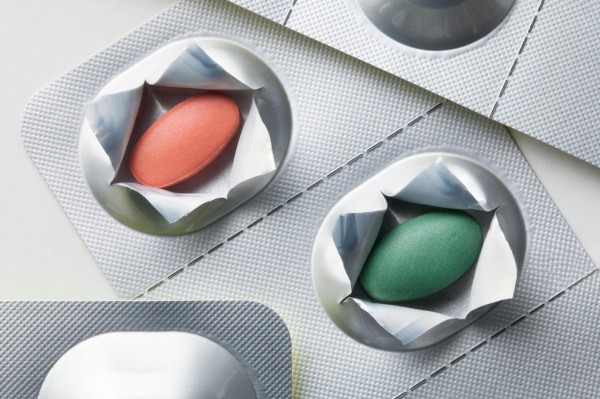
2. bubuka pikeun 8011 Kelas alloy (Kasaluyuan inti sareng PTP Aluminium Foil)
8011 alloy milik runtuyan aluminium-beusi-silikon tina alloy aluminium non-panas-treatable. Komposisi kimia sareng sipat mékanisna dikontrol sacara saksama, sahingga sampurna cocog kana sarat inti PTP aluminium foil dina watesan kaamanan, digana, jeung kinerja panghalang. Ieu mangrupakeun alloy aluminium husus husus diadaptasi pikeun dahareun jeung aplikasi bungkusan farmasi.
2.1 Komposisi Kimia Inti 8011 Paduan (Yayasan Kasalametan Farmasi)
Komposisi kimia 8011 alloy mastikeun ngadalikeun eusi najis, utamana ngawatesan logam beurat jeung elemen ngabahayakeun lianna. Ieu mastikeun yén euweuh zat ngabahayakeun migrasi nalika alloy datang kana kontak jeung farmasi, peletakan yayasan padet pikeun kaamanan narkoba. Rentang komposisi husus dipidangkeun dina tabel di handap ieu:
| unsur | Eusina (Fraksi Massa, %) | Pentingna pikeun bungkusan Farmasi PTP Aluminium Foil |
|---|---|---|
| alumunium (Al) | Kasaimbangan | Ngabentuk matriks alloy, mastikeun ductility dasar sarta kinerja panghalang; kimiawi stabil sarta teu meta jeung farmasi |
| Beusi (Fe) | 0.7–1.3 | Unsur alloying inti nu refines struktur sisikian, ningkatkeun kakuatan sareng résistansi tusukan pikeun nyegah karusakan foil salami transportasi; ogé ngaronjatkeun kinerja rolling sarta ketebalan uniformity |
| Silikon (Jeung) | 0.5–0.9 | Gawéna synergistically kalawan beusi jang meberkeun ngaronjatkeun stabilitas processing jeung nyegah cracking salila punching sarta ngabentuk, mastikeun akurasi ngabentuk lepuh |
| Tambaga (Cu) | ≤0.05 | Najis dikawasa ketat; tambaga tiasa ngirangan résistansi korosi sareng jumlah kaleuleuwihan tiasa nyababkeun migrasi anu ngabahayakeun - eusi rendah mastikeun kasalametan kontak farmasi |
| Mangan (Bungbulang) | ≤0.05 | Unsur najis; jumlah kaleuleuwihan ngurangan ductility sarta mangaruhan lepuh ngabentuk-eusi low ensures kinerja processing stabil |
| Séng (Zn) | ≤0.10 | Dikadalikeun pikeun nyegah oksidasi permukaan anu henteu rata sareng pikeun mastikeun kelancaran permukaan, facilitating salajengna percetakan informasi farmasi |
| Sanés (masing-masing) | ≤0.03 | Nyegah bubuka najis ngabahayakeun sejen tur ensures komposisi alloy seragam |
| Sanés (total) | ≤0.10 | Mastikeun kamurnian alloy sadayana sareng patuh kana standar kaamanan bungkusan farmasi anu ketat |
2.2 Parameter Performance konci tina 8011 Paduan (PTP Aluminium Foil Kasaluyuan Indikator)
Parameter pagelaran 8011 alloy persis cocog manufaktur sarta pamakéan sarat PTP aluminium foil, utamana unggul dina ductility, kinerja panghalang, jeung kakuatan. Parameter husus sarta significance maranéhanana ditémbongkeun di handap:
| Kategori Performance | Parameter | Nilai khas | Satuan | Pentingna pikeun bungkusan Farmasi |
|---|---|---|---|---|
| Pasipatan fisik | Kapadetan | 2.70 | g/cm³ | kauntungan lightweight, ngurangan beurat bungkusan sakabéh pikeun transportasi jeung neundeun |
| Konduktivitas termal | 160–180 | W/m·K | Konduksi panas seragam, facilitating panas sealing kalawan PVC / PP lepuh tur mastikeun integritas segel | |
| Ketebalan Range (PTP) | 20–30 | μm | ketebalan sedeng balancing kinerja panghalang jeung push-liwat usability | |
| Performance panghalang (Suku dokumén oksigén) | ≤0.5 | ans /(² · 24h · 0.1MPA) | Panghalang oksigén anu saé, nyegah oksidasi jeung manjangkeun umur rak | |
| Sipat mékanis | Kakuatan tegangan | 120-150 | MPa | Kakuatan anu cekap pikeun ngabentuk kakuatan bari nyegah karusakan transportasi |
| Kakuatan ngahasilkeun | 40–60 | MPa | ductility alus teuing, ngaktipkeun bentuk lepuh kompléks | |
| Elongation di Break | ≥15 | % | Résistansi tinggi pikeun retakan nalika ngabentuk, mastikeun integritas pakét | |
| Pasipatan Surface | Kakasaran Permukaan | Ra ≤0.3 | μm | Permukaan lemes ngamungkinkeun percetakan jelas sareng awét inpormasi farmasi |
3. Mangpaat Inti tina 8011 Galunggung PTP Aluminium Foil
Fungsi inti tina 8011 alloy PTP aluminium foil pikeun ngawula ka salaku bahan lidding pikeun bungkusan molotok farmasi. Éta langsung ngahubungi ubar atanapi ngabentuk halangan anu disegel, sarta aplikasi na revolve sabudeureun tujuan sentral "ngajaga kaamanan farmasi,” anu bisa dipasing-pasing kieu:
- Bahan Lidding pikeun Bentuk Dosis Padet Lisan
Ieu mangrupikeun aplikasi anu paling dasar, nutupan tablet (tablet biasa, tablet sustained-release, tablet dispersible), rakép (kapsul teuas jeung lemes), granules, jeung ubar lisan lianna. 8011 alloy PTP aluminium foil ieu panas-disegel kalawan PVC, Pp, atanapi substrat lepuh PVDC pikeun ngabentuk rongga anu disegel masing-masing anu ngasingkeun oksigén, kalembaban, lebu, jeung rereged éksternal séjén, ngajaga stabilitas ubar. - Pamawa Émbaran Farmasi
Beungeut aluminium foil tiasa dicitak via gravure atanapi percetakan flexographic kalayan inpormasi kritis sapertos nami ubar, spésifikasi, produsén, nomer bets, tanggal kadaluarsa, jeung parentah dosage. Ieu ensures komunikasi jelas informasi ubar bari ogé nyadiakeun gelar tangtu kamampuhan anti counterfeiting. - Unit-Dosis bungkusan Segmented
Ngaliwatan desain rohangan bebas tina bungkusan molotok, separation Unit-dosis kahontal, ngaktipkeun dosing tepat (E.g., hiji tablet per poé atawa dua capsules per dosis). Ieu ngirangan résiko nyerep Uap atanapi kontaminasi saatos dibuka, sahingga utamana cocog pikeun penderita merlukeun nginum obat jangka panjang. - Bungkusan Pelindung pikeun Farmasi Husus
Pikeun ubar sénsitip kana oksigén sareng Uap (sapertos vitamin sareng antibiotik), 8011 alloy PTP aluminium foil bisa digabungkeun jeung substrat tinggi-panghalang (E.g., pilem komposit PVDC) pikeun ngaronjatkeun kinerja panghalang jeung manjangkeun umur rak. Pikeun ubar sénsitip cahaya, lampu-tameng 8011 alloy PTP aluminium foil bisa dipaké pikeun nyegah photodegradation.
4. Prosés Manufaktur tina 8011 Galunggung PTP Aluminium Foil (Pharmaceutical-Grade Jaminan Kasalametan)
Salaku bahan kontak farmasi, prosés manufaktur tina 8011 alloy PTP aluminium foil kudu sasuai jeung standar bahan bungkusan farmasi nasional (sapertos standar YBB). Sakabéh prosés produksi kudu dilaksanakeun dina bersih, lingkungan bébas kontaminasi. Ti bahan baku nepi ka produk rengse, sababaraha prosés anu tepat diperyogikeun pikeun mastikeun kasalametan sareng stabilitas kinerja.
4.1 Aliran Prosés Inti Manufaktur
- Pamilihan Bahan Baku Pharmaceutical-Grade
Bungkusan Farmasi-patuh 8011 alloy aluminium ingot dipilih. Logam beurat sareng eusi najis ngabahayakeun diuji sacara ketat pikeun mastikeun kasalametan sareng henteu karacunan bahan baku.. - Lebur jeung Pemurnian
Ingot aluminium sareng bahan paduan dilebur dina tungku dina suhu 670-700 °C. Kadaharan- sarta agén pemurnian farmasi-grade ditambahkeun pikeun miceun gas sarta pangotor tina aluminium molten., mastikeun purity tinggi. Proses degassing sareng filtrasi online diterapkeun sakaligus pikeun ningkatkeun kabersihan lebur. - Casting jeung Rolling kana Slabs
Aluminium lebur refined gancang leuwih tiis tur matak-digulung kana slabs aluminium kalayan kandel 6-8 mm maké twin-roll caster.. prosés ieu refines struktur sisikian sarta ngaronjatkeun kinerja processing saterusna. - Tiis Rolling Réduksi
Multi-pass cold rolling dipaké pikeun saeutik demi saeutik ngurangan ketebalan slab ka 0.2-0.3 mm stock aluminium foil.. Unggal pass employs rasio réduksi dikawasa pikeun mastikeun ketebalan seragam jeung sipat stabil. Pelumas kelas farmasi dianggo nalika ngagulung tiis pikeun nyegah kontaminasi. - Annealing panengah
Lamun karasa bahan jadi kaleuleuwihan sanggeus rolling tiis, annealing panengah dilakukeun dina tungku dina 350-400 °C salila 2-3 jam pikeun mulangkeun ductility tur mastikeun mulus rolling precision saterusna.. - Precision Foil Rolling
Pabrik rolling foil precision tinggi dipaké pikeun ngagulung bahan nepi ka ketebalan ahir 20-30 μm.. tekanan Rolling jeung speed anu persis dikawasa pikeun mastikeun kasabaran ketebalan dina ± 1 μm sarta lemes., permukaan bébas cacad. - Perawatan permukaan
Foil anu digulung ngalaman beberesih sareng pasipasi pikeun ngaleungitkeun résidu minyak permukaan sareng pilem oksida. Gumantung kana sarat, Lapisan kelas farmasi diterapkeun pikeun ningkatkeun kinerja penyegelan panas sareng résistansi korosi bari mastikeun henteu aya migrasi anu ngabahayakeun.. - Langsing sareng rebinding
gulungan aluminium foil badag anu slit kana gulungan rengse sempit (E.g., 250 mm atawa 300 rubak mm) nurutkeun spésifikasi mesin bungkusan farmasi. Karusakan permukaan dihindari sacara ketat nalika ngagulung deui. - Pharmaceutical-Grade Inspection
Réngsé aluminium foil diuji sacara komprehensif, kaasup ketebalan, lebar, kualitas permukaan, sipat mékanis, kinerja panghalang, migrasi logam beurat, jeung wates mikrobiologis, mastikeun patuh pinuh ku standar bahan bungkusan farmasi. - Bungkusan beresih
Produk anu mumpuni dibungkus dina kamar bersih nganggo kadaharan anu tahan lembab sareng tahan debu- sareng bahan bungkusan kelas farmasi. Tanda sertifikasi bungkusan farmasi diterapkeun sateuacan kiriman.

4.2 Jaminan Inti ti Pemasok Berkualitas Tinggi (Prasarat konci pikeun Palaksanaan Prosés)
Kadé dicatet yén kinerja punjul tina aluminium foil farmasi ngandelkeun teu ukur dina prosés manufaktur canggih tur kadali kualitas stringent., tapi ogé fundamentally dina pilihan suppliers kualitas luhur.
Pikeun pausahaan farmasi, Pilihan supplier jauh leuwih loba tibatan kaputusan pengadaan basajan-éta pilihan partnership kritis langsung patali jeung kaamanan sabar. Salaku konsensus industri nyatakeun: "Sumber Masalah." Milih supplier aluminium foil kualitas luhur mangrupikeun léngkah konci pikeun mastikeun kasalametan bungkusan farmasi.
Produsén anu diakui sacara global (sapertos Eco alum Co., Ltd.) conto standar industri ieu. Nalika mésér bahan aluminium foil kelas farmasi sapertos 8011 alloy, suppliers ngadegkeun kawas Eco Alum Co., Ltd. bisa nyadiakeun jaminan kualitas komprehensif, kaasup:
- Fasilitas Produksi Canggih
Lingkungan manufaktur leres-leres sasuai sareng Praktek Manufaktur Alus (GMP) sarat sareng biasana dilengkepan kamar bersih pikeun ngaleungitkeun résiko kontaminasi di sumberna. - Precision Rolling Equipment
Téknologi rolling canggih mastikeun ketebalan konsisten tur mulus, surfaces foil bébas cacad. - Sistem Jaminan Kualitas anu ketat
Salian inspeksi ketebalan rutin, rezim nguji pinuh kaasup deteksi pinhole otomatis, nguji wettability permukaan (pikeun mastikeun palapis jeung tinta adhesion), sareng uji sipat mékanis anu tepat. - Patuh Regulasi sareng Sertifikasi
Dokuméntasi sareng sertifikasi lengkep disayogikeun pikeun mastikeun patuh kana syarat pangaturan anu ketat ti otoritas sapertos AS.. FDA sareng EMA Éropa. Huawei Aluminium gaduh pangalaman éksténsif dina minuhan standar internasional ieu. - Kontrol komposisi alloy profésional
Kontrol tepat eusi beusi sareng silikon di 8011 alloy mangrupa kritik pikeun achieving kinerja unik na. Pembekal profésional sapertos Huawei Aluminium gaduh kaahlian metalurgi anu kuat, mastikeun konsistensi bets-to-angkatan.
Milih panyadia sareng pangalaman anu kabuktian sareng reputasi anu kuat mangrupikeun léngkah kritis ahir dina mastikeun kualitas aluminium foil farmasi., ngajamin yén "panghalang berteknologi tinggi" anu ngajagi obat ieu nyumponan standar anu paling luhur.
4.3 Titik Control Pharmaceutical-Grade konci
Pikeun mastikeun kasalametan farmasi tina 8011 alloy PTP aluminium foil, tahap kritis handap kudu mastikeun dikawasa salila manufaktur:
- Kasalametan Bahan Baku
kualifikasi supplier anu rigorously reviewed. Unggal angkatan bahan baku kedah dibarengan ku logam beurat sareng laporan tés najis pikeun nyegah bahan anu henteu saluyu tina asup kana produksi.. - Lingkungan Produksi Bersih
Ngagulung, perawatan permukaan, ireupaskeun, sareng prosés bungkusan dilaksanakeun di kamar bersih sahenteuna Kelas 10,000 pikeun ngadalikeun tingkat lebu sareng mikroba sareng nyegah kontaminasi. - Pelumas jeung palapis Control
Pelumas kelas farmasi sareng palapis dianggo sapanjang produksi. Komposisi bahan didefinisikeun sacara jelas pikeun mastikeun henteu aya résidu ngabahayakeun atanapi migrasi. - Réngsé Uji Kasalametan Produk
Uji wajib kalebet migrasi logam beurat (E.g., kalungguhan, kadmium, raksa), wates mikrobiologis, jeung résidu pangleyur. Ngan produk mumpuni dileupaskeun.
5. Skenario Aplikasi Spésifik tina 8011 Galunggung PTP Aluminium Foil
Hatur nuhun kana kaamanan alus teuing jeung kinerja processing, 8011 alloy PTP aluminium foil loba dipaké dina sagala rupa skenario bungkusan molotok farmasi, ngawengku sababaraha bagéan industri farmasi:
5.1 Bungkusan pikeun Ubar Rumah Tangga Umum
Ieu mangrupikeun skenario aplikasi anu paling umum, kaasup ubar tiis (kayaning tablet sustained-release ibuprofen), antipiretik, antibiotik (sapertos kapsul amoxicillin), jeung suplemén vitamin.
8011 alloy PTP aluminium foil, digabungkeun sareng bungkusan lepuh PVC, ngabentuk rongga anu disegel sacara mandiri anu cocog pikeun neundeun rumah tangga sareng portabilitas. Pencetakan inpormasi farmasi anu jelas ngabantosan pangguna nginum obat kalayan leres. Desain push-through anu gampang ngamungkinkeun pangguna manula sareng murangkalih pikeun ngaksés pangobatan kalayan gampang.
5.2 Bungkusan pikeun Pangobatan Panyakit Kronis
Pikeun kaperluan nginum obat jangka panjang saperti hipertensi jeung diabetes, 8011 alloy PTP aluminium foil nyandak "dosis poean" bungkusan segmented (E.g., 7 tablet per lepuh atawa 14 tablet per lepuh), ngabantosan pasien ngajaga jadwal nginum obat anu teratur sareng ngahindarkeun dosis anu lasut atanapi salah.
Kinerja panghalang anu saé ngajamin stabilitas ubar dina waktos panyimpen anu panjang (biasana 1-2 taun umur rak), nyegah oksidasi jeung degradasi.
5.3 Bungkusan pikeun Kaayaan Lingkungan Husus
Di daérah anu suhu luhur sareng kalembaban anu luhur (saperti iklim hujan kidul), wewengkon dataran, atawa skenario transportasi jarak jauh, bungkusan farmasi merlukeun ditingkatkeun halangan jeung lalawanan cuaca.
Nalika digabungkeun sareng substrat lepuh komposit PVDC, 8011 alloy PTP aluminium foil nyata ngaronjatkeun oksigén jeung kinerja panghalang Uap, nyegah karuksakan ubar alatan paparan lingkungan. Sifatna anu hampang ogé ngirangan biaya transportasi jarak jauh bari ngajaga integritas pakét.
5.4 Bungkusan pikeun Suplemén Kaséhatan sareng Pangan Fungsional
Salian ti farmasi, 8011 alloy PTP aluminium foil loba dipaké pikeun suplemén kaséhatan bungkusan (sapertos suplemén kapsul protéin sareng kapsul lemes minyak lauk) jeung pangan fungsional (kayaning tablet probiotic).
Produk ieu ogé nungtut standar kaamanan sareng stabilitas anu luhur. The farmasi- jeung jaminan kaamanan dahareun-grade jeung sipat panghalang alus teuing tina 8011 alloy éféktif ngajaga bahan aktif jeung manjangkeun umur rak.
6. Keunggulan Core 8011 Alloy salaku Bahan pikaresep pikeun PTP Aluminium Foil
Alesan naha 8011 alloy geus jadi bahan pikaresep keur PTP aluminium foil perenahna di kaunggulan komprehensif na sakuliah syarat bungkusan farmasi konci.. Éta sacara efektif ngatasi tantangan inti anu aya hubunganana sareng kaamanan, kasaimbangan, sareng kamampuan prosés dina bungkusan farmasi.
6.1 Jaminan Kasalametan Kelas Farmasi sareng Henteu Migrasi Ngabahayakeun
Komposisi kimia 8011 alloy ieu ketat dikawasa, kalawan tingkat pisan low logam beurat jeung najis ngabahayakeun, sapinuhna patuh kana standar bahan bungkusan farmasi nasional (NBB 00152002-2015).
Lapisan oksida anu kabentuk sacara alami dina permukaan aluminium, digabungkeun sareng palapis kelas farmasi, éféktif nyegah migrasi unsur aluminium. Teu aya réaksi kimia anu lumangsung nalika kontak sareng farmasi, mastikeun kamurnian ubar sareng ngajagi kasalametan farmasi di sumber bahan.
6.2 Kinerja Panghalang Alus pikeun Manjangkeun Umur Narkoba
8011 alloy PTP aluminium foil nyadiakeun kinerja panghalang beredar ngalawan oksigén, kalembaban, karbon dioksida, lebu, jeung rereged éksternal séjén. Éta sacara efektif ngasingkeun farmasi tina pangaruh lingkungan, nyegah oksidasi, Campur Uap, jeung kontaminasi nu bisa ngakibatkeun degradasi atawa leungitna efficacy.
Ieu sacara signifikan manjangkeun umur rak obat (biasana nepi ka 1-3 taun), ngajadikeun eta utamana cocog pikeun farmasi sénsitip kana kaayaan lingkungan.
6.3 Formability luar biasa pikeun minuhan sarat bungkusan rupa-rupa
8011 alloy némbongkeun ductility alus teuing jeung kateguhan, ngamungkinkeun formasi bentuk lepuh kompléks (saperti buleud, oval, jeung geometri henteu teratur) pikeun nampung tablet sareng kapsul tina sababaraha ukuran sareng bentuk.
Dina waktos anu sasarengan, kakuatan sedeng na ngamungkinkeun eta nahan gaya tensile salila blister ngabentuk ogé stress mékanis salila slitting jeung transportasi.. Laju ngahasilkeun ngabentuk luhur ngurangan karugian produksi jeung ningkatkeun efisiensi manufaktur.
6.4 Diandelkeun Panas-Sealing sarta Gampang Push-Through Performance, Balancing Integritas Seal sarta genah pamaké
Sanggeus perlakuan palapis farmasi-grade, 8011 alloy PTP aluminium foil bisa ngahontal kuat tur dipercaya panas sealing kalawan PVC, Pp, jeung substrat lepuh séjén. Kakuatan sealing nyumponan syarat bungkusan farmasi sareng nyegah bocor obat.
sakaligus, eta nawarkeun kinerja push-liwat alus teuing, ngamungkinkeun pasien pikeun ngaksés pangobatan kalayan gampang tanpa alat. Ieu greatly ngaronjatkeun genah pamaké, khususna pikeun pasien manula sareng skenario perjalanan.
6.5 Printability alus teuing pikeun Transmisi Émbaran Pharmaceutical Hapus
Beungeut lemes sareng datar tina 8011 alloy nyadiakeun adhesion tinta kuat, ngamungkinkeun percetakan jelas inpormasi farmasi kritis sapertos nami ubar, dosis, nomer bets, tanggal kadaluarsa, jeung parentah pamakéan.
Grafik anu dicitak awét sareng tahan ka abrasion. Bahanna ogé cocog sareng téknologi percetakan anti-pemalsuan (sapertos tinta fluoresensi sareng percetakan embossed), ngarojong usaha pikeun merangan farmasi palsu sarta mastikeun kaamanan ranté suplai.
6.6 Desain Ringan sareng Efisiensi Biaya pikeun Ngaronjatkeun Nilai Gemblengna
Kalawan kapadetan wungkul 2.70 g/cm³, 8011 alloy nawarkeun kaunggulan lightweight signifikan, ngurangan beurat bungkusan sakabéh jeung waragad transportasi.
Dina waktos anu sasarengan, biaya bahan baku sarta prosés manufaktur na kawilang dewasa. Dibandingkeun sareng bahan bungkusan panghalang luhur anu sanés (kayaning foil stainless steel atawa laminates kompléks), 8011 alloy nyadiakeun ongkos-kinerja unggulan, mantuan ngadalikeun waragad bungkusan farmasi sarta pamustunganana ngurangan harga pamaké tungtung.
6.7 Kelestarian Lingkungan sareng Daur Ulang saluyu sareng Pangembangan Farmasi Héjo
8011 alloy mangrupakeun bahan logam pinuh recyclable. Dipaké PTP aluminium foil bisa dikumpulkeun sarta didaur ulang pikeun reprocessing, ngurangan runtah sumberdaya jeung dampak lingkungan.
Dibandingkeun jeung bahan bungkusan dumasar-plastik, aluminium foil nawarkeun kinerja lingkungan punjul, aligning jeung industri farmasi urang tumuwuh tekenan kana bungkusan héjo sarta ngembangkeun sustainable.

7. Analisis Komparatif Antara 8011 Alloy jeung Bahan Alternatif séjén pikeun PTP Aluminium Foil
Dina seleksi bahan aluminium foil PTP, alternatif primér pikeun 8011 alloy ngawengku aluminium murni (1060/1050), 5052 alloy aluminium, foil stainless steel, jeung film komposit plastik.
A ngabandingkeun multidimensional jelas highlights kaunggulan komprehensif ngeunaan 8011 alloy, sakumaha ditémbongkeun dina tabél di handap:
| Babandingan Dimensi | 8011 Galunggung PTP Foil | Aluminium murni (1060) PTP Foil | 5052 Aluminum aluminum foil | Foil Stainless Steel | Film komposit palastik (PET/AL/PVC) |
|---|---|---|---|---|---|
| Kasalametan Farmasi (Résiko Migrasi) | Luhur (YBB patuh, euweuh migrasi ngabahayakeun) | Luhur (purity tinggi) | Sedeng (kamungkinan migrasi Mg) | Luhur (kimiawi stabil) | Sedeng (migrasi palastik poténsial) |
| Performance panghalang (Oksigén / Uap) | alus teuing (≤0,5 cm³/(² · 24h)) | alus teuing (sarupa jeung 8011) | alus teuing | alus teuing | Alus (gumantung kana lapisan aluminium, rawan delamination) |
| Formability (Ngabentuk lepuh) | alus teuing (ngahasilkeun ngahasilkeun tinggi) | alus teuing (pisan ductile, tapi kakuatan low) | Alus (kakuatan tinggi, ductility handap) | goréng (karasa tinggi) | Alus (gampang ngabentuk, lalawanan panas goréng) |
| Kakuatan sarta Résistansi Puncture | Alus (120-150 MPa) | goréng (≤95 MPa, rawan karuksakan) | alus teuing (170-210 MPa) | alus teuing (≥515 MPa) | Alus (lalawanan tusukan sedeng) |
| Push-Through Performance | alus teuing (gampil, euweuh edges seukeut) | alus teuing | Adil (rada hese) | goréng (merlukeun parabot) | Alus (tapi résiko delamination) |
| Panyembuhan | alus teuing (jelas, percetakan awét) | alus teuing | Adil (oksidasi permukaan mangaruhan percetakan) | goréng (adhesion tinta low) | alus teuing (percetakan multicolor mungkin) |
| Ongkos (Material + Ngolah) | Sedeng (ongkos-kinerja tinggi) | Sedeng (rada handap, tapi merlukeun foil kandel) | Luhur | Kacida luhurna (5–8× 8011 ongkos) | Sedeng (recyclability low) |
| Kinerja Lingkungan (Rekyclabrity) | alus teuing | alus teuing | alus teuing | alus teuing | goréng (separation hésé) |
| Aplikasi Farmasi Cocog | lega (padet lisan, suplemén) | kawates (aplikasi low-kakuatan) | Kasus husus (Resur korosi tinggi) | Wates pisan (kabutuhan panghalang ultra-tinggi) | Sebagean (ubar non-sterilized) |
Ringkesan:
8011 alloy PTP aluminium foil ngahontal kasaimbangan optimal diantara kaamanan farmasi, kabentukna, kinerja push-liwat, bisa dicitak, efisiensi ongkos, sareng sustaarian lingkungan.
Aluminium murni lacks kakuatan cukup jeung rawan karuksakan.
5052 alloy boga ongkos luhur jeung printability inferior.
foil stainless steel nyaeta prohibitively mahal tur merenah pikeun pamakéan.
Film komposit palastik nyababkeun résiko migrasi sareng kinerja lingkungan anu goréng.
Ku kituna, 8011 alloy mangrupa pilihan optimal pikeun PTP aluminium foil.
8. kacindekan
Alesan 8011 alloy geus jadi bahan pikaresep keur PTP aluminium foil perenahna di alignment tepat na jeung sarat inti bungkusan farmasi.: kaamanan munggaran, réliabilitas, sarta usability.
Tina jihat material, komposisi kimiana dikawasa ketat ensures kaamanan kontak farmasi, bari sipat panghalang na alus teuing ngajaga stabilitas ubar. Tina sudut pandang manufaktur sareng panggunaan, formability punjul na accommodates kaperluan bungkusan beragam, sarta bisa dipercaya push-through na printability ningkatkeun pangalaman pamaké sarta pangiriman informasi. Ti sudut pandang ngembangkeun industri, efisiensi biaya sareng kelestarian lingkungan saluyu sareng tujuan pangwangunan héjo jangka panjang séktor farmasi.
Salaku garis ahir pertahanan safeguarding kaamanan farmasi, 8011 alloy PTP aluminium foil teu saukur bahan bungkusan, tapi komponén kritis sistem kaamanan farmasi. Kalayan ningkatna paménta pikeun kaamanan bungkusan sareng tanggung jawab lingkungan, 8011 alloy bakal neruskeun ngadominasi widang PTP aluminium foil, nyadiakeun panyalindungan kuat pikeun produk farmasi.

9. Patarosan anu sering ditaroskeun (Faqs)
9.1 Will 8011 Alloy PTP Aluminium Foil Ngahasilkeun Zat Ngabahayakeun Nalika Kontak sareng Farmasi?
Henteu. Komposisi kimia 8011 alloy PTP aluminium foil mastikeun luyu jeung standar bahan bungkusan farmasi nasional (standar YBB). Logam beurat jeung pangotor ngabahayakeun aya dina tingkat pisan low.
Lapisan oksida padet sacara alami ngabentuk dina beungeut cai, sareng sababaraha produk ogé dilapis ku palapis kelas farmasi, éféktif nyegah migrasi aluminium. Uji otoritatif negeskeun yén tingkat migrasi jauh di handap wates pangaturan, sahingga aman pikeun kontak farmasi.
9.2 Geus 8011 Alloy PTP Aluminium Foil Cocog jeung Sadaya bungkusan Farmasi?
8011 alloy PTP aluminium foil utamana cocog pikeun formulir dosage solid lisan (tablet, rakép, granules) sareng nyumponan sarat kaamanan sareng panghalang pikeun sabagéan ageung obat sapertos kitu.
Sanajan kitu, teu dianjurkeun pikeun farmasi merlukeun sterilization suhu luhur (sapertos 121 °C sterilisasi panas lembab) atawa ubar kacida korosif (sapertos asam kuat atanapi pangobatan topikal alkali), iwal coatings husus atawa bahan bungkusan alternatif dipaké.
9.3 Naon Anu Kedah Diperhatikeun Nalika Nyimpen Farmasi Dirangkep sareng 8011 Galunggung PTP Aluminium Foil?
The precautions handap kudu dititénan:
Mimitina, Ngahindarkeun lingkungan anu suhu luhur sareng kalembaban anu luhur. Panyimpenan handap 25 °C sareng kalembaban relatif ≤65% disarankeun pikeun nyegah kagagalan lapisan segel panas.
Kadua, nyingkahan sinar panonpoé langsung, sakumaha radiasi ultraviolét bisa ngagancangkeun oksidasi permukaan jeung mangaruhan kinerja panghalang.
Katilu, Ngahindarkeun dampak mékanis parna pikeun nyegah karuksakan molotok jeung kontaminasi.
Kaopat, Anggo obat saatos dibuka pikeun nyegah efektivitas panghalang anu ngirangan.
9.4 Naha Henteu Milih Aluminium Murni Murah salaku Bahan PTP Aluminium Foil?
Sanajan aluminium murni (sapertos 1060) boga waragad bahan baku rada handap, kakuatan na pisan low (kakuatan tensile ≤95 MPa) ngajadikeun PTP aluminium foil rawan ruksakna salila ngabentuk, angkutan, jeung pamakéan.
Ieu ningkatkeun résiko kontaminasi atanapi degradasi farmasi. Ku nambahkeun beusi jeung silikon, 8011 alloy nyata ngaronjatkeun kakuatan bari nahan ductility alus teuing, hasilna ngahasilkeun ngabentuk luhur sarta punjul sakabéh ongkos-kinerja dibandingkeun aluminium murni.
9.5 Naha Kandelna tina 8011 Alloy PTP Aluminium Foil Siapkeun dina 20–30 μm?
rentang ketebalan Ieu ngagambarkeun kasaimbangan optimal diantara kaamanan, kinerja panghalang, usability push-liwat, jeung ongkos.
Di handap 20 μm, kinerja panghalang jeung kakuatan anu cukup, ngaronjat résiko pegatna.
Di luhur 30 μm, karasa nambahan, kinerja push-liwat nurun, genah pamaké sangsara, jeung biaya bahan naek.
Kisaran 20-30 μm sacara efektif ngimbangan "perlindungan halangan anu efektif, durability, betah pamakéan, sareng kontrol biaya. ”
9.6 Bisa Dipaké 8011 Galunggung PTP Aluminium Foil Didaur ulang?
Sumuhun. 8011 alloy mangrupa bahan logam recyclable. Dipaké PTP aluminium foil bisa dikumpulkeun sarta didaur ulang.
Dina mangsa daur ulang, Disarankeun pikeun misahkeun substrat lepuh plastik (saperti pvc) sarta ngadaur mulangkeunana aluminium foil mandiri. Lamun separation teu mungkin, eta bisa didaur ulang salaku runtah campuran. foil daur ulang bisa remelted, disampurnakeun, sarta dipaké deui pikeun produk aluminium, sangkan utilization sumberdaya sirkular.