
PTP Aluminium Foil Guide Harga | Foil Bungkusan Blister Farmasi
Dina industri farmasi modern, PTP Aluminium Foil (Pharmaceutical PTP Aluminium Foil)parantos janten salah sahiji bahan anu paling inti pikeun bungkusan lepuh. Ampir kabéh tablet, rakép, vitin, jeung suplemén kaséhatanngagunakeun bungkusan lepuh, kalawan PTP aluminium foil porsi salaku panutup foil, maénkeun peran anu penting dina ngajaga stabilitas obat.
Salaku industri farmasi global terus dilegakeun, pausahaan farmasi sarta purchasers bahan bungkusan beuki fokus kana sentral a, patarosan praktis:
Sabaraha harga PTP Aluminium Foil, sareng kumaha kawajaranana tiasa dievaluasi?
Dina kanyataanana, PTP harga aluminium foil sanes angka tetep; eta dipangaruhan ku kombinasi faktor internal jeung éksternal, sapertos:
- Harga Aluminium Ingot (Harga Aluminium LME): Bahan baku primér, anu fluctuations harga global ngabentuk dasar ongkos.
- Kecepatan foil: Langsung nangtukeun pamakéan aluminium, supir ongkos konci.
- Jenis alloy: alloy béda (E.g., 8011, 8021) rupa-rupa komposisi, kinerja, jeung ongkos.
- Warna percetakan jeung pajeulitna: Beda biaya anu signifikan antara warna tunggal sareng multi-warna, percetakan-precision tinggi.
- Téhnologi palapis: Harga béda antara palapis segel panas standar sareng palapis fungsional khusus.
- Kuantitas pesenan: Pameseran volume anu langkung ageung biasana ngahasilkeun harga unit anu langkung saé.
- Sertifikasi Kualitas & Standar: Foils patuh sareng standar anu ketat (FDA, Uni Éropa, GMP) ngalibetkeun produksi luhur sarta waragad QC.
Tulisan ieu bakal nyayogikeun pituduh anu sistematis sareng terstruktur ngeunaan farmasi PTP aluminium foil, ngawengku aspék ti harti dasar, struktur multilayer, komposisi harga pasar, spésifikasi teknis lengkep, prosés manufaktur tepat, standar kualitas anu ketat, tren pasar global, kana strategi pengadaan inti, Tujuanana pikeun nguatkeun anjeun kalayan kaputusan anu terang.

1. Naon PTP Aluminium Foil? Analisis Jero ngeunaan Watesan sareng Peranna
PTP Aluminium Foil (Pencét Ngaliwatan bungkusan Aluminium Foil)nyaéta bahan aluminium foil komposit anu dirarancang khusus sareng didamel pikeun bungkusan lepuh farmasi.. Ngaranna ngajelaskeun pamakéanana: Pasén ngan saukur mencét rohangan transparan (lepuh), jeung tablet atawa kapsul jero ngadorong ngaliwatan lidding aluminium foil, kituna ngaranna Pencét Ngaliwatan Bungkusan (PTP). Desain ieu greatly ningkatkeun genah nginum obat jeung akurasi.
PTP foil henteu dianggo nyalira; sok dipasangkeun sareng lambaran plastik anu tiasa didamel pikeun nyiptakeun bungkus anu lengkep. Kombinasi umum ngawengku:
- Lambaran PVC: Paling ekonomis jeung umum, nyadiakeun panyalindungan dasar pikeun kalolobaan ubar.
- PVDC-coated PVC Lambaran: Lapisan polyvinylidene klorida dina PVC sacara signifikan ningkatkeun sipat panghalang ngalawan Uap sareng oksigén.
- Lembaran PP: Cocog pikeun ubar anu sensitip pisan kana kalembaban atanapi ngabutuhkeun stabilitas kimiawi anu langkung luhur.
Babarengan, aranjeunna ngabentuk klasik struktur bungkus lepuh, dilapis saperti kieu:
Analisis Struktur Blister Pack has
| Struktur Lapisan | Material | Pedaran Fungsional |
|---|---|---|
| Rongga lepuh (Web Dasar). | PVC / PVDC / Pp | Ngabentuk rongga (lepuh) nyekel tablet via thermoforming, nyadiakeun rojongan struktural, jeung panas-segel kana foil nu. |
| produk. | Tablet / Kapsul | eusina, disimpen dina rongga anu dibentuk. |
| Lidding / Segel. | PTP Aluminium Foil | Nyertakeun bagian tukang web dasar lepuh, panas-sealing pageuh kana eta, sealing produk dina hiji Unit individu, nyadiakeun panyalindungan pamungkas. |
Struktur komposit multi-lapisan ieu jalan sinergis pikeun ngahontal sipat pelindung anu saé:
- Buktina Uap: Lapisan aluminium foil nyadiakeun a 100% halangan ngalawan uap cai, nyegah degradasi ubar atawa ngurangan efficacy tina Uap.
- Oksidasi Buktina: Ngablokir lengkep oksigén, Ngahindarkeun oksidasi bahan aktip.
- Buktina Cahaya: Opacity foil sacara efektif meungpeuk UV sareng cahaya katingali, ngajaga ubar sénsitip cahya.
- Perlindungan fisik: Nyadiakeun sababaraha lalawanan ka crushing na abrasion.
- Panyimpenan jangka panjang: Manjangkeun umur rak produk sacara signifikan ku ngagabungkeun sipat-sipat di luhur.
- kanyamanan pamaké: bungkusan Unit-dosis, gampang dibawa, ngaidentipikasi, jeung administer, ngaronjatkeun patuh pasien.
Ku kituna, kalawan kombinasi irreplaceable sahiji kaunggulan, PTP aluminium foil parantos janten bahan baku emas dina industri bungkusan farmasi global, utamana pikeun bentuk dosis lisan padet.
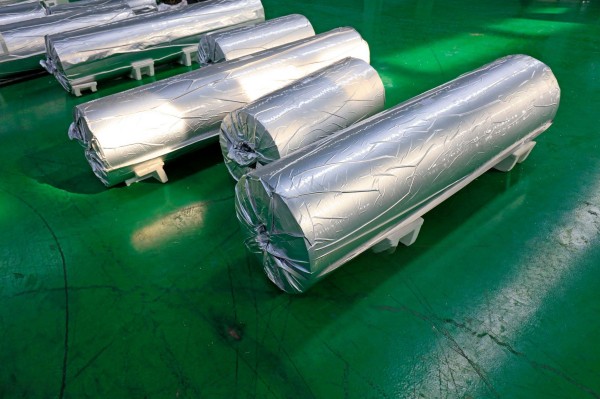
2. Analisis Struktur PTP Aluminium Foil: Panghalang Téhnologi Komposit Multi-lapisan
PTP aluminium foil jauh ti lambaran logam basajan; Ieu mangrupakeun bahan komposit multilayer direkayasa taliti. Unggal lapisan ngagaduhan fungsi anu khusus sareng kritis, laminated babarengan ngaliwatan prosés palapis tepat.
Khas PTP Aluminium Foil Struktur jeung Fungsi Rincian
| Lapisan (Luar ka jero) | Bahan primér / Prosés | Fungsi Inti sareng Katerangan Detil |
|---|---|---|
| Lapis nyitak. | Inks kelas farmasi | Lapisan luar anu nyanghareup konsumen. Dipaké pikeun nyitak inpormasi konci sapertos nami ubar, logo, dosis, nomer bets, sareng tanggal kadaluwarsa. Tinta kedah non-toksik, abra-tahan, kalawan adhesion alus tur printability. Percetakan multi-warna dilakukeun di dieu. |
| Lapisan pelindung (Lapisan luar). | Lacquer pelindung anu jelas atanapi berwarna | Dilarapkeun dina lapisan anu dicitak. Utamana ngajaga citak tina scuffing atanapi abrasion nalika produksi, nembang, jeung pamakéan. Ogé nyadiakeun gloss jeung estetika. |
| Lapisan substrat (Inti). | aluminium foil-purity luhur (E.g., 8011 alloy) | The “tulang tonggong” jeung “jiwa” tina PTP foil. Biasana 0.018mm ka 0.025mm kandel. Nyadiakeun kakuatan mékanis primér sarta, hatur nuhun kana sipat alamiah aluminium urang, nganteurkeun kinerja panghalang luar biasa, ampir lengkep blocking: |
| * Oksigén: Nyegah oksidasi ubar. | ||
| * Uap Cai: Nyegah nyerep Uap. | ||
| * Cahaya: Blok UV & lampu katingali, ngajaga ubar photosensitive. | ||
| Daktilitas anu saé ogé ngamungkinkeun “pencét-liwat” fitur. | ||
| Panas-Seal Lapisan (Palapis jero). | lacquer panas-segel husus (E.g., VC lacquer) | Lapisan anu meungkeut kana wéb dasar lepuh (PVC / PVDC / PP). Di stasiun segel panas tina mesin lepuh, dina suhu sareng tekanan anu leres, palapis ieu melts sarta ngabentuk kuat, segel hermetic kalawan web dasar, mastikeun unggal saku molotok geus papisah jeung sagemblengna ditutup. Ieu konci pikeun integritas pakét. |
Ieu “print-ngajaga-panghalang-segel” Struktur multilayer nyiptakeun solusi bungkusan anu sampurna anu nyayogikeun inpormasi, panyalindungan physicochemical tingkat luhur, jeung kaperluan genah pamaké, penting pisan pikeun ngajaga stabilitas ubar sapanjang siklus hirupna.
3. PTP Aluminium Foil Harga Deep Dive Analisis
Salaku bahan bungkusan industri bulk sareng ngaropéa, harga aluminium foil PTP dina perdagangan internasional ilaharna dicutat dina Dollar AS per métrik ton (USD/ton)atawa per kilogram. harga beuli sabenerna diitung persis dumasar kana spésifikasi husus.
2025-2026 Referensi Pasar Global Rentang Harga (FOB Pelabuhan Cina Utama)
| Jenis produk | Rentang harga (USD/ton) | Faktor Pangaruh konci & Kontana |
|---|---|---|
| Polos / Unprinted PTP Foil. | 3,200 - 3,800 | Tipe dasar, ngan coated. Harga utamana dipangaruhan ku ongkos aluminium, alloy, rumus palapis, sareng ketebalan. Dipaké nalika nyitak henteu diperyogikeun atanapi dilakukeun engké. |
| Single-Warna Dicitak PTP Foil. | 3,600 - 4,200 | Nambihan warna tunggal (mindeng hideung / poék) percetakan ka foil polos. Naékna harga nutupan mangsi, nyieun piring, jeung waragad percetakan. Bentuk komérsial anu paling umum. |
| Multi-Warna Dicitak PTP Foil. | 4,200 - 5,000+ | Merlukeun 2 atanapi langkung pendaptaran warna. Prosésna langkung kompleks, nungtut precision parabot luhur. harga naek nyata per warna ditambahkeun. Dipaké pikeun ubar branded / OTC pikeun idéntifikasi hadé tur anti counterfeiting. |
| High-panghalang / husus PTP Foil. | 4,500 - 5,200+ | Ngagunakeun alloy husus (E.g., 8021), gauge leuwih kandel, atawa ditambahkeun coatings fungsi (E.g., kakuatan segel luhur, gampang-mesek). Pikeun nilai luhur, Uap/oksigén-sénsitip ubar, biologis, atawa formulasi husus. |
Catetan penting: Di luhur mangrupakeun rentang rujukan lega dumasar kana kaayaan pasar, teu dibereskeun tanda petik. The cutatan ahir pikeun urutan sabenerna ieu persis dipangaruhan ku:
- Fluktuasi Harga Bahan Baku: Bursa Logam London (LME) harga titik ingot aluminium nyaéta variabel inti, mangaruhan biaya foil sapopoé.
- Pajeulitna percetakan: Jumlah kelir, wewengkon print, peryogi tinta khusus (E.g., termokromik, inks kaamanan fluoresensi) mangaruhan pisan biaya.
- Jinis kuping & Spésifikasi teknis: Biaya béda antara lacquers panas-segel kelas farmasi standar sareng impor. Lapisan pelindung / fungsional tambahan nambihan biaya.
- Kuantitas pesenan & Spun: Pesenan volume ageung / jangka panjang sacara signifikan ngirangan biaya unit. Spésifikasi non-standar (lebar husus, ultra-ipis / gauges kandel) bisa ningkatkeun kasusah processing jeung harga.
- Sertifikasi Kualitas & Standar: Pabrik patuh kana standar anu ketat (E.g., GMP AS/EU, FDA DMF) gaduh biaya produksi / QC anu langkung luhur, reflected dina harga.
- Logistik & Sarat Dagang: Komposisi harga variasina dina FOB, CIF, DDP, jsb. Volatilitas angkutan internasional ayeuna ogé mangaruhan biaya darat.
4. PTP Aluminium Foil Komposisi Harga: Ngarecah Biaya tina Ingot ka Produk Réngsé
Ngartos logika harga PTP foil ngabantosan dina analisis biaya sareng negosiasi anu efektif. hargana bisa direcah jadi dua komponén utama:
PTP Foil Ex-Pabrik Harga ≈ Biaya Bahan Baku Aluminium + Fee Processing komprehensif
Biaya Bahan Baku Aluminiumfluctuates kalawan harga aluminium internasional. The Fee Processing komprehensifnyertakeun sadaya prosés nilai tambah, manajemén, kauntungan, sarta waragad jaminan kualitas ti coil aluminium nepi ka rengse PTP foil.
Analisis Struktur Biaya lengkep (Persentase mangrupikeun kisaran perkiraan)
| Komponén Biaya | % Kisaran | Katerangan lengkep |
|---|---|---|
| Biaya Bahan Baku Aluminium. | 55% - 65% | Komponén ongkos pangbadagna. Dumasar konsumsi aluminium net (diitung tina ketebalan / lebar) dikali harga ingot ayeuna (tempo leungitna ngahasilkeun). harga aluminium volatility mangrupakeun cukang lantaran utama instability harga. |
| fee Processing Rolling. | 10% - 15% | Ngawengku tanaga, depreciation, tanaga gawé, sareng biaya téknologi pikeun ngolah ingot kana substrat foil tina ketebalan anu ditangtukeun (E.g., 0.02mm) ngaliwatan casting, panas / tiis rolling. gauges thinner mindeng ngaronjatkeun kasusah rolling / ongkos. |
| Fee perlakuan palapis. | 8% - 12% | Ngawengku perlakuan permukaan, palapis lacquer panas-segel, jsb. Biaya anu langkung luhur pikeun impor high-end atanapi lacquers fungsi khusus. Lengkah ieu nangtukeun kinerja sealing foil sarta kasaluyuan jeung webs basa béda. |
| Fee Processing percetakan. | 5% - 10% | Ngalibatkeun piring-pembuatan, mangsi, nyitak (gravure), jeung tanaga. Didorong ku cacah warna, akurasi pendaptaran, tipe mangsi (standar vs. kaamanan). Multi-warna / pola rupa merlukeun parabot leuwih mahal / kontrol. |
| Ireupaskeun & Biaya bungkusan. | 3% - 5% | Motong master jumbo roll kana rubak tepat per urutan, tambah batin (E.g., kantong plastik, kertas tahan lembab) jeung bungkusan luar (karton, palet kai) pikeun nyegah deformasi / kontaminasi salila transit. |
| Kontrol kualitas & Ujian. | 3% - 5% | Biaya QC prosés pinuh: inspeksi bahan asup, kontrol dina prosés, tés produk rengse (PINKH, ketebalan, kakuatan segel, résidu pangleyur, mikrobiologi). Penting pikeun kualitas farmasi-grade. |
| Ops Pabrik & Kauntungan. | 5% - 10% | Nyertakeun overhead, R&D, pangropéa sertifikasi, jualan, jeung margin kauntungan lumrah. Produsén unggulan sareng sertipikat internasional sareng reputasi sering maréntahkeun biaya ngolah / kauntungan anu langkung luhur, reflecting reliabilitas. |
Nalika harga aluminium global naek sacara signifikan, harga foil PTP sakabéh ilaharna kieu. Fee processing relatif stabil, ngagambarkeun prowess teknis na efisiensi produsén urang.

5. Rincian PTP Aluminium Foil Spésifikasi Téknis
Milih spésifikasi foil PTP anu leres penting pisan pikeun operasi sareng kualitas garis bungkusan anu mulus. Specs utamana ditangtukeun ku ciri ubar, modél mesin bungkusan, sareng umur rak anu dipikahoyong.
Spésifikasi Kandel umum sareng Aplikasi
| Kandelna (mm) | Sarua Micron (μm) | Aplikasi primér & Ciri sampel |
|---|---|---|
| 0.018. | 18 μm | Pilihan ékonomi. Pikeun ubar sareng kabutuhan panghalang anu kirang ketat, sababaraha suplemén, atawa generik béaya rendah. Langkung ipis, ongkos bahan handap, tapi kakuatan mékanis rada lemah / lalawanan tusukan. |
| 0.020. | 20 μm | Paling mainstream, ketebalan standar umum sacara global. Nawarkeun kasaimbangan panghalang anu pangsaéna, kakuatan mékanis (puncture / lalawanan ngalipet), ongkos, sarta processability (E.g., kakuatan push-liwat). Cocog jeung sabagéan ageung tablet / kapsul, pilihan standar. |
| 0.025. | 25 μm | High-Kakuatan / High-Barrier Pilihan. Pikeun ubar anu bentukna henteu teratur sareng ujung anu seukeut, atawa ubar / biologis-nilai luhur kalawan syarat panghalang ekstrim. Nyayogikeun panyalindungan anu langkung kuat sareng jaminan umur rak anu langkung panjang, dina ongkos luhur. |
Diantara ieu, 0.020mm (20μm) nyaéta standar industri de facto kusabab kinerja biaya anu optimal sareng serbaguna.
Spésifikasi Lebar umum sareng Hubungan sareng Mesin Pembungkus
lebar foil PTP kudu persis cocog jeung lebar kapang mesin molotok urang.
| Rentang lebar (mm) | Aplikasi primér & Kasaluyuan mesin |
|---|---|
| 80 - 150. | Keur mesin lepuh leutik atawa skala lab. Dipaké pikeun bets leutik, ubar percobaan klinis, atawa produk leutik pisan. |
| 150 - 300. | Kisaran produksi komérsial anu paling umum. Nyertakeun sabagéan ageung garis molotok otomatis-speed tinggi ageung. Lebar di dieu (E.g., 210mm, 250mm, 290mm) anu kacida standarisasi sarta gampang sadia. |
| 300 - 600+. | Keur tambahan-lega, jalur ultra-speed tinggipikeun kaluaran maksimum. Gede, alat-alat ongkosna mahal dipaké ku pausahaan pharma utama pikeun ngabentuk sababaraha barisan molotok sakaligus. |
Salawasna mastikeun lebar reel foil pasti, diaméterna jero inti, jeung diaméterna luar maksimum jeung supplier mesin atawa manual.
6. PTP Aluminium Foil Alloy Tipe: Pilihan Élmu Bahan
Henteu sakabéh aluminium foil cocog pikeun bungkusan ubar. PTP foil ilaharna dijieun tina alloy aluminium husus dioptimalkeun pikeun formability, kakuatan, kalentian, jeung kaamanan pangan/produk.
Kelas Alloy umum sareng Pasipatanna
| Kelas alloy | Karakteristik konci & Sambungan |
|---|---|
| 8011. | The mainstream mutlak tur bahan baku pikeun pharma molotok lidding. Biasana dianggo dina hawa H18 (teuas). Nawarkeun formability jero-tarik alus teuing, kakuatan alus, kalenturan cocog, sarta gampang pikeun jaket / nyitak. Sasuai jeung standar kaséhatan / kaamanan. Dipaké pikeun lolobana PTP foil. |
| 8021. | Umumna mibanda unsur renik pangsaeutikna jeung purity luhur batan 8011, maturan sipat panghalang punjul (utamana laju pinhole handap). Pikeun nilai luhur, Ubar pisan lembab/sénsitip oksigén merlukeun umur rak pisan panjang. Biasana hargana langkung luhur tibatan 8011. |
| 1235. | Kasucian tinggi (Al≥99,35%), leuwih lemes, ductility alus teuing. Bisa nawiskeun push-through anu langkung lancar pikeun aplikasi khusus. Kakuatan rada handap ti 8011-H18, bisa merlukeun kadali tegangan tepat dina garis-speed tinggi. Bisa jadi ongkos-kalapa. |
Ringkesanana, 8011-H18 foil nyaeta standar undisputedalatan sipat saimbang na, téhnologi dewasa, jeung suplai stabil. Taroskeun sareng teknisi supplier nalika milih alloy.
7. Prosés Produksi PTP Aluminium Foil: Perjalanan Precision ti Ingot ka Produk
Detil Aliran Prosés Produksi
- Lebte & Casting / Rolling: Ingot-purity luhur dilebur ku elemen renik per rumus alloy, tuang kana slabs badag, sarta panas-digulung kana coils kandel.
- Tiis gulung: Coil digulung ka gauge ipis ahir (E.g., 0.02mm) dina suhu kamar ngaliwatan sababaraha pass. Merlukeun precision ekstrim na lubrication kontrol pikeun ketebalan seragam jeung permukaan lemes.
- Annealing panengah (lamun diperlukeun): Pikeun sababaraha alloy, annealing salila rolling tiis relieves hardening karya, malikkeun kalenturan.
- Beungeut beberesih & Pretréas: Pembersih kimiawi sareng fisik ngaleungitkeun minyak ngagulung / rereged, krusial pikeun palapis adhesion.
- Perlakuan palapis: A lacquer panas-segel husus dilarapkeun seragam. beurat palapis, kasaragaman, sarta drying anu persis dikawasa.
- Percetakan: Percetakan gravure-speed tinggi nerapkeun desain / info. Pendaptaran anu tepat penting pisan. Tinta langsung garing.
- Overcoating pelindung (Pilihan): Lacquer pelindung transparan tiasa diterapkeun dina citak pikeun résistansi abrasion / gloss.
- Ireupaskeun & Ngagulung deui: Master jumbo roll ieu sesela kana narrower gulungan per rubak maréntahkeun. Cacad dipiceun.
- Baris & Off-line QC: Ngawaskeun kontinyu (ketebalan, PINKH) jeung tés lab (kakuatan segel, résidu pangleyur, mikrobiologi).
- Sabungkus & Gudang: Rengse gulungan dibungkus ku bahan tahan lembab, core-chucked, dikotak-kotak, palletized, sarta disimpen dina beresih, gudang garing.
Unggal léngkah kedah nuturkeun Praktek Manufaktur Alus anu ketat (GMP) pikeun konsistensi jeung reliabilitas.
8. Standar Uji Kualitas Aluminium Foil PTP: Yayasan Kasalametan
Dina kontak langsung jeung narkoba, PTP foil kedah sasuai sareng peraturan bungkusan farmasi global anu paling ketat.
Wajib Internasional & Standar régional
| Sistim baku | Wewengkon | Fokus konci |
|---|---|---|
| GMP. | Global | Praktek Manufaktur Alus. Nyertakeun produksi bahan bungkusan. Merlukeun sistem jaminan kualitas pinuh ti bahan baku nepi ka barang rengse. Dasar dasarna. |
| FDA. | AS & Wewengkon recognizing standar na | U.S. Administrasi dahareun sareng ubarperaturan. Bungkusan teu kedah berinteraksi sareng ubar atanapi migrasi zat ngabahayakeun. Panyadia sering peryogi File Master Narkoba FDA (DMF) atawa minuhan audit. |
| Peraturan EU. | Uni Éropa | Nuturkeun Pharmacopoeia Éropa (EP) jeung EU GMP. Sarat lengkep pikeun biokompatibilitas, kaamanan kimiawi (E.g., logam beurat, migrasi amina aromatik primér), toksikologi. Merlukeun pernyataan TSE / BSE. |
| Standar YBB. | Cina | Wadahna Bungkusan Narkoba Nasional (Material) Standar. Wajib pikeun pasar Cina. Nangtukeun fisik, kimia, jeung métode tés biologis jeung wates pikeun foil ubar. |
Parameter Uji Konci
- Pasipatan fisik:
- Kandelna & Kasaragaman
- Tes Pinhole: Kritis; pinholes mangrupakeun saluran primér pikeun Uap / oksigén.
- Uji Kakuatan Seal Panas: Ukuran kakuatan pikeun misahkeun foil disegel kana lambaran PVC baku. Kudu kuat acan ngidinan push-liwat.
- Push-liwat Test Force: Simulates gaya diperlukeun pikeun nyorong tablet kaluar. Kedah aya dina rentang anu gampang dianggo.
- Sipat Kimia:
- Sésa pangleyur: Pariksa pangleyur sésa tina percetakan / palapis.
- Kandungan logam beurat: Mastikeun kalungguhan, kadmium, raksa, jsb., anu tebih handap wates.
- Stabilitas Kimia: Tés pikeun migrasi poténsial dina kaayaan ubar simulasi.
- Kualitas Percetakan:
- Nyitak Adhesion. (Nguji pita)
- Print Harti & Akurasi pendaptaran

9. PTP Foil vs. Bentuk Tiis Foil vs. Alu-Alu: Ngartos Bentuk bungkusan Aluminium Béda
Di sagigireun PTP foil pikeun lidding, dua bentuk bungkusan sadaya-aluminium atanapi aluminium anu penting sanés aya pikeun aplikasi anu langkung luhur.
Babandingan lengkep Tilu Aluminium-Dumasar bungkusan Jenis
| Aspék | PTP Aluminium Foil (Pencét Ngaliwatan Foil). | Tiis Bentuk Foil (CFF). | Kemasan Alu-Alu (Bungkus lepuh). |
|---|---|---|---|
| Struktur & Paké. | Dipaké salaku panutuppikeun lepuh, panas-disegel kana PVC / PVDC / web base PP. | Dipaké salaku web dasarpikeun lepuh. Kabentuk kana cavities dina suhu kamar dina tekanan tinggi (“tiis ngabentuk”), lajeng disegel kana lidding husus (mindeng film komposit). | Duanana web base na lidding anu aluminium foil. Dasarna langkung lembut, aluminium foil kandel thermoformed kalawan panas, teras disegel kana tutup foil PTP. Hiji sistem pinuh aluminium disegel. |
| Prosés. | Déwasa, gancang, ongkos-éféktif. | Taya panas pikeun ngabentuk. tekanan tinggi dina suhu kamar ngamungkinkeun deeper, wangun leuwih kompleks. Perlindungan produk anu saé. | Duanana ngabentuk na sealing ngalibatkeun aluminium. Prosés kompléks, ongkos pangluhurna. estetika punjul jeung panyalindungan. |
| Panghalang. | Luhur. Lapisan foil nyadiakeun Uap alus teuing / oksigén / panghalang lampu, tapi gumantung kana segel web dasar plastik. | Kacida luhurna. Dasarna nyaéta komposit multilayer-panghalang tinggi (kalawan lapisan aluminium). Prosés ngabentuk tiis henteu kompromi halangan. Gemblengna halangan téh punjul ti standar PTP. | Transfer. Segel sadaya-logam nyayogikeun kalembaban anu caket-absolut, oksigén, cahayaan, jeung panghalang gas. The “puncak” pikeun bentuk dosis padet lisan. |
| Ongkos. | Sukses. Paling ekonomis pikeun duanana bahan jeung ngolah. | Sedeng-Luhur. Bahan foil komposit mahal, jeung parabot tiis-formulir mahal, kalawan speeds laun. | Transfer. Ngagunakeun dua lapisan aluminium, kalayan prosés thermoforming sareng sealing kompléks, syarat kontrol tinggi. |
| Paké has. | Obat umum, suplemén, paling generik, jeung ubar branded ekonomis. Paling loba dipaké. | Luhur-tungtung, Ubar pisan lembab/sénsitip oksigén. (sababaraha antibiotik, biologis). Ogé pikeun produk umur rak panjang. | Obat ultra-luhureun. (mahal sasaran / ubar kanker, vaksin lisan), obat pikeun iklim ekstrim. Ogé pikeun suplemén premium. |
| Persepsi Pasien. | Biasa, praktis. | Profésional, panyalindungan tinggi. | Méwah, kaamanan pamungkas, kualitas pangluhurna. |
Pondokna: PTP foil mangrupakeun pilihan mainstream ongkos-éféktif; Cold Form Foil nawiskeun panyalindungan luhur pikeun ubar anu sénsitip; Alu-Alu anu pamungkas, solusi méwah-grade.Pilihan gumantung kana sipat ubar, positioning pasar, jeung anggaran.
10. Ukuran Pasar PTP Aluminium Foil Global sareng Supir Pertumbuhan
Tumuwuhna stabil industri farmasi global, didorong ku populasi sepuh, naékna panyakit kronis, sarta ningkat aksés Podomoro di pasar munculna, langsung suluh paménta pikeun bungkusan kualitas luhur kawas PTP foil.
Ukuran Pasar Global jeung Ramalan (perkiraan industri konsolidasi)
| Taun | Ukuran Pasar (USD Milyar) | YoY Tumuwuh | Analisis Supir Tumuwuh |
|---|---|---|---|
| 2022 | ~0.95 | – | Pamulihan tina pandémik, rebound dina paménta ubar rutin. |
| 2023 | ~1.02 | ~7,4% | Ningkatkeun kasehatan di pasar berkembang (Asia-Pasifik, Amérika Latin), ngaronjat pamakéan narkoba generik. |
| 2024 | ~1.10 | ~7,8% | peluncuran ubar anyar, utamana bentuk dosis solid lisan anyar. Karesep konsumen anu kuat pikeun portabel, bungkusan unit-dosis. |
| 2025 (Wétan.) | ~1.18 | ~7,3% | Tumuwuh dina biosimilars sareng ubar khusus. Rising kasadaran kaséhatan global, pasar vitamin / suplement thriving. |
| 2026 (Ka hareup.). | ~1.25. | ~5,9%. | Pasar matures kana pertumbuhan ajeg. Tumuwuh ti: 1) Paménta pikeun panghalang anu langkung luhur, foil langkung fungsional (gampang-mesek, senior / ramah-anak); 2) Tren kelestarian nyetir R&D dina solusi daur ulang; 3) Manufaktur pinter & ranté suplai digital ngaronjatkeun efisiensi. |
pasar diperkirakeun ngajaga a pertengahan nepi ka luhur single-digitCAGR. Tumuwuh henteu ngan ukur tina volume, tapi ogé ningkatna nilai- paménta pikeun kinerja luhur, multi-fungsi, foil patuh lingkungan.
11. Industri Aplikasi Utama pikeun PTP Aluminium Foil: Saluareun Farmasi
Sedengkeun farmasi ngadominasi, Perlindungan PTP foil anu saé sareng genah tingali dianggo dina industri anu aya hubunganana sareng kaséhatan.
Bagéan Aplikasi konci
| Industri | Aplikasi Produk Spésifik | Kontana |
|---|---|---|
| Farmasi (Inti). | Resép tablet / kapsul, obat OTC, generik, ubar tradisional granules / tablet. | Panggedena, sektor paling nuntut. Dipaké pikeun ampir kabéh bentuk dosis padet lisan. |
| Suplemén Kaséhatan & Nutraceuticals. | Vitamin (C, B, D), tablet mineral (kalsium, istrika), kapsul minyak lauk, tablet ekstrak herbal, kapsul probiotik. | Pasar anu ageung, supir tumuwuh signifikan. Konsumén ngahubungkeun bungkusan ieu sareng kaamanan / legitimasi. |
| Alat Médis & Diagnostik. | Bungkusan primér pikeun alat tunggal anu steril (E.g., jarum jahit, scalpels), strips tés médis, strip glukosa dina kantong foil. | Merlukeun ngajaga sterility atawa kagaringan. PTP foil nyadiakeun panghalang dipercaya. |
| Kadaharan & Gizi husus. | Pangan fungsional anu bernilai luhur (E.g., gummies melatonin hiji-layanan), sendok ukur keur susu formula orok (sachet individu), pilem segel pikeun capsules kopi, pamisah pikeun coklat premium. | Ieuh, PTP foil sering muncul salaku kantong foil atanapi lidding. Konci pikeun rasa / panyalindungan freshness. |
| Industri lianna. | Bungkusan tahan lembab pikeun komponén éléktronik, pakét desiccant pikeun instrumen precision, bungkusan sajarah pikeun pilem fotografik. | Utilizes na Uap alus teuing jeung sipat panghalang cahaya. |
The industri farmasi, kalayan peraturan anu ketat sareng konsumsi masif, tetep supir primér pikeun téhnologi foil PTP, standar kualitas, jeung paménta. Sektor suplement ngembang gancang nyayogikeun rohangan tambahan anu signifikan.
12. Profésional PTP Aluminium Foil Procurement Guide: Kumaha Milih Panyadia anu Bisa Dipercaya
Pikeun pembeli luar negeri, utamana pembeli internasional munggaran-waktos, milih hiji dipercaya, patuh, sarta supplier sanggup mangrupa Cangkuang.
1. Kualifikasi pabrik & Sertifikasi: Dasar Patuh
Kriteria saringan munggaran sareng paling kritis. A supplier mumpuni kudu nyadiakeun:
- Sertifikasi GMP Farmasi: Ngabuktikeun patuh kana standar produksi bahan bungkusan. Sertifikasi ti Cina NMPA, EU EDQM, atanapi FDA AS mangrupikeun validasi anu kuat.
- ISO 9001 Sistem manajemén kualitas: Standar kualitas internasional dasar.
- ISO 14001 Manajemén Lingkungan (Bonus): Mencerminkan tanggung jawab lingkungan dan sosial.
- File Master Narkoba FDA (DMF) Jumlah. (pikeun pasar AS): Némbongkeun produk / info manufaktur aya dina file jeung FDA, easing aplikasi ubar pikeun konsumén pharma.
- Sertipikat minuhan produk: Laporan tés nunjukkeun patuh kana USP, EP, NBB, jsb.
2. Parabot Produksi & Kamampuh Téknis: Jaminan Kualitas & Efisiensi
Assess parabot produksi, ngaliwatan audit atawa video, mangrupa bukti langsung kamampuhan. Pabrik modern biasana gaduh:
- High-Speed Precision Rolling Mills: Mastikeun keseragaman ketebalan substrat foil sareng kualitas permukaan.
- Pinuh Otomatis High-Speed Garis Palapis: Kalayan sirah palapis anu tepat sareng sistem pengeringan pikeun palapis seragam.
- Mesin Percetakan Gravure Komputerisasi: Pastikeun jelas, akurat, percetakan warna-stabil.
- Pangimeutan Kualitas In-line: E.g., detéktor pinhole online, gauges ketebalan pikeun kontrol prosés real-time.
- Advanced Tés Lab: Dilengkepan tester kakuatan segel, GC (pikeun résidu pangleyur), testers tensile, jsb., pikeun tés ahir lengkep.
3. System Control kualitas: Inti Konsistensi
Inquire ngeunaan checkpoints QC husus sarta frékuénsi:
| Titik Kontrol konci | Métode Tés & Standar | Tujuan |
|---|---|---|
| Inspeksi Bahan Baku asup. | Pariksa sertipikat bahan coil aluminium, palapis / laporan minuhan tinta. | Ngaleungitkeun resiko dina sumber. |
| Dina-Prosés Control (IPC). | Ngawaskeun ketebalan online, beurat palapis, warna citak, suhu garing, jsb. | Pastikeun stabil, produksi dikawasa. |
| Test release produk ahir. | Unggal roll / bets kudu diuji (rékaman diteundeun) keur: | |
| * Visual: Pariksa noda, ngagarean, wrinkles. | Mastikeun kasampurnaan estetika. | |
| * Diménsi: Lebar, ketebalan, panjangna. | Mastikeun conformance kana pesenan. | |
| * PINKH: Uji di kamar poék atanapi nganggo alat khusus. | Nyegah gagalna halangan. | |
| * Kakuatan Seal Panas: gaya mesek sanggeus sealing kana PVC baku. | Pastikeun reliabilitas segel pakét. | |
| * Sésa pangleyur: Kromatografi gas. | Mastikeun kaamanan kimiawi, minuhan. | |
| * Watesan Mikroba. (périodik / bets): Pikeun produk non-steril. | Minuhan standar kabersihan. |
4. Ranté pasokan & Kamampuh Service
- Fleksibilitas Produksi: Narima bets leutik, pesenan multi-rupa? Stabil kalungguhan kali?
- Bantosan Téknis: Nawiskeun tés kasaluyuan bungkusan? Ngabantosan masalah garis (ngégél, dorong-liwat)?
- Logistik & Pangalaman ékspor: Mitra logistik internasional stabil? Dokuméntasi lengkep (B/L, COO, sertipikat kaséhatan)?
- Penyediaan Sampel: Bisa nyadiakeun sampel cocog kualitas masal-produksi gancang pikeun nguji?
Nalika milih, ulah ngan neangan harga panghandapna. Mertimbangkeun kakuatan teknis, konsistensi kualitas, responsiveness jasa, sarta poténsi partnership jangka panjang pikeun dipercaya, ranté suplai win-win.
FAQ: Jawaban jero kana Patarosan Foil PTP Umum
1. Naon standar ketebalan foil PTP? Kumaha carana milih?
Paling umum, ketebalan baku loba dipaké nyaéta 0.020 mm (20 μm). Éta nawiskeun kasaimbangan panyalindungan pangsaéna, ongkos, sarta processability.
Kumaha carana milih:
- 0.018mm: Pikeun aplikasi sénsitip biaya sareng kabutuhan panghalang anu kirang ketat.
- 0.020mm: Kanggo sabagéan ageung tablet / kapsul; standarna, pilihan aman.
- 0.025mm: Pikeun tablet anu bentukna henteu teratur sareng ujung anu seukeut, obat-obatan sareng kabutuhan panghalang ekstrim, atawa produk merlukeun umur rak leuwih panjang.
2. Tiasa PTP foil jadi pinuh custom dicitak? Naon tinimbangan?
Sumuhun, tur éta layanan baku.Eusi anu tiasa dicitak kalebet: ngaran ubar, logo, dosis, nomer bets, tanggal kadaluarsa, parentah, inpo pausahaan, pola kaamanan.
Pertimbangan:
- Nyadiakeun karya seni vektor resolusi luhur. (E.g., AI, PDF).
- Sebutkeun standar warna. (E.g., kode PANTONE) pikeun konsistensi bets.
- Pertimbangkeun aréa cetak sareng jumlah warna, sabab langsung mangaruhan biaya.
- Tinta kedah nyumponan standar bungkusan farmasi. (non-toksik, abra-tahan, adhesion alus).
- Sok ménta buktinapikeun warna, posisi, sarta pangaruh konfirmasi saméméh urutan kahiji.
3. Naon kuantitas Minimum Order has (Moq)?
Ieu beda-beda ku ukuran supplier sareng modél, tapi industri MOQ umum nyaéta 1 ka 3 métrik ton.
- Pabrik skala ageung tiasa gaduh MOQ anu langkung luhur (E.g., 3-5+ ton) pikeun efisiensi.
- Sababaraha pabrik ukuran sedeng atanapi fléksibel tiasa nampi 1 ton atanapi kirang, tapi harga unit bakal langkung luhur.
- Pikeun desain custom anyar ngalibetkeun hiji-waktos piring-nyieun biaya, MOQ sareng harga unit langkung luhur. Jelaskeun sareng supplier dumasar kana spésifikasi khusus.
4. Naon bédana utama antara PTP Foil sareng Cold Form Foil? Mana anu hadé?
Aranjeunna henteu “hadé” ti nu séjén; maranéhna nyaéta dua produk béda pikeun aplikasi lengkep beda.
- PTP Aluminium Foil: Dipaké utamana salaku “tutup”pikeun bungkusan lepuh. Ieu panas-segel kana plastik pre-kabentuk (PVC / PVDC / PP) dasar lepuh. Naros: Déwasa, biaya murah, gancang, pisan serbaguna. Keur: Lolobana ubar konvensional.
- Tiis Bentuk Foil (CFF): Dipaké utamana salaku “baki molotok” atawa base web. Éta komposit multilayer (kalawan lapisan aluminium) tiis-kabentuk dina tekanan tinggi dina suhu kamar, lajeng disegel kana pilem lidding husus. Naros: Nyadiakeun panghalang ultra luhur unmatched. (WVTR pisan low), Uap ampir mutlak / panghalang oksigén. Keur: Narkoba/biologis-nilai luhur sensitip pisan kana kalembaban/oksigén.
Ringkesan basajan: Peryogi a “tutup” pikeun ngégél lepuh palastik? Pilih PTP foil. Peryogi a “baki super Uap-buktina” pikeun ubar anu paling sénsitip ka lembab? Pilih bungkusan bentuk tiis. Éta sering dianggo dina jalur produksi anu béda dina pabrik farmasi pikeun ubar anu béda.
kacindekan
Kalayan terus tumuwuhna pasar farmasi sareng nutraceutical global, sarta rising paménta konsumén pikeun kaamanan sarta genah ubar, Peran PTP aluminium foil salaku bahan panutup inti pikeun bungkusan molotok langkung teu tiasa diganti ti kantos. Éta parantos mekar tina bungkusan saderhana janten komponén fungsional kritis anu ngajagaan daur hirup ubar.
Payun, ngembangkeun foil PTP bakal difokuskeun “kinerja luhur, langkung fungsionalitas, sareng kelestarian anu langkung ageung”:
- Performance luhur: Ngamekarkeun coatings kalawan halangan hadé tur rentang sealing lega.
- Langkung Fungsionalitas: Gampang dibuka, anak-tahan, percetakan braille, integrasi jeung labél pinter (RFID).
- Kelestarian anu langkung ageung: Ngajalajah downgauging (kirang bahan) sarta integrasi hadé kana ékonomi daur ulang sirkular aluminium urang.
Pikeun pembeli global sareng perusahaan farmasi, bari fokus kana Harga PTP Aluminium Foilsalaku imperatif bisnis, éta krusial pikeun ngadopsi pintonan strategis sarta komprehensif evaluate nilai jangka panjang supplier urang:
- Reliabilitas mutlak sareng konsistensi kualitas produk;
- Téknologi produksi canggih sareng kamampuan inovasi;
- Patuh pangaturan internasional sareng kasampurnaan sertifikasi;
- Stabilitas ranté suplai sareng kamampuan jasa responsif.
Mitrakeun sareng panyadia anu dipercaya anu gaduh kaahlian téknis anu jero, manajemén kualitas stringent, sareng visi anu maju mangrupikeun hiji-hijina jalan pikeun mastikeun kaamanan, efficacy, jeung reliabilitas bungkusan ubar, ku kituna ngajaga reputasi merek sareng kaséhatan pasien dina pasar anu kompetitif.