
Karatasi ya Alumini ya PTP 8011: Uchambuzi wa Kina wa Nyenzo ya Msingi ya Ufungaji wa Malengelenge ya Dawa
Abstract
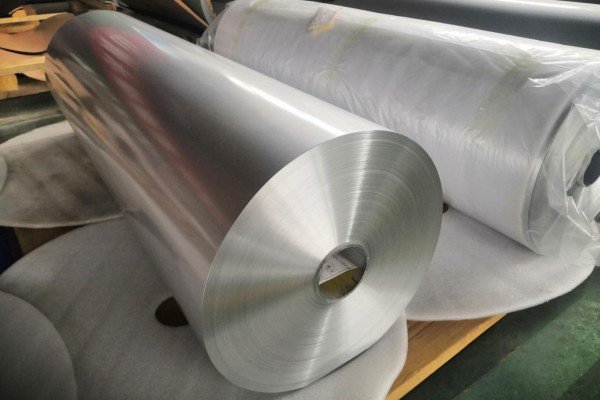
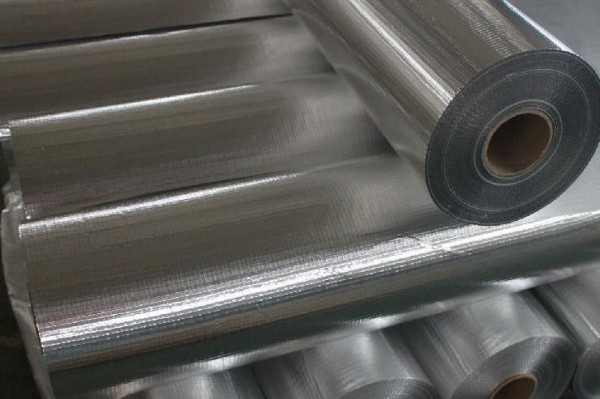
Karatasi ya Alumini ya PTP 8011 ni nyenzo ya ubora wa juu ya alumini iliyotengenezwa kwa ajili ya ufungaji wa malengelenge ya dawa.. Kazi yake kuu ni kutoa vizuizi vya karibu vya kinga kwa vidonge, vidonge, na fomu zingine za kipimo kigumu. Kama sehemu ndogo ya Bonyeza Kupitia Ufungaji (PTP), inahusiana moja kwa moja na utulivu wa madawa ya kulevya, usalama, na urahisi wa kipimo. Nakala hii inatoa uchambuzi wa kina wa sayansi ya nyenzo nyuma 8011 aloi, mchakato wake sahihi wa utengenezaji, mfumo wake mkali wa kudhibiti ubora, na jukumu lake kuu katika tasnia ya dawa, kutoa mwongozo wa kina wa kiufundi na maombi kwa makampuni ya dawa, wahandisi wa ufungaji, na wataalamu wa sekta.
1. Ufafanuzi wa Nyenzo na Nafasi ya Kiwanda
1.1 Ufafanuzi wa Msingi wa Foil ya PTP
PTP, kifupi cha Bonyeza Kupitia Ufungaji, inajulikana sana kwa Kichina kama “vyombo vya habari-kwa njia ya ufungaji” au “ufungaji wa malengelenge.” Muundo wake kawaida huwa na sehemu mbili:
- Kutengeneza Filamu (Filamu ya malengelenge): Karatasi ya uwazi ya plastiki (k.m., PVC, PVDC) ambayo imepashwa moto awali na kuunda mashimo (malengelenge) kushikilia vidonge.
- Nyenzo ya Kufunika: Karatasi ya alumini ya PTP, ambayo imefungwa kwa joto kwa filamu ya malengelenge, mmoja mmoja kuziba dawa katika kila cavity malengelenge.
Wakati wa matumizi, mgonjwa hutumia tu shinikizo nyuma ya foil kwenye eneo la kibao ili kushinikiza (au peel) kupitia foil. Umbizo hili la ufungaji linachanganya faida za kipimo cha kitengo, ulinzi bora, kubebeka, na kufuata kwa juu kwa mgonjwa.
1.2 Hali ya Sekta ya 8011 Aloi ya Alumini
Kati ya darasa nyingi za aloi ya alumini, 8011 aloiinatambulika duniani kote kama “kiwango cha dhahabu” nyenzo kwa ajili ya utengenezaji wa foil ya dawa ya PTP kutokana na uwiano wake bora wa nguvu, Uwezo, bendability, na ubora wa uso. Ni mali ya mfululizo wa aloi za alumini 8xxx zisizoweza kutibika (Mfululizo wa Al-Fe-Si). Tabia zake zinadhibitiwa kimsingi na ugumu wa kazi ya baridi (k.m., H18, H19 hasira) na michakato ya kuchuja, kuifanya iwe ya kipekee kwa kuviringisha nyembamba sana na kukanyaga kwa kasi ya juu..
Ufafanuzi wa Istilahi za Kiwanda:
- Karatasi ya PTP: Inasisitiza kazi na matumizi yake (nyenzo za kifuniko).
- Karatasi ya Alumini ya Dawa / Foil ya Alumini iliyofunikwa: Inasisitiza fomu yake ya mwisho ya bidhaa (iliyowekwa na lacquer ya joto-muhuri ya dawa ya daraja la dawa).
- 8011 Foil ya Aloi: Inasisitiza muundo wake wa nyenzo za msingi.
Maneno haya mara nyingi hutumiwa kwa kubadilishana katika ununuzi wa sekta ya dawa na mawasiliano ya kiufundi.
2. Muundo wa Kemikali na Uchambuzi wa Miundo Midogo ya 8011 Aloi
Faida za utendaji wa 8011 aloi ni mizizi katika muundo wake wa kemikali unaodhibitiwa kwa usahihi.
| Element | Kiwango cha Maudhui Kawaida (wt.%) | Jukumu na Athari katika Nyenzo |
|---|---|---|
| Al | Usawa (≥97.5) | Msingi wa chuma, kutoa mali ya msingi ya metali, ductility, na mali ya kizuizi. |
| Fe | 0.60 – 1.00 | Kipengele muhimu cha kuimarisha. Inaunda acicular au skeletal AlFeSimisombo ya intermetallic na Si. Sawa hizi, chembe ngumu kwa ufanisi pin mipaka ya nafaka na dislocations, kuongeza kwa kiasi kikubwa uimara na ugumu wa nyenzo huku ikizuia ukuaji wa nafaka uliosasishwa tena, kusababisha microstructure iliyosafishwa. |
| Na | 0.50 – 0.90 | Kipengele kingine muhimu. Huunda misombo na Fe, kudhibiti fomu ya uwepo wa Fe. Ziada ya Si inaweza kuunda silicon isiyo na brittle, ugumu wa kuharibu; ilhali uwiano unaofaa wa Fe/Si (kawaida karibu na 1:1) huwezesha uundaji wa misombo zaidi sare na faini, kuboresha utendaji wa jumla. |
| Cu | ≤ 0.10 | Kipengele cha uchafu, kudhibitiwa madhubuti. Kufuatilia kiasi cha Cu kunaweza kuongeza nguvu lakini kwa kiasi kikubwa kupunguza upinzani wa kutu wa foil na kunaweza kuathiri upatanifu na uundaji wa dawa., hivyo chini ni bora zaidi. |
| Mn | ≤ 0.20 | Kipengele cha uchafu, kawaida huletwa kutoka kwa malighafi. Kufuatilia kiasi cha Mn kunaweza kutoa uimarishaji thabiti wa suluhisho lakini pia kuhitaji udhibiti. |
| Mg, Zn, Ya, nk. | Kila ≤ 0.05 – 0.10 | Yote ni vipengele vya uchafu vinavyodhibitiwa kwa uangalifu. Uwepo wao unaweza kuathiri usafi wa alloy, upinzani wa kutu, na ufanisi wa matibabu ya uso. |
Muhtasari wa Faida za Sayansi ya Nyenzo:
- Mchanganyiko wa Nguvu ya Juu na Uundaji Mzuri: Awamu za kuimarisha utawanyiko zinazoundwa na Fe na Si kuruhusu 8011 foil kuwa na nguvu ya kutosha ya mvutano na ukakamavu kwenye vipimo vyembamba sana (k.m., 0.02mm) kuhimili usindikaji na usafirishaji unaofuata; wakati huo huo, matrix ya aluminium inahakikisha ductility nzuri kwa kukanyaga kwa urahisi bila kupasuka.
- Muundo wa Microstructure: Usambazaji sawa wa awamu za kiwanja cha faini husababisha sifa bora za anisotropiki, utendaji sare baada ya rolling, na uso laini wa kumaliza.
- Udhibiti Bora wa Pinhole: Muundo wa aloi safi na muundo mdogo wa homogeneous hupunguza sana uwezekano wa pinho muhimu (kasoro za unene) kutokea wakati wa kukunja hadi unene wa kiwango cha mikromita.
3. Uchambuzi wa Kina wa Sifa za Msingi za Karatasi ya Alumini ya PTP 8011
3.1 Sifa za Kizuizi Kabisa: Jiwe la Msingi la Uthabiti wa Dawa
Karatasi ya alumini ndio nyenzo pekee ya ufungaji inayobadilika ambayo hutoa a pana, kizuizi kabisa.
- Kiwango cha Usambazaji wa Mvuke wa Maji (Wvtr): Kinadharia 0. Bidhaa halisi lazima ipitishe majaribio madhubuti ili kuhakikisha usambazaji wa unyevu wa karibu-sifuri hata chini ya hali ya joto ya juu na unyevu. Hii ni dhamana ya msingi dhidi ya uharibifu wa dawa, ukuaji wa ukungu, na kupunguza ufanisi.
- Kiwango cha maambukizi ya oksijeni (Otr): 0. Inazuia oksijeni kabisa, kuzuia oxidation na uharibifu wa viungo hai (k.m., Vitamini, antibiotics, lipids).
- Kizuizi cha Mwanga: Opaque kabisa, hasa kuzuia 100% ya Ultraviolet (UV) mwanga, kwa ufanisi kulinda dawa zinazoathiri mwanga.
- Kizuizi cha Microbial na Uchafuzi: Muundo mnene wa metali huzuia kabisa bakteria, Molds, vumbi, na harufu ya gesi, kuhakikisha usafi wa dawa.
3.2 Utendaji wa Muhuri wa Kuaminika wa Joto: Ufunguo wa Kutia Muhuri Uadilifu
Pande moja au zote mbili za foil ya alumini ya PTP zimefungwa na maalum lacquer ya joto-muhuri wa dawa ya daraja la dawa.
- Kazi ya Lacquer ya Muhuri wa Joto: Katika kituo cha kuziba joto cha mashine ya ufungaji ya malengelenge, chini ya joto maalum, shinikizo, na wakati, mipako hii inayeyuka na kuunganishwa na uso wa PVC au filamu nyingine ya kutengeneza, kutengeneza muhuri wenye nguvu wakati wa kupoa.
- Mahitaji ya Utendaji:
- Halijoto ya Uamilisho Inayofaa: Lazima ilingane na sehemu myeyuko ya filamu ya kutengeneza ili kuhakikisha haraka, kuziba imara.
- Nzuri Moto Tack: Hutoa nguvu ya kutosha ya awali mara baada ya kufungwa na wakati wa kupoeza ili kuzuia peeling wakati wa kusafirisha laini.
- Nguvu ya Peel iliyodhibitiwa: Muhuri lazima uwe na nguvu ya kutosha kupita majaribio ya kushuka na mtetemo, bado kuruhusu mgonjwa (wakiwemo wazee) kusukuma kompyuta kibao kwa urahisi. Nguvu ya peel kawaida ina mahitaji maalum (k.m., 0.5-2.5 N/15mm).
- Utangamano Bora: Lacquer ya kuziba joto lazima ifikie viwango vya dawa-isiyo na sumu, isiyo na harufu, na haipaswi kuhama au kuguswa na dawa.
3.3 Utendaji Bora wa Mitambo na Usindikaji
Hili ni jambo la msingi katika kuhakikisha unaendelea, operesheni thabiti ya mistari ya ufungaji ya malengelenge ya kasi ya juu.
- Kupiga chapa/Kutengeneza Utendaji: Kwenye mashine ya ufungaji, foil lazima ipigwe muhuri mara moja ili kuunda mistari maalum ya machozi (k.m., mviringo, umbo la msalaba) na inaweza kupitia kunyoosha kidogo. Ductility bora na sifa za ugumu wa kazi 8011 foil husababisha safi, kupunguzwa kwa mihuri bila burr na hatari ndogo ya nyufa ndogo.
- Utulivu wa Kuendesha Wavuti: Roll ya foil lazima ihifadhi mvutano thabiti wakati wa kufuta kwa kasi ya juu, usafiri, na kurudi nyuma bila kukunjamana wala kutangatanga. Hii inahitaji uvumilivu mkali wa unene na usawa (bila mawimbi makali au buckles).
- Upinzani wa Pinhole: Nyenzo lazima zizuie mkazo wa mkazo wakati wa kukanyaga kwa kasi ya juu na ushughulikiaji unaofuata ili kuzuia kutoa pini mpya..
3.4 Uso Bora na Utendaji wa Uchapishaji
Foil ya PTP ni carrier wa moja kwa moja wa habari za madawa ya kulevya.
- Matibabu ya uso: Kuongeza kujitoa kwa wino na lacquer joto-muhuri, uso wa foil kawaida hupitia matibabu ya primerkuboresha nishati ya uso wake.
- Uchapishaji: Uchapishaji wa Gravure unaweza kutumika kufikia ufafanuzi wa juu, maandishi yenye utofautishaji wa hali ya juu, michoro, na barcodes. Hii ni muhimu kwa jina la dawa, nguvu, nambari ya kundi, tarehe ya kumalizika muda wake, mtengenezaji, na alama za kupinga bidhaa ghushi.
- Overcoat ya Kinga: Baada ya uchapishaji, varnish ya uwazi ya ulinzi wa ziada hutumiwa ili kuzuia abrasion ya maudhui yaliyochapishwa wakati wa usafiri na matumizi, na kuboresha gloss ya uso.

4. Kamilisha Mtiririko wa Mchakato wa Uzalishaji na Udhibiti wa Usahihi
Uzalishaji wa Karatasi ya alumini ya PTP ni teknolojia inayotumia sana, mstari wa mchakato unaoendelea wa usahihi wa hali ya juu.
- Aloi kuyeyuka na Kutupa:
- Inatumia alumini ya msingi ya ubora wa juu (k.m., >99.7%).
- Inaongeza kwa usahihi vipengele kama Fe na Si kwenye tanuru inayoyeyuka, kutumia michakato ya kusafisha na kuondoa gesi ili kuondoa hidrojeni na uchafu.
- Kuyeyuka huchujwa na kisha kutupwa kupitia caster inayoendelea kwenye slabs za aloi takriban 6-8mm nene..
- Rolling moto:
- Bamba hupashwa moto juu ya halijoto yake ya kusawazisha tena na kuviringishwa kupitia kinu moto na kuviringishwa ndani ya miviringo yenye unene wa mm 2-4.. Utaratibu huu hapo awali huvunja muundo wa kutupwa na hufanya utungaji kuwa sawa.
- Baridi rolling:
- Inafanywa kwa joto la kawaida kupitia njia nyingi, huu ndio mchakato muhimu wa kupunguza unene na kufikia sifa za mitambo zinazohitajika. Nguvu kubwa za kusonga husababisha ugumu wa kazi, hatua kwa hatua kupunguza unene hadi 0.3-0.5mm.
- Foil Rolling:
- Mchakato wa msingi. Kwenye vinu maalum vya kusongesha foil, “rolling mara mbili” mara nyingi hutumiwa-kukunja safu mbili za foil pamoja ili kuzuia kuvunjika kwa wembamba uliokithiri. Kipimo cha mwisho (0.016-0.025 mm) inafanikiwa. Utaratibu huu unahitaji usahihi wa hali ya juu katika upangaji wa safu, usafi wa mafuta ya rolling, na udhibiti wa mvutano.
- Annealing:
- Udhibiti wa annealing unafanywa kulingana na hasira ya bidhaa inayotaka (laini O-hasira, au hasira kali ya H18/H19). Annealing hupunguza shinikizo la ndani, hurekebisha mali ya mitambo, na kuleta utulivu wa vipimo. Foil ya dawa kwa kawaida hupitiwa na joto la chini ili kurejesha unene huku ikibakiza kiwango fulani cha nguvu..
- Matibabu ya uso na mipako:
- Inafanywa katika mazingira ya chumba safi. Foil ni ya kwanza degreased na kusafishwaili kuhakikisha usafi kamili wa uso.
- Mipako ya Primer: Safu nyembamba sana ya wambiso hutumiwa ili kuimarisha mshikamano wa mipako inayofuata.
- Mipako ya Lacquer ya Joto-Muhuri: Coater ya usahihi (k.m., maandishi madogo, koti ya kisu) inatumika kwa usawa lacquer iliyotengenezwa ya dawa ya joto-muhuri. Foil iliyofunikwa kisha hupitia tanuri ndefu ya kukausha kwa kudhibitiwa na kuponya.
- Uchapishaji: Inks za chakula na dawa hutumiwa kwa uchapishaji wa rangi nyingi.
- Upako wa Kinga: Safu ya mwisho ya uwazi ya kinga inatumika.
- Slitting na Ukaguzi:
- Kupasua kwa kasi ya juu kwa upana uliobainishwa na mteja.
- Ukaguzi Kamili Mtandaoni: Inajumuisha kipimo cha unene (kipimo cha beta), kugundua pinho (cheche au mfumo wa maono wa CCD), kugundua kasoro ya uso, nk.
- QC ya mwisho: Sampuli na upimaji wa vigezo vyote muhimu: nguvu ya kuziba joto, mabaki ya kutengenezea, mipaka ya microbial, ubora wa kuchapisha, nk.
5. Viwango vya ubora: Kukidhi Mahitaji Madhubuti Zaidi ya Udhibiti Ulimwenguni
5.1 Kanuni za Msingi na Viwango
- Marekani: Lazima kuzingatia FDA 21 Cfr 175.300 (nyongeza za chakula zisizo za moja kwa moja) na mahitaji ya GMP. Nyenzo na vijenzi vyake vya mipako lazima viwe kwenye orodha ya FDA ya vitu vinavyoruhusiwa.
- Umoja wa Ulaya: Lazima kuzingatia mahitaji muhimu chini ya Eu 10/2011 (vifaa vya plastiki vya kuwasiliana na chakula) au miongozo kali ya pharmacopoeial. Wasambazaji lazima waweze kutoa kamili Tamko la Kukubaliana (DoC) na data ya mtihani wa uhamiaji.
- China: Lazima kuzingatia Viwango vya YBB (Viwango vya Nyenzo vya Ufungaji wa Dawa za Kitaifa) na kupata usajili / kufungua.
- Viwango vya Kimataifa: ISO 15378 (Mbinu Nzuri za Utengenezaji kwa nyenzo za msingi za ufungaji kwa bidhaa za dawa) ni kiwango muhimu cha mfumo wa ubora.
5.2 Ufafanuzi wa Kina wa Vipengee Muhimu vya Mtihani wa Utendaji
| Kipengee cha mtihani | Mbinu ya Mtihani / Kiwango | Umuhimu na Mahitaji |
|---|---|---|
| Pinholes | Kugundua katika chumba cha giza chini ya voltage maalum | Kiashiria cha usalama cha msingi. Kwa bidhaa nene 0.02mm, idadi ya mashimo kwa kila eneo la kawaida lazima iwe chini sana au sifuri. Pinholes ni sababu ya moja kwa moja ya kushindwa kwa kizuizi. |
| Unene & Uvumilivu | Micrometer au kupima unene mtandaoni | Inathiri mali ya kizuizi, nguvu ya mitambo, na gharama. Uvumilivu kawaida hudhibitiwa ndani ya ± 5%. |
| Nguvu ya Muhuri wa Joto | ASTM F88 / GB/T. 2358 | Huiga mchakato halisi wa kuondoa dawa. Nguvu ya peel lazima iwe ndani ya anuwai inayofaa ambayo inahakikisha uadilifu wa muhuri huku ikiruhusu ufunguaji rahisi. |
| Mabaki ya kutengenezea | Gesi Chromatography-Misa Spectrometry (GC-MS) | Hugundua vimumunyisho vilivyobaki (k.m., benzene, ketoni, esta) na vitu maalum vya hatari kutoka kwa michakato ya uchapishaji/mipako. Lazima iwe chini ya mipaka kali (k.m., jumla ≤5 mg/m²). |
| Mipaka ya Microbial | Mbinu za Pharmacopoeial (k.m., USP <61>) | Majaribio ya jumla ya hesabu ya vijiumbe hai, jumla ya idadi ya chachu/molds zilizojumuishwa, kuhakikisha viwango vya usafi. |
| Ubora wa Kuchapisha & Wambiso | Kipima rangi, mtihani wa upinzani wa kusugua (k.m., crockmeter) | Inahakikisha kuwa maudhui yaliyochapishwa ni wazi, sahihi, ya kudumu, na sugu kwa abrasion, kuhakikisha ufuatiliaji. |
| Utendaji wa Kufungua | Uigaji wa vitendo kwenye mashine ya ufungaji | Hutathmini utendakazi mzuri wa safu ya karatasi kwenye vifaa vya upakiaji vya kasi ya juu-kuangalia kama mapumziko ya wavuti, makunyanzi, au mpangilio mbaya. |
6. Mitindo ya Soko, Upanuzi wa Maombi, na Mkakati wa Uchaguzi wa Wasambazaji
6.1 Madereva ya Soko na Mienendo
- Ukuaji wa Dawa za Magonjwa ya Muda Mrefu: Masharti kama vile ugonjwa wa kisukari na shinikizo la damu inayohitaji mahitaji ya muda mrefu ya dawa kwa ajili ya ufungaji wa malengelenge ya kipimo cha kipimo.
- Usalama wa Mtoto & Vipengele vya Urafiki wa Juu: Ufungaji wa PTP unachanganya upinzani wa watoto (vigumu kuondoa vitengo vingi kwa wakati mmoja) na mwandamizi wa kirafiki (kitambulisho rahisi, ufikiaji rahisi) sifa.
- Otomatiki & Utengenezaji Mahiri: Viwanda 4.0 katika pharma inakuza mistari ya ufungaji wa kasi ya juu, kudai juu zaidi uthabiti, utulivu, na ufuatiliajiya foil. Kila roll ina kipekee “ID” (nambari ya kundi/roll) kwa ufuatiliaji kamili.
- Uendelevu: Karatasi ya alumini inaweza kusindika tena. Sekta inachunguza vipimo vyembamba zaidi (k.m., 0.018mm) kwa kupunguza chanzo bila kuathiri utendaji, na kuboresha mipako ili kupunguza athari za mazingira.
6.2 Zaidi ya Vidonge vya Jadi & Vidonge: Upanuzi wa Maombi
- Nutraceuticals yenye Vizuizi vya Juu: Bidhaa nyeti sana kwa oksijeni na unyevu, kama mafuta ya samaki na probiotics, inazidi kutumia malengelenge ya foil ya alumini.
- Vifaa vya Matibabu & Uchunguzi wa Uchunguzi: Gauze ya kuzaa, blade za upasuaji, vipande vya mtihani wa sukari ya damu, nk., tumia kifungashio cha PTP kisicho na tasa kwa uhakikisho tayari kutumia.
- Sacheti za Kioevu cha Mdomo: Baadhi ya mifuko ya kioevu ya watoto (laminate ya alumini-plastiki) pia hutumiwa mara nyingi 8011 aloi kwa safu ya alumini.
6.3 Orodha ya Kuhakiki ya Kina ya Kuchagua Mtoa Huduma wa Ubora
Kampuni za dawa zinapaswa kuona wasambazaji wa foil kama washirika wa nyenzo muhimu, sio wachuuzi tu. Tathmini inapaswa kufunika:
- Msingi wa Kuzingatia:
- Je, msambazaji ana a Mazingira safi ya uzalishaji wa daraja la GMPiliyoidhinishwa na mashirika yenye mamlaka (hasa maeneo ya kupaka na kupasua)?
- Je, bidhaa ina vyeti vya kufuata sheria kwa masoko muhimu yanayolengwa (k.m., Faili kuu ya FDA, EU DoC)?
- Kiufundi & Uwezo wa Ubora:
- Je, ina udhibiti kamili wa ugavi (kutoka kwa kutupwa hadi mipako)? Hii inatoa uthabiti zaidi kuliko mtoa huduma ambaye hununua tu na kuvalia karatasi za msingi.
- Je, ina advanced mifumo ya ukaguzi mtandaonina kamili maabara ya kemikali/kimwili?
- Je, yake Mfumo wa Usimamizi wa Uborakuthibitishwa kwa ISO 15378? Inaweza kutoa kamili, Vyeti vinavyofuatiliwa vya Uchambuzi (CoA)?
- Bidhaa & Uwezo wa Huduma:
- Uwezo wa Kubinafsisha: Je, inaweza kurekebisha kwa urahisi uundaji wa lacquer ya muhuri wa joto ili kuendana na filamu tofauti za uundaji (PVC, PVDC, PCTFE, Pet)? Je, inaweza kutoa uchapishaji tata wa rangi nyingi na ufumbuzi wa kupambana na ughushi?
- Msaada wa Kiufundi: Je, ina timu ya ufundi ya kitaalamu ya kusaidia wateja na masuala ya uoanifu wa mashine, uboreshaji wa parameta ya kuziba joto, nk.?
- Utulivu & Uthabiti: Je, ni maoni gani kutoka kwa wateja wa muda mrefu? Je, tofauti ya utendaji kati ya bechi ni ndogo?
- Uendelevu & Wajibu wa Jamii:
- Je, kuna mwelekeo katika michakato rafiki kwa mazingira na tathmini ya mzunguko wa maisha ya bidhaa?
- Utendaji wa uwajibikaji wa kijamii wa shirika.
Hitimisho
Karatasi ya Alumini ya PTP 8011 ni zaidi ya safu nyembamba ya chuma. Ni zao la sayansi ya nyenzo, utengenezaji wa usahihi, na kanuni kali za dawa—a “mlezi mwaminifu” kulinda kila dozi moja kutoka kiwandani hadi kwenye mkono wa mgonjwa. Kadiri ufungaji wa dawa unavyoendelea kuelekea usalama zaidi, urahisi, na akili, ufahamu wa kina na uteuzi wa kisayansi wa 8011 Karatasi ya PTP imekuwa muhimu kwa kampuni za dawa zinazounda ushindani wa bidhaa na kuhakikisha usalama wa dawa za mgonjwa.. Kuichagua ni kuchagua kujitolea kwa ubora na usalama.