
Maelezo ya Kina ya Kiufundi, Uteuzi, na Mwongozo wa Maombi ya Foil ya Alumini ya Dawa
Utangulizi: Karatasi ya Alumini ya PTP - The “Mlezi wa Kwanza” ya Utulivu wa Dawa
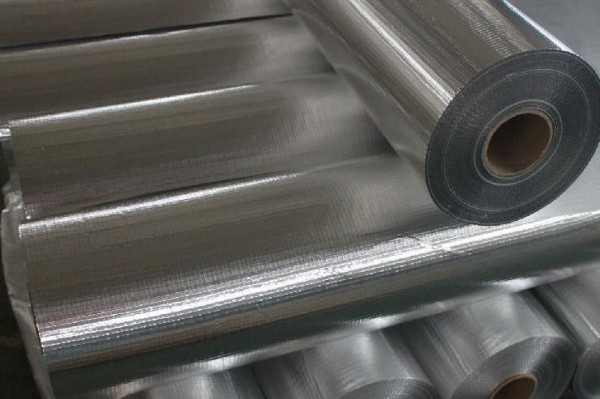
Katika tasnia ya dawa, vifungashio vya msingi hutumika kama kizuizi muhimu zaidi cha kulinda ubora wa dawa. Foil ya alumini ya dawa, hasa PTP (Bonyeza Kupitia Kifurushi) karatasi ya alumini inayotumika katika ufungaji wa malengelenge, limekuwa chaguo kuu la upakiaji wa fomu za kipimo kigumu kama vile vidonge, vidonge, na vidonge kutokana na utendaji wake bora wa kina. Sio tu mtoaji wa habari na usambazaji rahisi lakini pia nyenzo kuu ambayo hutenganisha dawa kutoka kwa unyevu., oksijeni, mwanga, na vijidudu, kuhakikisha utulivu wake, usalama, na ufanisi katika mzunguko wake wote wa maisha kutoka kwa uzalishaji hadi usimamizi wa mgonjwa.
I. Muundo Sahihi na Msingi wa Sayansi Nyenzo wa Foili ya Alumini ya PTP
Karatasi ya alumini ya PTP sio nyenzo moja lakini iliyoundwa kwa usahihi “sandwich” mfumo wa muundo wa mchanganyiko. Kila safu imechaguliwa kwa uangalifu na kuboreshwa ili kufikia ulinzi kwa usawa, uwasilishaji, na mahitaji ya utendaji.
1.1 Uchambuzi wa Kina wa Muundo wa Mchanganyiko wa Multilayer
Meza 1: Uchambuzi wa Kina wa Muundo wa Multilayer wa PTP Aluminium, Tabia za Nyenzo, na Uhusiano wa Utendaji
| Tabaka & Jina | Kazi ya Msingi | Uchambuzi wa Nyenzo na Sifa za Kawaida | Aina ya unene wa kawaida | Michakato Muhimu na Uwiano wa Utendaji |
|---|---|---|---|---|
| Tabaka la Nje (Safu ya Uchapishaji/Kinga) | Mtoa habari & Ulinzi wa Kimwili: Hutoa sehemu inayoweza kuchapishwa kwa michoro/maandishi (jina, Uainishaji, kundi no., maelekezo, nk.); inalinda muundo wa ndani kutoka kwa scratches ya mitambo na uchafuzi. | Polyester (Pet): Nguvu ya juu, utulivu bora wa dimensional, uchapishaji mzuri, upinzani bora wa joto. Chaguo la kawaida. Nylon (UNDA): Ushupavu uliotukuka, kuchomwa na upinzani wa nyufa. Inatumika katika programu zinazohitaji upinzani wa hali ya juu wa kushuka/athari. Karatasi: Inafaa kwa mazingira, isiyo wazi, muundo wa kipekee, lakini mali duni ya kizuizi, inayohitaji lamination na karatasi ya alumini ya kizuizi cha juu. |
12 µm – 25 µm | Mchakato wa Uchapishaji: Kawaida uchapishaji wa gravure, inayohitaji wino za uhamiaji wa kiwango cha chini cha dawana mshikamano mkali na upinzani wa kusugua. Inahitaji kutosha kutengenezea kukaushabaada ya uchapishaji ili kudhibiti mabaki. Matibabu ya uso: Uso wa nyenzo unahitaji matibabu ya corona au mipako ili kuimarisha wino na kujitoa kwa mipako. |
| Tabaka la Msingi (Safu ya Kizuizi cha Foil ya Alumini) | Msingi wa Kizuizi Kabisa: Hutoa kizuizi karibu-kamili dhidi ya mvuke wa maji, oksijeni, na mwanga; inapeana ugumu unaohitajika na ugumu kwa urahisi wa kusukuma. | 8011-O Aloi ya Alumini ya joto: Daraja la ulimwengu wote, inatoa uundaji bora wa kuchora kwa kina, nguvu ya usawa na kubadilika, uso mkali. 8079-O Aloi ya Alumini ya joto: Inatoa upinzani bora wa unyevu na mashimo machache kuliko 8011, mara nyingi hutumiwa kwa ufungaji wa mahitaji ya juu. |
20 µm – 40 µm | Mchakato wa Rolling: Imeviringishwa hadi unene lengwa kwa kutumia vinu vya usahihi, inayohitaji uvumilivu mkali wa unene (kwa kawaida ±5%) na safi, uso usio na mafuta. Annealing (Matibabu ya O-Temper): Hufanya kuwa laini, kuhakikisha inatengeneza malengelenge bila chemchemi au kupasuka. Udhibiti wa Pinhole: Kiashiria cha msingi cha ubora, inayohitaji ukaguzi chini ya taa maalum ili kuhakikisha hakuna mashimo yanayoathiri kizuizi. |
| Tabaka la Ndani (Joto-Seal / Adhesive Tabaka) | Kuweka muhuri & Kuunganisha: Chini ya joto na shinikizo, fuses na karatasi ya chini ya malengelenge (k.m., PVC, PVDC) ili kuunda cavity ya dawa iliyofungwa. | Kloridi ya Polyvinyl (PVC): Ya kawaida zaidi, gharama nafuu, uwazi wa juu, umbile nzuri. Inahitaji udhibiti mkali wa Vinyl Chloride Monomer (VCM) mabaki. Kloridi ya polyvinylidene (PVDC): Imewekwa kwenye PVC au substrates nyingine, hutoa unyevu bora na kizuizi cha oksijeni, ufunguo kwa “kizuizi cha juu” malengelenge. Polypropen (Pp), Polyester (Pet): Inatumika kwa madawa ya kulevya yenye matatizo ya uoanifu na PVC au inayohitaji upinzani wa juu wa joto. |
30 µm – 60 µm (maudhui imara) | Mchakato wa mipako: Adhesive ya muhuri wa joto (mara nyingi VC-VDC copolymer) hupakwa sawasawa kwenye uso wa karatasi ya alumini kupitia myeyusho au njia za kuyeyuka kwa moto. Kuponya: Hupitishwa katika tanuri ili kuyeyusha vimumunyisho au kuimarisha kuyeyuka kwa moto, kutengeneza safu ya sealant sare. Utendaji wa Muhuri wa Joto: Kiwango chake cha joto cha kuwezesha na nguvu ya kuziba joto lazima zilingane kwa usahihi na karatasi ya malengelenge, kuhakikisha ganda safi (i.e., wambiso hutenganisha kwa usafi kutoka kwa karatasi ya malengelenge bila mabaki kuchafua dawa). |
1.2 Teknolojia ya Mchakato wa Mchanganyiko
Tabaka zimeunganishwa kupitia lamination kavuau lamination ya extrusiontaratibu. Mchakato wa lamination unahitaji adhesives ya daraja la dawa, kuhakikisha hakuna Bubbles, makunyanzi, na nguvu sare peel. Nyenzo za laminated hupitia kuponyakuruhusu wambiso kuweka kikamilifu, kufikia utendaji wa mwisho.

II. Matrix ya Viainisho vya Kiufundi vya Msingi na Usimbaji wa Utendaji
Utendaji wa Karatasi ya alumini ya PTP lazima ifafanuliwe na kudhibitiwa kupitia safu ya viashiria vikali vya upimaji. Matrix ifuatayo inaunganisha kimwili, kizuizi, usalama, na mali ya usindikaji.
Meza 2: Maelezo ya Kiufundi ya PTP ya Alumini ya Foil na Matrix ya Udhibiti wa Ubora
| Kipimo cha Utendaji | Kiashiria Maalum | Mahitaji ya Kawaida (Thamani ya kawaida) | Marejeleo ya Kawaida ya Jaribio | Umuhimu & Athari kwa Usalama wa Dawa |
|---|---|---|---|---|
| Kimwili & Sifa za Mitambo | Nguvu ya Mkazo (MD/TD) | ≥ 60 MPa | GB/T. 1040.3, ASTM D882 | Inaonyesha upinzani wa nyenzo kwa kuvunja chini ya mvutano. Huathiri uthabiti wa wavuti na kiwango cha kuharibika kwenye mashine za upakiaji za kasi ya juu. Upungufu wa nguvu husababisha mapumziko ya wavuti na wakati wa kupumzika. |
| Kuinua wakati wa Mapumziko | ≥ 2% | GB/T. 1040.3, ASTM D882 | Huakisi kunyumbulika na udugu wa nyenzo. Urefu wa kutosha huhakikisha kwamba foil inaenea vizuri wakati wa kutengeneza malengelenge bila kupasuka. | |
| Nguvu ya Muhuri wa Joto (kwa karatasi ya PVC) | ≥ 7.0 N/15mm | NBB 00122002 | Kiashiria Muhimu. Hupima uadilifu muhuri. Kupungua sana husababisha kuvuja na uharibifu wa madawa ya kulevya; juu sana hufanya ufikiaji wa mgonjwa kuwa mgumu. | |
| Nguvu ya peel (Interlayer) | ≥ 1.0 N/15mm | GB 8808 | Hupima nguvu ya kuunganisha kati ya foil, safu ya kuchapisha, na safu ya sealant. Nguvu ya chini ya peel husababisha delamination, kuhatarisha uadilifu wa kifurushi. | |
| Vizuizi Mali | Kiwango cha Usambazaji wa Mvuke wa Maji (Wvtr) | ≤ 0.5 g/(m² · 24h) | NBB 00092003 (38℃±0.5℃, 90%±2% RH) | Kiashiria cha Msingi. Huamua ulinzi wa unyevu. Muhimu kwa ajili ya madawa ya kulevya nyeti unyevu (k.m., aspirini, baadhi ya antibiotics). |
| Kiwango cha maambukizi ya oksijeni (Otr) | ≤ 0.5 cm³/(m² · 24h · 0.1MPa) | NBB 00082003 (23℃±1℃, 0% Rh) | Kiashiria cha Msingi. Huamua ulinzi wa oxidation. Muhimu kwa dawa zinazoweza kuhisi oksijeni (k.m., Vitamini, nitroglycerin, baadhi ya uundaji wa msingi wa lipid). | |
| Kiwango cha Kizuizi cha Mwanga wa UV | ≥ 99.5% | Maalum au rejelea majaribio ya kuzeeka mepesi | Hulinda dawa zisizo na mwanga (k.m., nifedipine, Vitamini B2) kutoka kwa uharibifu wa picha. Foil yenyewe ni kizuizi bora cha mwanga, lakini uchapishaji wa uchapishaji lazima ukamilike. | |
| Usalama & Sifa za Usafi | Jumla ya Mabaki ya Viyeyusho | ≤ 5.0 mg/m² | NBB 00312004 | Mabaki kutoka kwa vimumunyisho vya uchapishaji / wambiso (acetate ya ethyl, toluini, isopropanoli, nk.). Kuzidisha mipaka kunahatarisha uchafuzi wa dawa, harufu, na sumu. |
| Mabaki ya Viyeyusho vya Kunukia | Haijagunduliwa | NBB 00312004 | Benzene, toluini, nk., ni kansa zenye nguvu na lazima zisiwepo kabisa. | |
| Maudhui ya Metali Nzito (Pb) | ≤ 5 mg/kg | NBB 00172004 | Udhibiti mkali wa risasi, Cadmium, uhamiaji wa zebaki ili kuzuia sumu sugu ya mkusanyiko. | |
| Mipaka ya Microbial | Jumla ya Hesabu ya Aerobic Microbial ≤ 100 CFU/g, Jumla ya Chachu/Moulds zilizochanganywa ≤ 100 CFU/g; Kutokuwepo kwa E. coli, S. aureus, P. aeruginosa, Salmonella | Sura za Jumla za ChP 1105, 1106 | Nyenzo za kuwasiliana na dawa lazima zikidhi mahitaji ya udhibiti wa vijidudu, hasa kwa bidhaa zisizo tasa. | |
| Sumu isiyo ya kawaida | Hakuna Mwitikio Usio wa Kawaida wa Sumu | Sura ya Jumla ya ChP 1141 | Mtihani wa utangamano wa kibayolojia unaohakikisha dondoo za nyenzo hazisababishi sumu katika mifumo ya kibaolojia. | |
| Usindikaji & Sifa za Matumizi | Mvutano wa Kulowesha kwenye uso | ≥ 38 mN/m (dynes/cm) | GB/T. 14216 | Msingi wa wino mzuri na kujitoa kwa mipako. Mvutano wa chini husababisha uchapishaji mbaya na delamination ya mipako. |
| Joto la Uanzishaji wa Tabaka la Muhuri wa Joto. Anuwai | k.m., 130℃ – 150℃ | Kawaida (kipimo kupitia sealer ya joto) | Huongoza mpangilio wa halijoto kwenye kidhibiti cha mashine ya ufungaji. Masafa mapana hutoa ubadilikaji bora wa mchakato. | |
| Nguvu ya Kupasuka (Kusukuma-kupitia Nguvu) | Wastani, lazima ilingane na ugumu wa kibao | Kupitia jaribio la kusukuma kwa malengelenge lililoiga | Nguvu inapaswa kuruhusu ufikiaji rahisi wa watu wazima lakini pinga kufunguliwa kwa watoto, kusawazisha urahisi na usalama. |
III. Mkakati Ulioboreshwa wa Uteuzi na Matukio Kamili ya Utumaji
Kuchagua karatasi ya alumini ya PTP ni mchakato wa utaratibu unaohitaji kuzingatia sifa za madawa ya kulevya, mahitaji ya udhibiti, nafasi ya soko, utangamano wa vifaa, na gharama.
Meza 3: Mwongozo wa Uamuzi wa Uchaguzi wa Foili ya Alumini iliyosafishwa ya PTP na Mwongozo wa Scenario ya Maombi
| Kipimo cha Uteuzi | Aina ya Chaguo | Muundo wa Kawaida & Tabia | Mazingatio Muhimu | Maombi ya Kawaida ya Dawa |
|---|---|---|---|---|
| Kulingana na Mahitaji ya Uthabiti wa Dawa | Kizuizi cha Unyevu wa Kawaida | Pet / 25µm Al foil / Kifuniko cha PVC | Hukutana na ulinzi wa msingi wa unyevu kwa dozi nyingi thabiti. Gharama nafuu, umbile nzuri. | Vidonge/vidonge vyenye kustahimili unyevu wa wastani. |
| Kizuizi cha Juu | Pet / 40µm Al foil / Mipako ya PVDC / Sealant maalum | Unyevu bora & kizuizi cha oksijeni (WVTR inaweza kuwa <0.1). Inapendekezwa kwa hali ya juu, dawa nyeti. | Inakabiliwa na unyevu (k.m., aspirini yenye nguvu), dawa zinazokabiliwa na oxidation (Vitamini E, laini za mafuta ya samaki), madawa ya kulevya yenye thamani ya juu. | |
| Inayostahimili Nuru | Paneli kamili imechapishwaPET au Al foil/PVC | Kamilisha kizuizi cha mwanga kupitia uchapishaji wa paneli kamili (mara nyingi rangi nyeusi) au nyenzo zenye mchanganyiko wa kuzuia mwanga. | Dawa zote zinazoathiri picha: nifedipine, furosemide, mecobalamin, Vitamini B2, nk. | |
| Kulingana na Usalama wa Dawa & Urahisi | Ufungaji Usiostahimili Mtoto (CRP) | Pet / Al foil / Sealant yenye nguvu ya juu | Nguvu ya muhuri ya joto ya juu sana, inayohitaji nguvu kubwa au mbinu maalum (k.m., kubomoa kutoka kwa alama) kufungua. | Dawa zote za OTC, hasa madawa ya kulevya kama pipi, msingi wa kaya (baridi/mafua, vipunguza homa). |
| Ufungaji-Rafiki kwa Wazee | Tofauti na CRP, inayoangazia rahisi kufunguakubuni (k.m., kabla ya kukata notch), fonti kubwa, rangi za tofauti za juu. | Hurahisisha utambuzi na ufikiaji kwa wazee wenye upungufu wa kuona au nguvu za mikono. | Dawa za kawaida za muda mrefu kwa wazee (dawa za kupunguza shinikizo la damu, antidiabetics). | |
| Kulingana na Fomu ya Kipimo & Mchakato | Foil ya kutengeneza baridi | Al foil / Safu maalum ya mchanganyiko wa polima (PVC bila malipo) | Hutengeneza malengelenge kwenye joto la kawaida chini ya shinikizo la juu, kuepuka athari ya joto kwenye madawa ya kulevya, inaruhusu michoro ya kina zaidi. | Inakabiliwa na joto mishumaa, vidonge vya uke, vidonge laini, baadhi ya riwaya za biolojia. |
| Daraja la Hali ya Hewa ya Tropiki | Pet / Nene au usafi wa juu wa Al foil / Sealant iliyoimarishwa | Huhifadhi kizuizi bora na nguvu ya muhuri chini ya joto/unyevunyevu mwingi (k.m., 40°C/75%RH). | Madawa ya kulevya kuuzwa katika mikoa ya kitropiki (SE Asia, Afrika, Amerika Kusini). | |
| Kwa kuzingatia Kanuni & Mahitaji ya Soko | USP/EP Inayozingatia | Hutumia malighafi/visaidizi vinavyozingatia famasia husika, na nyaraka kamili (DMF, CEP, Taarifa za TSE/BSE). | Lazima kwa dawa zinazouzwa katika masoko yaliyodhibitiwa (Sisi, Eu, Japan, nk.). | Dawa zote zilizokusudiwa kwa soko zilizodhibitiwa. |
| Endelevu/Eco-friendly | Hutumia safu ya Al iliyopunguzwa (k.m., 20µm), muundo unaoweza kutumika tena, au inachunguza mipako yenye msingi wa kibiolojia/ inayoweza kuharibika (R&D). | Hushughulikia mitindo ya kijani kibichi, hukutana na malengo ya kampuni ya ESG, inaweza kuambatana na kanuni kama vile Mpango wa Kijani wa EU. | Bidhaa kutoka kwa makampuni yenye eco-branding yenye nguvu. |
Iv. Udhibiti Kamili wa Ubora wa Mzunguko wa Maisha, Mazoezi ya Maombi, na Mtazamo wa Baadaye
4.1 Udhibiti Kamili wa Ubora wa Mzunguko wa Maisha na Mazoezi ya Maombi
- Mnyororo wa usambazaji & Ghala: Chagua wasambazaji na Leseni za Uzalishaji wa Nyenzo za Ufungaji wa Dawa (k.m., Usajili wa Kichina号), kuthibitishwa kwa ISO 15378. QC inayoingia lazima ijaribu kikamilifu nguvu ya kuziba joto, mali ya kizuizi, mabaki ya kutengenezea, na mipaka ya microbial. Rolls inapaswa kuhifadhiwa wimakatika safi, Joto (15-25°C) na unyevunyevu (45-65% Rh) ghala linalodhibitiwa. Hali katika chumba cha ufungaji >24h kabla ya matumizi.
- Mpangilio wa Mashine & Udhibiti wa Mchakato: Hakikisha vipimo vya roll (Upana, kitambulisho cha msingi, upeo wa OD) zinaendana na mashine ya malengelenge. Boresha na uthibitishe joto la muhuri, shinikizo, na wakativigezo. Tumia ukaguzi wa maono mtandaoni na ufanye sampuli za kawaida nje ya mtandao.
- Kutatua Kasoro za Kawaida: Kwa “muhuri mbaya,” angalia vigezo vya mchakato na mipako ya nyenzo; kwa “msukumo mgumu,” rekebisha ugumu wa foil/hasira au muundo wa zana; kwa “kasoro za uchapishaji,” thibitisha mvutano wa uso; kwa “mabaki ya juu ya kutengenezea,” optimize kukausha na kuponya.
- Uzingatiaji wa Udhibiti: Nchini China, lazima kupata usajili wa NMPA na kuzingatia viwango vya YBB. Bidhaa zinazouza nje lazima zikidhi mahitaji ya soko lengwa (USP, EP, nk.) na nyaraka tayari za kiufundi (k.m., DMF, CEP).
4.2 Mitindo ya Ubunifu na Mtazamo wa Baadaye
- Ufungaji Mahiri & Ufuatiliaji: “Smart foil” kuunganishwa na RFID, Misimbo ya QR huwezesha ufuatiliaji wa wimbo kamili, Kupinga-counterfeting, na usimamizi wa uzingatiaji wa mgonjwa.
- Mipako ya Kazi: R&D inazingatia mipako yenye vikwazo vya juu (k.m., SiOx), mali ya antimicrobial, au Viashiria vya Joto la Wakati (TTI).
- Kijani & Endelevu: Upimaji wa foil (tabaka nyembamba) ndio njia kuu ya kupunguza chanzo. Kuendeleza mono-nyenzo, miundo inayoweza kutumika tena kwa urahisi na viambatisho vinavyotegemea kibaiolojia/vitungizi ni muhimu katika kushughulikia changamoto za kimazingira.
- Ubinafsishaji & Kubadilika: Kuongezeka kwa mahitaji ya uchapishaji wa muda mfupina minyororo ya ugavi inayoweza kubadilika ili kuzoea bechi ndogo, mitindo anuwai ya dawa za kibinafsi.
V. Vitendo Q&A: Mazingatio Muhimu katika Uchaguzi na Matumizi ya Foili ya PTP
Q1: Je, nitabainisha vipi kiashirio muhimu zaidi cha utendaji kwa bidhaa yangu?
A:Kipaumbele kinategemea njia kuu ya uharibifu wa dawa.. Sharti kali zaidi kati ya miongozo hii ya uteuzi wa msingi. Kwa mfano, dawa ya hygroscopic na photosensitive ingeweka kipaumbele muundo wa kizuizi cha juu (Al/PVDC nzito) na uchapishaji wa paneli kamili.
Q2: Tunakumbana na ubora wa muhuri usiolingana kwenye laini ya kifungashio. Ni sababu gani za kawaida?
A:Ufungaji usio thabiti kwa kawaida hutokana na maeneo matatu: 1) Nyenzo:Uzito wa mipako isiyolingana au matibabu ya uso wa safu ya muhuri ya joto ya foil. 2) Mchakato:Halijoto ya kuziba isiyo imara au isiyo sahihi, shinikizo, au kukaa muda kwenye mashine. 3) Karatasi ya malengelenge:Tofauti katika ubora au upakaji wa karatasi ya PVC/PVDC. Anza utatuzi kwa kuthibitisha nguvu ya muhuri wa joto na usawa wa kupaka wa karatasi ya PTP inayoingia na malengelenge kupitia vipimo vya kawaida.. Kisha, rekebisha kwa uangalifu na uthibitishe vigezo vya kuziba vya mashine, kuhakikisha sahani za joto ni safi, sambamba, na kutumia shinikizo hata.
Q3: Ni tofauti gani kuu kati ya 8011 na 8079 karatasi za aloi, na nimchague yupi?
A:Zote ni aloi za O-hasira kwa uundaji bora. Tofauti kuu iko katika muundo na utendaji: 8079 aloiina kiwango cha juu kidogo cha chuma na silicon, ambayo kwa kawaida husababisha mashimo machache na madogona kwa kiasi mali bora ya kuzuia unyevuikilinganishwa na 8011. Kwa maombi ya kawaida, 8011 ni ya gharama nafuu na hufanya kazi vyema. Kwa madawa ya kulevya yenye unyevu sana, dawa zinazohitaji maisha ya rafu ndefu sana, au programu ambapo uadilifu kamili wa kizuizi ni muhimu, 8079 ni chaguo linalopendekezwa licha ya gharama ya juu kidogo. Eco alum Co., Ltd.hutoa hifadhidata za kina za kiufundi kwa aloi zote mbili kusaidia katika uamuzi wako.
Q4: Tunawezaje kufikia ukinzani wa watoto bila kuathiri ufikiaji kwa wagonjwa wazee?
A:Hii ni changamoto kuu ya kubuni. Suluhisho mara nyingi liko katika a kipengele cha ufunguzi wa modal nyingipamoja na sayansi ya nyenzo. Njia moja ya ufanisi ni kutumia foil na a maalum sana, safu ya juu ya joto-muhuriambayo hufanya kusukuma kwa malengelenge kuwa ngumu. Kifurushi basi kimeundwa na a kabla ya kukata machozi notchkwenye makali ya nje ya foil. Kufungua kunahitaji mchakato wa hatua mbili: 1) kutafuta na kuchubua nyuma ya ncha ya machozi, 2) kisha kusukuma kibao kupitia muhuri uliodhoofika sasa. Kitendo hiki kinahitaji kiwango cha uwezo wa utambuzi na ustadi ambao kwa kawaida watoto wadogo hukosa, lakini inaweza kudhibitiwa kwa watu wazima na wazee wengi. Muundo wa muhuri wa foil ni muhimu ili kuwezesha peel safi kwenye notch huku ikidumisha nguvu mahali pengine..
Q5: Tunapanga kusafirisha kwa EU na Marekani. Ni nyaraka gani mahususi tunapaswa kuomba kutoka kwa msambazaji wetu wa foili?
A:Kwa masoko yaliyodhibitiwa, mtoaji wako lazima atoe maelezo kamili nyaraka za usaidizi wa udhibiti. Hili haliwezi kujadiliwa. Nyaraka muhimu ni pamoja na:
- Vyeti vya Kuzingatia:Taarifa za kufuata viwango vya pharmacopoeial husika (USP <671>, EP 3.1.11, JP).
- Faili Kuu ya Dawa (DMF) au CEP:DMF (kwa FDA ya Marekani) au Cheti cha Kufaa (CEP, kwa EDQM) kwa nyenzo za ufungaji, ambayo inaelezea muundo wake, Viwanda, na udhibiti wa mapitio ya udhibiti.
- Taarifa ya TSE/BSE:Tamko lililotiwa saini kuthibitisha nyenzo hiyo haina nyenzo zinazotokana na wanyama au kwamba nyenzo zozote kama hizo zimetoka kwa vyanzo visivyo na TSE/BSE..
- Tabia Kamili ya Kemikali & Data ya Uhamiaji: Data ya kina juu ya utunzi na vitu vinavyoweza kutolewa/vinavyoweza kutolewa chini ya masharti maalum.
- ISO 15378 Cheti:Uthibitisho wa mfumo wa usimamizi wa ubora maalum kwa vifaa vya msingi vya ufungaji vya dawa.
Wasambazaji kama Eco alum Co., Ltd. kwa kawaida hati hizi zinapatikana kwa urahisi kwa laini zao za bidhaa zinazotii, kuwezesha mchakato wako wa uwasilishaji wa udhibiti.
Hitimisho: Kulinda Afya ya Ulimwenguni kwa kutumia Sayansi ya Nyenzo ya Kitaalam
Karatasi ya alumini ya PTP, nyenzo hii ya kompakt, hujumuisha kiini cha sayansi ya nyenzo, uhandisi wa usahihi, teknolojia ya uchapishaji, na kanuni za dawa. Uteuzi na matumizi yake huenda mbali zaidi ya hesabu ya gharama; ni uamuzi wa kimkakati unaoathiri uwezo wa dawa, uaminifu wa mgonjwa, na sifa ya chapa. Kutoka kwa ulinzi wa msingi wa unyevu hadi muundo unaostahimili watoto, na masuluhisho mahiri na ya kijani yanayotazamia mbele, kila uteuzi sahihi ni ahadi ya dhati kwa ubora wa dawa na usalama wa dawa.
Kuhusu Eco Alum Co., Ltd.
Kama muuzaji anayeongoza ulimwenguni wa suluhisho za ubora wa juu za ufungaji wa alumini kwa dawa, Eco alum Co., Ltd. anaelewa kwa kina uzito wa ahadi hii. Hatutoi tu safu kamili ya karatasi za alumini za PTP zinazoendana na maduka makubwa ya dawa ya kimataifa. (NBB, USP, EP), lakini pia tunajitahidi kuwa mshirika anayeaminika kwa makampuni ya dawa.
Nguvu zetu kuu ziko ndani:
- Mtaalamu R&Jukwaa la D: Uwekezaji endelevu katika R&D kwa mipako ya kizuizi cha juu, nyenzo endelevu, na violesura mahiri vya ufungashaji, kutoa suluhisho zenye mwelekeo wa siku zijazo.
- Ubora katika Utengenezaji: Laini za uzalishaji otomatiki kikamilifu na SPC kali katika mchakato (Udhibiti wa Mchakato wa Takwimu) hakikisha uthabiti na uthabiti batch-to-betch kutoka ingot ya alumini hadi bidhaa iliyokamilishwa.
- Usaidizi Kamili wa Kiufundi: Tunatoa huduma za kitaalamu katika kipindi chote cha maisha ya bidhaa—kutoka kwa ushauri wa kuchagua nyenzo wakati wa kubuni kifurushi, kuchakata uboreshaji wa vigezo kwenye mstari wa uzalishaji, kwa majibu ya haraka na utatuzi wa masuala ya ubora.
- Uhakikisho wa Uzingatiaji Ulimwenguni: Tuna hati kamili za usaidizi wa udhibiti (k.m., DMFs) kusaidia wateja katika kuabiri mahitaji ya udhibiti wa masoko makubwa ya kimataifa ya dawa, kurahisisha upatikanaji wa soko lao duniani kote.
Kuchagua Eco Alum sio tu kuchagua nyenzo; ni kuchagua kujitolea kwa pamoja kwa ubora, usalama, na uvumbuzi. Hebu tushirikiane, kutumia sayansi ya hali ya juu ili kulinda kila kompyuta kibao na kapsuli, kwa pamoja kulinda mustakabali wa afya ya binadamu.