
ปัญหาและการปรับปรุงกระบวนการความเปราะบางของการเคลือบในอลูมิเนียมฟอยล์ทางเภสัชกรรม
อลูมิเนียมฟอยล์ทางเภสัชกรรมเป็นวัสดุสำคัญในบรรจุภัณฑ์ยา, ใช้กันอย่างแพร่หลายในบรรจุภัณฑ์พุพองสำหรับรูปแบบยาที่เป็นของแข็งและการปิดผนึกภาชนะสำหรับแช่เนื่องจากมีคุณสมบัติเป็นอุปสรรคที่ดีเยี่ยม, ประสิทธิภาพการปิดผนึก, และความปลอดภัย. คุณภาพของสารเคลือบส่งผลโดยตรงต่อความเสถียรในการเก็บรักษา, ความปลอดภัยในการใช้งาน, และการปฏิบัติตามข้อกำหนดบรรจุภัณฑ์ยา. เคลือบความเปราะบาง, หนึ่งในข้อบกพร่องด้านคุณภาพที่พบบ่อยที่สุดในการผลิตและการใช้อลูมิเนียมฟอยล์ทางเภสัชกรรม, ไม่เพียงแต่จะกระทบต่อประสิทธิภาพของสิ่งกีดขวางเท่านั้น, นำไปสู่การดูดซับความชื้น, ออกซิเดชัน, และการปนเปื้อนของยา, แต่อาจก่อให้เกิดอันตรายด้านความปลอดภัยเนื่องจากการหลุดของเศษเคลือบ.

1. การระบุลักษณะปัญหาและอันตรายจากความเปราะบางของการเคลือบ
1.1 รูปแบบของความเปราะบาง
ความเปราะบางมักปรากฏเป็นรอยแตก, การปลด, หรือการลงสีฝุ่นในขั้นตอนต่างๆ, ซึ่งสามารถแบ่งได้เป็นสามประเภท:
1.1.1 ความเปราะบางในระหว่างการผลิต
รอยแตกบนพื้นผิวจะปรากฏขึ้นทันทีหลังจากการเคลือบและการบ่ม, หรือความเปราะบางเกิดขึ้นที่ขอบระหว่างการตัดหรือม้วนเนื่องจากแรงดึง.
1.1.2 ความเปราะบางระหว่างการจัดเก็บและการขนส่ง
ความเปราะบางเกิดขึ้นเนื่องจากความผันผวนของอุณหภูมิและความชื้นหรือแรงกดดันภายนอก, อาจมาพร้อมกับความเสียหายของวัสดุพิมพ์.
1.1.3 ความเปราะบางระหว่างการใช้งาน
สารเคลือบหลุดออกได้ง่าย, ผง, หรือแม้กระทั่งการฉีกขาดเป็นแผ่นในระหว่างการเจาะตุ่มหรือการเปิดผู้ป่วย.
ตามกฎทั่วไป 4055 ของ ตำรับยาจีน2025 ฉบับ, ความเปราะบางส่งผลโดยตรงต่อความต้านการระเบิดซึ่งต่ำกว่าข้อกำหนดมาตรฐาน (≥98กิโลปาสคาล). ตัวอย่างที่เปราะมักมีจุดแข็งในการระเบิดด้านล่าง 60 ปาสคาล, ในขณะที่อัตราการส่งผ่านไอน้ำและออกซิเจนมีแนวโน้มที่จะเกินขีดจำกัด, ทำลายการคุ้มครองยาเสพติด.
โต๊ะ 1: ลักษณะหลักและผลกระทบของความเปราะบางของการเคลือบในอลูมิเนียมฟอยล์ทางเภสัชกรรม
| ขั้นตอนของความเปราะบาง | ลักษณะทั่วไป | ตัวชี้วัดผลกระทบที่สำคัญ | ผลที่ตามมาที่อาจเกิดขึ้น |
|---|---|---|---|
| กระบวนการผลิต | รอยแตกของพื้นผิวหลังการเคลือบ; ความเปราะบางของขอบระหว่างการตัด/ม้วน | ระเบิดความแรง, การยึดเกาะของการเคลือบ | การสร้างเศษเหล็กทันที, ต้นทุนการผลิตที่เพิ่มขึ้น |
| พื้นที่จัดเก็บ & การขนส่ง | การแยกชั้น, รอยแตก, การปลดประจำการ | อัตราการส่งผ่านไอน้ำ, อัตราการส่งออกซิเจน | การสูญเสียคุณสมบัติของสิ่งกีดขวาง, ทำให้เกิดการดูดซับความชื้นและการเกิดออกซิเดชัน |
| ขั้นตอนการใช้งาน | การทาแป้งระหว่างการเจาะ, ฉีกขาดระหว่างการเปิด | รูปร่าง, ความสมบูรณ์ของการเคลือบ | ความเสี่ยงจากการนำสิ่งแปลกปลอมเข้ามา, ส่งผลต่อความปลอดภัยของยาและประสบการณ์ผู้ใช้ |
| ผลกระทบทั่วไป | การเคลือบที่ไม่สมบูรณ์, ข้อบกพร่องที่มองเห็นได้หรือด้วยกล้องจุลทรรศน์ | ระเบิดความแรง (บ่อยครั้ง <60 ปาสคาล), ประสิทธิภาพของสิ่งกีดขวาง | การไม่ปฏิบัติตาม ตำรับยาจีนมาตรฐาน, ก่อให้เกิดความเสี่ยงด้านกฎระเบียบ |
1.2 อันตรายหลักของความเปราะบาง
1.2.1 ความเสี่ยงด้านความปลอดภัยของยา
เศษเคลือบอาจปนเปื้อนยาได้; คุณสมบัติกั้นที่ลดลงสามารถนำไปสู่การดูดซับความชื้น, ออกซิเดชัน, และการย่อยสลาย, โดยเฉพาะอย่างยิ่งส่งผลต่อยาที่ไวต่อแสงและดูดความชื้น. การศึกษาแสดงให้เห็นว่าบรรจุภัณฑ์ที่มีข้อบกพร่องเปราะสามารถเพิ่มปริมาณความชื้นของยาได้โดยเฉลี่ย 2.3% หลังจาก 6 การทดสอบแบบเร่งรัดเป็นเวลาหลายเดือน (40°C/75% ความชื้น), เกินมาตรฐานเภสัชกรรม.
1.2.2 ความเสี่ยงด้านการปฏิบัติตามกฎระเบียบและคุณภาพ
ความเปราะบางของการเคลือบถือเป็นข้อบกพร่องด้านคุณภาพขั้นรุนแรงที่ไม่เป็นไปตามมาตรฐานเช่น ตำรับยาจีนและ อลูมิเนียมฟอยล์ยา(YBB00152002-2015), อาจส่งผลให้การลงทะเบียนผลิตภัณฑ์ล้มเหลว, การตรวจสอบ GMP ไม่เป็นไปตามข้อกำหนด, การเรียกคืนผลิตภัณฑ์, และบทลงโทษทางปกครอง. ตั้งแต่การนำระบบการตรวจสอบที่เกี่ยวข้องไปใช้, ประมาณ 18% ของผู้ผลิตอลูมิเนียมฟอยล์ถูกยกเลิกเนื่องจากปัญหาคุณภาพการเคลือบ.
1.2.3 ความเสี่ยงทางเศรษฐกิจและแบรนด์
อัตราเศษที่เพิ่มขึ้นทำให้ต้นทุนการผลิตเพิ่มขึ้น; ปัญหาด้านคุณภาพทำลายชื่อเสียงขององค์กรและความสัมพันธ์กับลูกค้า. ภายใต้แรงกดดันของกลไกการจัดซื้อจัดจ้างที่เป็นมิตรต่อสิ่งแวดล้อม, บริษัทที่มีคุณภาพต่ำต้องเผชิญกับการถูกละเลยในตลาด.

2. วิเคราะห์สาเหตุความเปราะของสารเคลือบ
สาเหตุของความเปราะบางเกี่ยวข้องกับหลายปัจจัย, รวมถึงวัตถุดิบ, กระบวนการ, การปรับสภาพ, และสภาพแวดล้อม, ซึ่งทั้งหมดนี้มีความสัมพันธ์กัน.
โต๊ะ 2: การวิเคราะห์สาเหตุหลักของความเปราะบางของการเคลือบในฟอยล์อะลูมิเนียมทางเภสัชกรรม
| หมวดสาเหตุ | ปัจจัยเฉพาะ | กลไกการออกฤทธิ์ | อาการทั่วไปหรือพารามิเตอร์ที่ไม่ดี |
|---|---|---|---|
| ความเข้ากันได้ของวัตถุดิบไม่เพียงพอ | 1. ข้อบกพร่องด้านคุณภาพของพื้นผิว | การเคลือบไม่สม่ำเสมอ, ความเข้มข้นของความเครียด; การยึดเกาะที่ไม่ดี | ความบริสุทธิ์ต่ำ, ความทนทานต่อความหนา >±2μm, การปนเปื้อนพื้นผิว |
| 2. การเลือกเรซินที่ไม่เหมาะสม | ความยืดหยุ่นในการเคลือบไม่ดี, ความเปราะบางสูง | อุณหภูมิการเปลี่ยนสถานะคล้ายแก้วสูง (>50องศาเซลเซียส), การกระจายน้ำหนักโมเลกุลในวงกว้าง | |
| 3. การใช้สารเติมแต่งที่ไม่เหมาะสม | ความเครียดภายในเพิ่มขึ้น, ความเข้ากันได้ไม่ดี | อัตราส่วนพลาสติไซเซอร์ที่ไม่เหมาะสม, มีตัวทำละลายตกค้างสูง | |
| กระบวนการผลิตที่ไม่สมเหตุสมผล | 1. การเบี่ยงเบนพารามิเตอร์การเคลือบ | ความหนาของชั้นเคลือบไม่สม่ำเสมอ, การสร้างความเครียดภายใน | ความเร็วมากเกินไป, ส่วนเบี่ยงเบนความหนา >±3% |
| 2. การควบคุมกระบวนการบ่มไม่ดี | ความหนาแน่นของการเชื่อมขวางที่ไม่เหมาะสม, ความแข็งแรงเปราะมากเกินไปหรือไม่เพียงพอ | อุณหภูมิ/เวลาไม่ถูกต้อง, การสัมผัสรังสียูวีที่ไม่สม่ำเสมอ | |
| 3. การตัดและม้วนที่ไม่เหมาะสม | ความเค้นที่ขอบหรือความเค้นแรงดึงต่อเนื่อง | ความตึงเครียดมากเกินไป, ความเร็วในการตัดมากเกินไป | |
| การปรับสภาพพื้นผิวไม่เพียงพอ | ความสะอาดและความหยาบไม่ดี | การยึดเกาะของการเคลือบอ่อนแอ, มีแนวโน้มที่จะหลุดร่อน | เช็ดง่ายๆเท่านั้น, พลังงานพื้นผิว <35 มิลลินิวตัน/เมตร |
| ปัจจัยด้านสิ่งแวดล้อม | ความผันผวนของอุณหภูมิ/ความชื้นที่รุนแรง หรือความสะอาดไม่ดี | ความเครียดจากความร้อน, การบ่มไม่ดี, การแนะนำสิ่งเจือปน | อุณหภูมิ <15องศาเซลเซียส, ความชื้น >80%, การปนเปื้อนของฝุ่น |
2.1 ความเข้ากันได้ของวัตถุดิบไม่เพียงพอ
2.1.1 ข้อบกพร่องของพื้นผิวอลูมิเนียมฟอยล์
พื้นผิว (เช่น., 8011, 8021 โลหะผสม) มีความบริสุทธิ์ต่ำ, สิ่งเจือปนสูง, ความเรียบไม่ดี, หรือความทนทานต่อความหนามากเกินไป (>±2 ไมโครเมตร) สามารถนำไปสู่การเคลือบที่ไม่สม่ำเสมอและความเข้มข้นของความเครียด. คราบน้ำมันที่พื้นผิวหรือชั้นออกไซด์ที่หนาเกินไปยังลดการยึดเกาะของสารเคลือบอีกด้วย.
2.1.2 การเลือกเรซินเคลือบที่ไม่เหมาะสม
เรซินทั่วไป (เช่น., อะคริลิค, ยูรีเทน, อีวา) มีความยืดหยุ่นต่ำ, อุณหภูมิการเปลี่ยนสถานะคล้ายแก้วสูงเกินไป (เช่น., >50องศาเซลเซียส), หรือการกระจายน้ำหนักโมเลกุลในวงกว้างอาจส่งผลให้มีความเปราะบางสูงหลังการบ่ม. ความผันผวนของดัชนีการไหลหลอมของเรซินซีลความร้อนที่เกิน ±15% ยังเพิ่มความเสี่ยงต่อการเปราะอีกด้วย.
2.1.3 การใช้สารเติมแต่งที่ไม่เหมาะสม
พลาสติไซเซอร์ในปริมาณที่ไม่เหมาะสม, ความเข้ากันได้ไม่ดีระหว่างสารเติมแต่งและเรซิน, และตัวทำละลายตกค้างสูงอาจส่งผลต่อการยึดเกาะและความยืดหยุ่นของสารเคลือบ, นำไปสู่การแตกร้าว.
2.2 พารามิเตอร์กระบวนการผลิตที่ไม่สมเหตุสมผล
2.2.1 การเบี่ยงเบนพารามิเตอร์การเคลือบ
การควบคุมความเร็วการเคลือบไม่เหมาะสม, ความหนา, หรือแรงกดของหมอเบลดอาจส่งผลให้ความหนาของชั้นเคลือบไม่สม่ำเสมอ (ส่วนเบี่ยงเบน >±3%). การเคลือบที่มีความหนามากเกินไปมีแนวโน้มที่จะเกิดความเครียดภายในเนื่องจากการหดตัวที่ไม่สอดคล้องกัน, ในขณะที่การเคลือบบางเกินไปไม่สามารถสร้างชั้นป้องกันที่สมบูรณ์ได้.
2.2.2 การควบคุมกระบวนการบ่มที่ไม่ดี
อุณหภูมิที่สูงเกินไปหรือใช้เวลานานในการบ่มด้วยลมร้อนอาจทำให้การเคลือบเชื่อมขวางมากเกินไป, ทำให้มันเปราะ; อุณหภูมิหรือเวลาที่ไม่เพียงพอทำให้เกิดการบ่มที่ไม่สมบูรณ์และความแข็งแรงต่ำ. ความเข้มของรังสียูวีหรือเวลาในการสัมผัสที่ไม่เหมาะสมอาจทำให้เกิดการบ่มที่ไม่สม่ำเสมอหรือเกิดความร้อนสูงเกินไปเฉพาะที่.
2.2.3 การตัดและม้วนที่ไม่เหมาะสม
ความเร็วหรือแรงดึงในการตัดที่มากเกินไปอาจทำให้ขอบแตกร้าวได้; ความตึงที่คดเคี้ยวมากเกินไปจะทำให้สารเคลือบอยู่ภายใต้ความเค้นดึงอย่างต่อเนื่อง, ทำให้เกิดความเปราะบางระหว่างการเก็บรักษา.
2.3 การปรับสภาพพื้นผิวไม่เพียงพอ
ความสะอาดและความหยาบของพื้นผิวที่ไม่ดีส่งผลต่อการยึดเกาะของสารเคลือบอย่างมาก. การทำความสะอาดผิวเผินโดยไม่ต้องล้างไขมันด้วยสารเคมีหรือออกซิเดชันเคมีไฟฟ้าจะทิ้งคราบน้ำมันและฝุ่นไว้, การยึดเกาะของสารเคลือบลดลง. ความหยาบผิวไม่เพียงพอ (พลังงานพื้นผิว <35 มิลลินิวตัน/เมตร) ยังขัดขวางการเปียกและการแพร่กระจายของสารเคลือบอย่างเพียงพอ.
2.4 ปัจจัยด้านสิ่งแวดล้อม
อุณหภูมิการผลิตต่ำกว่า 15°C หรือมีความชื้นสูงกว่า 80% อาจส่งผลต่อการปรับระดับการเคลือบและประสิทธิภาพการบ่ม. ความผันผวนของอุณหภูมิและความชื้นที่รุนแรงระหว่างการจัดเก็บและการขนส่งทำให้เกิดความเครียดจากความร้อนเนื่องจากค่าสัมประสิทธิ์การขยายตัวทางความร้อนที่ไม่ตรงกันระหว่างฟอยล์และสารเคลือบ. การกระแทกหรือแรงอัดทางกายภาพอาจทำให้เกิดความเปราะได้โดยตรง. ความสะอาดของสภาพแวดล้อมการผลิตที่ไม่ดีทำให้อนุภาคฝุ่นสามารถสร้างจุดรวมความเครียดได้, เร่งความเปราะบาง.
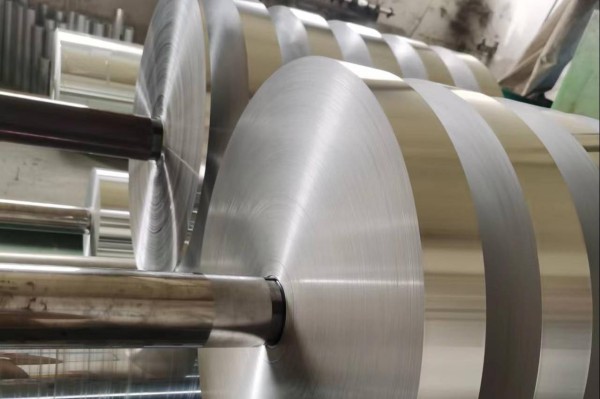
3. มาตรการปรับปรุงกระบวนการสำหรับความเปราะบางของการเคลือบ
โต๊ะ 3: พารามิเตอร์ควบคุมหลักสำหรับการปรับปรุงกระบวนการอลูมิเนียมฟอยล์ทางเภสัชกรรม
| พื้นที่ปรับปรุง | พารามิเตอร์การควบคุม | พารามิเตอร์/มาตรฐานที่แนะนำ | วัตถุประสงค์การควบคุม |
|---|---|---|---|
| วัตถุดิบ | ความทนทานต่อความหนาของพื้นผิว | ภายใน ±2μm | รับประกันความสม่ำเสมอของการเคลือบ |
| แรงตึงผิวของพื้นผิว | ≥31มิลลินิวตัน/เมตร | รับประกันความสามารถในการเปียกน้ำได้ดี | |
| อุณหภูมิการเปลี่ยนสถานะคล้ายแก้วเรซิน (ทีจี) | 20-40องศาเซลเซียส | ปรับสมดุลระหว่างความยืดหยุ่นและความแข็งแกร่ง | |
| ความแปรผันของดัชนีการไหลหลอมของเรซินซีลความร้อน | ≤±10% | รับประกันความเสถียรของกระบวนการ | |
| กระบวนการเคลือบ | ความเร็วในการเคลือบ | 10-15 ม/ของฉัน | รับประกันความสม่ำเสมอของการเคลือบ |
| ความสม่ำเสมอของความหนาของผิวเคลือบ | ส่วนเบี่ยงเบน ≤ ± 3% | หลีกเลี่ยงความเข้มข้นของความเครียดภายใน | |
| น้ำหนักการเคลือบ | 2-5 กรัม/ตร.ม | ||
| กระบวนการบ่ม | อุณหภูมิ/เวลาการบ่มด้วยลมร้อน | 80-100องศาเซลเซียส / 3-5 นาที | ตรวจสอบให้แน่ใจว่าการเชื่อมขวางเสร็จสมบูรณ์, หลีกเลี่ยงความเปราะบาง |
| ความเข้ม/เวลาการบ่มด้วยรังสียูวี | 80-120 เมกะจูล/ซม.² / 1-2 ส | ||
| การปรับสภาพพื้นผิว | การล้างไขมันด้วยสารเคมี (อุณหภูมิ/เวลา) | 50-60องศาเซลเซียส / 1-2 นาที | ขจัดน้ำมันออกอย่างทั่วถึง |
| ออกซิเดชันทางเคมีไฟฟ้า (แรงดันไฟฟ้า/เวลา) | 10-15 วี / 30-60 ส | ปรับปรุงพลังงานพื้นผิวและความหยาบ | |
| แรงตึงผิวหลังการบำบัด | ≥35มิลลินิวตัน/เมตร | รับประกันการยึดเกาะของสารเคลือบสูง | |
| สิ่งแวดล้อม & พื้นที่จัดเก็บ | อุณหภูมิ/ความชื้นในสภาพแวดล้อมการผลิต | 20-25องศาเซลเซียส / 50-60% RH | รับประกันความเสถียรของกระบวนการ |
| อุณหภูมิ/ความชื้นในการจัดเก็บ | 15-25องศาเซลเซียส / ≤60% ความชื้น | ป้องกันริ้วรอยและการดูดซึมความชื้น |
3.1 เพิ่มประสิทธิภาพการเลือกและการควบคุมวัตถุดิบ
3.1.1 การเลือกพื้นผิวที่เข้มงวด
ใช้ความบริสุทธิ์สูง, สิ่งเจือปนต่ำ 8011/8021 โลหะผสมที่มีความทนทานต่อความหนาควบคุมภายใน ±2 μm และแรงตึงผิว ≥31 mN/m. สำหรับสินค้าที่มีความต้องการสูง, สามารถเลือกพื้นผิวที่มีความหนา ≥0.030 มม. ได้, โดยมีอัตรารูเข็มด้านล่าง 0.1 ต่อตารางเมตร.
3.1.2 เพิ่มประสิทธิภาพการเลือกเรซินและสารเติมแต่ง
เลือกเรซินที่มีอุณหภูมิการเปลี่ยนสถานะคล้ายแก้วปานกลาง (20–40°ซ) และการกระจายน้ำหนักโมเลกุลสม่ำเสมอ. แนะนำให้ใช้เรซินสูตรน้ำหรือเรซินที่บ่มด้วยรังสียูวีได้เพื่อทดแทนชนิดที่ใช้ตัวทำละลาย. ความแปรผันของดัชนีการไหลหลอมของเรซินซีลความร้อนควรอยู่ที่ ≤±10%. ปรับสูตรสารเติมแต่งให้เหมาะสม, เช่น การใช้พลาสติไซเซอร์เพื่อเพิ่มความยืดหยุ่น และสารเชื่อมต่อไซเลนเพื่อเพิ่มการยึดเกาะ, รับประกันความเข้ากันได้เพิ่มเติม.
3.1.3 การสร้างกลไกการตรวจสอบวัตถุดิบ
เสริมสร้างการตรวจสอบขาเข้า, ตรวจสอบความยืดหยุ่นของเรซิน, การกระจายน้ำหนักโมเลกุล, ความสะอาดของพื้นผิว, ความหยาบ, เป็นต้น, เพื่อป้องกันไม่ให้วัสดุที่ไม่มีคุณสมบัติเข้าสู่การผลิต.
3.2 การเพิ่มประสิทธิภาพพารามิเตอร์กระบวนการผลิต
3.2.1 การควบคุมกระบวนการเคลือบที่แม่นยำ
ควบคุมความเร็วการเคลือบที่ 10–15 ม./นาที, ความดันใบมีดแพทย์ที่ 0.1–0.3 MPa, และน้ำหนักเคลือบ 2–5 กรัม/ตร.ม, รับประกันความเบี่ยงเบนความสม่ำเสมอของความหนา ≤± 3%. บำรุงรักษาอุปกรณ์อย่างสม่ำเสมอเพื่อให้แน่ใจว่าการเคลือบมีความสม่ำเสมอ.
3.2.2 การปรับพารามิเตอร์กระบวนการบ่มให้เหมาะสม
ควรควบคุมการบ่มด้วยลมร้อนที่อุณหภูมิ 80–100°C เป็นเวลา 3–5 นาที โดยมีความเร็วลมสม่ำเสมอที่ 1–2 เมตร/วินาที; ความเข้มของการบ่มด้วยรังสียูวีควรอยู่ที่ 80–120 mJ/cm² เป็นเวลา 1–2 วินาที. ตรวจสอบและปรับพารามิเตอร์แบบเรียลไทม์.
3.2.3 การปรับปรุงกระบวนการตัดและม้วน
ความเร็วในการตัดควรอยู่ที่ 5–10 ม./นาที, ความตึงของขดลวดควบคุมที่ 50–100 N โดยใช้ขดลวดความตึงคงที่. ปล่อยให้ขดพันแผลพักเป็นเวลา 24–48 ชั่วโมงเพื่อคลายความเครียดภายใน. ควรควบคุมความผันผวนของอุณหภูมิในการซีลด้วยความร้อนภายใน ±1°C.
3.3 การเสริมสร้างกระบวนการปรับสภาพพื้นผิวให้แข็งแกร่งขึ้น
ดำเนินการปรับสภาพเต็มกระบวนการของ “การล้างไขมันด้วยสารเคมี – การล้างด้วยน้ำ – ออกซิเดชันเคมีไฟฟ้า – การล้างน้ำ – การทำแห้ง” การล้างไขมัน (50–60°ซ, 1–2 นาที) ขจัดน้ำมัน; ออกซิเดชันเคมีไฟฟ้า (10–15 โวลต์, 30–60 วินาที) ปรับปรุงความหยาบผิวและกิจกรรม; ใช้น้ำปราศจากไอออนในการล้าง; การอบแห้ง (80–90°ซ, 2–3 นาที) ช่วยให้พื้นผิวแห้งกร้าน. แรงตึงผิวของวัสดุพิมพ์หลังการบำบัดควรอยู่ที่ ≥35 mN/m.
3.4 การเสริมสร้างการควบคุมสิ่งแวดล้อม
3.4.1 การควบคุมสภาพแวดล้อมการผลิต
รักษาอุณหภูมิห้องทำงานไว้ที่ 20–25°C, ความชื้นสัมพัทธ์ที่ 50%–60%, และความสะอาดตามมาตรฐานเกรด D ลดการปนเปื้อนของฝุ่น.
3.4.2 การเพิ่มประสิทธิภาพสภาพการจัดเก็บและการขนส่ง
เก็บผลิตภัณฑ์สำเร็จรูปไว้ในที่เย็น (15–25°ซ), แห้ง (ความชื้น ≤60%), และคลังสินค้าระบายอากาศ, หลีกเลี่ยงแสงแดดโดยตรงและการซ้อนมากเกินไป. ใช้บรรจุภัณฑ์กันกระแทกและกันความชื้นระหว่างการขนส่ง, หลีกเลี่ยงความผันผวนของอุณหภูมิ/ความชื้นที่รุนแรงและผลกระทบทางกล.
3.5 การปรับปรุงระบบตรวจสอบคุณภาพ
3.5.1 การสร้างกลไกการตรวจสอบแบบครบวงจร
ดำเนินการตรวจสอบความหนาและความสม่ำเสมอของการเคลือบทางออนไลน์; ทดสอบผลิตภัณฑ์สำเร็จรูปเพื่อความยืดหยุ่น, การยึดเกาะ, ระเบิดความแรง (≥98กิโลปาสคาล), อัตราการส่งผ่านไอน้ำ (≤0.5 ก./(ตรม.·24ชม)), เป็นต้น.
3.5.2 ใช้อุปกรณ์การทดสอบระดับมืออาชีพ
ติดตั้งเครื่องทดสอบการระเบิดที่เป็นไปตามข้อกำหนดของเภสัชตำรับ (เช่น., เอ็นพีดี-01บี), ใช้โครมาโตกราฟีแก๊สเฮดสเปซสำหรับการทดสอบสารตกค้างของตัวทำละลาย, และใช้กล้องจุลทรรศน์เพื่อสังเกตโครงสร้างจุลภาคของการเคลือบ.
3.5.3 สร้างระบบทดสอบย้อนกลับคุณภาพและความเสถียร
สร้างบันทึกคุณภาพเป็นชุดเพื่อสามารถตรวจสอบย้อนกลับได้เต็มรูปแบบ. ดำเนินการทดสอบความเสถียรเป็นประจำเพื่อประเมินประสิทธิภาพการเคลือบภายใต้สภาพแวดล้อมที่แตกต่างกัน.

4. การตรวจสอบประสิทธิผลการปรับปรุงและแนวโน้มอุตสาหกรรม
4.1 ตัวอย่างประสิทธิผลการปรับปรุง
หลังจากดำเนินการปรับปรุงข้างต้นแล้ว, บริษัทประสบความสำเร็จ 30% เพิ่มความยืดหยุ่นในการเคลือบ, ก 25% การปรับปรุงการยึดเกาะ, ส่วนเบี่ยงเบนความสม่ำเสมอของความหนาของสีเคลือบ ≤±2%, อัตราความสมบูรณ์ของการบ่ม >99%, และอัตราคุณสมบัติการปรับสภาพพื้นผิวของ 100%. อัตราเศษเนื่องจากความเปราะลดลงจาก 8.5% ไปด้านล่าง 0.3%, และถึงอัตราคุณสมบัติผลิตภัณฑ์ 99.7%, ด้วยจุดแข็งที่ตอบสนองความต้องการทางเภสัชกรรม. โดยเปลี่ยนมาใช้สารเคลือบสูตรน้ำ, การปล่อยสาร VOC ลดลงมาก 80%, ประสบความสำเร็จในการเข้าสู่ห่วงโซ่อุปทานของบริษัทยาชั้นนำ.
โต๊ะ 4: การเปรียบเทียบตัวบ่งชี้สำคัญก่อนและหลังการปรับปรุงกระบวนการในบริษัท
| ตัวบ่งชี้ประสิทธิภาพหลัก | สถานะก่อนการปรับปรุง | สถานะหลังการปรับปรุง | สถานะการปรับปรุง/การปฏิบัติตามข้อกำหนด |
|---|---|---|---|
| ความยืดหยุ่นในการเคลือบ | ต่ำ, มีแนวโน้มที่จะแคร็ก | ดีขึ้นอย่างเห็นได้ชัด | ดีขึ้นประมาณ 30% |
| การยึดเกาะของการเคลือบ | ไม่เพียงพอ, มีแนวโน้มที่จะหลุดร่อน | พันธะที่แข็งแกร่ง | ดีขึ้นประมาณ 25% |
| ความสม่ำเสมอของความหนาของผิวเคลือบ | ส่วนเบี่ยงเบน >±5% | ส่วนเบี่ยงเบน ≤ ± 2% | บรรลุเป้าหมายแล้ว |
| อัตราความสำเร็จในการบ่ม | ~95% | >99% | คุณภาพมีเสถียรภาพอย่างมีนัยสำคัญ |
| อัตราการผ่านการปรับสภาพพื้นผิว | ไม่เสถียร | 100% | มีการควบคุมคุณภาพแหล่งที่มา |
| อัตราเศษซากความเปราะบาง | 8.5% | <0.3% | การสูญเสียคุณภาพลดลงอย่างมาก |
| อัตราการรับรองผลิตภัณฑ์โดยรวม | ~91% | 99.7% | ตอบสนองความต้องการของลูกค้าระดับสูง |
| ความแรงระเบิด | ด้านล่างบางส่วน 98 ปาสคาล | ทั้งหมด ≥98 กิโลปาสคาล | 100% สอดคล้องกับ ตำรับยาจีน |
| ประโยชน์ด้านสิ่งแวดล้อม (สารอินทรีย์ระเหย (VOC)) | การใช้สารเคลือบที่ใช้ตัวทำละลาย | การใช้สารเคลือบสูตรน้ำ | การปล่อยมลพิษลดลงโดย >80% |
4.2 แนวโน้มการพัฒนาอุตสาหกรรม
4.2.1 การทำให้เป็นสีเขียวของเทคโนโลยีการเคลือบ
สูตรน้ำ, ยูวีรักษาได้, และการเคลือบแบบรักษาด้วยลำแสงอิเล็กตรอนที่มี VOC ต่ำหรือเป็นศูนย์จะค่อยๆ เข้ามาแทนที่ผลิตภัณฑ์ที่ใช้ตัวทำละลาย.
4.2.2 การพัฒนาฟังก์ชั่นไปสู่ความแม่นยำและความฉลาด
สารเคลือบกำลังพัฒนาไปสู่การต่อต้านการปลอมแปลงอย่างชาญฉลาด, การตรวจสอบย้อนกลับแบบหนึ่งรายการหนึ่งรหัส, การป้องกันแสงแบบไดนามิก, และการตรวจจับอัจฉริยะเพื่อตอบสนองความต้องการในการป้องกันยาที่ออกฤทธิ์สูง.
4.2.3 กฎระเบียบอุตสาหกรรมที่ลึกซึ้งยิ่งขึ้น
เดอะ ตำรับยาจีนมาตรฐานยังคงก้าวหน้าต่อไป, ด้วยการทดสอบที่ขยายไปสู่โครงสร้างจุลภาค, ลักษณะทางเคมี, และความเข้ากันได้ทางชีวภาพ, การขับเคลื่อนกระบวนการและการอัพเกรดการควบคุมคุณภาพในองค์กร.
5. บทสรุป
ความเปราะบางของการเคลือบในอลูมิเนียมฟอยล์ทางเภสัชกรรมถือเป็นข้อบกพร่องด้านคุณภาพที่เกิดจากปัจจัยหลายประการ, รวมถึงวัตถุดิบ, กระบวนการ, การปรับสภาพ, และสภาพแวดล้อม, ก่อให้เกิดภัยคุกคามต่อความปลอดภัยของยา, การปฏิบัติตามข้อกำหนดขององค์กร, และผลประโยชน์ทางเศรษฐกิจ. ด้วยการเพิ่มประสิทธิภาพวัตถุดิบอย่างเป็นระบบ, ควบคุมพารามิเตอร์กระบวนการได้อย่างแม่นยำ, ปรับสภาพพื้นผิวให้แข็งแรงขึ้น, ควบคุมสภาพแวดล้อมอย่างเคร่งครัด, และปรับปรุงระบบการตรวจสอบคุณภาพ, ความเสี่ยงของความเปราะบางสามารถกำจัดได้อย่างมีประสิทธิภาพ, เพิ่มความน่าเชื่อถือของผลิตภัณฑ์.
ในอนาคต, องค์กรควรปฏิบัติตามแนวโน้มของอุตสาหกรรมที่มุ่งสู่สีเขียว, ความแม่นยำ, และการใช้งาน, เพิ่มอาร์&การลงทุน D, อัปเกรดกระบวนการล่วงหน้าอย่างต่อเนื่อง, ปฏิบัติตามเภสัชตำรับและมาตรฐานที่เกี่ยวข้องอย่างเคร่งครัด, และปรับปรุงระบบการจัดการคุณภาพเพื่อความปลอดภัยของยาด้วยผลิตภัณฑ์คุณภาพสูงและยกระดับอุตสาหกรรมโดยรวม.