
คู่มือราคาอลูมิเนียมฟอยล์ PTP | ฟอยล์บรรจุภัณฑ์พุพองยา
ในอุตสาหกรรมยาสมัยใหม่, พีทีพี อลูมิเนียมฟอยล์ (เภสัชกรรม PTP อลูมิเนียมฟอยล์) ได้กลายเป็นหนึ่งในวัสดุหลักที่สุดสำหรับบรรจุภัณฑ์พุพอง. เกือบทั้งหมด แท็บเล็ต, แคปซูล, วิตามิน, และอาหารเสริมเพื่อสุขภาพใช้บรรจุภัณฑ์พุพอง, โดยมีอลูมิเนียมฟอยล์ PTP ทำหน้าที่เป็น ฟอยล์ฝา, มีบทบาทสำคัญในการปกป้องความมั่นคงของยา.
ในขณะที่อุตสาหกรรมยาทั่วโลกยังคงขยายตัวอย่างต่อเนื่อง, บริษัทยาและผู้ซื้อวัสดุบรรจุภัณฑ์ต่างให้ความสำคัญกับศูนย์กลางมากขึ้น, คำถามเชิงปฏิบัติ:
ราคาอลูมิเนียมฟอยล์ PTP คืออะไร, และจะประเมินความสมเหตุสมผลได้อย่างไร?
ในความเป็นจริง, ราคาอลูมิเนียมฟอยล์ PTP ไม่เป็นตัวเลขคงที่; มันได้รับอิทธิพลจากปัจจัยภายในและภายนอกรวมกัน, เช่น:
- ราคาอลูมิเนียมแท่ง (ราคาอลูมิเนียม LME): วัตถุดิบหลัก, ซึ่งมีความผันผวนของราคาทั่วโลกเป็นพื้นฐานต้นทุน.
- ความหนาของฟอยล์: กำหนดการใช้งานอะลูมิเนียมได้โดยตรง, ตัวขับเคลื่อนต้นทุนที่สำคัญ.
- ประเภทโลหะผสม: โลหะผสมที่แตกต่างกัน (เช่น., 8011, 8021) แตกต่างกันไปในองค์ประกอบ, ผลงาน, และค่าใช้จ่าย.
- การพิมพ์สีและความซับซ้อน: ความแตกต่างด้านต้นทุนที่สำคัญระหว่างสีเดียวและหลายสี, การพิมพ์ที่มีความแม่นยำสูง.
- เทคโนโลยีการเคลือบ: ราคาแตกต่างกันระหว่างการเคลือบกันความร้อนแบบมาตรฐานและการเคลือบแบบพิเศษ.
- ปริมาณการสั่งซื้อ: การซื้อในปริมาณมากมักจะให้ราคาต่อหน่วยที่ดีกว่า.
- การรับรองคุณภาพ & มาตรฐาน: ฟอยล์เป็นไปตามมาตรฐานที่เข้มงวด (อย, สหภาพยุโรป, GMP) เกี่ยวข้องกับต้นทุนการผลิตและการควบคุมคุณภาพที่สูงขึ้น.
บทความนี้จะให้คำแนะนำที่เป็นระบบและมีโครงสร้างเกี่ยวกับเภสัชกรรม อลูมิเนียมฟอยล์ ปตท, ครอบคลุมประเด็นต่างๆ ตั้งแต่ คำจำกัดความพื้นฐาน, โครงสร้างหลายชั้น, องค์ประกอบราคาตลาด, ข้อกำหนดทางเทคนิคโดยละเอียด, กระบวนการผลิตที่แม่นยำ, มาตรฐานคุณภาพที่เข้มงวด, แนวโน้มของตลาดโลก, สู่กลยุทธ์การจัดซื้อจัดจ้างหลัก, มุ่งหวังที่จะช่วยให้คุณมีข้อมูลในการตัดสินใจ.

1. อลูมิเนียมฟอยล์ PTP คืออะไร? การวิเคราะห์เชิงลึกเกี่ยวกับความหมายและบทบาทของมัน
พีทีพี อลูมิเนียมฟอยล์ (กดผ่านบรรจุภัณฑ์อลูมิเนียมฟอยล์) เป็นวัสดุอลูมิเนียมฟอยล์คอมโพสิตที่ออกแบบและผลิตเป็นพิเศษสำหรับบรรจุภัณฑ์พุพองยา. ชื่อของมันอธิบายการใช้งาน: ผู้ป่วยเพียงแค่กดช่องใส (ตุ่ม), และแท็บเล็ตหรือแคปซูลด้านในดันผ่านฝาอลูมิเนียมฟอยล์, ดังนั้นชื่อ กดผ่านบรรจุภัณฑ์ (ปชป). การออกแบบนี้ช่วยเพิ่มความสะดวกและความแม่นยำในการใช้ยาอย่างมาก.
ฟอยล์ PTP ไม่ได้ใช้เพียงอย่างเดียว; โดยจะจับคู่กับแผ่นพลาสติกที่ขึ้นรูปได้เสมอเพื่อสร้างเป็นแพ็คที่สมบูรณ์. ชุดค่าผสมทั่วไป ได้แก่:
- แผ่นพีวีซี: ประหยัดที่สุดและเป็นเรื่องธรรมดา, ให้การป้องกันขั้นพื้นฐานสำหรับยาส่วนใหญ่.
- แผ่นพีวีซีเคลือบ PVDC: การเคลือบโพลีไวนิลิดีนคลอไรด์บน PVC ช่วยเพิ่มคุณสมบัติในการกั้นความชื้นและออกซิเจนได้อย่างมาก.
- แผ่นพีพี: เหมาะสำหรับยาที่ไวต่อความชื้นอย่างมากหรือต้องการความเสถียรทางเคมีสูง.
ด้วยกัน, พวกเขาสร้างคลาสสิก โครงสร้างแพ็คตุ่ม, เป็นชั้น ๆ ดังนี้:
การวิเคราะห์โครงสร้างบรรจุภัณฑ์พลาสติกทั่วไป
| โครงสร้างเลเยอร์ | วัสดุ | คำอธิบายฟังก์ชั่น |
|---|---|---|
| โพรงพุพอง (เว็บฐาน) | พีวีซี / PVDC / พี.พี | ก่อตัวเป็นโพรง (ตุ่ม) ถือแท็บเล็ตผ่านเทอร์โมฟอร์ม, ให้การสนับสนุนโครงสร้าง, และผนึกความร้อนบนฟอยล์. |
| ผลิตภัณฑ์ | แท็บเล็ต / แคปซูล | เนื้อหา, วางไว้ภายในโพรงที่ขึ้นรูป. |
| ฝาปิด/ซีล | พีทีพี อลูมิเนียมฟอยล์ | คลุมด้านหลังของแผ่นฐานตุ่ม, ปิดผนึกด้วยความร้อนอย่างแน่นหนา, ปิดผนึกผลิตภัณฑ์ในแต่ละหน่วย, ให้การปกป้องสูงสุด. |
โครงสร้างคอมโพสิตหลายชั้นนี้ทำงานร่วมกันเพื่อให้ได้คุณสมบัติการป้องกันที่ดีเยี่ยม:
- ป้องกันความชื้น: ชั้นอลูมิเนียมฟอยล์ช่วยให้ 100% กั้นไอน้ำ, ป้องกันการย่อยสลายตัวยาหรือประสิทธิภาพจากความชื้นลดลง.
- หลักฐานการเกิดออกซิเดชัน: ปิดกั้นออกซิเจนอย่างสมบูรณ์, หลีกเลี่ยงการเกิดออกซิเดชันของสารออกฤทธิ์.
- กันแสง: ความทึบของฟอยล์ช่วยป้องกันรังสียูวีและแสงที่มองเห็นได้อย่างมีประสิทธิภาพ, ปกป้องยาที่ไวต่อแสง.
- การป้องกันทางกายภาพ: ให้ความต้านทานต่อการบดและการเสียดสี.
- การจัดเก็บข้อมูลระยะยาว: ช่วยยืดอายุการเก็บรักษาผลิตภัณฑ์ได้อย่างมากโดยการรวมคุณสมบัติข้างต้นเข้าด้วยกัน.
- ความสะดวกสบายของผู้ใช้: บรรจุภัณฑ์ต่อหน่วยขนาด, พกพาสะดวก, แยกแยะ, และบริหารจัดการ, ปรับปรุงการปฏิบัติตามของผู้ป่วย.
ดังนั้น, ด้วยการผสมผสานข้อดีที่ไม่อาจทดแทนได้, อลูมิเนียมฟอยล์ PTP ได้กลายเป็นวัสดุมาตรฐานทองคำในอุตสาหกรรมบรรจุภัณฑ์ยาระดับโลก, โดยเฉพาะอย่างยิ่งสำหรับรูปแบบยาในช่องปากที่เป็นของแข็ง.
2. การวิเคราะห์โครงสร้างอลูมิเนียมฟอยล์ PTP: แผงกั้นเทคโนโลยีคอมโพสิตหลายชั้น
อลูมิเนียมฟอยล์ PTP อยู่ไกลจากแผ่นโลหะธรรมดา; เป็นวัสดุคอมโพสิตหลายชั้นที่ออกแบบอย่างพิถีพิถัน. แต่ละชั้นทำหน้าที่เฉพาะและฟังก์ชั่นที่สำคัญ, เคลือบเข้าด้วยกันผ่านกระบวนการเคลือบที่แม่นยำ.
รายละเอียดโครงสร้างและฟังก์ชันอลูมิเนียมฟอยล์ PTP ทั่วไป
| ชั้น (ภายนอกสู่ภายใน) | วัสดุ/กระบวนการเบื้องต้น | ฟังก์ชั่นหลักและคำอธิบายโดยละเอียด |
|---|---|---|
| เลเยอร์การพิมพ์ | หมึกเกรดยา | ชั้นนอกที่หันหน้าเข้าหาผู้บริโภค. ใช้สำหรับพิมพ์ข้อมูลสำคัญ เช่น ชื่อยา, โลโก้, ปริมาณ, หมายเลขแบทช์, และวันหมดอายุ. หมึกจะต้องไม่เป็นพิษ, ทนต่อการขัดถู, มีการยึดเกาะและการพิมพ์ที่ดี. การพิมพ์หลายสีเสร็จสิ้นที่นี่. |
| ชั้นป้องกัน (การเคลือบด้านนอก) | แล็กเกอร์ป้องกันใสหรือสี | นำไปใช้กับชั้นที่พิมพ์. ปกป้องงานพิมพ์เป็นหลักจากการครูดหรือการเสียดสีระหว่างการผลิต, การจัดการ, และใช้. ยังให้ความเงางามและความสวยงาม. |
| ชั้นพื้นผิว (แกนกลาง) | อลูมิเนียมฟอยล์ที่มีความบริสุทธิ์สูง (เช่น., 8011 โลหะผสม) | เดอะ “กระดูกสันหลัง” และ “วิญญาณ” ของฟอยล์ PTP. โดยทั่วไปมีความหนา 0.018 มม. ถึง 0.025 มม. ให้ความแข็งแรงทางกลเบื้องต้นและ, ด้วยคุณสมบัติโดยธรรมชาติของอะลูมิเนียม, ส่งมอบ ประสิทธิภาพของสิ่งกีดขวางที่ยอดเยี่ยม, ปิดกั้นเกือบหมด: |
| * ออกซิเจน: ป้องกันการเกิดออกซิเดชันของยา. | ||
| * ไอน้ำ: ป้องกันการดูดซึมความชื้น. | ||
| * แสงสว่าง: บล็อกรังสียูวี & แสงที่มองเห็นได้, ปกป้องยาไวแสง. | ||
| ความเหนียวที่ดียังช่วยให้ “กดผ่าน” คุณสมบัติ. | ||
| ชั้นซีลความร้อน (เคลือบด้านใน) | แล็กเกอร์กันความร้อนชนิดพิเศษ (เช่น., เคลือบ VC) | ชั้นที่ยึดติดกับแผ่นฐานตุ่ม (พีวีซี/พีวีดีซี/พีพี). ที่สถานีประทับตราความร้อนของเครื่องตุ่ม, ภายใต้อุณหภูมิและความดันที่ถูกต้อง, สารเคลือบนี้ละลายและเกิดเป็นสารเคลือบที่แข็งแกร่ง, ปิดผนึกอย่างแน่นหนาด้วยเว็บฐาน, ตรวจสอบให้แน่ใจว่าแต่ละช่องตุ่มถูกแยกออกและปิดสนิท. นี่คือกุญแจสำคัญในความสมบูรณ์ของบรรจุภัณฑ์. |
นี้ “พิมพ์ป้องกันสิ่งกีดขวางประทับตรา” โครงสร้างหลายชั้นสร้างโซลูชันบรรจุภัณฑ์ที่สมบูรณ์แบบที่ตรงตามข้อมูล, การป้องกันเคมีกายภาพระดับสูงสุด, และความต้องการความสะดวกของผู้ใช้, มีความสำคัญอย่างยิ่งต่อการรักษาความคงตัวของยาตลอดวงจรชีวิต.
3. การวิเคราะห์เชิงลึกราคาอลูมิเนียมฟอยล์ PTP
เป็นวัสดุบรรจุภัณฑ์สำหรับอุตสาหกรรมจำนวนมากและแบบสั่งทำพิเศษ, ราคาอลูมิเนียมฟอยล์ PTP ในการค้าระหว่างประเทศโดยทั่วไปจะเสนอราคามา ดอลลาร์สหรัฐต่อเมตริกตัน (เหรียญสหรัฐฯ/ตัน) หรือต่อกิโลกรัม. ราคาซื้อจริงจะคำนวณอย่างแม่นยำตามข้อกำหนดเฉพาะ.
2025–ช่วงราคาอ้างอิงตลาดโลกปี 2026 (FOB ท่าเรือจีนหลัก)
| ประเภทสินค้า | ช่วงราคา (เหรียญสหรัฐฯ/ตัน) | ปัจจัยที่มีอิทธิพลที่สำคัญ & หมายเหตุ |
|---|---|---|
| ฟอยล์ PTP ธรรมดา/ไม่พิมพ์ | 3,200 – 3,800 | ประเภทพื้นฐาน, เคลือบเท่านั้น. ราคาได้รับอิทธิพลจากต้นทุนอะลูมิเนียมเป็นหลัก, โลหะผสม, สูตรเคลือบ, และความหนา. ใช้เมื่อไม่จำเป็นต้องพิมพ์หรือทำในภายหลัง. |
| ฟอยล์ PTP พิมพ์สีเดียว | 3,600 – 4,200 | เพิ่มสีเดียว (มักเป็นสีดำ/เข้ม) การพิมพ์ลงบนกระดาษฟอยล์ธรรมดา. ขึ้นราคาครอบคลุมหมึก, การทำจาน, และค่าพิมพ์. รูปแบบการค้าที่พบบ่อยที่สุด. |
| ฟอยล์ PTP พิมพ์หลายสี | 4,200 – 5,000+ | กำหนดให้มี 2 หรือการลงทะเบียนสีเพิ่มเติม. กระบวนการมีความซับซ้อนมากขึ้น, ต้องการความแม่นยำของอุปกรณ์ที่สูงขึ้น. ราคาเพิ่มขึ้นอย่างมากต่อสีที่เพิ่ม. ใช้สำหรับยาที่มีตราสินค้า/OTC เพื่อการระบุตัวตนและการต่อต้านการปลอมแปลงที่ดีขึ้น. |
| ฟอยล์ PTP ที่มีอุปสรรคสูง/พิเศษ | 4,500 – 5,200+ | ใช้โลหะผสมพิเศษ (เช่น., 8021), เกจหนาขึ้น, หรือเพิ่มสารเคลือบฟังก์ชั่น (เช่น., ความแข็งแรงของซีลที่สูงขึ้น, ลอกง่าย). เพื่อความมีมูลค่าสูง, ยาที่ไวต่อความชื้น/ออกซิเจน, ชีววิทยา, หรือสูตรพิเศษ. |
หมายเหตุสำคัญ: ข้อมูลข้างต้นเป็นช่วงอ้างอิงกว้างๆ ตามสภาวะตลาด, ไม่ใช่ราคาคงที่. ราคาสุดท้ายสำหรับคำสั่งซื้อจริงได้รับอิทธิพลจาก:
- ความผันผวนของราคาวัตถุดิบ: การแลกเปลี่ยนโลหะลอนดอน (แอลเอ็มอี) ราคาสปอตแท่งอะลูมิเนียมเป็นตัวแปรหลัก, ส่งผลต่อต้นทุนฟอยล์รายวัน.
- ความซับซ้อนในการพิมพ์: จำนวนสี, พื้นที่การพิมพ์, ต้องการหมึกพิเศษ (เช่น., เทอร์โมโครมิก, หมึกรักษาความปลอดภัยเรืองแสง) ส่งผลกระทบต่อต้นทุนอย่างมาก.
- ประเภทการเคลือบ & ข้อมูลจำเพาะทางเทคนิค: ต้นทุนจะแตกต่างกันระหว่างแลคเกอร์ซีลความร้อนเกรดยามาตรฐานและนำเข้า. การเคลือบป้องกัน/การทำงานเพิ่มเติมจะมีค่าใช้จ่ายเพิ่ม.
- ปริมาณการสั่งซื้อ & ข้อมูลจำเพาะ: คำสั่งซื้อจำนวนมาก/ระยะยาวช่วยลดต้นทุนต่อหน่วยได้อย่างมาก. สเปคที่ไม่ได้มาตรฐาน (ความกว้างพิเศษ, เกจวัดบางเฉียบ/หนา) อาจเพิ่มความยากในการประมวลผลและราคา.
- ใบรับรองคุณภาพ & มาตรฐาน: โรงงานที่ได้มาตรฐานอันเข้มงวด (เช่น., GMP ของสหรัฐอเมริกา/สหภาพยุโรป, อย. ดีเอ็มเอฟ) มีต้นทุนการผลิต/QC ที่สูงขึ้น, สะท้อนให้เห็นในราคา.
- โลจิสติกส์ & เงื่อนไขทางการค้า: องค์ประกอบราคาแตกต่างกันไปภายใต้ FOB, ซีไอเอฟ, กปปส, เป็นต้น. ความผันผวนของค่าขนส่งระหว่างประเทศในปัจจุบันยังส่งผลต่อต้นทุนการลงจอดด้วย.
4. องค์ประกอบราคาอลูมิเนียมฟอยล์ PTP: การแจกแจงต้นทุนจากแท่งโลหะไปจนถึงผลิตภัณฑ์สำเร็จรูป
การทำความเข้าใจตรรกะการกำหนดราคาของฟอยล์ PTP ช่วยในการวิเคราะห์ต้นทุนและการเจรจาต่อรองอย่างมีประสิทธิภาพ. ราคาสามารถแบ่งออกเป็นสององค์ประกอบหลัก:
PTP ฟอยล์ราคาโรงงานอดีต data ต้นทุนวัตถุดิบอลูมิเนียม + ค่าธรรมเนียมการดำเนินการที่ครอบคลุม
ต้นทุนวัตถุดิบอะลูมิเนียม ผันผวนตามราคาอลูมิเนียมในต่างประเทศ. เดอะ ค่าธรรมเนียมการดำเนินการที่ครอบคลุม ครอบคลุมทุกกระบวนการสร้างมูลค่าเพิ่ม, การจัดการ, กำไร, และต้นทุนการประกันคุณภาพตั้งแต่ขดลวดอลูมิเนียมไปจนถึงฟอยล์ PTP สำเร็จรูป.
การวิเคราะห์โครงสร้างต้นทุนโดยละเอียด (เปอร์เซ็นต์เป็นช่วงโดยประมาณ)
| องค์ประกอบต้นทุน | % พิสัย | คำอธิบายโดยละเอียด |
|---|---|---|
| ต้นทุนวัตถุดิบอะลูมิเนียม | 55% – 65% | องค์ประกอบต้นทุนที่ใหญ่ที่สุด. ขึ้นอยู่กับปริมาณการใช้อลูมิเนียมสุทธิ (คำนวณจากความหนา/ความกว้าง) คูณด้วยราคาโลหะปัจจุบัน (พิจารณาการสูญเสียผลผลิต). ราคาอลูมิเนียม ความผันผวนเป็นสาเหตุหลักของความไม่แน่นอนของราคา. |
| ค่าธรรมเนียมการดำเนินการกลิ้ง | 10% – 15% | ครอบคลุมพลังงาน, ค่าเสื่อมราคา, แรงงาน, และค่าใช้จ่ายด้านเทคนิคในการประมวลผลแท่งโลหะเป็นสารตั้งต้นฟอยล์ตามความหนาที่กำหนด (เช่น., 0.02มม) ผ่านการหล่อ, รีดร้อน/เย็น. เกจที่บางกว่ามักจะเพิ่มความยาก/ต้นทุนในการหมุน. |
| ค่าธรรมเนียมการรักษาการเคลือบ | 8% – 12% | รวมถึงการรักษาพื้นผิว, เคลือบแลคเกอร์กันความร้อน, เป็นต้น. ต้นทุนจะสูงกว่ามากสำหรับการนำเข้าแลคเกอร์ระดับไฮเอนด์หรือแล็กเกอร์พิเศษที่นำเข้า. ขั้นตอนนี้จะกำหนดประสิทธิภาพการปิดผนึกของฟอยล์และความเข้ากันได้กับแผ่นฐานที่แตกต่างกัน. |
| ค่าธรรมเนียมการดำเนินการพิมพ์ | 5% – 10% | เกี่ยวข้องกับการทำแผ่น, หมึก, การพิมพ์ (กราเวียร์), และพลังงาน. ขับเคลื่อนด้วยการนับสี, ความแม่นยำในการลงทะเบียน, ประเภทหมึก (มาตรฐานเทียบกับ. ความปลอดภัย). ลวดลายหลายสี/ละเอียดต้องใช้อุปกรณ์/การควบคุมที่มีราคาแพงกว่า. |
| การตัด & ค่าธรรมเนียมบรรจุภัณฑ์ | 3% – 5% | ตัดมาสเตอร์โรลจัมโบ้ให้มีความกว้างที่แม่นยำตามคำสั่งซื้อ, บวกภายใน (เช่น., ถุงพลาสติก, กระดาษกันความชื้น) และบรรจุภัณฑ์ภายนอก (กล่องกระดาษ, พาเลทไม้) เพื่อป้องกันการเสียรูป/การปนเปื้อนระหว่างการขนส่ง. |
| การควบคุมคุณภาพ & การทดสอบ | 3% – 5% | ต้นทุนการควบคุมคุณภาพแบบเต็มกระบวนการ: การตรวจสอบวัสดุที่เข้ามา, การควบคุมในกระบวนการ, การทดสอบผลิตภัณฑ์สำเร็จรูป (รูเข็ม, ความหนา, ความแข็งแรงของซีล, ตัวทำละลายตกค้าง, จุลชีววิทยา). จำเป็นสำหรับคุณภาพเกรดยา. |
| ปฏิบัติการโรงงาน & กำไร | 5% – 10% | ครอบคลุมค่าใช้จ่าย, ร&ง, การบำรุงรักษาการรับรอง, ฝ่ายขาย, และอัตรากำไรที่เหมาะสม. ผู้ผลิตชั้นนำที่มีใบรับรองและชื่อเสียงระดับสากลมักจะเรียกเก็บค่าธรรมเนียม/ผลกำไรในการดำเนินการที่สูงกว่า, สะท้อนถึงความน่าเชื่อถือ. |
เมื่อราคาอะลูมิเนียมทั่วโลกพุ่งสูงขึ้นอย่างมาก, โดยทั่วไปราคาฟอยล์ PTP โดยรวมจะเป็นดังนี้. ค่าธรรมเนียมการดำเนินการค่อนข้างคงที่, สะท้อนถึงความสามารถทางเทคนิคและประสิทธิภาพของผู้ผลิต.

5. ข้อมูลจำเพาะทางเทคนิคอลูมิเนียมฟอยล์ PTP โดยละเอียด
การเลือกข้อกำหนดจำเพาะฟอยล์ PTP ที่เหมาะสมถือเป็นสิ่งสำคัญอย่างยิ่งต่อการทำงานและคุณภาพของสายการบรรจุที่ราบรื่น. ข้อมูลจำเพาะจะพิจารณาจากลักษณะของยาเป็นหลัก, รุ่นเครื่องบรรจุภัณฑ์, และอายุการเก็บรักษาที่ต้องการ.
ข้อมูลจำเพาะและการใช้งานความหนาทั่วไป
| ความหนา (มม) | เทียบเท่าไมครอน (มม) | การใช้งานหลัก & ลักษณะเฉพาะ |
|---|---|---|
| 0.018 | 18 มม | ตัวเลือกที่ประหยัด. สำหรับยาที่มีความต้องการสิ่งกีดขวางที่เข้มงวดน้อยกว่า, อาหารเสริมบางชนิด, หรือยาสามัญราคาถูก. ทินเนอร์, ลดต้นทุนวัสดุ, แต่มีความแข็งแรงเชิงกล/ความต้านทานการเจาะน้อยกว่าเล็กน้อย. |
| 0.020 | 20 มม | กระแสหลักมากที่สุด, ความหนามาตรฐานทั่วไปทั่วโลก. มอบความสมดุลของสิ่งกีดขวางที่ดีที่สุด, ความแข็งแรงทางกล (ความต้านทานการเจาะ / โค้งงอ), ค่าใช้จ่าย, และความสามารถในการแปรรูป (เช่น., แรงผลักทะลุ). เหมาะสำหรับยาเม็ด/แคปซูลส่วนใหญ่, ตัวเลือกเริ่มต้น. |
| 0.025 | 25 มม | ตัวเลือกความแข็งแรงสูง/อุปสรรคสูง. สำหรับยาที่มีรูปทรงไม่สม่ำเสมอและมีขอบแหลมคม, หรือยา/ชีววิทยาที่มีมูลค่าสูงซึ่งมีข้อกำหนดในการกีดกันอย่างรุนแรง. ให้การปกป้องที่แข็งแกร่งยิ่งขึ้นและรับประกันอายุการเก็บรักษาที่ยาวนานขึ้น, ในราคาที่สูงกว่า. |
ในหมู่เหล่านี้, 0.020มม (20มม) เป็นมาตรฐานอุตสาหกรรมโดยพฤตินัยเนื่องจากมีความคุ้มค่าและความคล่องตัวที่เหมาะสมที่สุด.
ข้อมูลจำเพาะความกว้างทั่วไปและความสัมพันธ์กับเครื่องจักรบรรจุภัณฑ์
ความกว้างของฟอยล์ PTP ต้องตรงกับความกว้างของแม่พิมพ์ของเครื่องตุ่ม.
| ช่วงความกว้าง (มม) | การใช้งานหลัก & ความเข้ากันได้ของเครื่อง |
|---|---|
| 80 – 150 | สำหรับ เครื่องตุ่มขนาดเล็กหรือระดับห้องปฏิบัติการ. ใช้สำหรับชุดเล็กๆ, ยาทดลองทางคลินิก, หรือสินค้าที่มีขนาดเล็กมาก. |
| 150 – 300 | ช่วงการผลิตเชิงพาณิชย์ที่พบมากที่สุด. ครอบคลุมเส้นตุ่มอัตโนมัติความเร็วสูงขนาดกลางถึงใหญ่ส่วนใหญ่. ความกว้างที่นี่ (เช่น., 210มม, 250มม, 290มม) มีมาตรฐานสูงและพร้อมใช้งาน. |
| 300 – 600+ | สำหรับ กว้างเป็นพิเศษ, สายความเร็วสูงพิเศษ เพื่อผลผลิตสูงสุด. ใหญ่, อุปกรณ์ราคาแพงที่บริษัทยารายใหญ่ใช้เพื่อสร้างแถวตุ่มหลายแถวพร้อมกัน. |
ตรวจสอบความกว้างของม้วนฟอยล์ให้แน่นอนเสมอ, เส้นผ่านศูนย์กลางภายในแกน, และเส้นผ่านศูนย์กลางภายนอกสูงสุดกับผู้จำหน่ายเครื่องจักรหรือคู่มือ.
6. PTP อลูมิเนียมฟอยล์ชนิดโลหะผสม: ทางเลือกด้านวัสดุศาสตร์
อลูมิเนียมฟอยล์บางชนิดไม่เหมาะสำหรับบรรจุภัณฑ์ยา. โดยทั่วไปฟอยล์ PTP ทำจากโลหะผสมอลูมิเนียมเฉพาะที่ได้รับการปรับให้เหมาะสมสำหรับการขึ้นรูป, ความแข็งแกร่ง, ความยืดหยุ่น, และความปลอดภัยของอาหาร/ผลิตภัณฑ์.
เกรดโลหะผสมทั่วไปและคุณสมบัติ
| เกรดโลหะผสม | ลักษณะสำคัญ & การใช้งาน |
|---|---|
| 8011 | วัสดุกระแสหลักและมาตรฐานสัมบูรณ์สำหรับฝาปิดแผงยา. โดยทั่วไปจะใช้ในอารมณ์ H18 (แข็ง). ให้ความสามารถในการขึ้นรูปที่ลึกได้ดีเยี่ยม, ความแข็งแกร่งที่ดี, ความยืดหยุ่นที่เหมาะสม, และง่ายต่อการเคลือบ/พิมพ์. สอดคล้องกับมาตรฐานด้านสุขภาพ/ความปลอดภัย. ใช้สำหรับฟอยล์ PTP ส่วนใหญ่. |
| 8021 | โดยทั่วไปจะมีธาตุน้อยกว่าและมีความบริสุทธิ์สูงกว่า 8011, การเสนอขาย คุณสมบัติอุปสรรคที่เหนือกว่า (โดยเฉพาะอัตรารูเข็มที่ต่ำกว่า). เพื่อความมีมูลค่าสูง, ยาที่ไวต่อความชื้น/ออกซิเจนอย่างมาก ซึ่งต้องการอายุการเก็บรักษาที่ยาวนานมาก. มักจะมีราคาสูงกว่า 8011. |
| 1235 | มีความบริสุทธิ์สูง (อัล≥99.35%), นุ่มนวลขึ้น, ความเหนียวที่ดีเยี่ยม. อาจเสนอการผลักดันที่ราบรื่นยิ่งขึ้นสำหรับการใช้งานเฉพาะ. ความแรงต่ำกว่า 8011-H18 เล็กน้อย, อาจต้องมีการควบคุมความตึงที่แม่นยำบนสายความเร็วสูง. สามารถแข่งขันด้านต้นทุนได้. |
สรุป, 8011-ฟอยล์ H18 เป็นมาตรฐานที่ไม่มีปัญหา เนื่องจากมีคุณสมบัติที่สมดุล, เทคโนโลยีที่เป็นผู้ใหญ่, และอุปทานที่มั่นคง. ปรึกษากับช่างเทคนิคของซัพพลายเออร์เมื่อเลือกโลหะผสม.
7. กระบวนการผลิตอลูมิเนียมฟอยล์ PTP: การเดินทางที่แม่นยำจากแท่งโลหะสู่ผลิตภัณฑ์
ผังกระบวนการผลิตโดยละเอียด
- ละลาย & การหล่อ/การกลิ้ง: แท่งโลหะที่มีความบริสุทธิ์สูงจะถูกหลอมด้วยธาตุตามสูตรโลหะผสม, หล่อเป็นแผ่นใหญ่, และรีดร้อนเป็นม้วนหนาขึ้น.
- ม้วนเย็น: ขดลวดถูกรีดจนถึงเกจบางสุดท้าย (เช่น., 0.02มม) ที่อุณหภูมิห้องผ่านหลายรอบ. ต้องการความแม่นยำและการควบคุมการหล่อลื่นขั้นสูงสุดเพื่อให้ได้ความหนาสม่ำเสมอและพื้นผิวเรียบ.
- การหลอมระดับกลาง (ถ้าจำเป็น): สำหรับโลหะผสมบางชนิด, การหลอมระหว่างการรีดเย็นช่วยลดการแข็งตัวของงาน, คืนความยืดหยุ่น.
- การทำความสะอาดพื้นผิว & การปรับสภาพ: การทำความสะอาดด้วยสารเคมีและกายภาพจะขจัดน้ำมัน/สิ่งปนเปื้อนที่กลิ้งอยู่, สำคัญต่อการยึดเกาะของสารเคลือบ.
- การเคลือบผิว: เคลือบแล็กเกอร์กันความร้อนแบบพิเศษอย่างสม่ำเสมอ. น้ำหนักการเคลือบ, ความสม่ำเสมอ, และควบคุมการอบแห้งได้อย่างแม่นยำ.
- การพิมพ์: การพิมพ์กราเวียร์ความเร็วสูงใช้การออกแบบ/ข้อมูล. การลงทะเบียนที่แม่นยำเป็นสิ่งสำคัญ. หมึกจะแห้งทันที.
- การเคลือบป้องกัน (ไม่จำเป็น): อาจใช้แล็กเกอร์ป้องกันแบบโปร่งใสบนงานพิมพ์เพื่อต้านทานการเสียดสี/ความมันเงา.
- การตัด & กรอกลับ: ม้วนจัมโบ้หลักจะถูกกรีดเป็นม้วนที่แคบลงตามความกว้างที่สั่ง. ข้อบกพร่องจะถูกลบออก.
- อินไลน์ & QC ออฟไลน์: การตรวจสอบอย่างต่อเนื่อง (ความหนา, รูเข็ม) และการทดสอบในห้องปฏิบัติการ (ความแข็งแรงของซีล, ตัวทำละลายตกค้าง, จุลชีววิทยา).
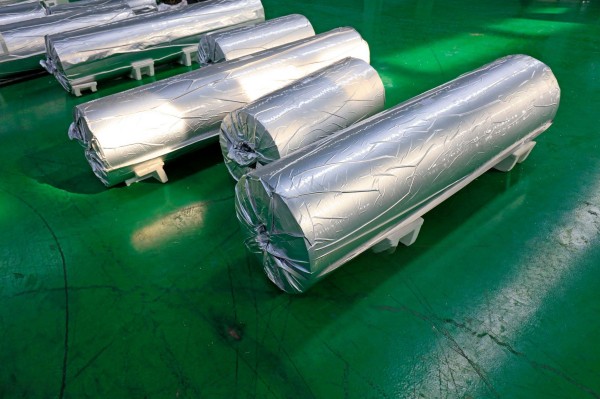
- การบรรจุ & คลังสินค้า: ม้วนเสร็จแล้วห่อด้วยวัสดุกันความชื้น, core-chucked, ชนิดบรรจุกล่อง, วางบนพาเลท, และเก็บไว้ในที่สะอาด, โกดังแห้ง.
ทุกขั้นตอนจะต้องปฏิบัติตามแนวทางปฏิบัติที่ดีในการผลิตที่เข้มงวด (GMP) เพื่อความสม่ำเสมอและความน่าเชื่อถือ.
8. มาตรฐานการทดสอบคุณภาพอลูมิเนียมฟอยล์ PTP: รากฐานแห่งความปลอดภัย
เมื่อสัมผัสกับยาโดยตรง, ฟอยล์ PTP จะต้องปฏิบัติตามกฎระเบียบบรรจุภัณฑ์ยาระดับโลกที่เข้มงวดที่สุด.
บังคับระหว่างประเทศ & มาตรฐานระดับภูมิภาค
| ระบบมาตรฐาน | ภูมิภาค | โฟกัสที่สำคัญ |
|---|---|---|
| GMP | ทั่วโลก | แนวปฏิบัติที่ดีในการผลิต. ครอบคลุมถึงการผลิตวัสดุบรรจุภัณฑ์. ต้องการระบบการประกันคุณภาพเต็มรูปแบบตั้งแต่วัตถุดิบไปจนถึงสินค้าสำเร็จรูป. พื้นฐานพื้นฐาน. |
| อย | สหรัฐอเมริกา & ภูมิภาคที่ยอมรับมาตรฐานของตน | เรา. สำนักงานคณะกรรมการอาหารและยา กฎระเบียบ. บรรจุภัณฑ์ต้องไม่ทำปฏิกิริยากับยาหรือเคลื่อนย้ายสารอันตราย. ซัพพลายเออร์มักต้องการไฟล์ FDA Drug Master (ดีเอ็มเอฟ) หรือการปฏิบัติตามการตรวจสอบ. |
| กฎระเบียบของสหภาพยุโรป | สหภาพยุโรป | เป็นไปตามตำรับยาของยุโรป (อีพี) และ EU GMP. ข้อกำหนดโดยละเอียดสำหรับความเข้ากันได้ทางชีวภาพ, ความปลอดภัยของสารเคมี (เช่น., โลหะหนัก, การอพยพของเอมีนอะโรมาติกปฐมภูมิ), พิษวิทยา. ต้องมีคำสั่ง TSE/BSE. |
| มาตรฐาน YBB | จีน | ภาชนะบรรจุภัณฑ์ยาแห่งชาติ (วัสดุ) มาตรฐาน. บังคับสำหรับตลาดจีน. ระบุทางกายภาพ, เคมี, และวิธีการทดสอบทางชีววิทยาและขีดจำกัดของฟอยล์ยา. |
พารามิเตอร์การทดสอบที่สำคัญ
- คุณสมบัติทางกายภาพ:
- ความหนา & ความสม่ำเสมอ
- การทดสอบรูเข็ม: วิกฤต; รูเข็มเป็นช่องทางหลักสำหรับความชื้น/ออกซิเจน.
- การทดสอบความแข็งแรงของซีลความร้อน: วัดแรงแยกฟอยล์ที่ปิดผนึกเป็นแผ่น PVC มาตรฐาน. จะต้องแข็งแกร่งแต่ก็ยอมให้ทะลุผ่านได้.
- การทดสอบแรงกดทะลุ: จำลองแรงที่จำเป็นในการดันแท็บเล็ตออกมา. ต้องอยู่ในช่วงที่ง่ายต่อการใช้งาน.
- คุณสมบัติทางเคมี:
- สารตกค้างของตัวทำละลาย: ตรวจสอบตัวทำละลายที่เหลือจากการพิมพ์/การเคลือบ.
- เนื้อหาโลหะหนัก: รับประกันความเป็นผู้นำ, แคดเมียม, ปรอท, เป็นต้น, อยู่ต่ำกว่าขีดจำกัดมาก.
- ความคงตัวทางเคมี: ทดสอบการย้ายถิ่นที่อาจเกิดขึ้นภายใต้สภาวะยาจำลอง.
- คุณภาพการพิมพ์:
- การยึดเกาะของการพิมพ์ (การทดสอบเทป)
- คำจำกัดความการพิมพ์ & ความแม่นยำในการลงทะเบียน

9. PTP ฟอยล์เทียบกับ. ฟอยล์ฟอร์มเย็น vs. อลู-อลู: ทำความเข้าใจกับแบบฟอร์มบรรจุภัณฑ์อะลูมิเนียมแบบต่างๆ
นอกจากฟอยล์ PTP สำหรับปิดฝาแล้ว, มีรูปแบบบรรจุภัณฑ์ที่ทำจากอลูมิเนียมทั้งหมดหรืออลูมิเนียมที่สำคัญอีกสองรูปแบบสำหรับการใช้งานระดับสูง.
การเปรียบเทียบโดยละเอียดของบรรจุภัณฑ์ที่ทำจากอลูมิเนียมสามประเภท
| ด้าน | พีทีพี อลูมิเนียมฟอยล์ (กดผ่านฟอยล์) | ฟอยล์ฟอร์มเย็น (ซีเอฟเอฟ) | บรรจุภัณฑ์อลู-อลู (บลิสเตอร์แพ็ค) |
|---|---|---|---|
| โครงสร้าง & ใช้ | ใช้เป็น ฝาปิดสำหรับแผลพุพอง, ปิดผนึกด้วยความร้อนกับแผ่นฐาน PVC / PVDC / PP. | ใช้เป็น เว็บฐานสำหรับแผลพุพอง. ก่อตัวเป็นโพรงที่อุณหภูมิห้องภายใต้ความกดดันสูง (“การขึ้นรูปเย็น”), แล้วปิดฝาแบบพิเศษ (มักเป็นฟิล์มคอมโพสิต). | ทั้งแผ่นฐานและฝาปิดเป็นอลูมิเนียมฟอยล์. ฐานมีความนุ่มกว่า, อลูมิเนียมฟอยล์หนาขึ้นเทอร์โมฟอร์มด้วยความร้อน, แล้วปิดผนึกเข้ากับฝาฟอยล์ PTP. ระบบปิดผนึกอลูมิเนียมทั้งหมด. |
| กระบวนการ | เป็นผู้ใหญ่, เร็ว, คุ้มค่า. | ไม่มีความร้อนในการขึ้นรูป. แรงดันสูงที่อุณหภูมิห้องช่วยให้ลึกยิ่งขึ้น, รูปร่างที่ซับซ้อนมากขึ้น. ปกป้องผลิตภัณฑ์ได้ดีเยี่ยม. | ทั้งการขึ้นรูปและการปิดผนึกเกี่ยวข้องกับอะลูมิเนียม. กระบวนการที่ซับซ้อน, ต้นทุนสูงสุด. ความสวยงามและการปกป้องที่เหนือกว่า. |
| สิ่งกีดขวาง | สูง. ชั้นฟอยล์ช่วยป้องกันความชื้น/ออกซิเจน/แสงได้ดีเยี่ยม, แต่ขึ้นอยู่กับซีลเว็บฐานพลาสติก. | สูงมาก. ฐานของมันคือคอมโพสิตหลายชั้นที่มีอุปสรรคสูง (ด้วยชั้นอะลูมิเนียม). กระบวนการขึ้นรูปเย็นไม่กระทบต่อสิ่งกีดขวาง. สิ่งกีดขวางโดยรวมนั้นเหนือกว่า PTP มาตรฐาน. | สูงที่สุด. ซีลโลหะทั้งหมดให้ความชื้นเกือบสมบูรณ์, ออกซิเจน, แสงสว่าง, และกั้นก๊าซ. เดอะ “จุดสุดยอด” สำหรับรูปแบบยาที่เป็นของแข็งในช่องปาก. |
| ค่าใช้จ่าย | ต่ำที่สุด. ประหยัดที่สุดสำหรับทั้งวัสดุและการแปรรูป. | ปานกลาง-สูง. วัสดุฟอยล์คอมโพสิตมีราคาแพง, และอุปกรณ์แบบเย็นมีราคาแพง, ด้วยความเร็วที่ช้าลง. | สูงที่สุด. ใช้อลูมิเนียมสองชั้น, ด้วยกระบวนการเทอร์โมฟอร์มและการปิดผนึกที่ซับซ้อน, ข้อกำหนดการควบคุมสูง. |
| การใช้งานทั่วไป | ยาสามัญ, อาหารเสริม, ยาสามัญส่วนใหญ่, และยาตราราคาประหยัด. ใช้กันอย่างแพร่หลายมากที่สุด. | ระดับไฮเอนด์, ยาที่ไวต่อความชื้น/ออกซิเจนอย่างมาก (ยาปฏิชีวนะบางชนิด, ชีววิทยา). สำหรับผลิตภัณฑ์ที่มีอายุการเก็บรักษายาวนาน. | ยาคุณภาพสูงเป็นพิเศษ (ยามุ่งเป้า/มะเร็งราคาแพง, วัคซีนในช่องปาก), ยาสำหรับสภาพอากาศที่รุนแรง. สำหรับอาหารเสริมระดับพรีเมียมอีกด้วย. |
| การรับรู้ของผู้ป่วย | ทั่วไป, ใช้ได้จริง. | มืออาชีพ, การป้องกันสูง. | หรูหรา, ความปลอดภัยขั้นสูงสุด, คุณภาพสูงสุด. |
ในระยะสั้น: ฟอยล์ PTP เป็นตัวเลือกหลักที่คุ้มค่า; Cold Form Foil ให้การปกป้องสูงสุดสำหรับยาที่มีความไวสูง; อลูอลูคือที่สุด, โซลูชั่นระดับหรูหรา. ทางเลือกขึ้นอยู่กับคุณสมบัติของยา, การวางตำแหน่งทางการตลาด, และงบประมาณ.
10. ขนาดตลาดอลูมิเนียมฟอยล์ PTP ทั่วโลกและตัวขับเคลื่อนการเติบโต
การเติบโตอย่างมั่นคงของอุตสาหกรรมยาทั่วโลก, ขับเคลื่อนด้วยประชากรสูงวัย, โรคเรื้อรังที่เพิ่มขึ้น, และปรับปรุงการเข้าถึงการรักษาพยาบาลในตลาดเกิดใหม่, กระตุ้นความต้องการบรรจุภัณฑ์คุณภาพสูง เช่น ฟอยล์ PTP โดยตรง.
ขนาดตลาดโลกและการคาดการณ์ (ประมาณการอุตสาหกรรมรวม)
| ปี | ขนาดตลาด (พันล้านดอลลาร์สหรัฐ) | การเติบโตปีต่อปี | การวิเคราะห์ตัวขับเคลื่อนการเติบโต |
|---|---|---|---|
| 2022 | ~0.95 | – | การฟื้นตัวจากโรคระบาด, การฟื้นตัวของความต้องการยาตามปกติ. |
| 2023 | ~1.02 | ~7.4% | ปรับปรุงการดูแลสุขภาพในตลาดเกิดใหม่ (เอเชียแปซิฟิก, ละตินอเมริกา), การใช้ยาสามัญเพิ่มขึ้น. |
| 2024 | ~1.10 | ~7.8% | เปิดตัวยาตัวใหม่, โดยเฉพาะอย่างยิ่งรูปแบบยาชนิดแข็งในช่องปากแบบใหม่. ผู้บริโภคชื่นชอบอุปกรณ์พกพาอย่างมาก, แพ็คหน่วยขนาด. |
| 2025 (ทิศตะวันออก.) | ~1.18 | ~7.3% | การเจริญเติบโตของไบโอซิมิลาร์และยาพิเศษ. ความตระหนักรู้ด้านสุขภาพทั่วโลกที่เพิ่มขึ้น, ตลาดวิตามิน/อาหารเสริมที่เจริญรุ่งเรือง. |
| 2026 (ด้านหน้า) | ~1.25 | ~5.9% | ตลาดเติบโตจนเติบโตอย่างมั่นคง. การเจริญเติบโตจาก: 1) ความต้องการสิ่งกีดขวางที่สูงขึ้น, ฟอยล์ที่มีประโยชน์มากขึ้น (ลอกง่าย, ผู้อาวุโส/เป็นมิตรกับเด็ก); 2) แนวโน้มความยั่งยืนที่ขับเคลื่อนอาร์&D ในโซลูชั่นที่รีไซเคิลได้; 3) การผลิตที่ชาญฉลาด & ห่วงโซ่อุปทานดิจิทัลปรับปรุงประสิทธิภาพ. |
คาดว่าตลาดจะรักษาระดับก หลักเดียวกลางถึงสูง CAGR. การเติบโตไม่ได้มาจากปริมาณเท่านั้น, แต่ยัง การเพิ่มมูลค่า- ความต้องการประสิทธิภาพที่สูงขึ้น, มัลติฟังก์ชั่น, ฟอยล์ที่สอดคล้องกับสิ่งแวดล้อม.
11. อุตสาหกรรมการใช้งานที่สำคัญสำหรับอลูมิเนียมฟอยล์ PTP: นอกเหนือจากเภสัชกรรม
ในขณะที่เภสัชกรรมครอบงำ, การป้องกันที่ยอดเยี่ยมและความสะดวกสบายของฟอยล์ PTP นำไปใช้ในอุตสาหกรรมที่เกี่ยวข้องกับสุขภาพอื่นๆ ได้.
ส่วนแอปพลิเคชันที่สำคัญ
| อุตสาหกรรม | การใช้งานผลิตภัณฑ์เฉพาะ | หมายเหตุ |
|---|---|---|
| ยา (แกนกลาง) | ยาเม็ด/แคปซูลที่ต้องสั่งโดยแพทย์, ยา OTC, ยาชื่อสามัญ, เม็ด/ยาเม็ดยาแผนโบราณ. | ใหญ่ที่สุด, ภาคที่มีความต้องการมากที่สุด. ใช้สำหรับรูปแบบยาที่เป็นของแข็งในช่องปากเกือบทั้งหมด. |
| อาหารเสริมเพื่อสุขภาพ & โภชนเภสัช | วิตามิน (ค, บี, ง), เม็ดแร่ (แคลเซียม, เหล็ก), แคปซูลน้ำมันปลา, ยาเม็ดสกัดสมุนไพร, แคปซูลโปรไบโอติก. | ตลาดขนาดใหญ่, เป็นตัวขับเคลื่อนการเติบโตที่สำคัญ. ผู้บริโภคเชื่อมโยงบรรจุภัณฑ์นี้กับความปลอดภัย/ความถูกต้องตามกฎหมาย. |
| อุปกรณ์ทางการแพทย์ & การวินิจฉัย | บรรจุภัณฑ์หลักสำหรับอุปกรณ์แบบใช้ครั้งเดียวที่ปลอดเชื้อ (เช่น., เข็มเย็บ, มีดผ่าตัด), แถบทดสอบทางการแพทย์, แถบกลูโคสในถุงฟอยล์. | ต้องรักษาความเป็นหมันหรือความแห้งกร้าน. ฟอยล์ PTP มอบสิ่งกีดขวางที่เชื่อถือได้. |
| อาหาร & โภชนาการพิเศษ | อาหารเพื่อสุขภาพที่มีมูลค่าสูง (เช่น., กัมมี่เมลาโทนินแบบเสิร์ฟเดี่ยว), ช้อนตวงสำหรับนมผงสำหรับทารก (แต่ละซอง), ฟิล์มซีลสำหรับแคปซูลกาแฟ, วงเวียนสำหรับช็อคโกแลตพรีเมี่ยม. | ที่นี่, ฟอยล์ PTP มักปรากฏเป็นถุงฟอยล์หรือฝาปิด. กุญแจสำคัญในการปกป้องรสชาติ/ความสด. |
| อุตสาหกรรมอื่นๆ | บรรจุภัณฑ์กันความชื้นสำหรับชิ้นส่วนอิเล็กทรอนิกส์, แพ็คเก็ตสารดูดความชื้นสำหรับเครื่องมือที่มีความแม่นยำ, บรรจุภัณฑ์ประวัติศาสตร์สำหรับฟิล์มถ่ายภาพ. | ใช้คุณสมบัติป้องกันความชื้นและแสงที่ดีเยี่ยม. |
เดอะ อุตสาหกรรมยา, ด้วยกฎระเบียบที่เข้มงวดและการบริโภคจำนวนมหาศาล, ยังคงเป็นตัวขับเคลื่อนหลักสำหรับเทคโนโลยีฟอยล์ PTP, มาตรฐานคุณภาพ, และความต้องการ. ภาคอาหารเสริมที่เติบโตอย่างรวดเร็วให้พื้นที่ที่เพิ่มขึ้นอย่างมีนัยสำคัญ.
12. คู่มือการจัดซื้อฟอยล์อลูมิเนียม PTP แบบมืออาชีพ: วิธีการเลือกซัพพลายเออร์ที่เชื่อถือได้
สำหรับผู้ซื้อในต่างประเทศ, โดยเฉพาะผู้ซื้อจากต่างประเทศเป็นครั้งแรก, การเลือกที่เชื่อถือได้, เป็นไปตามข้อกำหนด, และซัพพลายเออร์ที่มีความสามารถเป็นสิ่งสำคัญยิ่ง.
1. คุณสมบัติโรงงาน & การรับรอง: พื้นฐานการปฏิบัติตามข้อกำหนด
เกณฑ์การคัดกรองแรกและสำคัญที่สุด. ซัพพลายเออร์ที่มีคุณสมบัติเหมาะสมจะต้องจัดเตรียม:
- ใบรับรอง GMP ทางเภสัชกรรม: พิสูจน์การปฏิบัติตามมาตรฐานการผลิตวัสดุบรรจุภัณฑ์. การรับรองจากจีน NMPA, สหภาพยุโรป EDQM, หรือ US FDA มีการตรวจสอบอย่างเข้มงวด.
- ไอเอสโอ 9001 ระบบการจัดการคุณภาพ: รากฐานคุณภาพมาตรฐานสากล.
- ไอเอสโอ 14001 การจัดการสิ่งแวดล้อม (โบนัส): สะท้อนถึงความรับผิดชอบต่อสิ่งแวดล้อมและสังคม.
- ไฟล์หลักยาของ FDA (ดีเอ็มเอฟ) ตัวเลข (สำหรับตลาดสหรัฐฯ): แสดงข้อมูลผลิตภัณฑ์/การผลิตอยู่ในไฟล์ของ FDA, เพิ่มความสะดวกในการสมัครยาให้กับลูกค้ายา.
- ใบรับรองการปฏิบัติตามผลิตภัณฑ์: รายงานการทดสอบแสดงความสอดคล้องกับ USP, อีพี, เอ็นบีบี, เป็นต้น.
2. อุปกรณ์การผลิต & ความสามารถทางเทคนิค: รับประกันคุณภาพ & ประสิทธิภาพ
การประเมินอุปกรณ์การผลิต, ผ่านการตรวจสอบหรือวิดีโอ, เป็นการพิสูจน์ความสามารถโดยตรง. โรงงานสมัยใหม่มักมี:
- เครื่องรีดที่มีความแม่นยำสูงความเร็วสูง: ตรวจสอบให้แน่ใจว่าความหนาของพื้นผิวฟอยล์มีความสม่ำเสมอและคุณภาพพื้นผิว.
- เส้นเคลือบความเร็วสูงอัตโนมัติเต็มรูปแบบ: ด้วยหัวเคลือบที่แม่นยำและระบบอบแห้งเพื่อการเคลือบที่สม่ำเสมอ.
- เครื่องพิมพ์กราเวียร์ระบบคอมพิวเตอร์: รับรองว่าชัดเจน, แม่นยำ, การพิมพ์ที่มีความเสถียรของสี.
- การตรวจสอบคุณภาพในสายการผลิต: เช่น., เครื่องตรวจจับรูเข็มออนไลน์, เกจวัดความหนาสำหรับการควบคุมกระบวนการแบบเรียลไทม์.
- ห้องปฏิบัติการทดสอบขั้นสูง: พร้อมกับเครื่องทดสอบความแข็งแรงของซีล, GC (สำหรับตัวทำละลายตกค้าง), เครื่องทดสอบแรงดึง, เป็นต้น, เพื่อการทดสอบขั้นสุดท้ายที่สมบูรณ์.
3. ระบบควบคุมคุณภาพ: หัวใจสำคัญของความสม่ำเสมอ
สอบถามเกี่ยวกับจุดตรวจ QC และความถี่เฉพาะ:
| จุดควบคุมที่สำคัญ | วิธีทดสอบ & มาตรฐาน | วัตถุประสงค์ |
|---|---|---|
| การตรวจสอบวัตถุดิบที่เข้ามา | ตรวจสอบใบรับรองวัสดุม้วนอลูมิเนียม, รายงานการปฏิบัติตามข้อกำหนดการเคลือบ/หมึก. | ขจัดความเสี่ยงที่ต้นทาง. |
| การควบคุมในกระบวนการ (ไอพีซี) | การตรวจสอบความหนาออนไลน์, น้ำหนักการเคลือบ, สีพิมพ์, อุณหภูมิการอบแห้ง, เป็นต้น. | ให้มั่นคง, ควบคุมการผลิต. |
| การทดสอบการปล่อยผลิตภัณฑ์ขั้นสุดท้าย | จะต้องทดสอบแต่ละม้วน/ชุด (บันทึกเก็บไว้) สำหรับ: | |
| * ภาพ: ตรวจสอบคราบ, รอยขีดข่วน, ริ้วรอย. | รับรองความสมบูรณ์แบบด้านสุนทรียภาพ. | |
| * ขนาด: ความกว้าง, ความหนา, ความยาว. | ยืนยันการปฏิบัติตามคำสั่ง. | |
| * รูเข็ม: ทดสอบในห้องมืดหรือด้วยอุปกรณ์เฉพาะ. | ป้องกันความล้มเหลวของสิ่งกีดขวาง. | |
| * ความแข็งแรงของซีลความร้อน: แรงลอกหลังจากปิดผนึกด้วย PVC มาตรฐาน. | ตรวจสอบความน่าเชื่อถือของการปิดผนึกบรรจุภัณฑ์. | |
| * สารตกค้างของตัวทำละลาย: แก๊สโครมาโทกราฟี. | มั่นใจในความปลอดภัยของสารเคมี, การปฏิบัติตาม. | |
| * ขีดจำกัดของจุลินทรีย์ (งวด/ชุด): สำหรับผลิตภัณฑ์ที่ไม่ผ่านการฆ่าเชื้อ. | เป็นไปตามมาตรฐานด้านสุขอนามัย. |
4. ห่วงโซ่อุปทาน & ความสามารถในการให้บริการ
- ความยืดหยุ่นในการผลิต: ยอมรับชุดเล็ก, คำสั่งซื้อที่หลากหลาย? เวลานำที่มั่นคง?
- การสนับสนุนด้านเทคนิค: เสนอการทดสอบความเข้ากันได้ของบรรจุภัณฑ์? ช่วยแก้ปัญหาเรื่องไลน์ (การปิดผนึก, ผลักดันผ่าน)?
- โลจิสติกส์ & ประสบการณ์การส่งออก: พันธมิตรด้านโลจิสติกส์ระหว่างประเทศที่มั่นคง? เอกสารครบถ้วน (เอกสาร B/แอล, ซีโอโอ, ใบรับรองสุขภาพ)?
- การจัดหาตัวอย่าง: สามารถให้ตัวอย่างที่ตรงกับคุณภาพการผลิตจำนวนมากได้อย่างรวดเร็วสำหรับการทดสอบ?
เมื่อเลือก, อย่าเพิ่งแสวงหาราคาต่ำสุด. พิจารณาจุดแข็งทางเทคนิค, ความสม่ำเสมอของคุณภาพ, การตอบสนองการบริการ, และศักยภาพการเป็นหุ้นส่วนระยะยาวเพื่อความเชื่อถือได้, ห่วงโซ่อุปทานแบบ win-win.
คำถามที่พบบ่อย: คำตอบเชิงลึกสำหรับคำถามเกี่ยวกับฟอยล์ PTP ทั่วไป
1. ความหนาของฟอยล์ PTP มาตรฐานคือเท่าไร? วิธีการเลือก?
ที่พบมากที่สุด, ความหนามาตรฐานที่ใช้กันอย่างแพร่หลายคือ 0.020 มม (20 มม). มอบความสมดุลในการปกป้องที่ดีที่สุด, ค่าใช้จ่าย, และความสามารถในการแปรรูป.
วิธีการเลือก:
- 0.018มม: สำหรับการใช้งานที่คำนึงถึงต้นทุนและมีความต้องการสิ่งกีดขวางที่เข้มงวดน้อยกว่า.
- 0.020มม: สำหรับยาเม็ด/แคปซูลส่วนใหญ่; ค่าเริ่มต้น, ทางเลือกที่ปลอดภัย.
- 0.025มม: สำหรับเม็ดยาที่มีรูปทรงไม่สม่ำเสมอและมีขอบแหลมคม, ยาที่มีความต้องการอุปสรรคอย่างมาก, หรือผลิตภัณฑ์ที่ต้องมีอายุการเก็บรักษานานขึ้น.
2. สามารถพิมพ์ฟอยล์ PTP แบบกำหนดเองได้ทั้งหมดหรือไม่? มีข้อพิจารณาอะไรบ้าง?
ใช่, และเป็นบริการมาตรฐาน. เนื้อหาที่สามารถพิมพ์ได้ประกอบด้วย: ชื่อยา, โลโก้, ปริมาณ, หมายเลขแบทช์, วันหมดอายุ, คำแนะนำ, ข้อมูลบริษัท, รูปแบบการรักษาความปลอดภัย.
ข้อควรพิจารณา:
- ให้งานศิลปะเวกเตอร์ที่มีความละเอียดสูง (เช่น., AI, PDF).
- ระบุมาตรฐานสี (เช่น., รหัสแพนโทน) เพื่อความสม่ำเสมอของแบทช์.
- พิจารณาพื้นที่การพิมพ์และจำนวนสี, เนื่องจากส่งผลโดยตรงต่อต้นทุน.
- หมึกต้องเป็นไปตามมาตรฐานบรรจุภัณฑ์ยา (ปลอดสารพิษ, ทนต่อการขัดถู, การยึดเกาะที่ดี).
- ขอหลักฐานทุกครั้งสำหรับสี, ตำแหน่ง, และยืนยันผลก่อนสั่งซื้อครั้งแรก.
3. ปริมาณการสั่งซื้อขั้นต่ำโดยทั่วไปคือเท่าใด (ขั้นต่ำ)?
ซึ่งจะแตกต่างกันไปตามขนาดและรุ่นของซัพพลายเออร์, แต่ขั้นต่ำทั่วไปของอุตสาหกรรมคือ 1 ถึง 3 เมตริกตัน.
- โรงงานขนาดใหญ่อาจมีขั้นต่ำที่สูงกว่า (เช่น., 3-5+ ตัน) เพื่อประสิทธิภาพ.
- โรงงานขนาดกลางหรือโรงงานแบบยืดหยุ่นบางแห่งอาจยอมรับได้ 1 ตันหรือน้อยกว่า, แต่ราคาต่อหน่วยจะสูงขึ้น.
- สำหรับการออกแบบที่กำหนดเองใหม่ที่เกี่ยวข้องกับค่าธรรมเนียมการทำเพลทแบบครั้งเดียว, ขั้นต่ำและราคาต่อหน่วยจะสูงกว่า. ชี้แจงกับซัพพลายเออร์ตามข้อกำหนดเฉพาะ.
4. อะไรคือความแตกต่างที่สำคัญระหว่างฟอยล์ PTP และฟอยล์แบบฟอร์มเย็น? ซึ่งจะดีกว่า?
พวกเขาไม่ได้ “ดีกว่า” กว่าอีก; พวกเขาเป็น ผลิตภัณฑ์สองชนิดที่แตกต่างกันสำหรับการใช้งานที่แตกต่างกันโดยสิ้นเชิง.
- พีทีพี อลูมิเนียมฟอยล์: ใช้เป็นหลักเป็น “ฝา”สำหรับบรรจุภัณฑ์พุพอง. ผนึกความร้อนกับพลาสติกที่ขึ้นรูปแล้ว (พีวีซี/พีวีดีซี/พีพี) ฐานตุ่ม. ข้อดี: เป็นผู้ใหญ่, ต้นทุนต่ำ, เร็ว, อเนกประสงค์มาก. สำหรับ: ยาสามัญส่วนใหญ่.
- ฟอยล์ฟอร์มเย็น (ซีเอฟเอฟ): ใช้เป็นหลักเป็น “ถาดตุ่ม” หรือเว็บฐาน. มันเป็นคอมโพสิตหลายชั้น (ด้วยชั้นอะลูมิเนียม) เกิดความเย็นภายใต้ความกดดันสูงที่อุณหภูมิห้อง, แล้วปิดผนึกด้วยฟิล์มเคลือบพิเศษ. ข้อดี: จัดเตรียมให้ สิ่งกีดขวางที่สูงเป็นพิเศษที่ไม่มีใครเทียบได้ (WVTR ต่ำมาก), อุปสรรคความชื้น/ออกซิเจนเกือบสมบูรณ์. สำหรับ: ยา/ชีววิทยาที่มีมูลค่าสูง มีความไวต่อความชื้น/ออกซิเจนอย่างมาก.
สรุปง่ายๆ: ต้องการ “ฝา” เพื่อปิดผนึกตุ่มพลาสติก? เลือกฟอยล์ PTP. ต้องการ “ถาดกันความชื้นเป็นพิเศษ” สำหรับยาที่ไวต่อความชื้นมากที่สุด? เลือกบรรจุภัณฑ์แบบเย็น. มักใช้ในสายการผลิตที่แตกต่างกันภายในโรงงานผลิตยาสำหรับยาที่แตกต่างกัน.
บทสรุป
ด้วยการเติบโตอย่างต่อเนื่องของตลาดเภสัชกรรมและโภชนเภสัชทั่วโลก, และความต้องการของผู้บริโภคในเรื่องความปลอดภัยและความสะดวกสบายของยาที่เพิ่มขึ้น, บทบาทของอลูมิเนียมฟอยล์ PTP ในฐานะวัสดุปิดแกนหลักสำหรับบรรจุภัณฑ์พุพองนั้นไม่สามารถถูกแทนที่ได้มากกว่าที่เคย. มีการพัฒนาจากบรรจุภัณฑ์ธรรมดาๆ มาเป็นส่วนประกอบสำคัญที่ช่วยปกป้องวงจรชีวิตของยา.
มองไปข้างหน้า, การพัฒนาฟอยล์ PTP จะเน้นไปที่ “ประสิทธิภาพที่สูงขึ้น, ฟังก์ชั่นเพิ่มเติม, และความยั่งยืนที่มากขึ้น”:
- ประสิทธิภาพที่สูงขึ้น: การพัฒนาสารเคลือบให้มีอุปสรรคที่ดีขึ้นและช่วงการซีลที่กว้างขึ้น.
- ฟังก์ชั่นเพิ่มเติม: เปิดง่าย, ทนต่อเด็ก, การพิมพ์อักษรเบรลล์, บูรณาการกับฉลากอัจฉริยะ (อาร์เอฟไอดี).
- ความยั่งยืนที่มากขึ้น: สำรวจการลดขนาด (วัสดุน้อยลง) และบูรณาการเข้ากับเศรษฐกิจรีไซเคิลแบบวงกลมของอะลูมิเนียมได้ดียิ่งขึ้น.
สำหรับผู้ซื้อทั่วโลกและบริษัทยา, ในขณะที่กำลังมุ่งความสนใจไปที่ ราคาอลูมิเนียมฟอยล์ PTP เป็นความจำเป็นทางธุรกิจ, จำเป็นอย่างยิ่งที่จะต้องนำมุมมองเชิงกลยุทธ์มาใช้และ ประเมินมูลค่าระยะยาวของซัพพลายเออร์อย่างครอบคลุม:
- ความน่าเชื่อถือและความสม่ำเสมอของคุณภาพผลิตภัณฑ์อย่างแท้จริง;
- เทคโนโลยีการผลิตขั้นสูงและความสามารถด้านนวัตกรรม;
- การปฏิบัติตามกฎระเบียบระหว่างประเทศและความสมบูรณ์ของการรับรอง;
- ความมั่นคงของห่วงโซ่อุปทานและความสามารถในการให้บริการที่ตอบสนอง.
การเป็นพันธมิตรกับซัพพลายเออร์ที่เชื่อถือได้ซึ่งมีความเชี่ยวชาญด้านเทคนิคเชิงลึก, การจัดการคุณภาพที่เข้มงวด, และวิสัยทัศน์ที่มองไปข้างหน้าเป็นวิธีเดียวที่จะรับประกันความปลอดภัย, ประสิทธิภาพ, และความน่าเชื่อถือของบรรจุภัณฑ์ยา, จึงช่วยปกป้องชื่อเสียงของแบรนด์และสุขภาพของผู้ป่วยในตลาดที่มีการแข่งขันสูง.