
Відмінності між комерційною алюмінієвою фольгою для великих підприємств громадського харчування та побутовою фольгою
Комерційний алюмінієва фольга відіграє принципово іншу роль у великомасштабних операціях громадського харчування порівняно з традиційною побутовою фольгою, і розуміння цих відмінностей є важливим для вибору правильного матеріалу для приготування їжі, упаковка, і завдання управління теплом на професійних кухнях.
Загальний огляд
Тоді як комерційна та побутова фольга виготовляється переважно з алюмінієвого прокату, їхні очікування продуктивності значно розходяться. Ресторани, центральні кухні, підприємства громадського харчування, і заклади громадського харчування вимагають виробів з фольги, здатних витримувати високі термічні навантаження, механічне навантаження, використання великих обсягів, і гігієнічні вимоги. У контрасті, побутова фольга оптимізована для зручності, легка харчова упаковка, і щоденне приготування їжі.
Ці відмінності впливають на вибір сплаву, темперамент, товщина, сумісність покриття, властивості розтягування, і формат упаковки.
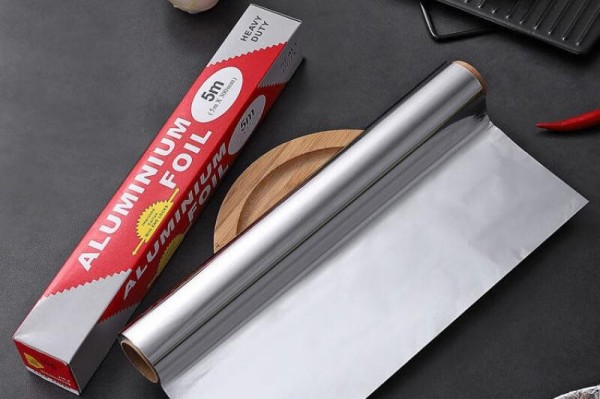
Технічне пояснення
Комерційна алюмінієва фольга, як правило, виготовляється більш товстого розміру (10– 25 мікрон) з більшою міцністю на розрив, краща стійкість до проколів, і покращена термостійкість. Це досягається за рахунок:
- Вибір харчових сплавів, таких як 8011, 3003, або 8006.
- Оптимізація швидкості скорочення прокатки для забезпечення рівномірної товщини.
- Використання суворіших допусків для відповідності вимогам HACCP і FDA/EFSA.
Зазвичай використовується побутова алюмінієва фольга 8011 сплав із меншою твердістю та товщиною 8–12 мікронів — підходить для типової випічки чи покриття харчових продуктів, але не підходить для навантажень промислового рівня.
Деталі виробничого процесу
1. Плавка та лиття сплавів
Комерційна фольга вимагає точності сплаву, дегазація, фільтрація, і подрібнення зерна для забезпечення стабільності міцності.
2. Гаряча прокатка → холодна прокатка
Комерційна фольга часто проходить додаткові проходи холодної прокатки для покращення якості поверхні та механічної однорідності.
3. Відпал
Контрольований відпал забезпечує конкретні рівні твердості:
- М'яка вдача (О) для обгортання та формування.
- Важка вдача (H18) для формування тари.
У комерційній фользі зазвичай використовується проміжна твердість, щоб протистояти розриву під час використання на високій швидкості.
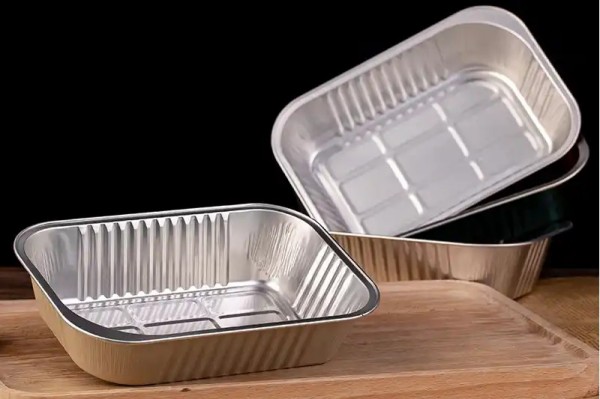
4. Обробка поверхонь
Професійна фольга може включати:
- Мастила, безпечні для харчових продуктів для формування контейнерів глибокої витяжки.
- Антипригарні покриття для промислової випічки.
- Тиснення для підвищення міцності.
5. Промислова упаковка
Більший діаметр сердечника, посилені короби, і суцільні рулони (до 100-300 метрів) підтримка безперервної комерційної діяльності.
Сценарії застосування
| Тип програми | Комерційне використання | Побутове використання |
|---|---|---|
| Харчова упаковка | Підготовка кухні великого обсягу, централізоване виробництво їжі | Базове зберігання продуктів харчування вдома |
| Кулінарія & Випічка | Промислові печі, грилі, відпарювачі | Випічка в духовці, підкладка каструлі |
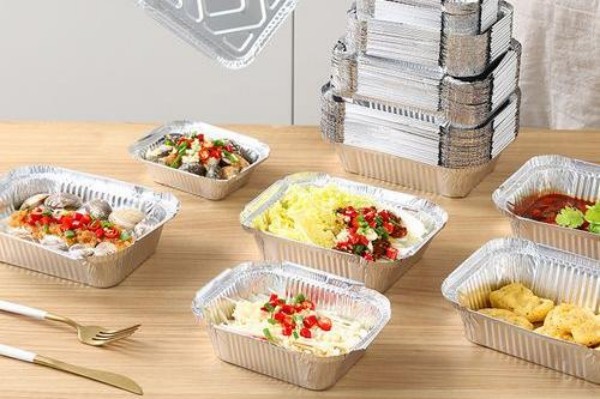
| Формування контейнера | Лотки з фольги, кришки, каструлі для громадського харчування | Маленькі одноразові лотки |
| Збереження тепла | Обслуговування шведський стіл, операції доставки | Недовго тримайте їжу теплою |
| Упаковка | Заморожені страви, пакети громадського харчування | Залишки їжі, ланчбокси |
Комерційна алюмінієва фольга витримує тривалі цикли нагрівання, підвищений механічний тиск, і безперервне використання — вимоги, які побутова фольга не може надійно задовольнити.
Таблиці даних
Таблиця 1: Порівняння специфікацій
| Параметр | Комерційна алюмінієва фольга | Побутова алюмінієва фольга |
|---|---|---|
| Товщина | 10–25 мкм | 8–12 мкм |
| Параметри сплаву | 8011 / 3003 / 8006 | В основному 8011 |
| Вдача | О / H22 / H24 / H18 | О |
| Міцність на розрив | 90–135 МПа | 60–90 МПа |
| Довжина рулону | 100–300 м | 5–20 м |
| Термостійкість | Вища, стабільний до 350°C | Стандартний, до 250-300°С |
Таблиця 2: Показники ефективності
| Власність | Комерційний сорт | Побутовий сорт |
|---|---|---|
| Стійкість до проколів | Високий | Середній |
| Міцність на розрив | Високий | Низький–Середній |
| Формованість | Підходить для глибокої витяжки | Обмежений |
| Рівномірність поверхні | Контроль промислового рівня | Базовий споживчий клас |
| Вартість за метр | Опускатися (масовий) | Вища (роздрібна упаковка) |
Контроль якості промислової фольги
Професійні кухні вимагають суворих протоколів контролю якості, в тому числі:
- Контроль відхилення товщини (<±2% для комерційної фольги).
- Тестування щільності отворів щоб забезпечити мінімальний ризик забруднення.
- Перевірка чистоти поверхні (залишкове масло <3 мг/м²).
- Випробування на механічну міцність для тяги, сльоза, і стійкість до проколів.
- Відповідність вимогам безпеки харчових продуктів з FDA, LFGB, і стандарти GB4806.
- Оцінка площинності рулону для безперебійного розгортання під час обслуговування.
- Запах & Випробування на міграцію покриття для стійкості до високих температур.
Ці заходи забезпечують довговічність, гігієна, і надійність процесів у складних умовах громадського харчування.
Часті запитання
Q1: Чи може побутова фольга замінити комерційну фольгу в ресторані?
Не рекомендується — недостатня стійкість до розриву та товщина для професійного використання.
Q2: Чому комерційна алюмінієва фольга дорожча?
Більш якісні сплави, більш жорсткі допуски, і промислова упаковка збільшує вартість.
Q3: Чи відповідають обидва типи стандартам для контакту з харчовими продуктами?
Так, але комерційна фольга проходить суворіші партійні випробування для стабільної роботи.
Q4: Товста фольга завжди краще?
Не завжди; товщина повинна відповідати застосуванню (відпарювачі, грилі, формувальні преси, тощо).

Висновок
Комерційна алюмінієва фольга і господарська фольга служать принципово іншим цілям. Комерційна фольга забезпечує підвищену міцність, довговічність, термостійкість, і структурна стабільність — атрибути, необхідні для великомасштабного приготування їжі, промислова тара, та інтенсивні кухонні робочі процеси. Побутова фольга залишається придатною для повсякденних завдань, але не може задовольнити механічні та термічні вимоги професійного обслуговування громадського харчування. Вибір правильного типу фольги безпосередньо впливає на ефективність, безпеки, і довгострокові експлуатаційні витрати на будь-якій кухні.