
Isikhokelo sokugqibela sePTP yeFoil yeAluminiyam: Iinkcukacha, Ukukhetha, kunye neeNdlela zoShishino
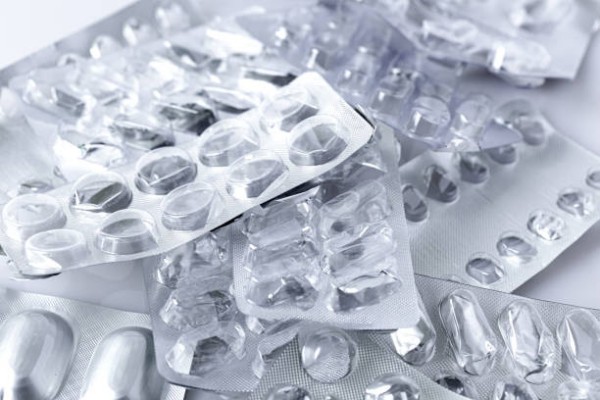
Ekukhuseleni ukhuseleko, uzinzo, kunye nokusetyenziswa lula kwamayeza, ukupakishwa kweziyobisi kudlala indima ebalulekileyo. Phakathi kwezinto eziphambili, I-PTP ye-Aluminiyam ye-Aluminiyam (Cofa ngokuPakisha iFoil yeAluminiyam), ukusebenza njengeyona nxalenye yokutywina kwipakethe yeblister yamayeza, iye yaba yimfuneko kwishishini langoku loxubo-mayeza enkosi kwiipropathi zalo ezibalaseleyo zomqobo, ukutywinwa okuthembekileyo, kunye nendlela yokuvula esebenziseka lula.
Eli nqaku lijolise ekunikezeni isikhokelo esibanzi Ifoyile yealuminiyam yePTP, egubungela iingcamango zayo ezisisiseko, iinkcukacha ezingundoqo zobugcisa, iinkqubo zemveliso, iikhrayitheriya zokukhetha, kunye neendlela ezizayo, ukunceda abavelisi bamayeza kunye neenkampani zokupakisha ukwenza izigqibo ezinolwazi.

1. I-PTP ye-Aluminiyam ye-Aluminiyam: I “Umgcini” Amadyungudyungu amayeza
I-PTP imele “Cinezela NgokuPakisha.” Indlela yayo engundoqo ivumela abasebenzisi ukuba bacinezele nje i-blister ngomnwe, ukutyhala ithebhulethi okanye i-capsule ngokusebenzisa i-aluminium foil backing-inkqubo ecacileyo kunye necocekileyo. Le foil ibonakala ilula, inyaniso, imathiriyeli edibeneyo edibeneyo.
Yalo ulwakhiwo oluqhelekileyo olunemigangatho emithathuiqinisekisa usetyenziso oluninzi:
- Ungqameko lokushicilela:Ithwala ulwazi lweziyobisi, uphawu, kunye neenombolo zebhetshi-ifestile yolwazi.
- I-Aluminiyam yeFoil Substrate umaleko:Ibonelela ngezinto eziyimfuneko umqobo ngokuchasene nokufuma, ioksijini, kunye nokukhanya, ukukhusela izithako zechiza kwizinto zokusingqongileyo.
- Ukutyibilika kwetywina:Iibhondi ngokukhuselekileyo kwi-PVC okanye kwi-PVDC blister cavity phantsi kobushushu, ukwenza iyunithi etywiniweyo.
2. Jonga ngokunzulu kwiiNgcaciso ezingundoqo: Ukusuka kwi-alloy ukuya kwi-Coating
2.1 Ukhetho lwe-alloy: Kutheni 8011 i-Mainstream?
Ifoyile ye-PTP isetyenziswa kakhulu 1000 okanye 8000 uthotho lwealloys aluminiyam ukuqinisekisa ductility elungileyo kunye nokusebenza. Iimeko zesicelo kwii-alloys ezahlukeneyo zithelekiswa ngezantsi:
Itafile 1: Ukuthelekiswa kwe-PTP ye-Aluminiyam ye-Aluminiyam ye-Foil Alloys eqhelekileyo
| Ingxubevange | Iimpawu eziphambili | Usetyenziso oluqhelekileyo |
|---|---|---|
| 8011 | Ezixhaphake kakhulu. Iqulethe umkhondo Fe & Kwaye, ukunika ibhalansi ebalaseleyo yamandla, ubomi, kunye nokumelana nepinhole. | Ukupakishwa kweBlister uninzi lweetafile kunye neecapsules. |
| 8021 | Iimpawu zomqobo eziphezulu. | Amachiza akwinqanaba eliphezulu anovelwano kukufuma/ioksijini. |
| 8079 | Icwecwe kakhulu ngamandla amakhulu. | Ukupakishwa kweziyobisi ngeemfuno ezizodwa zoomatshini. |
| 1235 | I-aluminium ecocekileyo ephezulu, ukucoceka okuphezulu. | Iziyobisi okanye ukutya okunemida engqongqo kwi-ion migration yensimbi. |
2.2 Ukutyeba: Isitshixo sokuLungelelanisa iNtsebenzo kunye neendleko
Ukutyeba kuchaphazela ngokuthe ngqo ukusebenza komqobo, ukutyhala ngokulula (ukutyhala-ngamandla), kunye neendleko. Ukukhetha ubukhulu obufanelekileyo kubalulekile.
Itafile 2: Ukutyeba okuqhelekileyo kwe-PTP ye-Aluminiyam yeFoil kunye nokuSebenza
| Ukutyeba | Iimpawu | Izicelo eziphambili |
|---|---|---|
| 0.018 mm | Ezoqoqosho, umqobo osisiseko. | Amachiza angabizi kakhulu aneemfuno zozinzo jikelele. |
| 0.020 mm | Umgangatho. Ibhalansi efanelekileyo yokusebenza kunye neendleko. | Ixhaphake kakhulu ekupakishweni kweziyobisi, ukusetyenziswa okubanzi. |
| 0.025 mm | Uhlobo lomqobo ophezulu. | Amachiza afuna ukufuma okuphezulu / ukhuseleko lokukhanya. |
| 0.030 mm | Uhlobo lomqobo oluphezulu. | Ngeziyobisi eziyimfuneko okanye iimveliso zexabiso eliphezulu. |

2.3 IiParameters eziphambili zobuGcisa kunye noMgangatho
I-PTP ye-aluminium foil efanelekileyo kufuneka ihlangabezane nochungechunge lweeparamitha ezingqongqo. Iinkcukacha zayo ezisisiseko zobugcisa ziqhelekile ngolu hlobo lulandelayo:
Itafile 3: IiParameters eziQhelekileyo zobuGcisa kwiFoil yeAluminiyam yePTP yePharmaceutical
| Ipharamitha | Inkcazo yobuGcisa / Imfuneko |
|---|---|
| Ii-alloys eziqhelekileyo | 8011, 8021 |
| Ukucaphuka | H18 (Nzima Ngokupheleleyo) |
| Ukutyeba okusemgangathweni | 0.020 mm (Unyamezelo oluqhelekileyo ±5%) |
| Amakhonkco | ≤ 10 iipcs/m² |
| Amandla etywina lobushushu | ≥ 7 N / 15mm (kunye nePVC/PVDC) |
| Uxinzelelo lomphezulu | ≥ 38 mN/m (Dyne) |
- Inqaku lomsindo:I H18 Umsindoibonisa ukuba i-foil isebenze ngokupheleleyo, ukunika amandla aphezulu kunye nokuqina, ukuqinisekisa ukusebenza kakuhle kwimigca yokupakisha ye-blister enesantya esiphezulu kunye nokubumba okulungileyo.
- Ukutyibilika kwetywina:Umaleko wetywina lobushushu ngaphakathi kwesakhiwo sokugquma sibaluleke kakhulu. Ukubunjwa kwayo kunye nomgangatho wokwaleka ngokuthe ngqo kumisela amandla ebhondi kunye ne-blister, ekufuneka ihlangabezane nemigangatho yokuthintela ukuvulwa ngengozi ngexesha lokuthuthwa nokugcinwa.
3. PTP vs. IFoil yokubumba ebandayo: Indlela Yokukhetha?
Ezi ziintlobo ezimbini eziphambili zefoyile ye-aluminiyam yokupakisha amayeza, yahluka ngokusisiseko kuyilo kunye nokusetyenziswa:
Itafile 4: I-PTP ye-Aluminiyam Foil vs. I-Aluminiyam eyakhiwe ngeFoil ebandayo
| Umba | I-PTP ye-Aluminiyam ye-Aluminiyam | IFoil yokubumba ebandayo (Cff) |
|---|---|---|
| Ulwakhiwo | Ifoyile encinci enelaminated (~20-25µm) kunye neblister yeplastiki ecacileyo. | “I-Aluminiyam-Aluminiyam” ipakethe eyenziwe ngefoyile engqindilili (~130-150µm). |
| Umqobo | Kulungile, anele kumachiza amaninzi. | Egqwesileyo, iphantse yangenwa kukufuma & ioksijini. |
| Iindleko | Ngokwentelekiso esezantsi. | Ngokuthelekiswa phezulu. |
| Imbonakalo | Okusekuhleni, iyeza elibonakalayo. | Opaque. |
| Ukusetyenziswa okuPhambili | Iipilisi eziqhelekileyo, iipilisi, Amachiza e-OTC. | Amachiza avakalelwa kakhulu kukufuma/ioksijini (I-E.G., ezinye zebhayoloji, lyophilisates ngomlomo). |
4. Indlela yokukhetha i-PTP ethembekileyo yeAluminiyam yeFoil Supplier?
Ukukhetha umthengisi ofanelekileyo kusisiseko sokuqinisekisa umgangatho wokupakisha ongaguqukiyo. Gxininisa kwezi ngongoma zilandelayo:
- Ukulandelelwa kweMathiriyeli ekrwada:Beka phambili ababoneleli abasebenzisa iingots eziphambili ze-aluminiumukucoceka okuphezulu kunye nokuhambelana.
- Inkqubo yeMveliso & Izixhobo: Vavanya ukuba banemigca yokugquma eqhubekayo, oomatshini bokushicilela abachaneke kakhulu, kunye nesakhono sokusika kwi a Igumbi lokucoca eliqinisekisiweyo le-GMPimo engqongileyo.
- Iziqinisekiso & Imigangatho:Umthengisi kufuneka abenayo ISO9001 isiqinisekisokwaye uqhelane nemigaqo efanelekileyo efana Gmp, I-ASTM B479, Ngaphakathi 546, okanye Imigangatho yeYBB yaseTshayina.
- Ukukwazi ukuVavanya uMgangatho:Umzi-mveliso kufuneka ube nelebhu epheleleyo yangaphakathi enezixhobo ezifana nezixhobo zokujonga imibhobho, abavavanyi betywina lobushushu, kunye neegeyiji zokutyeba, kunye nokubonelela nge-CoA enegunya (Isatifikethi sohlalutyo).
5. IiNdlela zoPhuhliso lwexesha elizayo
Njengoko ishishini lokupakisha amayeza liqhubela phambili, Itekhnoloji yefoyile ye-PTP iyaqhubeka nokuguquka:
- Imiqobo ePhakamileyo:Ukuphuhliswa kwealloyi ezisebenza ngokuphezulu kunye nokugquma ukuze kuhlangatyezwane nemiceli mngeni yozinzo lwamachiza.
- Smart & Iyalandeleka:Ukudityaniswa kwe ushicilelo lwedijithali, Iikhowudi zeQR, I-RFIDukwenzela unikezelo lwekhonkco elubala, ukuphela ukuya ekupheleni kokulandeleka, kunye nokuphuculwa kokuchasana nenkohliso.
- Luhlaza & Uzinzo:Ukuphononongwa kwemathiriyeli yokugquma elungele ngakumbi i-eco-friendly kunye nokuphuculwa kokusebenza kwakhona kwefoyile kunye nokuzinza ngokubanzi, ngaphandle kokunciphisa ukusebenza.
Ukuqukumbela
Ifoyile ye-aluminiyam ye-PTP ingaphezulu lee kunomaleko wesinyithi olula. Kukukhazimla kwenzululwazi yemathiriyeli, ukwenziwa ngokuchanekileyo, kunye nokulawula umgangatho-ukhuseleko olubalulekileyo oluqinisekisa ukuba amachiza ahamba ngokukhuselekileyo ukusuka kumgca wemveliso ukuya kumguli. Ukuqonda iinkcukacha zayo eziphambili-ukusuka kwi-mainstream 8011-H18 ingxubevangekwaye 20-micron umgangatho ubukhulukwiingubo eziqinileyo zobushushu-sisiseko sokwenza ukhetho oluchanekileyo lobugcisa.
Kwimalike ekhuphisanayo, ukusebenzisana nomthengisi wefoyile we-aluminiyam we-PTP onayo isiseko semathiriyeli ekrwada, iinkqubo zemveliso eziphambili, inkqubo eyomeleleyo yokulawula umgangatho, kunye no-R oqhubekayo&D isakhonoayisositshixo ekuqinisekiseni umgangatho wokupakisha kuphela kodwa linyathelo elinoxanduva lokuqinisekisa ukhuseleko lwamachiza kunye nokukhusela impilo yoluntu..