
PTP aluminijska folija 8011: Dubinska analiza osnovnog materijala za farmaceutsko blister pakiranje
Sažetak
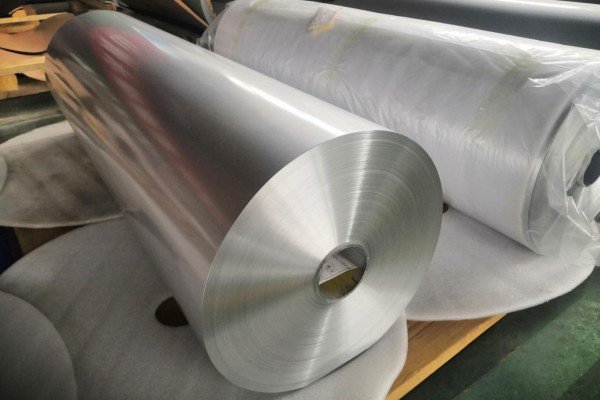
PTP aluminijska folija 8011 je materijal od aluminijske folije visokih performansi posebno razvijen za čvrsta farmaceutska blister pakiranja. Njegova temeljna funkcija je osigurati gotovo savršene zaštitne barijere za tablete, kapsule, i drugi oblici čvrste doze. Kao podloga za Press Through Packaging (PTP), izravno je povezan sa stabilnošću lijeka, sigurnost, i pogodnost doziranja. Ovaj članak daje detaljnu analizu znanosti o materijalima iza 8011 legura, njegov precizan proces proizvodnje, svojim strogim sustavom kontrole kvalitete, i njegovu središnju ulogu u farmaceutskoj industriji, nudeći sveobuhvatan tehnički vodič i vodič za primjenu za farmaceutske tvrtke, inženjeri pakiranja, i profesionalci u industriji.
1. Definicija materijala i pozicioniranje industrije
1.1 Osnovna definicija PTP folije
PTP, skraćenica za Prešano pakiranje, obično se na kineskom naziva “prešano pakiranje” ili “blister pakiranje.” Njegova struktura obično se sastoji od dva dijela:
- Formiranje filma (Blister film): Prozirna plastična folija (Npr., PVC, PVDC) koji je prethodno zagrijan i oblikovan za stvaranje šupljina (mjehurići) držati tablete.
- Materijal poklopca: PTP aluminijska folija, koji je toplinski zavaren na blister film, pojedinačno brtvljenje lijeka u svakoj šupljini blistera.
Tijekom korištenja, pacijent jednostavno vrši pritisak na poleđinu folije na mjestu gdje se tableta gura (ili oguliti) kroz foliju. Ovaj format pakiranja kombinira prednosti jedinično doziranje, izvrsna zaštita, prenosivost, i visoka suradljivost pacijenata.
1.2 Status industrije 8011 Aluminijska legura
Među brojnim vrstama aluminijskih legura, 8011 leguraje globalno prepoznat kao “zlatni standard” materijal za izradu farmaceutske PTP folije zbog svoje optimalne ravnoteže snaga, oblikovnost, savitljivost, i kvalitetu površine. Pripada aluminijskim legurama serije 8xxx koje se ne mogu toplinski obrađivati (Serija Al-Fe-Si). Njegova svojstva se prvenstveno reguliraju hladnim otvrdnjavanjem (Npr., H18, H19 temperament) i procesi žarenja, što ga čini iznimno prikladnim za ultra-tanko valjanje i naknadno utiskivanje velikom brzinom.
Pojašnjenje terminologije industrije:
- PTP folija: Naglašava njegovu funkciju i primjenu (materijal za pokrivanje).
- Farmaceutska aluminijska folija / Obložena aluminijska folija: Naglašava svoj konačni oblik proizvoda (obložena farmaceutskim lakom za toplinsko brtvljenje).
- 8011 Legirana folija: Naglašava njegov sastav osnovnog materijala.
Ovi se izrazi često koriste kao sinonimi u nabavi farmaceutske industrije i tehničkoj komunikaciji.
2. Kemijski sastav i mikrostrukturna analiza 8011 Legura
Prednosti izvedbe 8011 legure ukorijenjeni su u njezinom precizno kontroliranom kemijskom sastavu.
| Element | Standardni raspon sadržaja (tež.%) | Uloga i utjecaj u materijalu |
|---|---|---|
| Al | Uravnotežiti (≥97,5) | Obični metal, pružanje osnovnih metalnih svojstava, duktilnost, i svojstva barijere. |
| Fe | 0.60 – 1.00 | Ključni element za jačanje. Oblikuje se igličastim ili skeletnim AlFeSiintermetalni spojevi sa Si. Ovi fini, tvrde čestice učinkovito pričvršćuju granice zrna i dislokacije, značajno povećava čvrstoću i tvrdoću materijala dok inhibira rast rekristaliziranih zrna, što rezultira profinjenom mikrostrukturom. |
| I | 0.50 – 0.90 | Još jedan ključni element. Tvori spojeve s Fe, reguliranje oblika prisutnosti Fe. Višak Si može stvoriti krti slobodni silicij, štetna žilavost; dok je odgovarajući omjer Fe/Si (obično blizu 1:1) omogućuje stvaranje ujednačenijih i finijih spojeva, optimiziranje ukupne izvedbe. |
| Cu | ≤ 0.10 | Element nečistoće, strogo kontrolirani. Količine Cu u tragovima mogu povećati čvrstoću, ali značajno smanjiti otpornost folije na koroziju i mogu utjecati na kompatibilnost s formulacijama lijekova, dakle što niže to bolje. |
| Mn | ≤ 0.20 | Element nečistoće, obično se uvodi iz sirovina. Količine Mn u tragovima mogu osigurati jačanje čvrste otopine, ali također trebaju kontrolu. |
| Mg, Zn, Od, itd. | Svaki ≤ 0.05 – 0.10 | Svi su strogo kontrolirani elementi nečistoća. Njihova prisutnost može utjecati na čistoću legure, otpornost na koroziju, i učinkovitost površinske obrade. |
Sažetak prednosti znanosti o materijalima:
- Kombinacija visoke čvrstoće i dobre sposobnosti oblikovanja: Faze disperzijskog jačanja koje čine Fe i Si dopuštaju 8011 folija ima dovoljnu vlačnu čvrstoću i krutost na vrlo tankim debljinama (Npr., 0.02mm) izdržati naknadnu obradu i transport; u međuvremenu, aluminijska matrica osigurava dobru rastegljivost za lako utiskivanje bez pucanja.
- Stabilna mikrostruktura: Jednolika raspodjela finih spojenih faza rezultira boljim anizotropnim svojstvima, ujednačena izvedba nakon valjanja, i glatku površinu.
- Izvrsna kontrola rupice: Čisti sastav legure i homogena mikrostruktura uvelike smanjuju vjerojatnost kritičnih rupica (greške kroz debljinu) koji se javljaju tijekom valjanja do mikrometarskih debljina.
3. Detaljna analiza osnovnih svojstava PTP aluminijske folije 8011
3.1 Svojstva apsolutne barijere: Kamen temeljac stabilnosti lijekova
Aluminijska folija jedini je fleksibilni materijal za pakiranje koji omogućuje a sveobuhvatan, apsolutna barijera.
- Brzina prijenosa vodene pare (WVTR): Teoretski 0. Stvarni proizvod mora proći stroga ispitivanja kako bi se osigurao gotovo nulti prijenos vlage čak i pod uvjetima visoke temperature i vlage. Ovo je primarno jamstvo protiv raspadanja lijeka, rast plijesni, i smanjenje učinkovitosti.
- Brzina prijenosa kisika (OTR): 0. Potpuno blokira kisik, sprječavanje oksidacije i razgradnje aktivnih sastojaka (Npr., vitamini, antibiotici, lipidi).
- Svjetlosna barijera: Potpuno neproziran, posebno blokiranje 100% ultraljubičasto (UV) svjetlo, učinkovito štiteći lijekove osjetljive na svjetlost.
- Barijera od mikroba i zagađivača: Gusta metalna struktura potpuno blokira bakterije, kalupi, prah, i plinoviti mirisi, osiguravanje higijene lijeka.
3.2 Pouzdana izvedba toplinskog brtvljenja: Ključ za integritet pečata
Jedna ili obje strane PTP aluminijske folije obložene su specijaliziranom lak za toplinsko brtvljenje farmaceutske kvalitete.
- Funkcija laka za toplinsko brtvljenje: Na stanici za toplinsko zavarivanje stroja za blister pakiranje, pod određenom temperaturom, pritisak, i vrijeme, ovaj premaz se topi i spaja s površinom PVC-a ili drugog sloja za oblikovanje, stvarajući jaku brtvu nakon hlađenja.
- Zahtjevi izvedbe:
- Prikladna temperatura aktivacije: Mora odgovarati talištu filma koji se formira kako bi se osiguralo brzo, stabilno brtvljenje.
- Dobar Hot Tack: Pruža dovoljnu početnu čvrstoću odmah nakon zatvaranja i tijekom hlađenja kako bi se spriječilo ljuštenje tijekom transporta.
- Kontrolirana čvrstoća ljuštenja: Brtva mora biti dovoljno jaka da prođe ispitivanja pada i vibracija, ipak dopusti pacijentu (uključujući i starije osobe) relativno lako progurati tablet. Sila ljuštenja obično ima specifične zahtjeve u rasponu (Npr., 0.5-2.5 N/15 mm).
- Izvrsna kompatibilnost: Lak za toplinsko brtvljenje mora ispunjavati farmaceutske standarde—nije toksičan, bez mirisa, i ne smije migrirati niti reagirati s lijekom.
3.3 Izvanredna mehanička i obradna izvedba
Ovo je temeljno za osiguranje kontinuiranog, stabilan rad brzih automatiziranih linija za blister pakiranje.
- Izvedba žigosanja/formiranja: Na stroju za pakiranje, folija se mora odmah utisnuti kako bi se stvorile specifične linije suza (Npr., kružni, u obliku križa) i može biti podvrgnut laganom istezanju. Izvrsna duktilnost i svojstva otvrdnjavanja 8011 folija rezultira čistim, rezovi bez srha i minimalan rizik od mikropukotina.
- Stabilnost rada weba: Rola folije mora održavati stabilnu napetost tijekom brzog odmotavanja, prijevoz, i premotavanje bez boranja ili lutanja. To zahtijeva izuzetno niske tolerancije debljine i ravnosti (bez rubnih valova ili kopči).
- Otpor na rupicu: Materijal mora biti otporan na koncentraciju naprezanja tijekom brzog utiskivanja i kasnijeg rukovanja kako bi se izbjeglo stvaranje novih rupa.
3.4 Izvrsna površina i izvedba ispisa
PTP folija je izravni nositelj informacija o lijeku.
- Površinski obrada: Za poboljšanje prianjanja tinte i laka za toplinsko brtvljenje, površina folije obično prolazi temeljni tretmanda poboljša svoju površinsku energiju.
- Ispis: Duboki tisak može se koristiti za postizanje visoke razlučivosti, tekst visokog kontrasta, grafika, i crtični kodovi. Ovo je ključno za naziv lijeka, snaga, broj serije, datum isteka, proizvođač, i oznake protiv krivotvorenja.
- Zaštitni kaput: Nakon tiskanja, nanosi se prozirni zaštitni lak za pretisak kako bi se spriječilo habanje otisnutog sadržaja tijekom transporta i uporabe, i za poboljšanje površinskog sjaja.

4. Potpuni tok proizvodnog procesa i precizna kontrola
Proizvodnja PTP aluminijska folija je tehnološki intenzivan, visokoprecizna kontinuirana procesna linija.
- Taljenje i lijevanje legura:
- Koristi primarni aluminij visoke čistoće (Npr., >99.7%).
- Precizno dodaje elemente poput Fe i Si u peći za taljenje, korištenje procesa rafiniranja i otplinjavanja za uklanjanje vodika i nečistoća.
- Talina se filtrira i zatim lijeva pomoću kontinuiranog lijevača u ploče od legure debljine približno 6-8 mm.
- Vruće valjanje:
- Ploča se zagrijava iznad temperature rekristalizacije i valja kroz mlin za vruće valjanje u toplo valjane kolute debljine 2-4 mm. Ovaj proces u početku razgrađuje lijevanu strukturu i homogenizira sastav.
- Hladno valjanje:
- Provodi se na sobnoj temperaturi kroz više prolaza, ovo je ključni proces za smanjenje debljine i postizanje željenih mehaničkih svojstava. Velike sile kotrljanja uzrokuju otvrdnjavanje, postupno smanjujući debljinu na 0,3-0,5 mm.
- Rolanje folije:
- Osnovni proces. Na specijaliziranim valjaonicama folije, “dvostruko valjanje” često se koristi—motanje dva sloja folije zajedno kako bi se spriječilo lomljenje pri ekstremnoj tankosti. Konačni mjerač (0.016–0,025 mm) se postiže. Ovaj proces zahtijeva izuzetnu preciznost u poravnanju valjaka, čistoća ulja za kotrljanje, i kontrolu napetosti.
- Žalost:
- Kontrolirano žarenje se izvodi na temelju željene temperature proizvoda (meka O-narav, ili tvrdi H18/H19 temper). Žarenjem se smanjuje unutarnji stres, prilagođava mehanička svojstva, i stabilizira dimenzije. Farmaceutska folija obično se podvrgava niskotemperaturnom žarenju kako bi se povratila određena plastičnost uz zadržavanje određene razine čvrstoće.
- Površinska obrada i premazivanje:
- Provedeno u okruženju čiste sobe. Folija je prva odmastiti i očistitikako bi se osigurala apsolutna čistoća površine.
- Temeljni premaz: Nanosi se vrlo tanak sloj ljepila kako bi se poboljšalo prianjanje naknadnog premaza.
- Lakirani premaz za toplinsko brtvljenje: Precizni uređaj za premazivanje (Npr., mikrogravura, nož za premazivanje) ravnomjerno nanosi formulirani farmaceutski toplinski lak. Obložena folija zatim prolazi kroz pećnicu za dugo sušenje radi kontroliranog sušenja i stvrdnjavanja.
- Tiskanje: Tinte prehrambene i farmaceutske kvalitete koriste se za ispis u više boja.
- Zaštitni premaz: Nanosi se završni prozirni zaštitni sloj.
- Rezanje i pregled:
- Brzo rezanje na širine koje specificira kupac.
- Potpuni online pregled: Uključuje mjerenje debljine (beta mjerač), otkrivanje rupice (iskra ili CCD vision sustav), otkrivanje površinskih defekata, itd.
- Konačni QC: Uzimanje uzoraka i ispitivanje svih ključnih parametara: čvrstoća toplinskog spajanja, ostaci otapala, mikrobne granice, kvaliteta ispisa, itd.
5. Standardi kvalitete: Ispunjavanje najstrožih svjetskih regulatornih zahtjeva
5.1 Temeljni propisi i standardi
- Sjedinjene Države: Mora se pridržavati FDA 21 CFR 175.300 (indirektni dodaci hrani) i GMP zahtjevima. Materijal i njegove komponente premaza moraju biti na popisu dopuštenih tvari FDA-e.
- Europska unija: Mora biti u skladu s relevantnim zahtjevima pod EU 10/2011 (plastični materijali koji dolaze u dodir s hranom) ili strože farmakopejske smjernice. Dobavljači moraju biti u mogućnosti pružiti kompletan Izjava o sukladnosti (DoC) i podaci testa migracije.
- Kina: Mora se pridržavati YBB standardi (Nacionalni standardi materijala za pakiranje lijekova) i dobiti registraciju/podnošenje.
- Međunarodni standardi: ISO 15378 (Dobre proizvođačke prakse za materijale za primarnu ambalažu za lijekove) je ključni standard sustava kvalitete.
5.2 Detaljno objašnjenje ključnih stavki ispitivanja performansi
| Ispitni predmet | Metoda ispitivanja / Standard | Značaj i zahtjevi |
|---|---|---|
| Rupice | Detekcija u mračnoj komori pod određenim naponom | Indikator sigurnosti jezgre. Za proizvode debljine 0,02 mm, broj rupica po standardnoj površini mora biti izuzetno nizak ili jednak nuli. Rupice su izravan uzrok kvara barijere. |
| Debljina & Tolerancija | Mikrometar ili mrežni mjerač debljine | Utječe na svojstva barijere, mehanička čvrstoća, i trošak. Tolerancija se obično kontrolira unutar ±5%. |
| Snaga toplinskog brtvljenja | ASTM F88 / GB/T 2358 | Simulira stvarni proces uklanjanja lijeka. Sila ljuštenja mora biti unutar razumnog raspona koji osigurava cjelovitost brtve i istovremeno omogućuje lako otvaranje. |
| Ostaci otapala | Plinska kromatografija-masena spektrometrija (GC-MS) | Otkriva ukupna zaostala otapala (Npr., benzen, ketoni, esteri) i specifične štetne tvari iz procesa tiskanja/premazivanja. Mora biti ispod strogih granica (Npr., ukupno ≤5 mg/m²). |
| Mikrobne granice | Farmakopejske metode (Npr., USP <61>) | Testovi ukupnog broja aerobnih mikroba, ukupni kombinirani broj kvasaca/plijesni, osiguravanje razine higijene. |
| Kvaliteta ispisa & Prianjanje | kolorimetar, test otpornosti na trljanje (Npr., mjerač posuđa) | Osigurava da je ispisani sadržaj jasan, točan, izdržljiva, i otporan na habanje, jamčeći sljedivost. |
| Opuštajuća izvedba | Praktična simulacija na stroju za pakiranje | Ocjenjuje nesmetan rad role folije na brzoj opremi za pakiranje—provjera puknuća trake, bore, ili neusklađenost. |
6. Tržišni trendovi, Proširenje aplikacije, i strategija odabira dobavljača
6.1 Tržišni pokretači i trendovi
- Rast u lijekovima za kronične bolesti: Stanja poput dijabetesa i hipertenzije koja zahtijevaju dugotrajno uzimanje lijekova potiču potražnju za blister pakiranjem jedinične doze.
- Sigurnost djece & Značajke prilagođene starijim osobama: PTP pakiranje kombinira otpornost na djecu (teško ukloniti više jedinica odjednom) i prilagođen starijim osobama (laka identifikacija, jednostavan pristup) karakteristike.
- Automatizacija & Pametna proizvodnja: Industrija 4.0 u farmaciji promovira brze linije za pakiranje, zahtijevajući više dosljednost, stabilnost, i sljedivostod folije. Svaka rola ima unikat “ID” (broj serije/rola) za potpunu sljedivost.
- Održivost: Aluminijska folija može se beskonačno reciklirati. Industrija istražuje tanje gabarite (Npr., 0.018mm) za smanjenje izvora bez ugrožavanja performansi, i optimiziranje premaza za smanjenje utjecaja na okoliš.
6.2 Osim tradicionalnih tableta & Kapsule: Proširenje aplikacije
- Nutraceutici visoke barijere: Proizvodi izuzetno osjetljivi na kisik i vlagu, poput ribljeg ulja i probiotika, sve više koriste blistere od aluminijske folije.
- Medicinski uređaji & Dijagnostički testovi: Sterilna gaza, kirurške oštrice, trake za mjerenje glukoze u krvi, itd., koristite sterilnu PTP ambalažu za sigurnost spremnosti za uporabu.
- Oralne tekućine u vrećicama: Neke vrećice s tekućinom za djecu (aluminij-plastični laminat) također često koriste 8011 legura za aluminijski sloj.
6.3 Sveobuhvatan kontrolni popis za odabir visokokvalitetnog dobavljača
Farmaceutske tvrtke trebale bi dobavljače folija promatrati kao kritični materijalni partneri, ne samo prodavači. Evaluacija treba obuhvatiti:
- Zaklada za sukladnost:
- Ima li dobavljač a Čisto proizvodno okruženje GMP-gradeovjerena od strane nadležnih tijela (posebno područja premazivanja i prorezivanja)?
- Ima li proizvod certifikate o sukladnosti s propisima za ključna ciljna tržišta (Npr., Glavna datoteka FDA, EU DoC)?
- tehnički & Mogućnosti kvalitete:
- Ima li puna kontrola opskrbnog lanca (od lijevanja do premazivanja)? To nudi veću stabilnost od dobavljača koji samo kupuje i oblaže temeljnu foliju.
- Da li je uznapredovalo online sustavi inspekcijei potpuna kemijski/fizikalni laboratorij?
- Je li njegov Sustav upravljanja kvalitetomcertificiran prema ISO 15378? Može li pružiti potpunu, sljedive serije Certifikati analize (Koa)?
- Proizvod & Servisne mogućnosti:
- Mogućnost prilagodbe: Može li fleksibilno prilagoditi formulacije lakova za toplinsko brtvljenje kako bi odgovarale različitim filmovima za oblikovanje (PVC, PVDC, PCTFE, LJUBIMAC)? Može li pružiti kompleksan ispis u više boja i rješenja protiv krivotvorenja?
- Tehnička podrška: Ima li profesionalni tehnički tim za aplikacije koji pomaže korisnicima s problemima kompatibilnosti stroja, optimizacija parametara toplinskog brtvljenja, itd.?
- Stabilnost & Dosljednost: Kakve su povratne informacije od dugogodišnjih kupaca? Je li varijacija performansi između serija minimalna?
- Održivost & Društvena odgovornost:
- Postoji li fokus na ekološki prihvatljive procese i procjenu životnog ciklusa proizvoda?
- Učinak društveno odgovornog poslovanja.
Zaključak
PTP aluminijska folija 8011 daleko je više od tankog sloja metala. To je proizvod znanosti o materijalima, precizna proizvodnja, i strogi farmaceutski propisi—a “odani čuvar” štiteći svaku pojedinačnu dozu od tvornice do pacijentove ruke. Kako se farmaceutsko pakiranje razvija prema većoj sigurnosti, pogodnost, i inteligencije, duboko razumijevanje i znanstvena selekcija 8011 PTP folije postale su nezamjenjive za farmaceutske tvrtke koje grade konkurentnost proizvoda i osiguravaju sigurnost lijekova za pacijente. Odabirom je odabir predanosti kvaliteti i sigurnosti.