
Uitgebreide technische specificaties, Selectie, en toepassingsgids voor farmaceutische aluminiumfolie
Invoering: PTP-aluminiumfolie – de “Eerste Bewaker” van de stabiliteit van geneesmiddelen
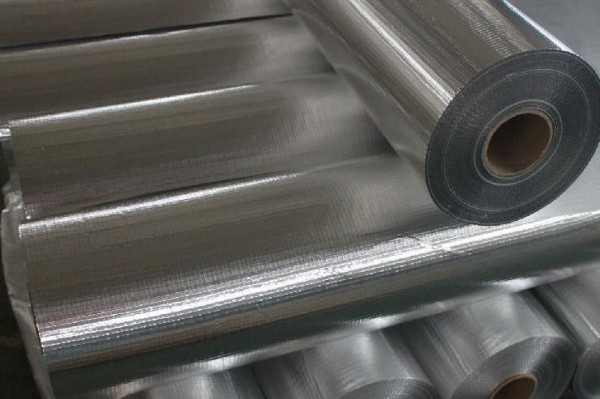
In de farmaceutische industrie, Primaire verpakkingsmaterialen vormen de meest kritische barrière voor het beschermen van de kwaliteit van geneesmiddelen. Farmaceutische aluminiumfolie, vooral de PTP (Druk door pakket) aluminiumfolie gebruikt in blisterverpakkingen, is de reguliere keuze geworden voor het verpakken van vaste doseringsvormen zoals tabletten, capsules, en pillen vanwege de uitstekende uitgebreide prestaties. Het is niet alleen een drager voor informatie en gemakkelijke dosering, maar ook het kernmateriaal dat medicijnen effectief isoleert van vocht, zuurstof, licht, en micro-organismen, het waarborgen van de stabiliteit ervan, veiligheid, en werkzaamheid gedurende de gehele levenscyclus, van productie tot patiëntentoediening.
I. De precieze structuur- en materiaalwetenschapsbasis van PTP-aluminiumfolie
PTP-aluminiumfolie is geen enkel materiaal, maar een nauwkeurig ontworpen materiaal “sandwich” samengesteld structuursysteem. Elke laag is zorgvuldig geselecteerd en geoptimaliseerd om synergetisch bescherming te bereiken, presentatie, en functionele eisen.
1.1 Diepgaande analyse van de meerlaagse composietstructuur
Tafel 1: Diepgaande analyse van de meerlaagse structuur van PTP-aluminiumfolie, Materiaalkenmerken, en functionele correlatie
| Laag & Naam | Kernfunctie | Analyse van gemeenschappelijke materialen en kenmerken | Typisch diktebereik | Sleutelprocessen en prestatiecorrelatie |
|---|---|---|---|---|
| Buitenste laag (Afdrukken/beschermlaag) | Informatiedrager & Fysieke bescherming: Biedt een bedrukbaar oppervlak voor afbeeldingen/tekst (naam, specificatie, batchnr., instructies, enz.); beschermt de interne structuur tegen mechanische krassen en vervuiling. | Polyester (HUISDIER): Grote sterkte, uitstekende maatvastheid, goede bedrukbaarheid, uitstekende temperatuurbestendigheid. De mainstream keuze. Nylon (CREËREN): Uitstekende taaiheid, lek- en buig- en scheurweerstand. Gebruikt in toepassingen die een superieure val-/slagvastheid vereisen. Papier: Milieuvriendelijk, ondoorzichtig, unieke textuur, maar slechte barrière-eigenschappen, waarvoor laminering met aluminiumfolie met hoge barrière nodig is. |
12 µm – 25 µm | Afdrukproces: Typisch diepdruk, vereisen farmaceutische kwaliteit low-migration inkten met sterke hechting en wrijfvastheid. Vereist voldoende drogen met oplosmiddelpost-printen om residuen te controleren. Oppervlaktebehandeling: Het materiaaloppervlak vereist een corona- of coatingbehandeling om de hechting van inkt en coating te verbeteren. |
| Kernlaag (Barrièrelaag van aluminiumfolie) | Absolute barrièrekern: Biedt een bijna perfecte barrière tegen waterdamp, zuurstof, en licht; zorgt voor de nodige stijfheid en stijfheid om gemakkelijk door te duwen. | 8011-O Temper-aluminiumlegering: De meest universele kwaliteit, biedt uitstekende dieptrekvervormbaarheid, evenwichtige kracht en flexibiliteit, helder oppervlak. 8079-O Temper aluminiumlegering: Biedt een betere vochtbestendigheid en minder gaatjes dan 8011, vaak gebruikt voor veeleisende verpakkingen. |
20 µm – 40 µm | Rollend proces: Gewalst tot de beoogde dikte met behulp van precisiemolens, waarvoor een strikte diktetolerantie vereist is (normaal ±5%) en een schoon, vetvrije ondergrond. Gloeien (O-Temper-behandeling): Maakt het zacht, ervoor te zorgen dat het blaren vormt zonder terugveren of scheuren. Pinhole-controle: Een kernkwaliteitsindicator, waarbij inspectie onder specifieke verlichting vereist is om er zeker van te zijn dat er geen gaatjes in de barrière terechtkomen. |
| Binnenlaag (Heat-Seal/kleeflaag) | Afdichting & Verbinden: Onder hitte en druk, versmelt met het onderste blisterblad (bijv., Pvc, PVDC) om een afgesloten medicijnholte te vormen. | Polyvinylchloride (Pvc): Meest voorkomend, kosteneffectief, hoge helderheid, goede vervormbaarheid. Vereist strikte controle op vinylchloridemonomeer (VCM) residu. Polyvinylideenchloride (PVDC): Gecoat op PVC of andere ondergronden, biedt een uitstekende vocht- en zuurstofbarrière, sleutel voor “hoge barrière” blaren. Polypropyleen (PP), Polyester (HUISDIER): Gebruikt voor geneesmiddelen waarbij compatibiliteitsproblemen met PVC optreden of die een hogere hittebestendigheid vereisen. |
30 µm – 60 µm (stevige inhoud) | Coatingproces: De smeltlijm (vaak VC-VDC-copolymeer) wordt gelijkmatig op het aluminiumfolieoppervlak gecoat via oplossings- of hotmeltmethoden. Uitharding: Door een oven gevoerd om oplosmiddelen te verdampen of de hotmelt te laten stollen, vorming van een uniforme afdichtingslaag. Heat Seal-prestaties: Het bereik van de activeringstemperatuur en de sterkte van de smeltlas moeten precies overeenkomen met die van het blistervel, verzekeren schone schil (d.w.z., de lijm scheidt netjes van het blistervel zonder dat residu het medicijn vervuilt). |
1.2 Samengestelde procestechnologie
De lagen zijn verbonden via droog laminerenof extrusie laminerenprocessen. Voor het lamineerproces zijn lijmen van farmaceutische kwaliteit nodig, ervoor te zorgen dat er geen luchtbellen ontstaan, rimpels, en uniforme afpelsterkte. Het gelamineerde materiaal ondergaat genezenzodat de lijm volledig kan uitharden, het behalen van eindprestaties.

II. Kern technische specificaties Matrix en prestatiedecodering
De prestaties van PTP-aluminiumfolie moeten worden gedefinieerd en gecontroleerd aan de hand van een reeks strikte kwantitatieve indicatoren. De volgende matrix integreert fysiek, barrière, veiligheid, en verwerkingseigenschappen.
Tafel 2: PTP-aluminiumfoliekern Technische specificaties en kwaliteitscontrolematrix
| Prestatiedimensie | Specifieke indicator | Standaardvereiste (Typische waarde) | Teststandaardreferentie | Betekenis & Impact op de geneesmiddelenveiligheid |
|---|---|---|---|---|
| Fysiek & Mechanische eigenschappen | Treksterkte (MD/TD) | ≥ 60 MPa | GB/T 1040.3, ASTM D882 | Weerspiegelt de weerstand van het materiaal tegen breken onder spanning. Beïnvloedt de baanstabiliteit en breuksnelheid op snelle verpakkingsmachines. Onvoldoende sterkte leidt tot baanbreuken en stilstand. |
| Verlenging bij breuk | ≥ 2% | GB/T 1040.3, ASTM D882 | Weerspiegelt de flexibiliteit en ductiliteit van het materiaal. Voldoende rek zorgt ervoor dat de folie soepel uitrekt tijdens de blaarvorming zonder te scheuren. | |
| Sterkte van de hitteafdichting (op PVC-plaat) | ≥ 7.0 N/15mm | NBB 00122002 | Sleutelindicator. Meet de integriteit van de afdichting. Een te laag niveau leidt tot lekkage en afbraak van het geneesmiddel; te hoog maakt de toegang voor patiënten moeilijk. | |
| Schil kracht (Tussenlaag) | ≥ 1.0 N/15mm | GB 8808 | Meet de hechtsterkte tussen folie, print laag, en afdichtingslaag. Een lage afpelsterkte veroorzaakt delaminatie, pakketintegriteit in gevaar brengen. | |
| Barrière-eigenschappen | Transmissiesnelheid van waterdamp (WVTR) | ≤ 0.5 G/(m²·24u) | NBB 00092003 (38℃±0,5℃, 90%±2% RV) | Kernindicator. Bepaalt de vochtbescherming. Essentieel voor vochtgevoelige medicijnen (bijv., aspirine, sommige antibiotica). |
| Zuurstoftransmissiesnelheid (OTR) | ≤ 0.5 cm³/(m²·24u·0,1 MPa) | NBB 00082003 (23℃±1℃, 0% RV) | Kernindicator. Bepaalt de oxidatiebescherming. Cruciaal voor zuurstofgevoelige medicijnen (bijv., vitamines, nitroglycerine, sommige op lipiden gebaseerde formuleringen). | |
| UV-lichtbarrièresnelheid | ≥ 99.5% | Aangepaste of raadpleeg lichte verouderingstests | Beschermt lichtgevoelige medicijnen (bijv., nifedipine, Vitamine B2) door fotodegradatie. Folie zelf is een uitstekende lichtbarrière, maar de afdrukdekking moet volledig zijn. | |
| Veiligheid & Hygiënische eigenschappen | Totaal oplosmiddelresidu | ≤ 5.0 mg/m² | NBB 00312004 | Residuen van print-/lijmoplosmiddelen (ethylacetaat, tolueen, isopropanol, enz.). Bij overschrijding van de limieten bestaat het gevaar dat geneesmiddelen worden besmet, geur, en toxiciteit. |
| Aromatisch oplosmiddelresidu | Niet gedetecteerd | NBB 00312004 | Benzeen, tolueen, enz., zijn sterke kankerverwekkende stoffen en moeten volledig afwezig zijn. | |
| Zware metalen inhoud (Pb) | ≤ 5 mg/kg | NBB 00172004 | Strenge controle op lood, cadmium, kwikmigratie om chronische accumulatietoxiciteit te voorkomen. | |
| Microbiële grenzen | Totaal aërobe microbiële telling ≤ 100 KVE/g, Totaal gecombineerde gisten/schimmels ≤ 100 KVE/g; Afwezigheid van E. coli, S. goudkleurig, P. aeruginosa, Salmonella | ChP Algemene Kapittels 1105, 1106 | Materialen die in contact komen met geneesmiddelen moeten voldoen aan de eisen voor microbiële controle, vooral voor niet-steriele producten. | |
| Abnormale toxiciteit | Geen abnormale toxiciteitsreactie | ChP Algemeen Kapittel 1141 | Biocompatibiliteitstest die ervoor zorgt dat materiaalextracten geen toxiciteit veroorzaken in biologische systemen. | |
| Verwerken & Gebruikseigenschappen | Oppervlaktebevochtigingsspanning | ≥ 38 mN/m (dynes/cm) | GB/T 14216 | Foundation voor een goede hechting van inkt en coating. Een lage spanning veroorzaakt een slechte delaminatie van de print en de coating. |
| Heat Seal-laag Activeringstemp. Bereik | bijv., 130℃ – 150℃ | Aangepast (gemeten via heatsealer) | Begeleidt de temperatuurinstelling op de sealer van de verpakkingsmachine. Een groter bereik biedt een betere procesaanpassing. | |
| Burststerkte (Doordrukkracht) | Gematigd, moet overeenkomen met de tablethardheid | Via gesimuleerde blisterdoordruktest | Force moet gemakkelijke toegang voor volwassenen mogelijk maken, maar moet weerstand bieden aan het openen door kinderen, balans tussen gemak en veiligheid. |
III. Verfijnde selectiestrategie en uitgebreide toepassingsscenario's
Het selecteren van PTP-aluminiumfolie is een systematisch proces waarbij rekening moet worden gehouden met de eigenschappen van geneesmiddelen, wettelijke vereisten, marktpositionering, compatibiliteit van apparatuur, en kosten.
Tafel 3: Verfijnde PTP-aluminiumfolieselectiebeslissing en toepassingsscenariogids
| Selectie Dimensie | Optiecategorie | Typische structuur & Kenmerken | Belangrijke overwegingen | Typische medicijntoepassingen |
|---|---|---|---|---|
| Gebaseerd op de behoeften aan stabiliteit van geneesmiddelen | Standaard vochtbarrière | HUISDIER / 25µm Al-folie / PVC-kit | Voldoet aan de basisvochtbescherming voor de meeste vaste doseringen. Kostenefficiënt, goede vervormbaarheid. | Tabletten/capsules met matige vochttolerantie. |
| Hoge barrière | HUISDIER / 40µm Al-folie / PVDC-coating / Speciaal afdichtmiddel | Uitstekende vochtigheid & zuurstof barrière (WVTR kan dat zijn <0.1). Voorkeur voor high-end, gevoelige medicijnen. | Vochtgevoelig (bijv., aspirine bruisend), oxidatiegevoelige medicijnen (Vitamine E, visolie softgels), hoogwaardige doelgerichte medicijnen. | |
| Lichtbestendig | Volledig paneel bedrukt PET- of Al-folie/PVC | Volledige lichtbarrière via full-panel printen (vaak donkere kleuren) of lichtblokkerende composietmaterialen. | Alle lichtgevoelige medicijnen: nifedipine, furosemide, mecobalamine, Vitamine B2, enz. | |
| Gebaseerd op medicatieveiligheid & Gemak | Kindveilige verpakking (CRP) | HUISDIER / Al folie / Composietafdichtmiddel met hoge sterkte | Aanzienlijk hogere hittelassterkte, waarvoor meer kracht of een specifieke techniek nodig is (bijv., uit een inkeping scheuren) openen. | Alle vrij verkrijgbare medicijnen, vooral snoepachtige medicijnen, huishoudelijke nietjes (verkoudheid/griep, koortsverlagers). |
| Ouderenvriendelijke verpakking | Tegenover CRP, met gemakkelijk te openenontwerp (bijv., voorgesneden inkeping), grote lettertypen, contrastrijke kleuren. | Vergemakkelijkt identificatie en toegang voor ouderen met afnemend gezichtsvermogen of verminderde handkracht. | Veel voorkomende chronische medicijnen voor ouderen (antihypertensiva, antidiabetica). | |
| Gebaseerd op doseringsvorm & Proces | Koudvormende folie | Al folie / Speciale polymeercomposietlaag (PVC-vrij) | Vormt bij kamertemperatuur onder hoge druk blaren, het vermijden van hitte-impact op medicijnen, maakt diepere trekkingen mogelijk. | Warmtegevoelig zetpillen, vaginale tabletten, zachte capsules, enkele nieuwe biologische geneesmiddelen. |
| Tropisch klimaat | HUISDIER / Dikkere of zuiverdere Al-folie / Verbeterde afdichting | Behoudt een uitstekende barrière- en afdichtingssterkte bij hoge temperaturen/vochtigheid (bijv., 40°C/75%RV). | Geneesmiddelen die in tropische gebieden op de markt worden gebracht (Zuidoost-Azië, Afrika, Zuid-Amerika). | |
| Gebaseerd op regelgeving & Marktvereisten | USP/EP-compatibel | Maakt gebruik van grondstoffen/hulpstoffen die voldoen aan de relevante farmacopees, met volledige documentatie (DMF, CEP, TSE/BSE-verklaringen). | Verplicht voor geneesmiddelen die op gereglementeerde markten op de markt worden gebracht (ONS, EU, Japan, enz.). | Alle medicijnen bedoeld voor gereguleerde markten. |
| Duurzaam/Milieuvriendelijk | Maakt gebruik van verdunde Al-laag (bijv., 20µm), recyclebaar ontwerp, of onderzoekt biogebaseerde/afbreekbare coatings (R&D). | Pakt mondiale groene trends aan, voldoet aan de ESG-doelstellingen van bedrijven, kan aansluiten bij regelgeving zoals de EU Green Deal. | Producten van bedrijven met een sterke eco-branding. |
IV. Volledige levenscycluskwaliteitscontrole, Toepassingspraktijk, en toekomstperspectief
4.1 Volledige levenscycluskwaliteitscontrole en toepassingspraktijk
- Toeleveringsketen & Opslag: Selecteer leveranciers met Productielicenties voor farmaceutisch verpakkingsmateriaal (bijv., Chinese registratie号), gecertificeerd volgens ISO 15378. Inkomende QC moet strikt testen sterkte van de heatseal, barrière-eigenschappen, oplosmiddel residu, en microbiële grenzen. Rollen moeten worden bewaard rechtopin een schone, temperatuur (15-25° C) en vochtigheid (45-65% RV) gecontroleerd magazijn. Staat in de verpakkingsruimte voor >24h vóór gebruik.
- Machine-instellingen & Procesbeheersing: Zorg voor rolafmetingen (breedte, kern-ID, maximale buitendiameter) zijn compatibel met de blistermachine. Optimaliseren en valideren afdichtingstemperatuur, druk, en tijdparameters. Maak gebruik van online visie-inspectie en voer regelmatig offline bemonsteringen uit.
- Veelvoorkomende defecten oplossen: Voor “slechte afdichting,” controleer procesparameters en materiaalcoating; voor “moeilijke doorbraak,” Pas de foliehardheid/temper of het gereedschapsontwerp aan; voor “afdrukfouten,” controleer de oppervlaktespanning; voor “hoog oplosmiddelresidu,” Optimaliseer het drogen en uitharden.
- Naleving van regelgeving: In China, moet een NMPA-registratie verkrijgen en voldoen aan de YBB-normen. Exportproducten moeten voldoen aan de eisen van de bestemmingsmarkt (USP, EP, enz.) met kant-en-klare technische documentatie (bijv., DMF, CEP).
4.2 Innovatietrends en toekomstperspectieven
- Slimme verpakking & Traceerbaarheid: “Slimme folie” geïntegreerd met RFID, QR-codes maken volledige traceerbaarheid mogelijk, anti-namaak, en therapietrouwbeheer van patiënten.
- Functionele coatings: R&D richt zich op coatings met hogere barrières (bijv., SiOX), antimicrobiële eigenschappen, of tijd-temperatuurindicatoren (TTI).
- Groente & Duurzaam: Folie meting (dunnere lagen) is het belangrijkste pad voor bronreductie. Monomateriaal ontwikkelen, Gemakkelijk recycleerbare structuren en biogebaseerde/composteerbare afdichtingsmiddelen zijn van cruciaal belang voor het aanpakken van milieuproblemen.
- Personalisatie & Flexibiliteit: Groeiende vraag naar afdrukken in kleine oplagen en flexibele toeleveringsketens die zich kunnen aanpassen aan kleine batches, gepersonaliseerde geneeskundetrends met meerdere varianten.
V. Praktische vraag&A: Belangrijke overwegingen bij de selectie en het gebruik van PTP-folie
Q1: Hoe bepaal ik de meest kritische prestatie-indicator voor mijn product?
A:De prioriteit hangt af van de primaire afbraakroute van het medicijn.. De strengste vereiste hiervan is bepalend voor de primaire selectie. Bijvoorbeeld, een hygroscopisch en lichtgevoelig medicijn zou prioriteit geven aan een structuur met een hoge barrière (dikker Al/PVDC) met full-panel printen.
Q2: We ervaren een inconsistente kwaliteit van de seals op de verpakkingslijn. Wat zijn de meest voorkomende oorzaken?
A:Inconsistente afdichting komt doorgaans voort uit drie gebieden: 1) Materiaal:Inconsistent coatinggewicht of oppervlaktebehandeling van de smeltlaslaag van de folie. 2) Proces: Instabiele of verkeerd ingestelde sealtemperatuur, druk, of verblijftijd op de machine. 3) Blisterblad: Variabiliteit in de kwaliteit of coating van de PVC/PVDC-plaat. Begin met het oplossen van problemen door de sterkte van de smeltlas en de uniformiteit van de coating van de binnenkomende PTP-folie en blisterfolie te verifiëren via standaardtests. Dan, kalibreer en valideer de sealparameters van de machine nauwgezet, Zorg ervoor dat de warmteplaten schoon zijn, parallel, en gelijkmatige druk uitoefenen.
Q3: Wat is het belangrijkste verschil tussen 8011 En 8079 legering folies, en welke moet ik kiezen?
A:Beide zijn O-temper legeringen voor uitstekende vervormbaarheid. Het belangrijkste verschil ligt in compositie en uitvoering: 8079 legering heeft een iets hoger ijzer- en siliciumgehalte, wat doorgaans tot gevolg heeft minder en kleinere gaatjesen marginaal betere vochtbarrière-eigenschappenvergeleken met 8011. Voor standaardtoepassingen, 8011 is kosteneffectief en presteert uitstekend. Voor zeer vochtgevoelige medicijnen, geneesmiddelen die een zeer lange houdbaarheid vereisen, of toepassingen waarbij absolute barrière-integriteit van cruciaal belang is, 8079 is de aanbevolen keuze ondanks de iets hogere kosten. Eco Alum Co., Ltd. biedt gedetailleerde technische gegevensbladen voor beide legeringen om u te helpen bij uw beslissing.
Q4: Hoe kunnen we kinderveiligheid bereiken zonder de toegankelijkheid voor oudere patiënten in gevaar te brengen?
A:Dit is een belangrijke ontwerpuitdaging. De oplossing ligt vaak in a multimodale openingsfunctiegecombineerd met materiaalkunde. Een effectieve aanpak is het gebruik van een folie met een heel specifiek, hittebestendige laag met hoge sterkteDat maakt het lastig om door de blaar heen te duwen. Het pakket wordt vervolgens ontworpen met een voorgesneden scheurinkeping op de buitenrand van de folie. Het openen vereist een proces in twee stappen: 1) het lokaliseren en terugtrekken van de scheurinkeping, 2) en duw vervolgens de tablet door de nu verzwakte verzegeling. Deze actie vereist een niveau van cognitieve vaardigheden en behendigheid dat jonge kinderen doorgaans missen, maar is beheersbaar voor de meeste volwassenen en senioren. De afdichtingsformulering van de folie is van cruciaal belang om een schone afpelling bij de inkeping mogelijk te maken, terwijl de sterkte elders behouden blijft.
Q5: We zijn van plan om naar de EU en de VS te exporteren. Welke specifieke documentatie moeten wij opvragen bij onze folieleverancier??
A: Voor gereguleerde markten, uw leverancier moet allesomvattend verstrekken ondersteunende documentatie voor regelgeving. Dit is niet onderhandelbaar. Belangrijke documenten omvatten:
- Conformiteitscertificaten:Verklaringen van overeenstemming met relevante farmacopee-normen (USP <671>, EP 3.1.11, JP).
- Drugmasterdossier (DMF) of CEP:Een DMF (voor de Amerikaanse FDA) of een certificaat van geschiktheid (CEP, voor EDQM) voor het verpakkingsmateriaal, waarin de samenstelling ervan wordt beschreven, productie, en controles voor toezichthoudende evaluatie.
- TSE/BSE-verklaring: Een ondertekende verklaring waarin wordt bevestigd dat het materiaal vrij is van materialen van dierlijke oorsprong of dat dergelijke materialen afkomstig zijn van TSE-/BSE-vrije bronnen.
- Volledige chemische karakterisering & Migratiegegevens: Uitgebreide gegevens over de samenstelling en potentiële extraheerbare/uitloogbare stoffen onder gespecificeerde omstandigheden.
- ISO 15378 Certificaat: Bewijs van een kwaliteitsmanagementsysteem specifiek voor farmaceutische primaire verpakkingsmaterialen.
Leveranciers houden van Eco Alum Co., Ltd. hebben deze documenten doorgaans direct beschikbaar voor hun conforme productlijnen, het vergemakkelijken van uw indieningsproces bij de regelgeving.
Conclusie: Bescherming van de mondiale gezondheid met professionele materiaalwetenschap
PTP-aluminiumfolie, dit compacte composietmateriaal, omvat de essentie van de materiaalwetenschap, precisietechniek, printtechnologie, en farmaceutische regelgeving. De selectie en toepassing ervan gaan veel verder dan kostenberekening; het is een strategische beslissing die van invloed is op de levensvatbaarheid van een medicijn, geduldig vertrouwen, en merkreputatie. Van basisvochtbescherming tot kindveilig ontwerp, en toekomstgerichte slimme en groene oplossingen, elke correcte selectie is een plechtige toewijding aan de kwaliteit van geneesmiddelen en de veiligheid van geneesmiddelen.
Over Eco Alum Co., Ltd.
Als wereldwijd toonaangevende leverancier van hoogwaardige aluminium verpakkingsoplossingen voor farmaceutische producten, Eco Alum Co., Ltd. begrijpt ten zeerste het gewicht van dit engagement. We leveren niet alleen een volledig assortiment PTP-aluminiumfolies die voldoen aan de belangrijkste wereldwijde farmacopeeën (NBB, USP, EP), maar we streven er ook naar een vertrouwde partner te zijn voor farmaceutische bedrijven.
Onze kernsterktes liggen in:
- Baanbrekende R&D-platform: Continue investering in R&D voor coatings met een hoge barrière, duurzame materialen, en slimme verpakkingsinterfaces, het bieden van toekomstgerichte oplossingen.
- Excellentie in productie: Volledig geautomatiseerde productielijnen en strikte SPC tijdens het proces (Statistische procescontrole) zorgen voor batch-tot-batch consistentie en stabiliteit, van aluminium staaf tot eindproduct.
- Uitgebreide technische ondersteuning: Wij bieden professionele diensten gedurende de gehele levenscyclus van het product, van advies over materiaalkeuze tot het ontwerp van de verpakking, om parameteroptimalisatie op de productielijn te verwerken, snelle reactie en oplossing van kwaliteitsproblemen.
- Wereldwijde nalevingsgarantie: Wij beschikken over uitgebreide documentatie ter ondersteuning van regelgeving (bijv., DMF's) om klanten te helpen bij het navigeren door de wettelijke vereisten van de belangrijkste mondiale farmaceutische markten, waardoor hun toegang tot de markt wereldwijd wordt vergemakkelijkt.
Kiezen voor Eco Alum is niet zomaar een materiaalkeuze; het is kiezen voor een gedeeld streven naar uitmuntendheid, veiligheid, en innovatie. Laten we samenwerken, gebruikmakend van geavanceerde materiaalwetenschap om elke tablet en capsule te beschermen, gezamenlijk de toekomst van de menselijke gezondheid veiligstellen.