

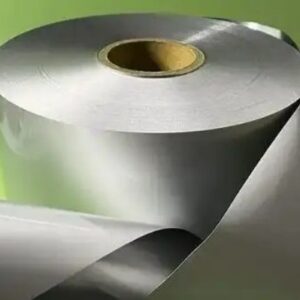


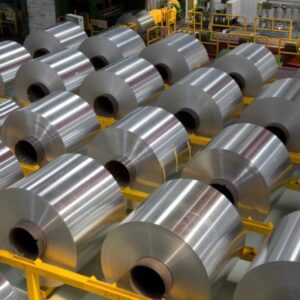
8079 O Temper 0.013mm Coffee Packaging Foil


8079 O Temper 0.013mm Coffee Packaging Foil
As a high-end flexible packaging substrate with superior barrier properties, 8079 O-temper 0.013mm aluminum foil has become the core barrier layer in premium coffee stand-up pouches, vacuum fresh-lock bags, one-way valve coffee bags, and drip coffee packaging. It is widely recognized as the “heart of freshness preservation” for specialty coffee packaging.
I. Product Overview & Core Advantages
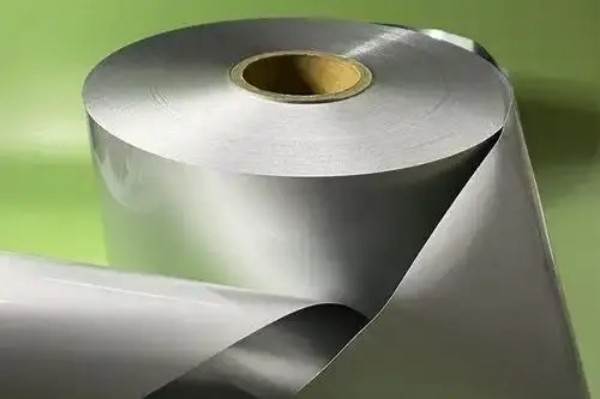
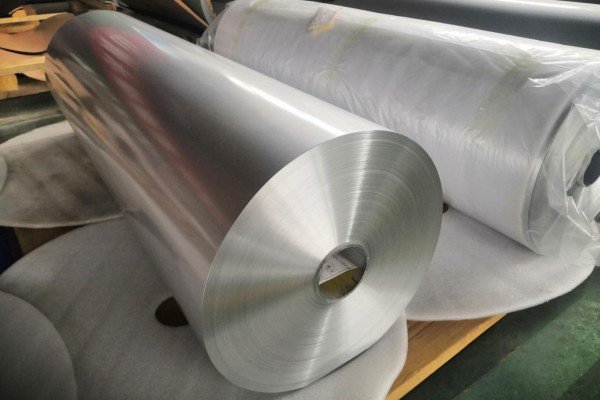
8079 O-temper 0.013mm coffee packaging aluminum foil is an ultra-thin, soft-tempered foil made from the 8xxx series premium aluminum-iron alloy. It is manufactured through precision rolling, full annealing, and precision slitting processes, specifically customized for high-barrier flexible laminates requiring aroma lock-in for premium food products. Unlike common 8011 general-purpose foil, this product maintains an extremely low pinhole defect rate, excellent ductility, and stable surface properties even at ultra-thin specifications. It is perfectly suited for demanding mass production conditions such as high-speed lamination, high-speed printing, vacuum forming, and folding/sealing.
Its core advantages can be summarized into seven key dimensions, precisely matching the high-end requirements of specialty coffee packaging:

1. Ultimate High-Barrier Aroma Lock
The dense metal layer achieves near-zero oxygen transmission (OTR), zero water vapor transmission (WVTR), and zero light transmission, firmly locking in coffee’s aromatic compounds and preventing flavor loss or oxidative deterioration.
2. Ultra-Low Pinhole Defect Rate
The 8079 alloy offers exceptional stability in ultra-thin rolling. At the same 13μm thickness, its pinhole count is significantly lower than that of ordinary foil, eliminating risks of hidden leaks or moisture ingress at the source.
3. Excellent O-Temper Ductility & Formability
The fully annealed soft temper provides high resistance to bending, vacuum collapse, and pouch gussets, ensuring no micro-cracks form during forming, thus maintaining barrier integrity.
4. Superior Process Compatibility
Compatible with lamination to PET, PE, CPP, BOPP, kraft paper, and more. It works seamlessly with high-speed printing and lamination lines, yielding high product pass rates.
5. Food-Grade Safety & Compliance
Clean, oil-free, odorless surface meets FDA and EU food contact standards, posing no risk of food contamination.
6. Lightweight Balance & Cost-Effectiveness
The 0.013mm “golden thickness” balances barrier performance, lightweight feel, and cost control, avoiding unnecessary thickness waste.
7. Outstanding Batch Stability
Uniform thickness tolerance and consistent tension ensure no bubbling, delamination, or sealing inconsistencies during mass production, ideal for brand-scale manufacturing.
II. 8079 Aluminum Alloy Composition & Mechanical Properties
The 8079 alloy belongs to the Al-Fe-Si system, a premium alloy designed specifically for high-end packaging. By precisely balancing iron and silicon content, it significantly enhances ultra-thin rolling capability and structural stability, making it the benchmark alloy for flexible high-barrier packaging. Its comprehensive performance in aroma lock, barrier, and formability surpasses the general-purpose 8011 alloy.
2.1 Chemical Composition Table
| Element | Content Range | Core Function |
|---|---|---|
| Aluminum (Al) | Remainder (≥99%) | Ensures base material purity; provides stable forming and barrier properties. |
| Iron (Fe) | 0.6% – 1.0% | Enhances rolling stability for ultra-thin gauges; reduces pinholes; increases toughness. |
| Silicon (Si) | 0.05% – 0.3% | Optimizes grain structure; improves surface flatness and laminating adaptability. |
2.2 Key Mechanical Property Parameters
| Property | Typical Value |
|---|---|
| Finished Thickness | 0.013mm (13μm) |
| Tensile Strength | 100 – 160 MPa |
| Elongation | ≥ 2% |
| Available Width Range | 100 – 1600 mm |
These balanced mechanical parameters allow the 0.013mm ultra-thin foil to resist cracking or breaking during high-speed lamination, vacuum forming, and folding/sealing processes, ensuring strong batch-to-batch production stability and meeting the precision processing needs of specialty coffee packaging.
III. Core Value of O-Temper Annealing Process
The O-temper (fully annealed soft state) is the optimal process condition for coffee packaging foil. High-temperature uniform annealing releases internal stresses, bringing the foil to its softest, most ductile state. This directly addresses three major pain points in coffee packaging production:
1. Fold & Crack Resistance, Stable Barrier
No micro-cracks develop during gusset forming, bag bottom shaping, or vacuum pressing, completely avoiding barrier failure due to damage, thereby preserving coffee flavor long-term.
2. Excellent Conformity, Prevents Delamination
The soft temper adapts exceptionally well, bonding tightly and smoothly with various films and papers, eliminating bubbles or wrinkles and significantly reducing delamination risks during storage and transport.
3. Suited for High-Speed Production, High Yield
Stable running tension with minimal springback ensures stress concentration doesn’t occur at heat seals, resulting in flat, tight seals. Ideal for high-speed printing, laminating, and pouch-making lines.

IV. Logic Behind the 0.013mm “Golden Thickness” Selection
1. Avoids Drawbacks of Thicker Foil
Thicker foils increase package weight and raw material costs while making the pouch feel stiff and cheap, conflicting with the lightweight, premium aesthetic of specialty coffee.
2. Avoids Quality Risks of Thinner Foil
Ultra-thin foils (9–10μm) have very low process tolerance, leading to a sharp increase in pinhole rates. This creates high risks of hidden oxygen/moisture ingress, causing premature oxidation, flavor degradation, and high after-sales risk.
3. Achieves Tri-Dimensional Value Balance
The 0.013mm specification hits the perfect balance between barrier reliability, production stability, and cost-effectiveness, making it the most cost-efficient choice for high-end coffee packaging.
V. Main Application Scenarios & Uses
Leveraging its ultra-low pinholes, high aroma lock capability, fold resistance, and compatibility with high-speed lamination, 8079 O-temper 0.013mm high-barrier foil is specifically engineered for specialty coffee packaging scenarios. It covers the full range of commercial, retail, portable, and gift box coffee packaging categories and serves as the core barrier substrate in high-end coffee packaging systems:
1. Specialty Coffee Bean Stand-Up Pouches
Ideal for medium-to-high-end single-origin beans and roasted whole bean long-shelf-life pouches. Its ultimate barrier properties isolate oxygen, moisture, and light, effectively extending shelf life and locking in unique post-roast aromas (fruity, caramel, nutty), preventing stale or rancid off-flavors. Perfect for pouches with one-way degassing valves, solving the industry challenge of CO₂ release and external oxygen ingress.

2. Drip Coffee Portable Packaging
Utilizing the advantages of 0.013mm ultra-thin lightweight, soft hand-feel, and easy formability, it is widely used for inner bags and individual sachets of drip coffee. The pouch is flat, not stiff, and highly conformable. It suits high-speed automated slitting, pouch making, and filling lines, forming without wrinkles or cracks, ensuring high batch yield. It also prevents minute aroma permeation, guaranteeing uniform and stable flavor in every drip bag.
3. Coffee Powder Vacuum Fresh-Lock Packaging
Addressing the high susceptibility of ground coffee to oxidation, moisture absorption, and caking, the 8079 O-temper foil resists vacuum collapse and micro-cracks. The barrier layer remains intact during vacuum forming, achieving high-vacuum sealing. This effectively prevents caking, oxidation, and off-flavors, suitable for supermarket retail, tea chain stores, and commercial bulk coffee powder packaging.
4. Premium Gift Box & Specialty Coffee Packaging
Laminated with kraft paper, matte PET, etc., to create high-texture gift box outer bags or premium inner bags. The foil offers a flat, clean surface with uniform oxide appearance and strong printability, enabling high-definition graphics, matte finishes, and premium laminations. It balances aesthetics, texture, and long-term freshness, fitting brand premiumization and gifting strategies.
5. Commercial & Industrial Large-Capacity Coffee Packaging
Suitable for large-capacity commercial coffee ingredient bags for tea shops, industrial drum liners, and bulk storage bags. Its strong batch stability and uniform barrier properties meet demands for large-volume, long-term warehousing, and cold-chain logistics. It withstands humidity and temperature fluctuations, ensuring consistent flavor and quality of commercial coffee ingredients.
6. Special Light-Proof & Moisture-Proof Derivative Packaging
For coffee-related products requiring light protection, moisture barriers, and odor isolation, including flavored coffee powders, coffee creamers, and freeze-dried coffee cubes. Relies on all-around barrier capabilities to block light, moisture, and odors, preventing cross-contamination and spoilage, adaptable to the full range of coffee product freshness needs.
VI. Standardized Production Process & Quality Control Advantages
High-end 8079 O-temper 0.013mm coffee foil is produced on precision ultra-thin foil rolling lines with closed-loop quality control throughout. The standard process flow is:
Cast Billet → Hot Rolling → Cold Rolling → Precision Foil Rolling (to gauge) → Full Annealing (O-Temper) → Precision Slitting → Online Pinhole Inspection → Surface Cleanliness Inspection → Dust/Moisture-Proof Export Packaging
The price difference between high-end foil and low-cost alternatives stems from five key refined QC differences:
1. Thickness Uniformity Control
Precise control of transverse and longitudinal thickness tolerances; no localized thin spots; consistent barrier performance across the entire roll.
2. Ultra-Low Pinhole Control
Equipped with online pinhole detection systems for full scanning, strictly controlling pinhole count and size to guarantee barrier integrity.
3. Surface Cleanliness Control
Free of residual oil, stains, and scratches; prevents lamination bubbling, delamination, or odor contamination.
4. Annealing Process Consistency
Precise temperature-controlled annealing ensures uniform softness/hardness, stable coil running tension, and no springback deformation.
5. Finished Product Protection
Dust-proof, moisture-proof, and impact-resistant sealed packaging throughout, preventing damage or contamination during storage and transit.

VII. Common Lamination Structures
8079 coffee foil is not used alone but serves as the core barrier middle layer in laminates. Combined with different outer and inner layers, it adapts to all coffee packaging scenarios. Industry-proven structures include:
| Laminate Structure | Characteristics | Applicable Scenarios |
|---|---|---|
| PET / AL / PE | Stable seal, cost-effective, high-speed machine compatible | Mainstream mid-high end coffee stand-up pouches, retail coffee bags |
| PET / AL / CPP | Puncture resistant, high-temp resistant, strong vacuum suitability | Specialty coffee bean vacuum packs, long-term storage bags |
| Kraft Paper / AL / PE | Premium texture, eco-friendly aesthetic, excellent barrier | Single-origin beans, coffee gift sets, boutique cultural packaging |
| BOPP / AL / PE | Lightweight, soft hand-feel, lower grammage | Drip coffee, portable sachets, single-serve soft packs |
Multi-layer Division of Labor: The outer layer handles printing/graphics and mechanical protection; the middle 8079 foil layer provides oxygen, moisture, light barrier, and aroma lock; the inner layer ensures food-safe heat sealing. Together, they achieve long-term coffee freshness.
VIII. Performance Comparison: 8079 vs. 8011 Aluminum Foil
8011 is a general-purpose food packaging foil, while 8079 is a specialized foil for high-end flexible aroma-lock packaging. Their performance and application positioning differ significantly, serving as a direct selection guide:
| Comparison Dimension | 8079 O-Temper Foil | 8011 Foil |
|---|---|---|
| Ultra-Thin Process Suitability | Excellent; stable performance at 13μm without defects | Fair; prone to pinhole defects in ultra-thin gauges |
| Pinhole Control Level | Extremely low pinhole rate; high barrier integrity | Higher pinhole rate; risk of hidden oxygen ingress |
| Fold & Forming Performance | Ductile, crack-resistant; no micro-cracks under vacuum/folding | Basic forming sufficient; may fail in complex processes |
| Product Positioning | Specialty coffee, high aroma lock, long shelf-life products | Mass-market affordable foods, general anti-rust packaging |
IX. Food Compliance & Hygiene Standards
As a base material in direct contact with food, 8079 O-temper 0.013mm coffee foil possesses a comprehensive international compliance system, suitable for export and brand premiumization:
1. Authoritative Certifications
Complies with FDA (USA), EU food contact regulations, RoHS directive, REACH requirements; no barriers for export.
2. Stringent Hygiene Standards
Low surface oil, odorless, free of oil stains and scratches, no concentrated pinhole defects; prevents off-flavors or contamination.
3. Safe & Stable
Pure material without harmful substances; no pollutant leaching when in long-term contact with coffee grounds or beans, meeting civil food packaging safety standards.
X. Core Practical Checklist for Procurement & Acceptance
To procure high-quality 8079 foil for coffee and avoid low-cost non-standard traps, use these quantifiable acceptance criteria:
1. Pinhole Specification Check
Clearly define maximum allowable pinhole density and size. Prioritize suppliers providing online pinhole inspection reports.
2. Thickness Tolerance Check
Verify micron-level thickness tolerance and transverse uniformity; eliminate localized thin spots that cause barrier failure.
3. Surface Cleanliness Check
Visually inspect for stains, touch for oil residue, smell for odors. Can verify via solvent wipe test.
4. Lamination Trial Check
Conduct pre-production lamination tests to verify peel strength and heat seal strength; confirm no bubbling or delamination after curing.
5. Documentation Check
Verify food-grade compliance certificates, factory inspection reports, and qualifications demonstrating scale production and QC systems.
XI. Industry Development Trends
The coffee packaging industry is evolving towards three major directions: higher barrier stability, lightweighting, and eco-friendly recyclability. 8079 coffee foil aligns perfectly with these trends:
1. Refined Barrier Performance Upgrade
The industry is moving away from relying solely on increased thickness. Instead, it optimizes rolling and annealing to reduce pinholes, achieving more stable long-term freshness.
2. Packaging Lightweighting Upgrade
While maintaining barrier and freshness performance, optimize total package weight to reduce material costs and enhance tactile quality.
3. Normalization of Eco-Friendly Recyclability
Aluminum is 100% recyclable with low energy consumption for remelting and no secondary pollution, aligning with global green packaging policies. The industry continues to optimize laminate structures to address recycling separation challenges.
XII. Frequently Asked Questions (FAQ)
Q1: Why must high-end coffee packaging use 8079 aluminum foil?
A: Coffee is a high-value, aroma-sensitive product, extremely vulnerable to pinholes, micro-cracks, and oxygen/moisture transmission. The 8079 alloy offers superior ultra-thin formability, extremely low pinhole rates, and stronger aroma-lock capability. Compared to ordinary 8011 foil, it fundamentally reduces risks of flavor loss and oxidative deterioration, serving as the core material for specialty coffee quality assurance.
Q2: Is 0.013mm thick foil strong enough for coffee packaging?
A: Absolutely. This foil is not used alone. When laminated with PET, PE, CPP, etc., the overall structure has sufficient tensile strength, puncture resistance, and durability for stand-up pouches, vacuum bags, and high-speed pouch making.
Q3: How to choose between O-temper and Hard-tempered foil?
A: For coffee packaging, deep drawing, vacuum forming, or flexible fresh-lock applications, prioritize O-temper (soft) foil for its ductility, crack resistance, and superior forming. Hard-tempered foil is prone to cracking and micro-fractures, making it unsuitable for flexible freshness preservation packaging.
Q4: Can 8079 foil be used in bags with one-way valves?
A: Yes. Its stable forming characteristics, excellent sealing properties, and uniform barrier make it the mainstream material for one-way valve coffee bags and vacuum fresh-lock coffee bean packaging.
Q5: Is 8079 coffee foil environmentally friendly and recyclable?
A: Yes. The aluminum base material is 100% recyclable with low energy consumption and no secondary pollution, fitting the trend of sustainable development and green packaging.
XIII. Summary
8079 O-temper 0.013mm aluminum foil for coffee packaging is the core barrier heart of high-end flexible coffee packaging. Leveraging the low-defect, high-stability material advantages of the premium 8079 Al-Fe alloy, combined with the ultimate ductility and formability of the O-temper full anneal, and the balanced capability of the 0.013mm golden thickness, it perfectly solves core pain points like coffee oxidation, moisture uptake, light-induced degradation, and aroma loss.
Whether for drip coffee sachets, specialty coffee bean stand-up pouches, vacuum fresh-lock bags, or premium gift box packaging, this product delivers long-lasting aroma lock, stable freshness, and attractive durability. As the specialty coffee industry continues to upgrade, 8079 O-temper 0.013mm foil will remain the indispensable foundational material driving quality advancement in high-end coffee packaging.